

Most outboard ignition issues can be fixed with systematic tests and simple tools.
I’ve spent years tuning and repairing small outboards, and this Practical Outboard Ignition Troubleshooting Guide walks you through reliable steps. You’ll get clear causes, simple tests, tool lists, and safe fixes. Read on to learn how to diagnose spark, wiring, coils, and electronics with confidence and avoid common mistakes.

36% off Today’s Exclusive Deals
Limited-time Exclusive Deals. Check current discount on Amazon.
Check Price on Amazon As an Amazon Associate I earn from qualifying purchases.
Understanding outboard ignition systems
A marine outboard ignition system turns battery or magneto energy into timed sparks at the spark plugs. Key parts include the battery or stator, ignition switch and kill switch, coils or CDI (capacitor discharge ignition), pulse generator/pickup, spark plugs, and wiring. Knowing how each part works together helps you find the root cause fast.
Common system types
- Battery/coil systems: rely on a charged battery and ignition coil.
- Magneto/CDI systems: generate pulses from the stator and pulse generator.
- Electronic ignition: uses solid-state modules and sensors for timing.
Why a clear mental model matters
- If you can picture flow of power, you can isolate failures.
- Tests then become logical checks instead of random guesses.
Personal note: I once tracked a sporadic no-spark problem to a corroded kill-switch connection. Visual checks saved hours of parts swapping. This Practical Outboard Ignition Troubleshooting Guide emphasizes the same stepwise logic I use on the dock.

Common symptoms and likely causes
Symptoms guide your first tests. Match what you see to probable causes before you pull parts.
No crank, no start
- Cause: dead battery, bad starter circuit, corroded ground, or safety switch.
Cranks but no spark
- Cause: faulty coils, CDI module, pulse generator, or open ignition switch.
Intermittent spark or stalls
- Cause: loose wiring, worn stator, bad kill-switch, or overheating module.
Weak or misfiring spark
- Cause: fouled spark plugs, weak coil, bad plug wires, or low compression.
Backfire or timing issues
- Cause: incorrect timing, failing pickup, or ignition module faults.
This Practical Outboard Ignition Troubleshooting Guide links each symptom to fast checks. Start with the simple items first: battery, grounds, and spark plugs.
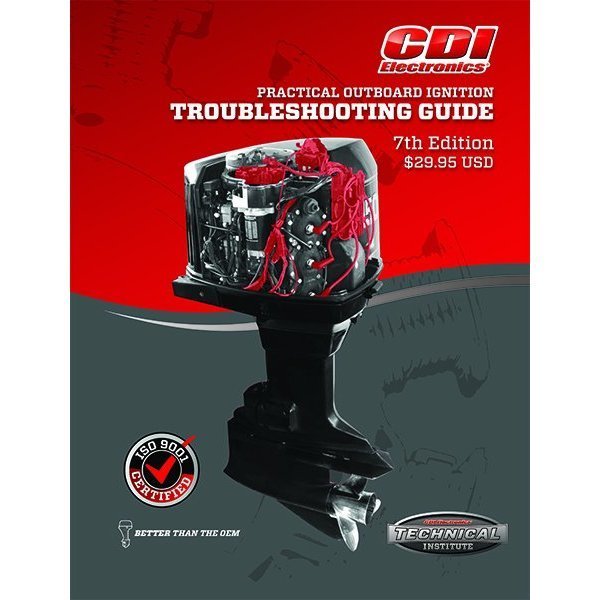
Step-by-step Practical Outboard Ignition Troubleshooting Guide
Follow these steps in order. Keep tests short and safe.
- Visual and safety checks
- Check battery charge and terminals for corrosion.
- Inspect kill switch lanyard and safety switches.
- Look for cracked wires, loose connectors, and obvious burns.
- Verify basics: battery and grounds
- Confirm battery voltage is 12.6V or higher (for 12V systems).
- Ensure good ground between engine block and battery negative.
- Tighten terminals and clean corrosion.
- Spark check
- Remove a plug, ground its body to engine metal, and crank.
- Look for a strong blue spark that is consistent with each crank.
- No spark means move to coil/pulse testing.
- Test spark plugs and wires
- Inspect plug color, gap, and condition.
- Replace old or fouled plugs and check plug wire continuity.
- Primary and secondary coil tests (basic)
- Use a multimeter to check coil primary resistance per factory spec.
- Check secondary resistance between coil output and ground; compare to spec.
- Caution: specs vary by model. If out of range, consider replacement.
- Pulse generator and stator checks
- Test pulse generator resistance and AC output while cranking.
- Check stator AC output at running RPMs for consistent voltage.
- Low or no output often causes no-spark or weak spark.
- CDI and ignition module checks
- Swap or bench-test modules only if you have the correct donor unit.
- CDI failures are less common but cause instant no-spark conditions.
- Kill-switch and safety circuit isolation
- Bypass the kill switch briefly with a jumper while testing (only in waterless safe conditions).
- Repair or replace faulty lanyard switches.
- Compression and mechanical checks
- Low compression can mimic ignition problems. Do a compression test.
- Confirm valves, piston rings, and head gasket health if compression is low.
- Final run and verification
- After fixes, run the engine and monitor for consistent spark, smooth idle, and no stalls.
A practical trick from my shop: label connectors with tape before disconnecting. This saves time and prevents accidental swaps. This Practical Outboard Ignition Troubleshooting Guide encourages stepwise fixes so you don’t replace parts unnecessarily.

Tools, safety, and best practices
Essential tools
- Multimeter with AC/DC and resistance functions.
- Spark tester or reliable plug tester.
- Compression tester.
- Insulated pliers, screwdrivers, and contact cleaner.
- Service manual or wiring diagram for your engine.
Safety tips
- Work in a well-ventilated, dry area.
- Remove propeller or secure boat before cranking to avoid injury.
- Keep hands and clothing clear of moving parts.
- Do not bypass safety systems while the engine is in the water or unattended.
Best practices
- Always ground the spark plug shell when testing spark.
- Use manufacturer specs for resistance and voltage checks.
- Document tests and results for future troubleshooting.
I once burned a coil by leaving the starter engaged too long during timed testing. Short, controlled tests prevent component damage and improve diagnosis speed. This Practical Outboard Ignition Troubleshooting Guide stresses safety and correct tools first.
Advanced diagnostics and when to seek help
Advanced tests require experience and gear. Consider professional help when:
- You need an oscilloscope to read ignition waveforms.
- The pulse generator requires timed alignment or special tools.
- Multiple components show borderline readings and symptoms persist.
Advanced checks you can attempt
- Use a scope to view coil primary waveform for dwell and spike quality.
- Perform AC stator output tests at different RPMs to check regulator and charging behavior.
- Use a known-good module and coil to isolate failures.
Limitations and honesty
- Resist replacing parts blindly. Many electronic faults mimic wiring issues.
- Electronic modules can be sensitive to heat and moisture; replacements may fail if underlying wiring faults remain.
When I hit a stubborn CDI issue, replacing the pulse generator and retesting often pinpointed the problem. Use a shop for calibrated testing or warranty-covered parts. This Practical Outboard Ignition Troubleshooting Guide balances DIY steps with clear breakpoints to seek pro help.
Preventative maintenance and practical tips
Routine checks that prevent ignition trouble
- Change spark plugs every season or per hours.
- Clean and protect electrical connectors with dielectric grease.
- Keep the engine dry and free of salt spray when not in use.
- Service the stator and charging system on recommended intervals.
Practical habits
- Run your boat at least monthly to keep seals and circuits fresh.
- Store fuel properly and use stabilizers to avoid carburetor issues that look like ignition faults.
- Keep a small diagnostic kit on board with spare plugs and a spark tester.
Lessons learned
- Corrosion is the silent killer: clean connections prevent most intermittent faults.
- Follow a logical approach: check power, switch, pulse, coil, plug. Don’t skip steps.
Apply this Practical Outboard Ignition Troubleshooting Guide as a routine checklist. Little habits save big headaches on the water.

Frequently Asked Questions of Practical Outboard Ignition Troubleshooting Guide
How do I quickly check for spark without special tools?
Use a known-good spark plug, ground its body to the engine block, and crank the motor while keeping clear of moving parts. Look for a bright blue spark each time the engine turns; no spark means further testing is required.
Can a weak battery cause no-spark conditions?
Yes. Low battery voltage can prevent ignition modules from firing or produce weak sparks. Always confirm battery voltage and charge before deeper diagnostics.
Is a dead spark plug-usually the problem?
Not usually but it is common. Fouled or worn spark plugs are an easy fix and should be checked first when you have misfire or weak-spark symptoms.
When should I test the pulse generator or stator?
Test the pulse generator if you have consistent no-spark or timing faults. Test the stator when charging issues or intermittent spark suggest AC generation problems.
Can water or moisture cause ignition failure?
Yes. Moisture in connectors, coils, or inside the stator can cause intermittent or total failure. Dry and clean electrical parts and use corrosion protectant.
How often should I replace spark plugs on outboards?
Replace spark plugs each season or per the engine hours recommended by the manufacturer. Fresh plugs improve ignition reliability and fuel efficiency.
Conclusion
This Practical Outboard Ignition Troubleshooting Guide gives you a clear path from simple checks to advanced diagnosis. Start with power, grounds, and spark plugs, move through coils and pulse systems, and only then consider modules or professional help. Apply the stepwise methods here, keep safety in mind, and document your tests. Try these checks on your next issue, subscribe for more boat care tips, or leave a comment about your toughest outboard problem.


1 Comment
Pingback: Cdi Electronics Troubleshooting Guide: Quick Fixes | Fission Review