

Hayward Heat Pump Troubleshooting Guide: Fix common faults fast with clear, step-by-step checks.
I’ve worked with pool systems for years and written and tested this Hayward Heat Pump Troubleshooting Guide to help you find and fix real problems fast. This guide blends hands-on tips, clear steps, and simple explanations so you can diagnose issues, avoid costly mistakes, and keep your heat pump running reliably.

36% off Today’s Exclusive Deals
Limited-time Exclusive Deals. Check current discount on Amazon.
Check Price on Amazon As an Amazon Associate I earn from qualifying purchases.
Overview: What this Hayward Heat Pump Troubleshooting Guide covers
This Hayward Heat Pump Troubleshooting Guide explains common faults, quick checks, and repair options. It covers electrical basics, error codes, airflow and refrigerant issues, and routine maintenance. Read on for step-by-step checks, real-world tips from field experience, and clear advice on when to DIY and when to call a pro.
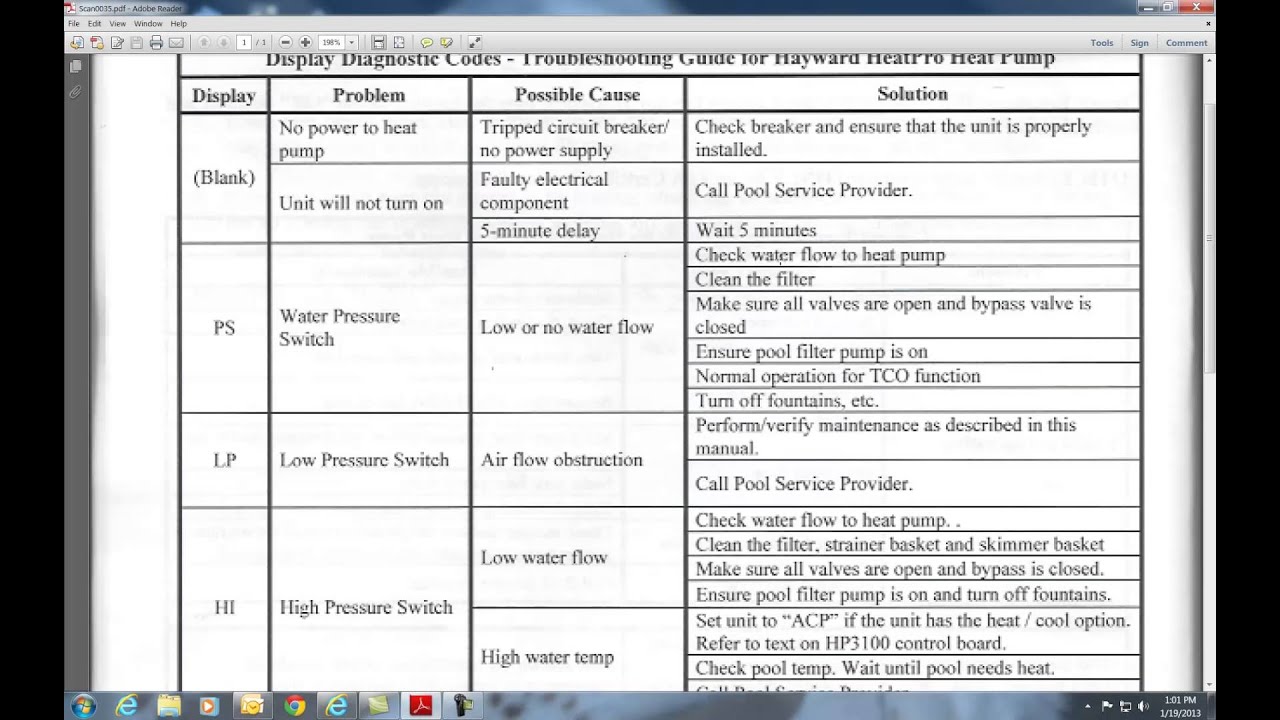
How Hayward heat pumps work — simple explanation
A Hayward heat pump moves heat from air into your pool water using a compressor, evaporator, and condenser. It pulls warm air across coils filled with refrigerant, compresses the gas to raise temperature, then transfers that heat to pool water. Understanding these parts makes troubleshooting easier because most faults trace back to airflow, refrigerant, electrical, or water-flow problems.

Common problems and likely causes
This Hayward Heat Pump Troubleshooting Guide lists the issues you will meet most often and why they happen.
- No heat but unit runs
- Low refrigerant charge, stuck reversing valve, or heat exchanger scale.
- Unit won’t turn on
- Tripped breaker, blown fuse, faulty thermostat, or wiring issue.
- Short cycling
- Thermostat wiring error, oversize unit, or safety switch tripping.
- Loud noise or vibration
- Loose parts, failing fan motor, or compressor problems.
- Error codes or flashing LEDs
- Sensor faults, high pressure, or communication errors.
These causes come from field work and manufacturer practices. Use a step-by-step check to find the real root cause.

Step-by-step troubleshooting checklist
Follow this ordered checklist in the Hayward Heat Pump Troubleshooting Guide. Work safely and turn power off when needed.
- Visual and smell check
- Look for damaged wires, leaks, ice, or burnt smell. Small clues prevent big failures.
- Power and controls
- Confirm breakers and switches are on. Check the thermostat settings and timer.
- Airflow and fans
- Clear debris from coils and ensure fan spins freely. Poor airflow cuts heat output dramatically.
- Water flow and valves
- Verify filter cleanliness and pump operation. Low water flow triggers safety switches.
- Refrigerant and pressure
- Listen for hissing and check for oil streaks. Refrigerant work needs a licensed tech.
- Error codes
- Note any displayed codes and consult the manual for exact meanings.
- Test run and observe
- Run the unit for 15–30 minutes and watch temperature delta, noise, and cycling.
If a step shows a clear fault you can fix, proceed. For sealed system or high-voltage work, hire a certified technician.
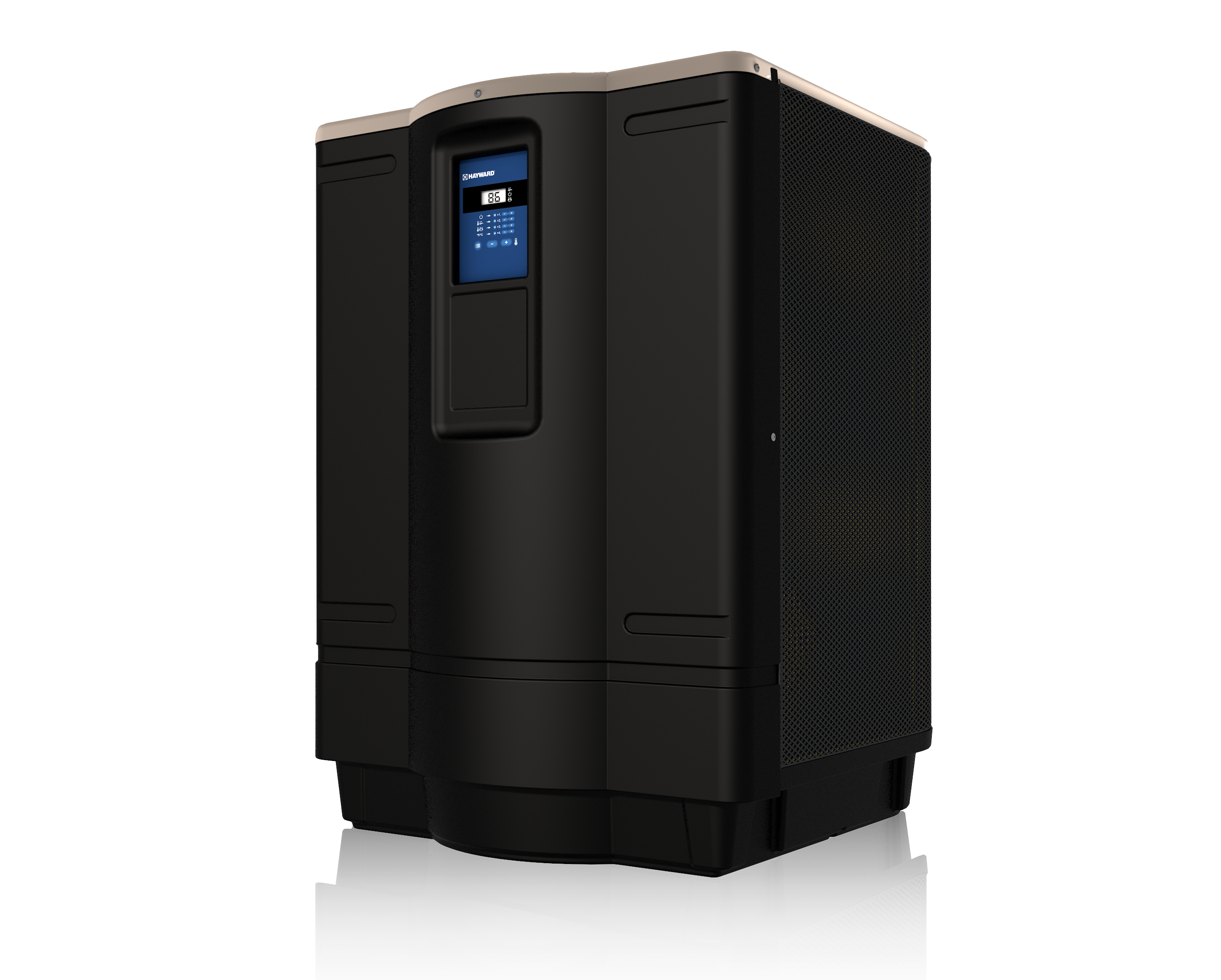
Hayward error codes and common meanings
This Hayward Heat Pump Troubleshooting Guide includes typical errors you may see and what they usually mean.
- High pressure lockout
- Caused by blocked airflow, dirty coils, or oversized water temperature rise.
- Low pressure or loss of charge
- Suggests refrigerant leak or restriction in the system.
- High discharge temperature
- May indicate poor airflow or failing compressor.
- Sensor failure
- Water or air temp sensor is open or shorted; check wiring and connectors.
Record the code, note conditions, and cross-check the service manual. Many sensor faults are simple to fix; refrigerant issues are not.
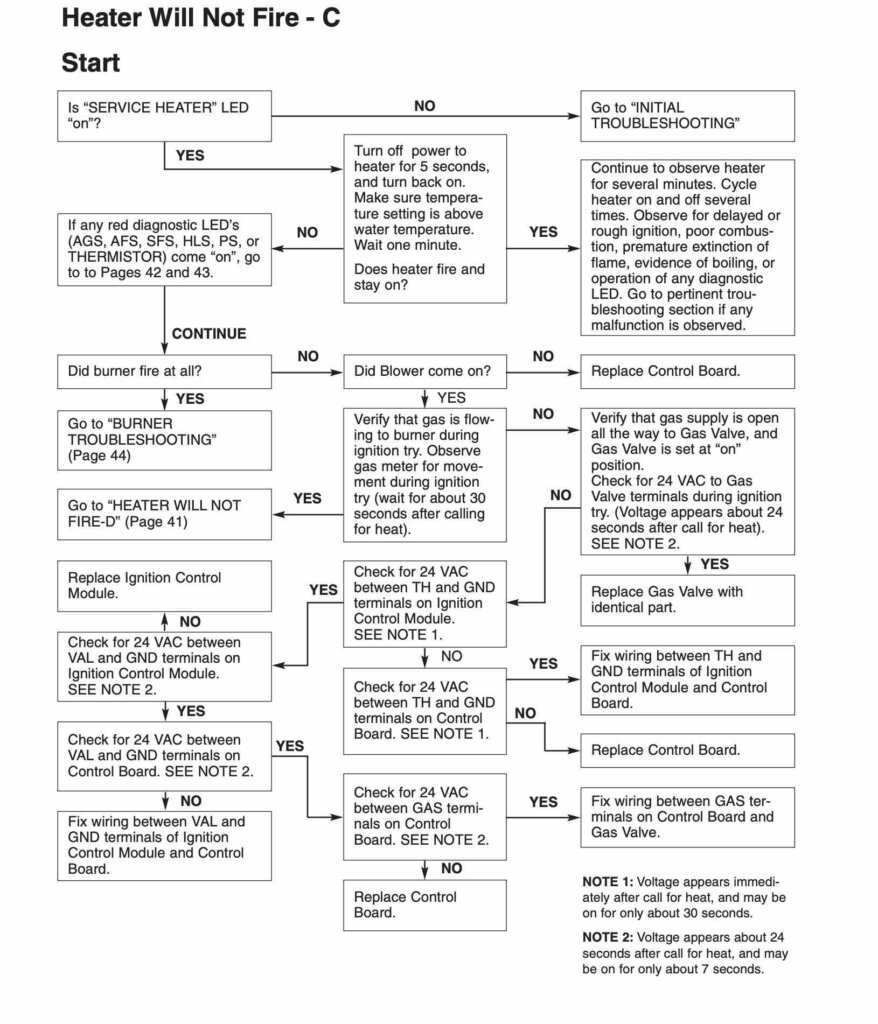
Maintenance tips to prevent issues
Routine care reduces most calls. Use these maintenance steps from the Hayward Heat Pump Troubleshooting Guide.
- Monthly checks
- Clear debris, inspect fan blades, and check for visible leaks.
- Every 3 months
- Clean coils and check electrical connections for corrosion or loose terminals.
- Annually
- Have a pro test refrigerant charge, safety controls, and run performance checks.
- Winter care
- Follow manufacturer winterization to avoid freeze damage if located in cold climates.
Consistent care keeps efficiency high and extends unit life.
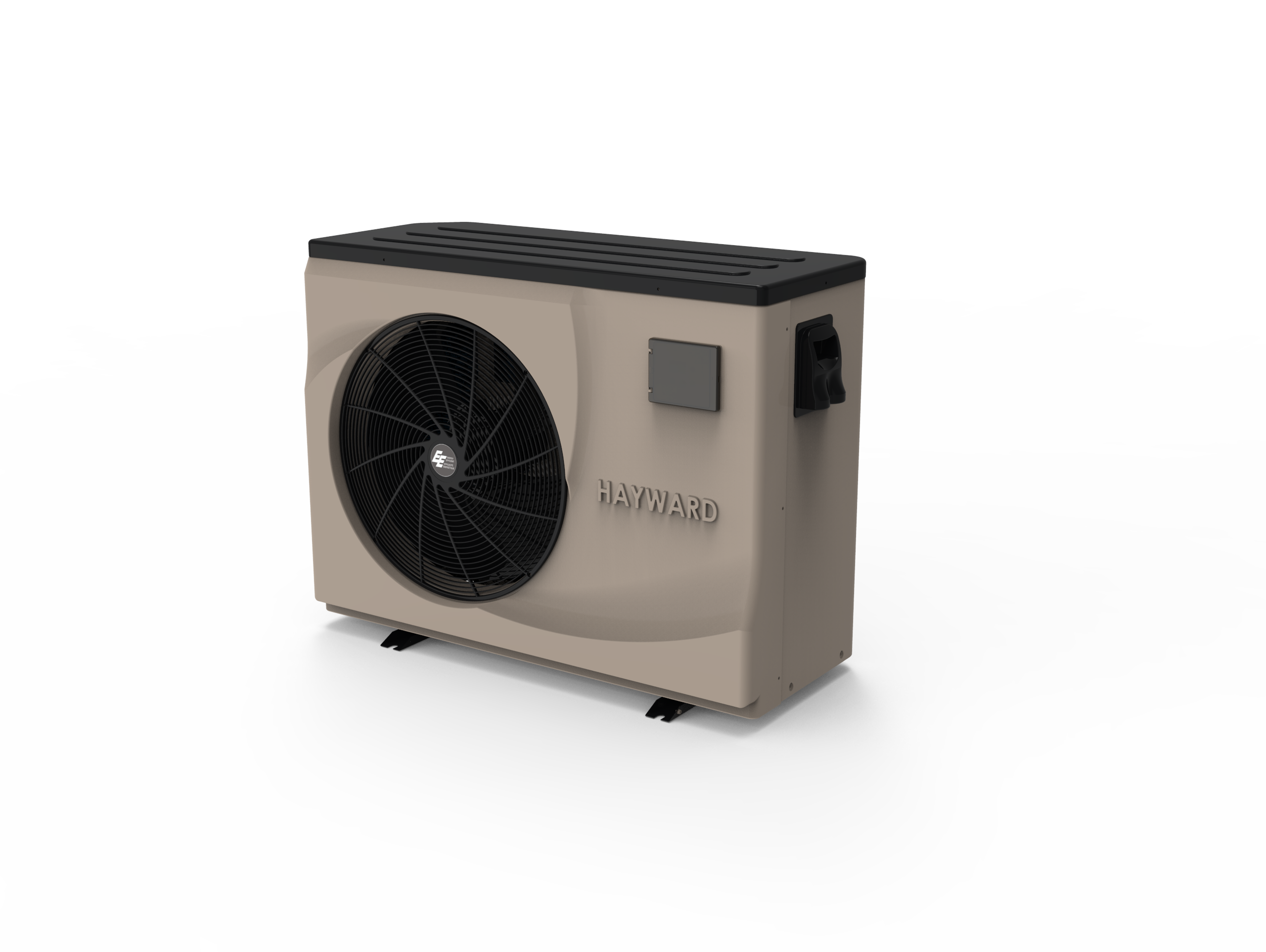
When to call a professional
This Hayward Heat Pump Troubleshooting Guide helps you know when to DIY and when not to.
- Call a technician if you find refrigerant leaks, compressor failure signs, or complex electrical faults.
- Call for error codes that persist after basic resets.
- Hire certified pros for sealed-system repairs and high-voltage troubleshooting.
I learned this the hard way: I once tried to top up refrigerant without the right tools and ended up with a bigger leak. Save time and risk by calling pros for these jobs.
Parts, tools, and supplies you may need
For safe DIY checks, this Hayward Heat Pump Troubleshooting Guide lists common items.
- Multimeter for voltage and continuity checks
- Basic hand tools: screwdrivers, nut drivers, pliers
- Coil brush and soft water hose for cleaning
- Replacement fuses, capacitors, or simple sensors (match specs)
- Protective gear: gloves and eye protection
Avoid carrying refrigerant or pressurized gauges unless you are certified. Mistakes can be dangerous and costly.
Safety checklist
Safety matters. Follow this short Hayward Heat Pump Troubleshooting Guide safety list before any work.
- Turn off power at the breaker and lock it out when working on electrical parts.
- Relieve pressure and let the system cool before touching refrigerant lines.
- Use insulated tools for live checks and wear protective gear.
- Keep children and pets away from work area.
Safety prevents injury and further damage to the unit.
Personal tips and lessons learned
I’ve fixed many pool heat pumps and here are practical tips from experience included in this Hayward Heat Pump Troubleshooting Guide.
- Start simple: breakers and switches are the cause more often than you think.
- Log symptoms: note times, temps, and conditions — trends reveal causes.
- Photograph wiring before you disconnect anything to avoid reassembly errors.
- When replacing parts, match specs exactly; cheap substitutes fail quickly.
These small habits save time and money.
Frequently Asked Questions of Hayward Heat Pump Troubleshooting Guide
What should I check first if my Hayward heat pump won’t turn on?
Begin with power: verify the breaker, main disconnect, and thermostat settings. Next, inspect fuses and visible wiring for damage.
Why is my Hayward unit running but not heating the pool?
Common reasons include low water flow, dirty coils, or low refrigerant charge. Clean filters and ensure proper pump operation before calling a technician.
How often should I clean the coils on a Hayward heat pump?
Check coils monthly and clean them at least twice a year or more if your unit sits near trees or dust. Clean coils maintain efficiency and prevent high-pressure trips.
Can I add refrigerant myself to a Hayward heat pump?
No, refrigerant work requires certified technicians due to safety and legal rules. DIY refrigerant charging can harm the unit and void warranties.
What does short cycling mean and how do I fix it?
Short cycling is frequent on/off switching that prevents stable heating. Check thermostat wiring, oversized unit settings, and safety switches for faults.
Is it normal for my Hayward heat pump to make noise?
Some noise from the fan and compressor is normal, but loud grinding or rattling suggests loose parts or failing bearings. Inspect and tighten hardware or call a pro.
Conclusion
This Hayward Heat Pump Troubleshooting Guide gives clear steps to identify and often fix common problems. Start with power and airflow checks, keep a log, and perform routine cleaning to avoid most issues. If you face refrigerant or complex electrical faults, contact a licensed technician to protect your equipment and safety. Try the steps here, subscribe for updates, or leave a comment with your issue and I’ll help you troubleshoot further.

