

Most Roper clothes dryer issues are simple: check power, venting, thermal fuse, and the door switch.
I have spent years repairing and testing home dryers, including many Roper models, so I know the common faults and safe fixes. This article gives clear, step-by-step Roper Clothes Dryer Troubleshooting advice. You will learn what to check first, how to diagnose common failures, when to do a DIY fix, and when to call a pro. Read on for practical tips, personal notes, and easy checks you can try today.

36% off Today’s Exclusive Deals
Limited-time Exclusive Deals. Check current discount on Amazon.
Check Price on Amazon As an Amazon Associate I earn from qualifying purchases.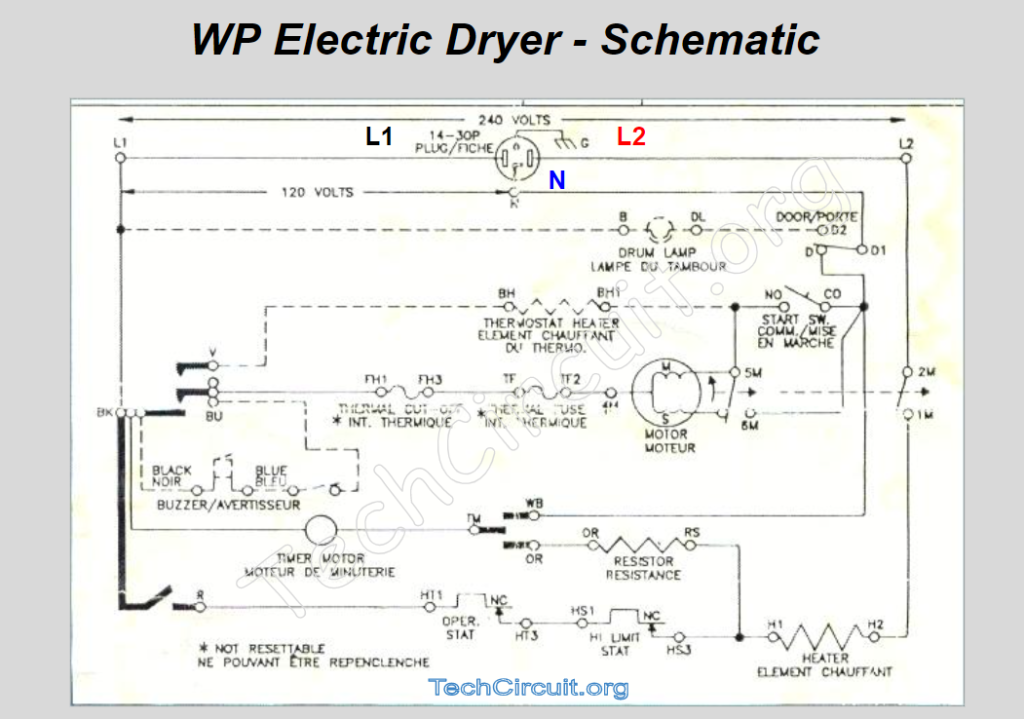
Why your Roper dryer won't start
A dryer that will not start is the most common call. Roper Clothes Dryer Troubleshooting begins with power and basic safety checks.
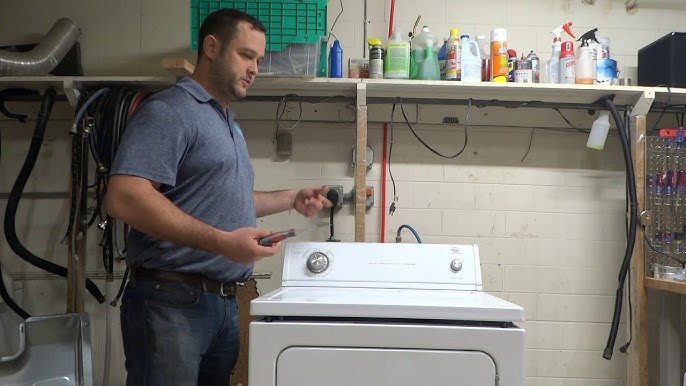
Check the outlet, cord, and circuit. Confirm the door closes fully and the start button works. Many no-start problems are simple to fix.
Common causes and quick fixes
- Tripped breaker or blown fuse. Reset breaker or replace fuse and test.
- Power cord or outlet fault. Try a different appliance in the outlet.
- Door switch failure. If the machine thinks the door is open, it won't start. Test or replace the switch.
- Start switch or timer problem. These parts can fail and stop the cycle. Replace if continuity is lost.
- Thermal fuse blown. Dryers stop if the fuse senses an overheat condition. Replace the fuse and clear the vent.
Dryer runs but has no heat
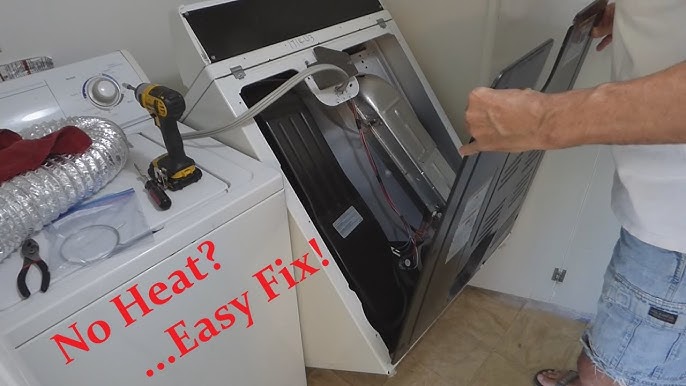
When the dryer tumbles but does not heat, follow simple checks for Roper Clothes Dryer Troubleshooting. Heat issues are often due to blocked vents or a bad heating element.
Do not run long tests without vent checks. Lack of heat can signal an electrical or gas fault that needs care.

Causes and solutions
- Clogged vent or lint screen. Clean lint screen and vent. Poor airflow often stops heating.
- Faulty heating element. Test element for continuity and replace if open.
- Bad thermal fuse. Replace the fuse after correcting airflow issues.
- Defective thermostat or high-limit thermostat. Test and replace if out of spec.
- Gas valve solenoid (gas models). Replace if burner does not open; leave gas work to a pro if unsure.
Loud noises, banging, or vibration
Strange sounds are alarming. Roper Clothes Dryer Troubleshooting for noise focuses on worn drum supports and loose parts. Most noise problems are mechanical and avoidable.
Stop the dryer before you inspect. Loose parts and worn rollers are common.

What to check
- Worn drum rollers or glides. Replace rollers, bearings, or glides if tread or bearings are noisy.
- Loose or broken belt. A frayed belt can slap and make noise; replace if worn.
- Idler pulley or motor bearings. These parts can seize and squeal. Replace as needed.
- Foreign objects in drum or blower wheel. Small items can jam and clatter. Remove any debris.
- Misleveled dryer. Check feet and level the cabinet to reduce vibration.
Door issues, drum not turning, or long cycles
If the drum does not turn or cycles run too long, address the drive system and sensors when doing Roper Clothes Dryer Troubleshooting. These faults can stem from belts, motors, or control faults.
Simple tests narrow the cause. Many fixes are replace-and-test jobs.
Faults and fixes
- Broken or slipped drive belt. Replace the belt. It’s an inexpensive fix.
- Motor failure. If the motor does not run, check the capacitor and motor assembly. Replace if burned or stuck.
- Malfunctioning moisture sensor. Clean sensor bars with rubbing alcohol. Replace if no change.
- Control board or timer faults. These can mismanage cycle length and power delivery. Consider replacement if tests fail.
- Improper load size. Overloading extends dry time. Use correct load sizes.
Step-by-step Roper Clothes Dryer Troubleshooting checklist
Follow this short checklist to diagnose most problems safely. Work methodically and stop if you see damage or smell gas.

- Check power
- Ensure the dryer is plugged in. Test the outlet with another device.
- Inspect lint screen and vents
- Clean lint screen and vacuum the lint trap. Check the vent for blockages.
- Run a heat test
- Start an empty cycle and feel the vent for warm air after 10 minutes.
- Listen and observe
- Note any unusual sounds, smells, or error codes.
- Test simple parts
- Check door switch, thermal fuse, and heating element for continuity with a multimeter.
- Replace common parts
- Swap inexpensive parts first: belt, thermal fuse, rollers.
- Call a pro if needed
- For gas valve, motor, or control board issues, get a certified technician.
People also ask
Q: How do I reset my Roper dryer?
A: Most Roper dryers reset by unplugging for one minute. Plug back in and test. If a reset button exists, follow model instructions.
Q: Why does my dryer stop mid-cycle?
A: A thermal fuse, timer, or control fault can stop cycles. Overheat or power interruption are likely culprits.
Q: How often should I clean the vent?
A: Clean the lint screen every load. Inspect and clean the vent at least once a year, or more if you have long drying times.
Parts, repairs, and when to call a technician
Some Roper Clothes Dryer Troubleshooting is safe for DIY. Other tasks need skill. Know your limits. Repairs that involve gas, high voltage, or complex electronics should use a pro.
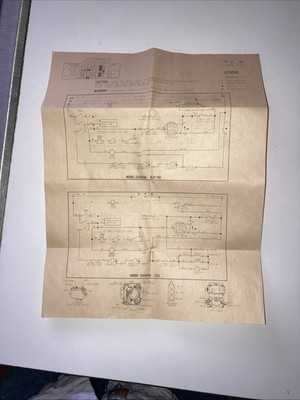
Keep parts lists and model numbers handy when ordering parts. Use OEM or trusted aftermarket parts.
When to DIY
- Replacing belt, drum rollers, or lint screen is DIY-friendly.
- Replacing thermal fuses and simple thermostats is doable with basic tools.
- Clean vents and sensors yourself.
When to call a pro
- Gas valve, burner, or gas line work.
- Motor replacement if wiring and mounting are complex.
- Control board diagnosis or complex electrical faults.
- Persistent smoke or burning smell during operation.
Maintenance tips to avoid common failures
Good care prevents many calls for Roper Clothes Dryer Troubleshooting. Simple habits extend life and keep your dryer safe.
Make maintenance a short monthly routine.
- Clean lint screen after every load to keep airflow high.
- Vacuum lint from the cabinet and vent hose twice a year.
- Inspect vent hood outside for blockage and animal nests.
- Do not overload the dryer. Large loads strain the motor and belt.
- Use the correct cycle and heat settings for fabrics to avoid overheating.
- Keep the dryer level to reduce wear on rollers and bearings.
Frequently Asked Questions of Roper Clothes Dryer Troubleshooting
Why does my Roper dryer take so long to dry?
Slow drying is usually poor airflow. Clean the lint screen and vent. Check the heating element and moisture sensor next.
How do I test the thermal fuse on my Roper dryer?
Unplug the dryer and remove the back panel. Use a multimeter to test the fuse for continuity. No continuity means replace the fuse.
Can I run my Roper dryer with a partially clogged vent?
You can, but it is unsafe. Reduced airflow raises fire risk and can burn out parts. Clean the vent before continued use.
What causes a Roper dryer to smell like burning?
A burning smell often means lint buildup, an overheating motor, or an electrical short. Stop the dryer and inspect immediately.
Is replacing the belt hard on a Roper dryer?
Replacing the belt is moderate work. It needs some disassembly but no special tools. Follow model instructions and take photos when you disassemble.
Conclusion
Roper Clothes Dryer Troubleshooting starts with simple checks: power, venting, lint, and common parts like the thermal fuse and belt. Many faults are quick fixes you can do safely. For gas or complex electrical issues, call a certified technician. Take small steps each month to clean and inspect your dryer to avoid problems. Try the checklist above, leave a comment if you need model-specific help, and subscribe for more hands-on appliance tips.

