

Waterdrop Troubleshooting Manual offers clear fixes for filters, leaks, flow, taste, and smart errors.
I’ve worked with Waterdrop filters and systems for years, and this Waterdrop Troubleshooting Manual gathers practical fixes, diagnostic steps, and maintenance tips you can trust. Read on for a clear, experience-driven guide that helps you diagnose problems fast, avoid common mistakes, and keep your Waterdrop system running smoothly.

36% off Today’s Exclusive Deals
Limited-time Exclusive Deals. Check current discount on Amazon.
Check Price on Amazon As an Amazon Associate I earn from qualifying purchases.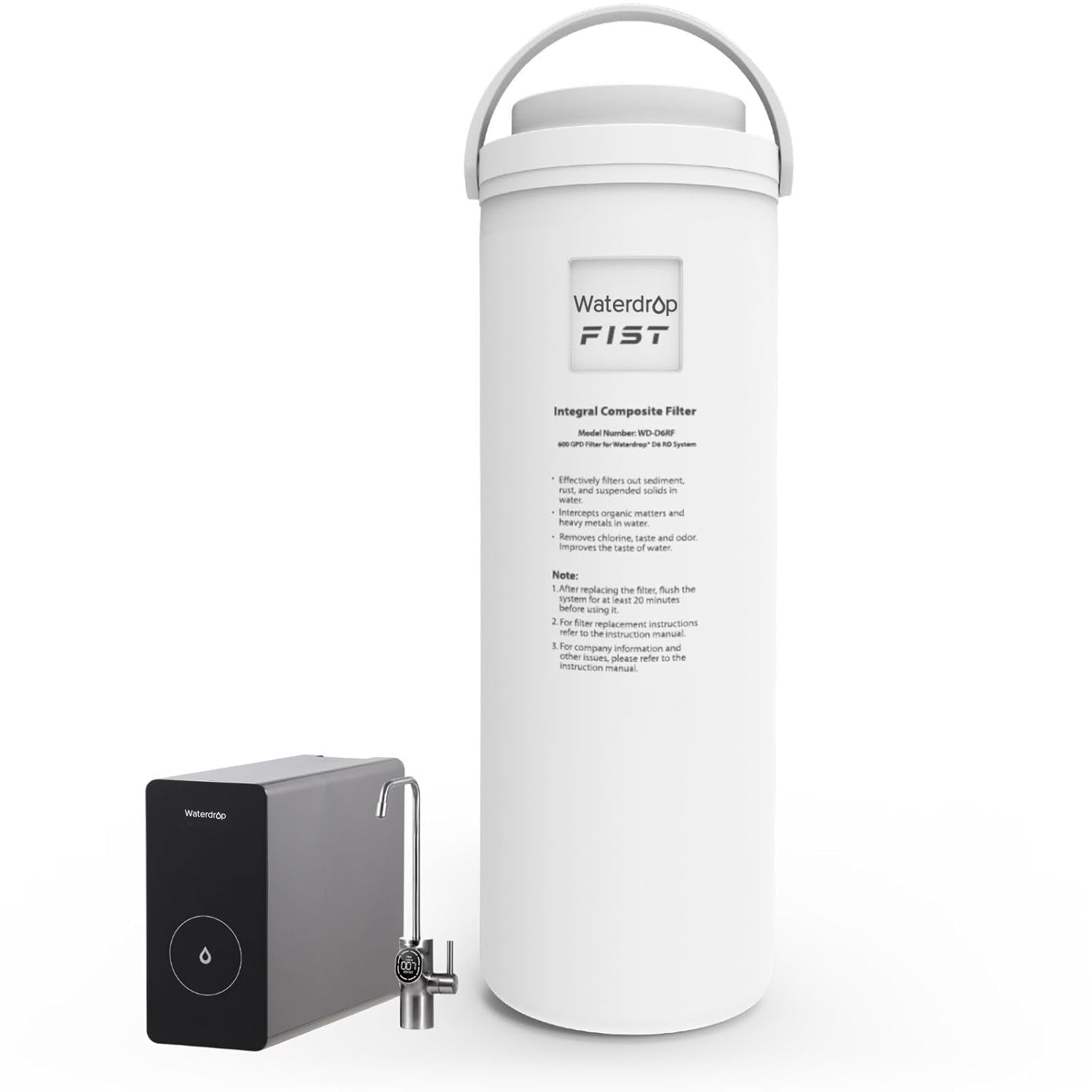
Understand Waterdrop systems and common failures
Waterdrop makes a range of water filtration products: countertop pitchers, under-sink RO systems, inline filters, and smart dispensers. Each system has a filter set, valves, sensors, and sometimes electronic controls. Knowing the parts helps you follow the Waterdrop Troubleshooting Manual and isolate problems quickly.

Key components to know
- Filters: sediment, carbon, RO membrane.
- Valves and tubing: connectors, check valves, shut-off valves.
- Electronics: LEDs, flow sensors, controller boards in smart models.
- Reservoir and faucet: tanks, faucets, and pressure switches.
Common issues and causes
I find the same handful of issues show up often. This section lists symptoms, likely causes, and quick checks you can do at home. Use this as the first step of your Waterdrop Troubleshooting Manual.

Common problems and likely reasons
- Low or no water flow
- Clogged filter, closed valve, airlock, incorrect tank pressure.
- Poor taste or odor
- Expired filter, contaminated tank, or ineffective carbon stage.
- Leaks
- Loose fittings, cracked tubing, bad O-rings, or over-pressurized tank.
- Noise or grinding
- Air in system, failing pump (in electric models), or loose parts.
- Error lights or codes
- Sensor fault, PCB issue, or maintenance reminder not reset.
Step-by-step troubleshooting manual
This is the core Waterdrop Troubleshooting Manual. Follow steps in order. Stop and test after each step. Keep tools handy: wrench, bucket, flashlight, replacement O-rings, and a towel.

Initial checks (quick wins)
- Check power and lights
- Confirm power plug is secure and any switches are on.
- Inspect visible tubing and fittings
- Tighten loose push-fit connectors by pressing and twisting.
- Verify water supply
- Ensure feed valve is fully open and municipal water pressure is adequate.
Filter and flow troubleshooting
- Replace or inspect filters
- Old filters restrict flow and affect taste. Swap filters per schedule.
- Check for airlocks
- Open a faucet or discharge line to purge trapped air for a minute.
- Confirm tank pressure (RO systems)
- Use a pressure gauge. Empty tank, then measure. Target pressure is usually 6–8 psi empty.
Leak detection and repair
- Dry the system and run a visual check
- Use paper towel around fittings to spot fresh moisture.
- Tighten or replace fittings
- For push-fit leaks, pull tubing out, inspect O-rings, cut 1/4 inch, and reseat.
- Replace damaged tubing
- Cracks or kinks need replacement to prevent recurring leaks.
Taste, odor, and water quality fixes
- Flush new filters
- Run water through new filters for the recommended time.
- Sanitizing the system
- Follow manufacturer steps to sanitize tank and lines with appropriate solution.
- Test with TDS meter
- A TDS reading helps confirm membrane or filter performance.
Electronic errors and resets
- Power cycle the unit
- Unplug for 30 seconds, then plug in and check.
- Check error codes
- Consult the manual for specific codes and follow reset procedures.
- Sensor cleaning
- Gently clean flow or conductivity sensors with a soft cloth.
When a step resolves the issue
- Note what you did and the result
- This helps if problems recur and is useful when talking to support.
Maintenance and preventive care
Routine care prevents most problems the Waterdrop Troubleshooting Manual covers. I recommend a simple schedule to extend filter life and avoid downtime.
Routine schedule
- Every month
- Inspect tubing and visible fittings.
- Every 6–12 months
- Replace carbon and sediment filters as recommended.
- Every 12–24 months
- Replace RO membrane per usage and TDS readings.
- As needed
- Sanitize tank annually or after long idle periods.
Practical care tips
- Keep spare O-rings and small tubing on hand.
- Label filter change dates with a sticker.
- Use a TDS meter periodically to monitor performance.
Advanced diagnostics and repairs
For stubborn problems, the Waterdrop Troubleshooting Manual includes deeper checks. These steps assume comfort with tools and basic plumbing.
Advanced checks
- Pressure switch and pump tests
- Use a multimeter to check continuity and voltage on pumps or switches.
- PCB and sensor diagnostics
- Look for burnt components or corrosion on the controller board.
- Flow restriction tracing
- Isolate sections of tubing and test flow to pinpoint chokepoints.
When to replace parts
- Replace pumps if noisy and underperforming despite correct voltage.
- Replace membranes when TDS rises sharply after proper flushing.
- Replace electronic modules only if diagnostics show failure and parts match model numbers.
Personal note: I once chased a faint leak for weeks. It turned out to be a slightly cut tube hidden behind the unit. A quick tubing swap stopped the leak. Small parts often cause big headaches.
When to contact official support or a technician
Some issues need trained help. The Waterdrop Troubleshooting Manual guides you to recognize when to escalate.
Call support or a pro if
- You see electrical burning smells or smoke.
- PCBs show visible damage or sensors fail after basic cleaning.
- Leaks persist after replacing tubing and fittings.
- You lack tools or confidence for advanced diagnostics.
What to provide to support
- Model and serial number.
- Photo of the setup and affected parts.
- Steps you already tried from the Waterdrop Troubleshooting Manual.
Frequently Asked Questions of Waterdrop Troubleshooting Manual
What is the first thing to check if my Waterdrop system has no water flow?
Check the feed water valve and power first, then inspect filters for clogs. If an RO tank is empty, confirm tank pressure and purge airlocks.
How often should I replace Waterdrop filters?
Replace sediment and carbon filters every 6–12 months and RO membranes every 12–24 months, depending on usage and water quality. Use a TDS meter to confirm performance.
Why does my Waterdrop faucet leak even after tightening fittings?
Leaks often come from damaged tubing or worn O-rings; cut back tubing and reseat or replace O-rings to fix persistent leaks. Also check for cracked fittings.
Can I sanitize my Waterdrop system myself?
Yes. Follow the manufacturer’s sanitizing instructions using safe cleaning agents and flush thoroughly afterward. If unsure, contact support or a technician.
What does a high TDS reading mean after installing a new filter?
High TDS after new installation may mean the membrane is defective or flushing was insufficient; repeat flushing and re-test. If readings remain high, replace the membrane.
Conclusion
This Waterdrop Troubleshooting Manual gives a clear path from simple checks to advanced fixes. Use the steps in order, keep a maintenance routine, and don’t hesitate to escalate when needed. Try these tips on your unit, track what works, and leave a comment about your results or questions—you may help the next person troubleshoot faster.

