

Most Roper dryer issues can be fixed by checking power, vents, and common parts like thermostats.
I have repaired dozens of home dryers and written guides for appliance repair shops. This article dives deep into Roper Dryer Troubleshooting. You will learn how Roper dryers work, common causes of failure, step-by-step diagnostics, and when to call a pro. I explain clear tests, safe fixes, and parts to check so you can solve most problems confidently.

How Roper Dryers Work
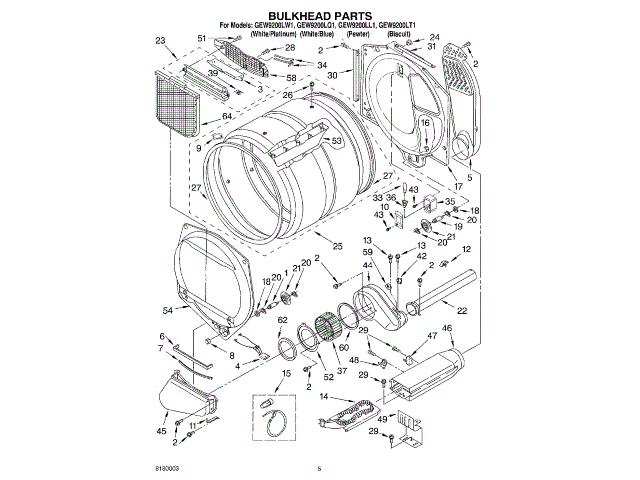
A basic Roper dryer uses a motor, drum, heating system, and a vent path. Heat and tumbling remove moisture from clothes. A thermostat and timer control temperature and cycles. Modern Roper models add sensors and safety cutoffs. Knowing these parts makes Roper Dryer Troubleshooting far easier.
- Drum spins to move clothes and expose wet areas.
- Heating element or gas burner adds heat.
- Blower and vent remove moist air.
- Thermostats and thermal fuses protect against overheating.
Common Problems and Causes
Roper Dryer Troubleshooting starts with spotting the symptom. Below are the most common issues and likely causes.
- Dryer not heating
- Faulty heating element, bad thermostat, or tripped thermal fuse.
- Dryer not tumbling
- Broken belt, failed motor, or lid switch problem.
- Long drying times
- Blocked vent, lint build-up, or weak heating.
- Loud noises
- Worn drum rollers, bearings, or foreign objects in drum.
- Burning smells or overheating
- Lint in vent, failing motor, or electrical short.
- Dryer won’t start at all
- Power supply, door switch, or user control failure.
Each symptom points to a small set of parts to test during Roper Dryer Troubleshooting. Start with safety and simple checks before replacing parts.

Not Heating — Quick Checks
- Confirm dryer is set to a heat cycle.
- Check household breaker and outlet for power.
- Inspect lint filter and vent for blockages.
- Test thermal fuse and heating element for continuity.
Not Tumbling — Quick Checks
- Open the door and try a manual spin. If stiff, check belt.
- Listen for motor hum or clicking. Motor issues need testing.
- Verify the door switch and start switch function.
Step-by-Step Troubleshooting Guide
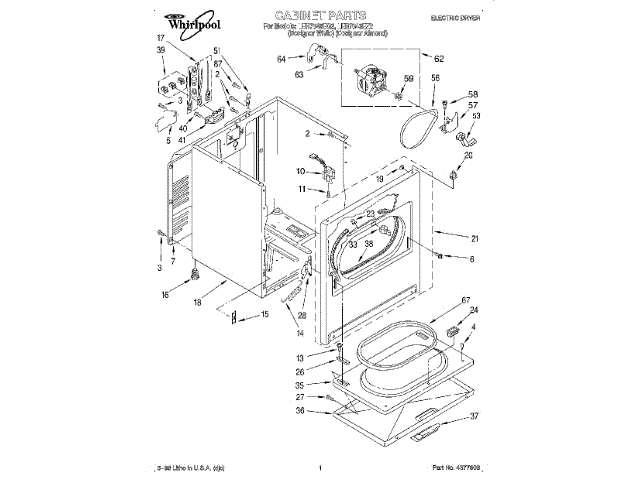
Follow these safe steps for Roper Dryer Troubleshooting. Work with the dryer unplugged when opening panels. Use a multimeter for electrical tests.
- Safety first
- Unplug the dryer or turn off the breaker.
- Wear gloves and eye protection.
- Check power and settings
- Ensure the outlet works by testing another device.
- Confirm cycle and temperature settings.
- Inspect lint and vent
- Clean lint trap and vacuum lint from the opening.
- Disconnect the vent and run a short cycle to check airflow.
- Test common parts with a multimeter
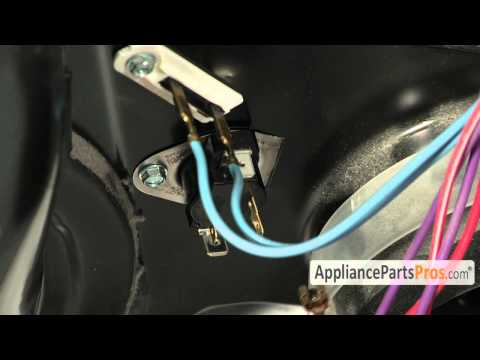
- Thermal fuse: continuity should be present for a good fuse.
- Heating element: check for continuity and no short to ground.
- Door switch: should open/close when pressed.
- Check the belt and drum movement
- Remove the front or top panel to view the belt.
- Replace a frayed or broken belt.
- Listen and look for noise sources
– Spin the drum by hand and feel for rough spots.- Replace rollers or idler pulleys if worn.
- Reassemble and test
- Run a short test cycle and monitor heat and tumbling.
These steps resolve many Roper Dryer Troubleshooting cases. Replace parts only when tests show failure.

When to Call a Professional
Sometimes Roper Dryer Troubleshooting requires a trained technician. Call a pro if:
- You smell burning or see smoke.
- Electrical components like wiring or control boards are involved.
- Motor replacement or gas valve repair is needed.
- You lack tools for safe testing, such as a multimeter.
A qualified technician prevents costly mistakes and ensures safety, especially with gas dryers or complex electronics.

Maintenance Tips to Prevent Problems
Regular care reduces the need for Roper Dryer Troubleshooting. Simple habits extend dryer life.
- Clean the lint trap after every load.
- Inspect and clean the vent system twice a year.
- Leave the door open between uses to reduce moisture.
- Move the dryer occasionally and vacuum behind it to clear lint.
- Service the dryer annually if you use it heavily.
Good maintenance keeps drying times short and lowers fire risk.

Parts and Replacements — What to Expect
When you do Roper Dryer Troubleshooting, you may need replacement parts. Common parts and tips:
- Thermal fuse: inexpensive and often fixes no-heat problems.
- Heating element: easy to replace but check thermostats too.
- Drum belt: low cost and a common fix for no-tumble issues.
- Drum rollers and bearings: last longer but wear eventually.
- Motor: pricier, consider repair vs. replacement of the whole unit.
Always buy OEM or high-quality aftermarket parts. Keep model and serial numbers handy for the right parts.
Personal Experience and Lessons Learned
From years fixing home dryers, most Roper Dryer Troubleshooting calls were vent-related. I once spent hours chasing a faulty control board, only to find a nearly sealed vent. A simple vent cleaning solved the problem and taught me to always check the basics first.
Lessons I learned:
- Start with power and vent checks before opening the dryer.
- Keep replacement parts and basic tools on hand.
- Document steps and photos during disassembly.
- If a fix is unclear after testing, stop and call a pro to avoid damage.
These practical tips save time and money during Roper Dryer Troubleshooting.
Frequently Asked Questions of Roper Dryer Troubleshooting
Why is my Roper dryer not heating but the drum spins?
This usually means the heating element or thermal fuse has failed. Check the lint trap and vent first, then test heating components with a multimeter.
How do I test the thermal fuse on a Roper dryer?
Unplug the dryer, access the fuse, and use a multimeter to check continuity. No continuity means the thermal fuse is blown and needs replacement.
Can clogged vents cause a dryer to overheat?
Yes. A clogged vent restricts airflow and can cause the dryer to run hot or trip safety devices. Clean the vent to restore safe airflow.
Is it worth repairing an old Roper dryer?
If the repair cost is less than half the price of a new dryer and the drum and cabinet are in good shape, repair is often worth it. Consider energy efficiency when deciding.
Why does my Roper dryer make loud noises during the spin?
Worn drum rollers, bearings, or a misaligned belt usually cause loud noises. Inspect these parts and replace any that show wear.
My dryer shows no lights or response. What should I check first?
Verify the outlet and circuit breaker first. Then test the door switch and start switch for continuity. Power issues are a common cause.
Conclusion
Roper Dryer Troubleshooting is manageable with the right steps. Start with safety, check power and vents, and use simple tests to isolate parts. Clean vents and lint regularly to prevent most issues. If you face complex electrical faults, seek a professional to stay safe.
Take action today: clean your dryer vent, test a suspect part, or note your model number so you can order the right part. Share your repair story below or subscribe for more hands-on appliance guides.
