

Bryant Plus 80 furnace troubleshooting usually starts with checking the power, thermostat, and error LED codes.
I have worked on many furnaces and spent years helping homeowners fix common heat problems. This guide on Bryant Plus 80 Furnace Troubleshooting walks you through clear steps, real examples, and safe tips. You will learn how to read LED signals, test key parts, do simple repairs, and know when to call a pro. Read on for practical, trustworthy advice that saves time and money.

36% off Today’s Exclusive Deals
Limited-time Exclusive Deals. Check current discount on Amazon.
Check Price on Amazon As an Amazon Associate I earn from qualifying purchases.
Overview: What the Bryant Plus 80 is and why troubleshooting matters
The Bryant Plus 80 is a mid-efficiency gas furnace used in many homes. It uses a gas valve, inducer motor, blower, flame sensor, and control board. Small faults can stop heat or cause safety lockouts. Fast, safe troubleshooting restores warmth and prevents bigger repairs.
I have repaired multiple Bryant Plus 80 units. I learned to spot simple fixes fast. My tips come from hands-on work and official guidance. This article blends field know-how and clear steps.

Common problems and causes with Bryant Plus 80 Furnace Troubleshooting
Most issues fall into neat categories. Use this list to narrow the cause.
- No heat but blower runs. Often a gas valve or ignition failure. Check error LED codes first.
- Furnace won’t turn on at all. Could be power, fuse, or thermostat issue.
- Intermittent heating. Often a dirty flame sensor or failing ignitor.
- Loud or unusual noises. Could be a failing blower motor or loose panel.
- Short cycling. Often overheating from dirty filters or blocked vents.
I once fixed a Plus 80 with no heat by cleaning a corroded flame sensor. It was a 20-minute fix. Small checks save time and money.

Step-by-step Bryant Plus 80 Furnace Troubleshooting guide
Follow these steps in order. Work safely. Turn off power before touching components.
- Check power and switches
- Verify the furnace switch is on and the circuit breaker is not tripped.
- Check the 24V fuse on the control board. Replace if blown.
- Inspect the thermostat
- Set thermostat to heat and raise temperature 5 degrees above room temp.
- Replace thermostat batteries or swap with a known good one if unsure.
- Read the LED status
- Note steady or flashing LEDs on the control board. Record the pattern.
- Use the LED pattern to focus your next checks.
- Check air filter and vents
- Replace a dirty filter. Clear blocked vents and returns.
- Restricted airflow can cause short cycling and flame loss.
- Observe the ignition sequence
- Watch the inducer start, then the ignitor or pilot light, then flame.
- If the ignitor glows but no flame, check gas valve and incoming gas supply.
- Test the flame sensor
- Remove and clean the flame sensor with fine emery cloth.
- Reinstall and test. A dirty sensor often causes shutdowns.
- Check inducer and pressure switch
- Ensure inducer motor runs and the pressure switch closes.
- Replace or test the pressure switch if it fails to make contact.
- Inspect the ignitor
- Look for cracks in a hot surface ignitor or continuity loss on an ignitor.
- Replace the ignitor if damaged or open.
- Verify blower operation
- Run the fan on manual setting. Listen for bearings or wobble.
- Lubricate if applicable or plan for motor replacement.
I keep a small toolkit and replacement flame sensors on hand. That saves many service calls.

Diagnostic codes and LED signals on the Bryant Plus 80
The control board uses LED flashes to show faults. Count flashes and pauses. This points to the bad component.
- One flash may mean a limit switch or rollout. Check limits and vents.
- Two or three flashes often relate to pressure switch or flame sense.
- Rapid continuous flashes can indicate a lockout from failed ignition.
- No flashes often mean no power to the board or a dead transformer.
When you log the code, match it to the furnace manual or service guide. This narrows the test list fast. If the LED pattern resets after a power cycle, the fault may be intermittent.
Parts and components to check during Bryant Plus 80 Furnace Troubleshooting
Here are the parts most often at fault. Know their role and basic tests.
- Transformer
- Supplies 24V to the thermostat and controls. Check with a multimeter.
- 24V fuse
- Small blade fuse on the control board. Replace with same rating.
- Ignitor or pilot assembly
- Test for glow or continuity. Replace when cracked.
- Flame sensor
- Clean or replace. A faulty sensor often causes shutoff after ignition.
- Gas valve
- Controls gas flow. Watch for clicks and test for voltage at the valve.
- Inducer motor and pressure switch
- Ensure proper draft and switch closure.
- Limit switch and rollout switches
- These are safety parts. Replace if open during normal operation.
- Blower motor and capacitor
- Check for operation and capacitor bulge or failure.
Keep records of parts replaced and dates. This helps track patterns and avoid repeat failures.
Maintenance tips to prevent future issues with Bryant Plus 80 Furnace Troubleshooting
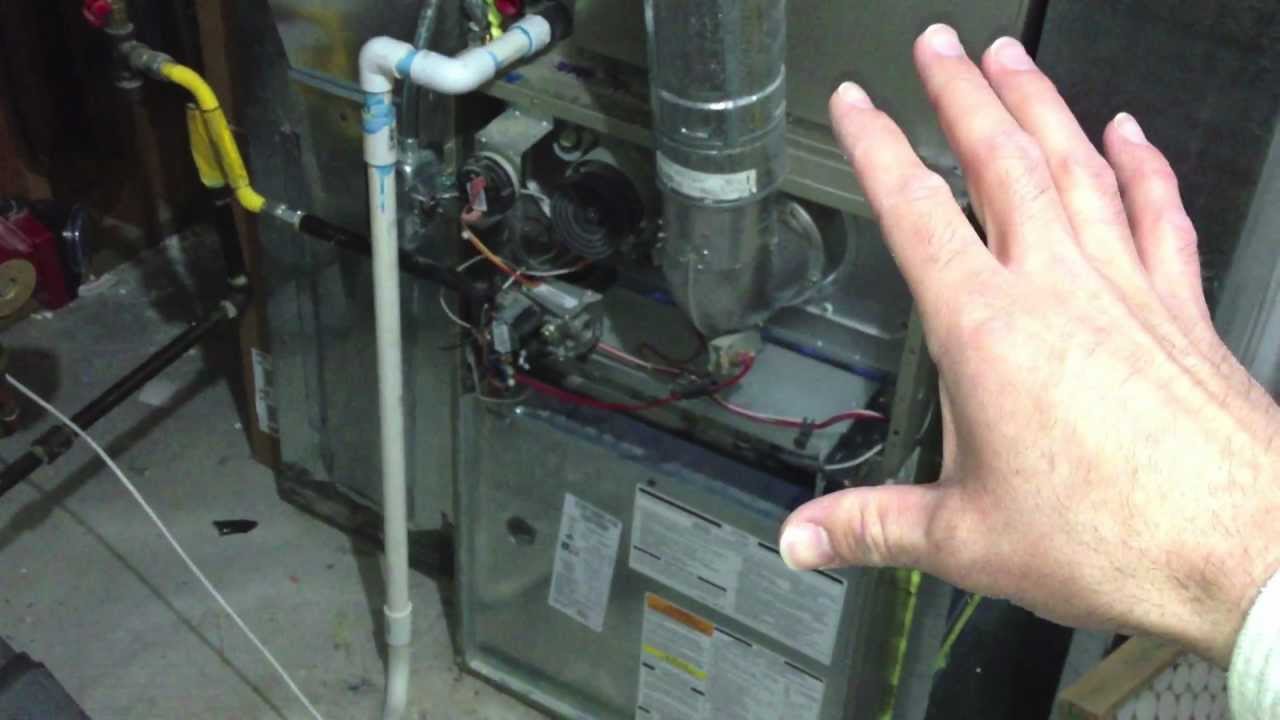
Regular care reduces breakdowns. Do these tasks at least once a year.
- Replace the air filter every 1 to 3 months.
- Clean the flame sensor annually.
- Keep the area around the furnace clear for airflow.
- Schedule professional tune-ups before winter.
- Inspect vents and chimney for blockages or bird nests.
I recommend a spring check and a fall tune-up. This habit cut emergency calls in my home service work.
When to call a professional for Bryant Plus 80 Furnace Troubleshooting
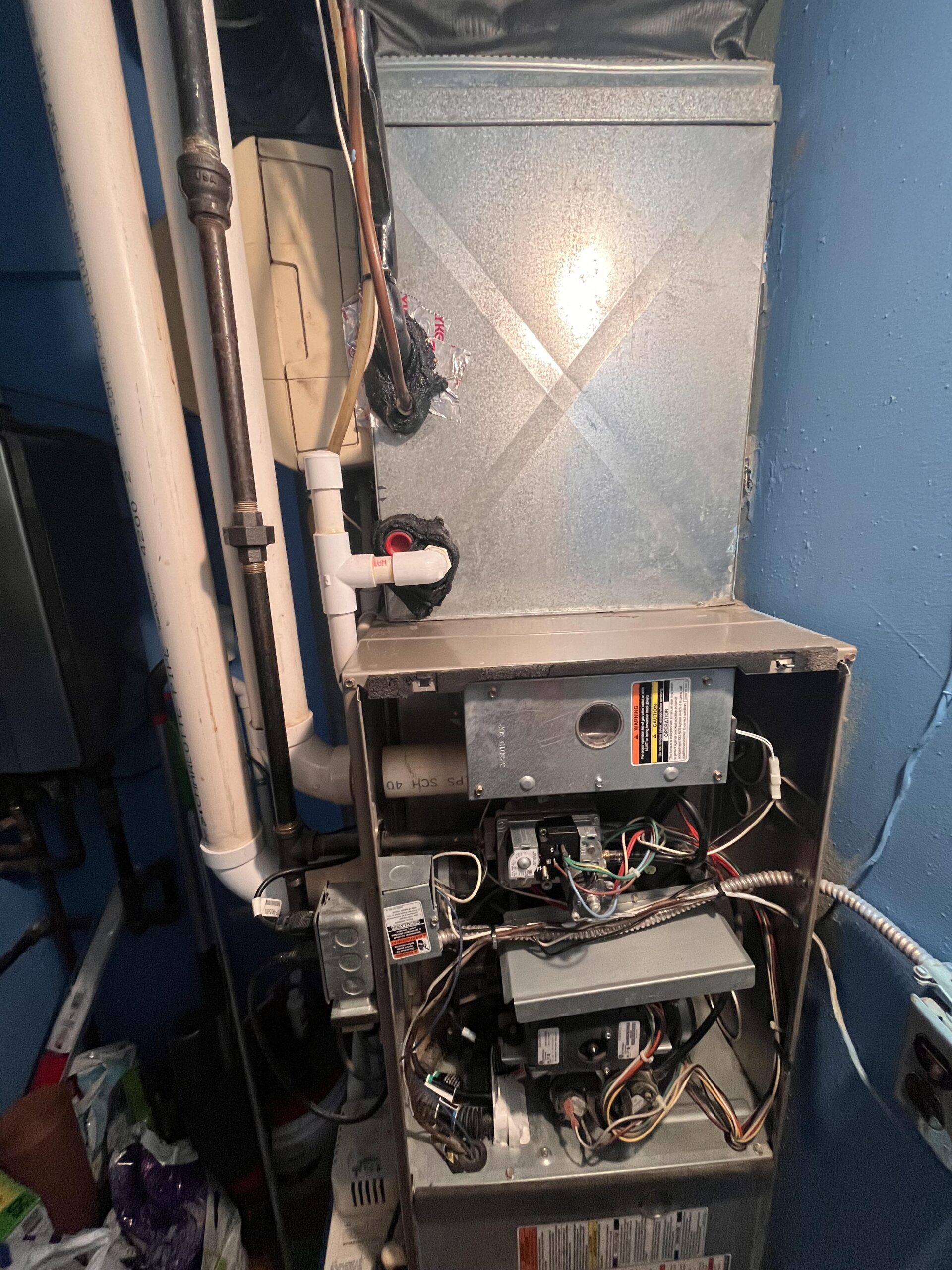
Some problems need a licensed tech. Call a pro if you find these signs.
- Gas smell near the furnace. Evacuate and call the gas company.
- Repeated lockouts with no clear cause.
- Error codes pointing to gas valve or control board failure.
- You lack tools or comfort working with gas and live voltages.
- Complex parts replacement like the control board or gas valve.
Safety first. A certified technician has the tools and training to fix gas and electrical issues.

Frequently Asked Questions of Bryant Plus 80 Furnace Troubleshooting
Why does my Bryant Plus 80 not heat at all?
Check power, thermostat, and the 24V fuse first. If power is present, read the control board LED codes to focus on ignition or gas issues.
What does a single flashing LED mean on my unit?
A single flash often points to a limit or rollout switch issue. Inspect vents, filters, and safety switches for blockage or faults.
How do I clean the flame sensor on a Bryant Plus 80?
Turn off power, remove the flame sensor, and gently clean it with fine emery paper. Reinstall and test; cleaning usually fixes flame failure issues.
How often should I replace the air filter for this furnace?
Change the filter every 1 to 3 months depending on use and pets. Clean filters keep airflow steady and prevent short cycling.
Can I replace the ignitor myself?
Yes if you are comfortable with basic electrical work and have the right replacement. Always shut off power and follow the furnace manual or hire a pro if unsure.
What causes short cycling on a Bryant Plus 80?
Short cycling often comes from poor airflow, a dirty filter, or overheating due to blocked return vents. Clean filters and vents and retest the furnace.
Conclusion
Bryant Plus 80 Furnace Troubleshooting is a mix of quick checks and targeted tests. Start with power and thermostat, read LEDs, and inspect simple parts like the flame sensor. Do regular maintenance to prevent many common failures. When in doubt, choose safety and call a licensed technician.
Take action today: try the basic checks listed, schedule a tune-up, or leave a comment about your specific issue. Your home will thank you with steady, safe heat.

