

Most electric furnace problems stem from power, thermostat, or airflow issues.
I’ve spent years diagnosing and fixing home heating systems, so this Electric Furnace Troubleshooting guide will walk you through clear steps to find and fix common faults. You’ll get easy checks, safety tips, and real-life lessons to save time and avoid costly repairs. Read on to learn practical Electric Furnace Troubleshooting methods you can use today.

36% off Today’s Exclusive Deals
Limited-time Exclusive Deals. Check current discount on Amazon.
Check Price on Amazon As an Amazon Associate I earn from qualifying purchases.
Common symptoms and what they mean
When you start Electric Furnace Troubleshooting, look for clear signs.
Most problems show up as no heat, weak heat, frequent cycling, strange noises, or high electric bills.
Each symptom points to parts like the thermostat, limit switch, blower, or power supply.
Symptoms to spot quickly:
- No heat at all: The unit won’t run or starts and stops.
- Cold spots or weak heat: Air is warm near vents but not hot.
- Short cycling: Furnace turns on and off often.
- Strange sounds: Buzzing, humming, rattles, or grinding.
- High electric bills: Unit runs too long or inefficiently.
Recognizing these signs speeds up Electric Furnace Troubleshooting and avoids guesswork.
I once fixed a house where the blower ran but no heat reached rooms. A clogged filter and closed vents were the real culprits. That simple fix stopped a needless part replacement.
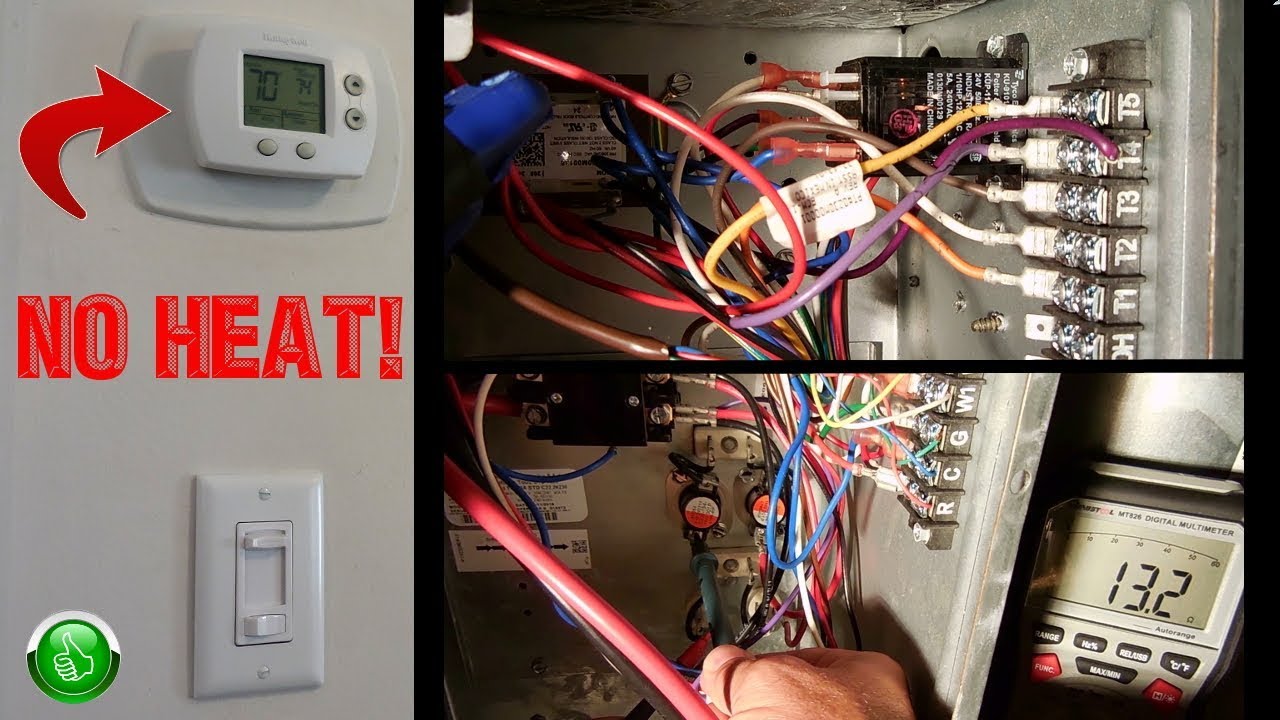
Step-by-step Electric Furnace Troubleshooting guide
Follow these steps in order. Each step narrows the problem and keeps you safe.
Before you start, turn off power at the furnace switch and the breaker. Use your senses: sight, smell, and sound.
Step 1 — Check power and switches:
- Confirm the thermostat has fresh batteries or is powered.
- Check the furnace switch and circuit breaker for tripped positions.
- Look for a blown fuse at the furnace or panel.
Step 2 — Inspect the thermostat:
- Verify settings are correct and set to heat.
- Bypass the thermostat to see if the furnace runs when jumpered.
- Replace thermostat if it fails to communicate or misreads temperature.
Step 3 — Test the blower and motor:
- Listen for humming or no sound when the fan should run.
- Check the blower capacitor and motor wiring for burn marks.
- Clean blower blades and replace worn belts if present.
Step 4 — Look at the heating elements:
- Electric furnaces use heating coils. A broken coil gives no heat.
- Use a multimeter to test coil continuity and resistance.
- Replace failed elements in matched groups as specified by the manufacturer.
Step 5 — Examine safety switches and controls:
- Check limit switches that prevent overheating.
- Inspect door interlock and roll-out switches for faults.
- Test contactors and relays for pitting or failure.
Step 6 — Airflow and ductwork:
- Replace clogged filters and open supply vents.
- Inspect return ducts for blockages or closed dampers.
- Poor airflow can cause short cycling and uneven heat.
Step 7 — Final checks:
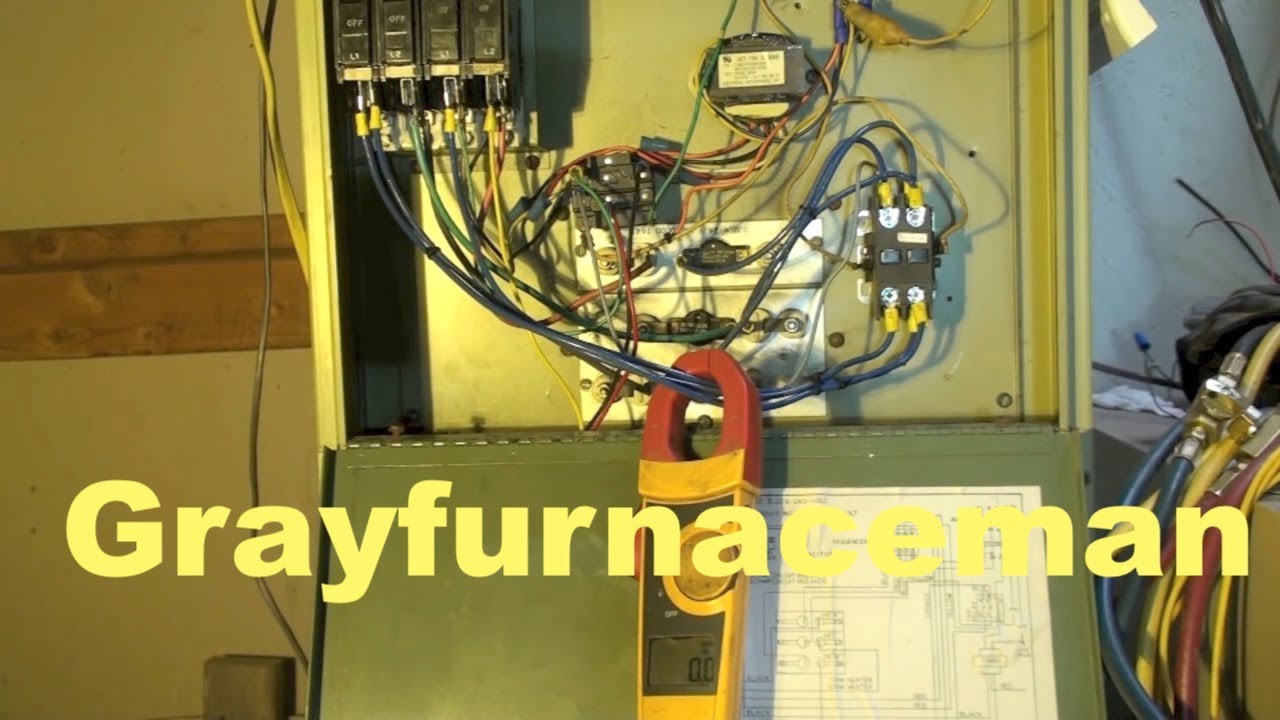
- Verify voltage at the furnace during startup.
- Listen for abnormal noise during operation.
- Monitor run cycles and thermostat performance over a few hours.
These steps form a reliable Electric Furnace Troubleshooting routine. If you reach a step involving live voltage and you are not confident, call a licensed technician. I’ve learned to avoid live-voltage work unless I have the right PPE and experience.
Tools, safety, and what to avoid
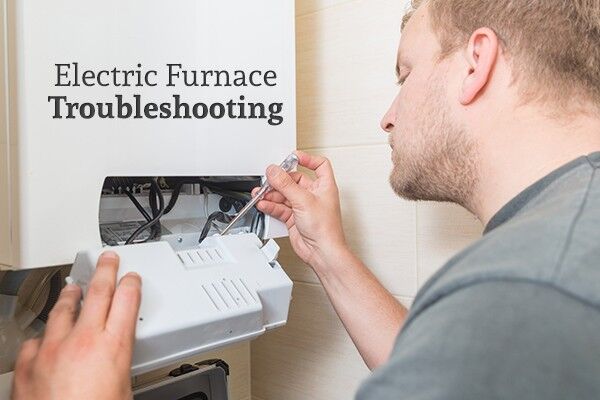
Use basic tools and keep safety first. Working on an electric furnace involves high voltage.
Never touch live terminals without proper training and safety gear.
Essential tools:
- Multimeter for voltage and continuity checks.
- Screwdrivers, nut drivers, and pliers for access and adjustments.
- Flashlight and mirror for tight spaces.
- Replacement filters, contact cleaner, and a soft brush.
Safety tips:
- Shut off power at the breaker and furnace switch.
- Use insulated tools and wear gloves and eye protection.
- Test for voltage before touching wiring.
- If unsure, stop and call a professional.
Common mistakes to avoid:
- Replacing parts without proper diagnosis.
- Ignoring airflow problems while blaming elements.
- Skipping manufacturer wiring diagrams during installations.
I once tried to fix a furnace without cutting power. A small mistake taught me to always lock out and tag out the breaker. That lesson kept me safe thereafter.

Common parts that fail and how to test them
Knowing part behavior helps in Electric Furnace Troubleshooting. Tests are simple and clear.
Heating elements:
- Symptom: No heat or partial heat.
- Test: Use a multimeter for continuity. Replace matching elements as needed.
Blower motor and capacitor:
- Symptom: No airflow or weak airflow.
- Test: Check motor windings for continuity and capacitor microfarads. Replace bad parts.
Limit switch and safety controls:
- Symptom: Short cycling or no start.
- Test: Inspect switch contacts and test continuity when cold. Replace if open when it should be closed.
Contactors, relays, and fuses:
- Symptom: Intermittent power or no power to elements.
- Test: Look for pitted contacts and test coil voltage. Replace worn contactors.
Thermostat and wiring:
- Symptom: Thermostat calls but furnace does not run.
- Test: Bypass thermostat to check furnace response. Repair or replace thermostat wiring as needed.
Understanding these parts makes Electric Furnace Troubleshooting faster. When I replaced a bad capacitor in one unit, the blower regained full speed and the heating evened out. Small parts often cause big symptoms.

Maintenance tips to prevent future problems
Routine care reduces repairs and saves money. Simple tasks take minutes and prevent failures.
Monthly and seasonal checklist:
- Check and change air filters every 1–3 months.
- Vacuum around the furnace and clear debris.
- Inspect ducts and vents for blockages or damage.
- Schedule an annual tune-up with a licensed pro.
Best practices:
- Keep the thermostat on a steady schedule to avoid wide swings.
- Seal duct leaks and insulate where needed to improve efficiency.
- Track cycle times and power use; sudden changes suggest an issue.
Benefits of regular maintenance:
- Longer furnace life and fewer emergency calls.
- Better energy use and lower bills.
- More consistent and comfortable indoor heat.
I care for my systems before winter. A quick prep saved one household from a freeze and a costly emergency service call. Preventative care is worth the time.
PAA-style questions (People Also Ask)
Why is my electric furnace not turning on?
Check power at the breaker, the furnace switch, and the thermostat. If power is present but the unit does not respond, test the contactor, fuses, and control board.
What causes an electric furnace to short cycle?
Short cycling often comes from poor airflow, a dirty filter, or a stuck limit switch. Fix airflow and replace faulty safety switches to stop short cycles.
How do I test heating elements in an electric furnace?
Turn off power, remove access panels, and use a multimeter to check element continuity. Replace elements with matching resistance values if they show open circuits.

Troubleshooting scenarios and real fixes
Here are common scenarios with clear fixes you can try.
Scenario 1 — Furnace runs but no heat:
- Likely causes: open heating elements, bad contactor, or lost power to elements.
- Fix: Test elements and contactors, restore voltage to elements, replace faulty parts.
Scenario 2 — Furnace hums but won’t start:
- Likely causes: bad capacitor, seized motor, or failed relay.
- Fix: Test capacitor and motor; replace capacitor if under spec.
Scenario 3 — Uneven heating or cold rooms:
- Likely causes: closed vents, blocked ducts, or weak blower.
- Fix: Balance vents, clear ducts, and check blower performance.
Scenario 4 — Furnace runs constantly and bills spike:
- Likely causes: thermostat set too low for long run times, poor insulation, or short cycling.
- Fix: Adjust thermostat, improve insulation, and diagnose limit switches.
These scenarios reflect my on-the-job experience. I once found a living room cold because a contractor had closed two return vents during a remodel. The fix was simple and cheap.

When to call a professional
Some issues are safe for DIY checks. Others need a pro.
Call a technician if:
- You detect burning smells or smoke.
- Tests require live-voltage work you can’t safely do.
- Complex control board or wiring failures occur.
- The unit needs part replacements tied to code requirements.
A licensed pro brings tools, parts, and permits if needed. Trust your judgment; safety and code compliance matter.
Frequently Asked Questions of Electric Furnace Troubleshooting
What is the first thing to check when my electric furnace won't start?
Begin with power: check the circuit breaker, furnace switch, and thermostat batteries. Ensure the thermostat is set correctly and calling for heat.
How often should I change the filter on my electric furnace?
Change or check filters every 1–3 months depending on use and filter type. A clean filter improves airflow and reduces many common problems.
Can I replace heating elements myself?
You can replace elements if you have the right parts and follow safety steps, but power must be off and wiring diagrams followed. If unsure, hire a licensed technician.
Why does my electric furnace make a buzzing sound?
Buzzing can mean a failing contactor, loose panels, or a motor issue. Inspect contactors and mounting hardware, and test components for wear.
Is it normal for an electric furnace to raise my electric bill?
Yes, electric furnaces use significant electricity compared to gas units. Poor maintenance or inefficient operation will make bills higher, so regular checks help control costs.
How long do electric furnace elements last?
Elements can last many years if the system runs properly and airflow is good. Frequent on/off cycles and overheating shorten element life.
Conclusion
Electric Furnace Troubleshooting is a skill you can learn with simple checks and safe steps. Use this guide to find causes, test parts, and fix many common issues yourself. Start with power, thermostat, and airflow checks, then move to motors and heating elements. If a problem needs live-voltage work or complex repairs, call a licensed technician. Take one action today: check your filter and thermostat to prevent most common faults. Leave a comment with your issue or subscribe to get more troubleshooting guides and tips.

