

Most furnace fan issues are fixable with simple checks and targeted repairs.
I’ve diagnosed and fixed hundreds of furnace fans over the years, so I wrote this clear, practical guide to Furnace Fan Troubleshooting. Read on to learn how furnace fans work, how to spot problems quickly, step-by-step tests you can do safely, and when to call a pro. This article blends hands-on experience with technical clarity so you can solve common fan problems faster and with confidence.

36% off Today’s Exclusive Deals
Limited-time Exclusive Deals. Check current discount on Amazon.
Check Price on Amazon As an Amazon Associate I earn from qualifying purchases.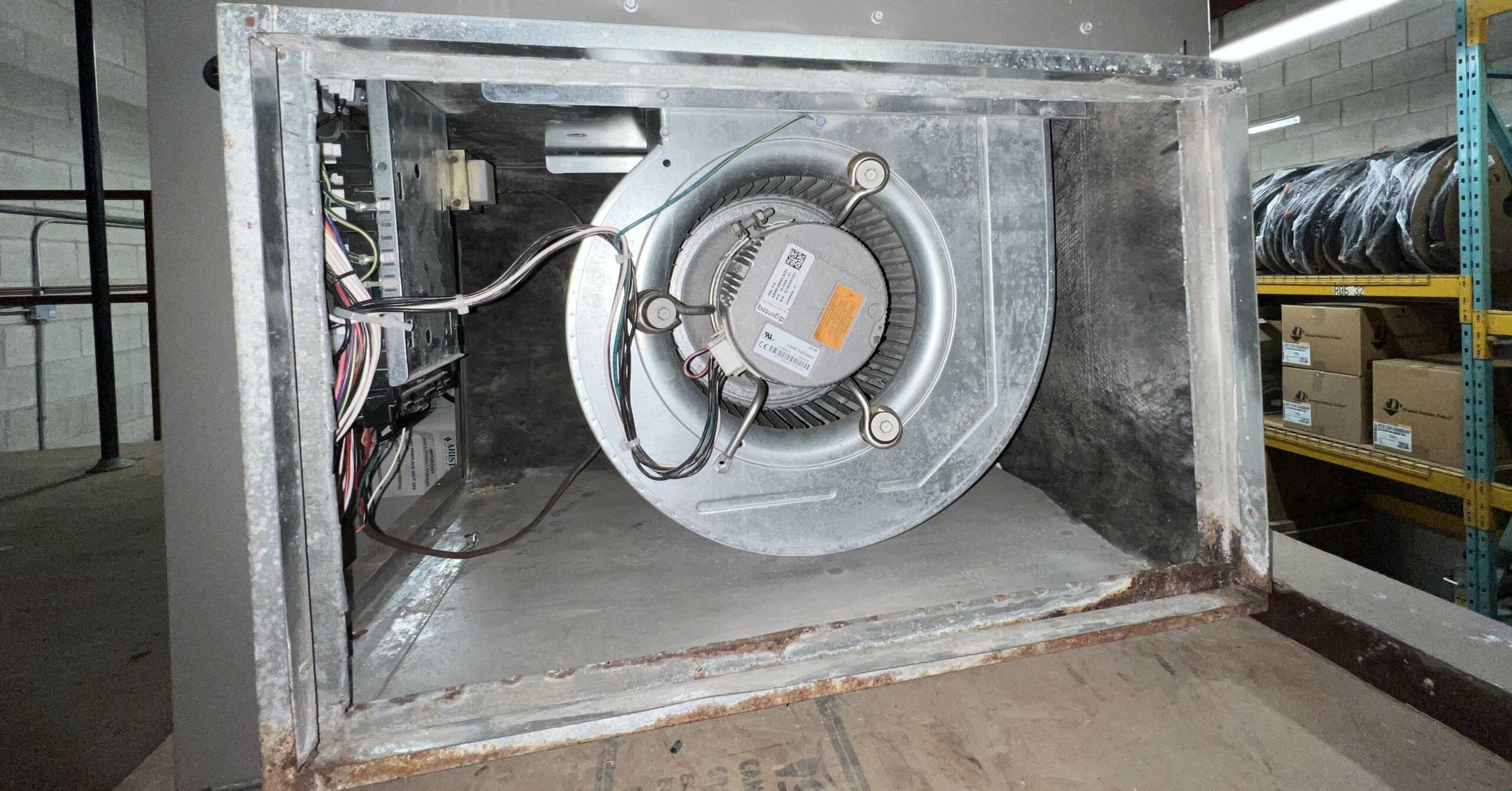
How furnace fans work
A furnace fan moves warm air from the heat exchanger into your ducts. The fan uses a blower assembly driven by either a direct-drive motor or a belt-drive system. Modern systems often use variable-speed or ECM motors that change airflow with demand.
Key components to know for Furnace Fan Troubleshooting:
- Motor: spins the blower wheel and can be single-speed, multi-speed, or variable-speed.
- Blower wheel: moves air; buildup can reduce airflow.
- Capacitor: gives a power boost during startup.
- Control board/relay: signals the fan to start and stop.
- Thermostat and limit switch: tell the system when to run the fan.
Understanding these parts helps you target tests and fixes faster. I’ll reference these components throughout the guide so you know what to look for.

Common symptoms of a failing fan
Symptoms usually point to one or more faulty parts. Spotting the symptom helps with efficient Furnace Fan Troubleshooting.
- Fan won’t run when furnace calls for heat. This often indicates power, control, or motor failure.
- Fan runs but airflow is weak. Dirty blower wheel, clogged filter, or failing motor are common causes.
- Fan runs non-stop. Faulty thermostat, fan limit switch, or control board may be to blame.
- Loud grinding or squealing noises. Bearings, belt wear, or debris in the blower wheel are likely.
- Intermittent operation. Loose wiring, bad relay, or failing capacitor can cause this behavior.
Symptoms guide targeted inspections and reduce guesswork during troubleshooting.

Tools and safety before troubleshooting
Before starting Furnace Fan Troubleshooting, gather basic tools and follow safety steps.
Tools to have:
- Multimeter for voltage and continuity checks.
- Screwdrivers and nut drivers.
- Flashlight and inspection mirror.
- Needle-nose pliers and wire strippers.
- Small vacuum or soft brush to clean dust.
Safety first:
- Turn power off at the furnace switch or breaker before opening panels.
- Wear safety glasses and gloves.
- Note thermostat settings and wiring before disconnecting anything.
- If you see burnt wires, smell burning, or are unsure, stop and call a licensed technician.
These precautions keep you safe and protect the equipment while you perform Furnace Fan Troubleshooting.

Step-by-step furnace fan troubleshooting
Follow a clear order to isolate the problem quickly. I recommend doing checks in this sequence.
- Confirm the problem
- Set thermostat to call for heat and watch the fan. Note whether the fan starts, runs, stops, or hums.
- Check power and switches
- Verify the furnace power switch is on and the breaker hasn’t tripped. Test for 120V or 240V at the motor if you have a multimeter.
- Inspect the furnace filter
- Replace a dirty filter. Restricted airflow often mimics motor or blower failure.
- Listen and look
- Remove the access panel and listen for motor hum, grinding, or clicking. Look for debris on the blower wheel.
- Test the capacitor
- A weak capacitor can cause a motor to hum but not start. Discharge it safely and test with a meter or replace with a known good unit.
- Check belts and pulleys (if belt drive)
- Look for cracks, glazing, or slack. Replace the belt if worn.
- Test motor windings and continuity
- Use a multimeter to check motor windings for continuity or shorts. Compare readings to the motor label when possible.
- Inspect control board and relays
- Look for burned components, loose connectors, or failed relay contacts. Some boards show diagnostic LEDs—note any error codes.
- Test thermostat and limit switches
- Verify thermostat fan settings and jumper the fan terminal at the furnace to isolate the thermostat. Test high-limit switches for continuity.
From my experience, starting with filter and power checks resolves many issues. Detailed electrical tests follow only if basic fixes don’t work.

Diagnosing specific issues and fixes
This section ties symptoms to likely causes and practical fixes during Furnace Fan Troubleshooting.
Fan won’t start
- Causes: tripped breaker, blown fuse, bad capacitor, open motor windings, failed relay.
- Fixes: reset breaker, test capacitor and replace if weak, test motor for continuity, replace relay or control board if faulty.
Fan runs but airflow is weak
- Causes: dirty filter, clogged blower wheel, collapsed ducts, failing motor speed.
- Fixes: replace filter, clean blower wheel, inspect ducts, test motor speeds or replace motor if output is low.
Fan runs constantly
- Causes: thermostat fan set to ON, stuck relay, faulty fan limit switch, shorted thermostat wire.
- Fixes: set thermostat to AUTO, test relay and limit switch, inspect thermostat wiring.
Noisy fan (grinding, squeal, rattle)
- Causes: worn bearings, loose mounting, debris in wheel, misaligned belt.
- Fixes: lubricate if motor allows, tighten mounting fasteners, clean wheel, replace bearings or motor as needed.
Intermittent operation
- Causes: loose wire, failing capacitor, overheating motor, bad control board.
- Fixes: tighten and secure wiring, test capacitor, check motor temperature and replace if overheating, inspect control board.
When troubleshooting, document each test and result. That helps if you later consult a technician or need replacement parts.

Repair vs replace: deciding what to do
Deciding whether to repair or replace a component depends on age, cost, and reliability. Use this rule of thumb during Furnace Fan Troubleshooting.
- Replace capacitor: low cost and quick; always try this first if motor hums at startup.
- Repair wiring or relays: often affordable and restores function.
- Replace motor: consider if motor is more than 8–10 years old, has burned windings, or repeatedly fails.
- Replace whole blower assembly: if the wheel is cracked or severely corroded, replacement is wiser.
Cost considerations (approximate ranges):
- Capacitor: low cost, typically under $50.
- Motor: ranges widely, $150–$600 depending on type and labor.
- Blower assembly: can cost several hundred dollars installed.
I’ve replaced motors that then lasted a decade, so invest where it improves reliability and efficiency. Be transparent about estimates and limits if you hire help.

Preventive maintenance and best practices
Regular maintenance reduces emergency Furnace Fan Troubleshooting and keeps systems efficient.
Simple routines to follow:
- Change or clean filters every 1–3 months.
- Vacuum the blower compartment annually.
- Inspect belts and pulleys yearly and replace if worn.
- Lubricate motors if the manufacturer specifies oil ports.
- Schedule professional tune-ups annually for safety and efficiency.
Preventive care saves money and extends motor life. In my experience, regular filter changes solve more than half of routine fan troubles.

Troubleshooting checklist
Use this quick checklist for fast Furnace Fan Troubleshooting.
- Verify thermostat settings and call for heat.
- Check furnace power switch and circuit breaker.
- Replace or inspect the air filter.
- Listen for motor hum or unusual noises.
- Inspect blower wheel for dust and debris.
- Test or replace the start/run capacitor.
- Check motor windings and continuity with a multimeter.
- Inspect relays, control board, and limit switches.
- Check belts, pulleys, and motor mounts.
- Call a licensed technician for high-voltage, complex electrical, or gas-related issues.
Keep the checklist near your furnace for quick reference.
Frequently Asked Questions of Furnace Fan Troubleshooting
What should I check first if my furnace fan won’t start?
Start with power: check the furnace switch, breaker, and thermostat settings. Replace the air filter and listen for motor hum before deeper electrical checks.
Can a bad capacitor cause the fan to run slowly or not start?
Yes. A weak or failed capacitor often causes the motor to hum, run slowly, or fail to start. Replacing the capacitor is a common, low-cost fix.
Is it safe to run the furnace if the fan is noisy?
No. Loud grinding or squealing can indicate failing bearings or damaged components. Turn off the furnace and schedule repairs to prevent further damage.
How often should I clean the blower wheel?
Inspect and clean the blower wheel at least once a year, and more often if you have pets or dusty conditions. A clean wheel maintains proper airflow and reduces motor strain.
When should I call a professional for furnace fan problems?
Call a licensed HVAC technician for electrical testing, motor replacement, control board issues, or if you’re uncomfortable with the steps. Professional help avoids safety risks and incorrect repairs.
Conclusion
Furnace Fan Troubleshooting becomes straightforward when you follow a clear process: confirm the symptom, check power and filters, listen and inspect, test capacitors and motors, then decide repair or replace. Regular maintenance prevents many issues and saves money over time. Put the checklist into practice, try the basic safe tests first, and call a pro when problems involve high voltage or gas connections. If this guide helped, try the steps, share your results, or leave a comment — and subscribe for more practical HVAC tips.

