

Frigidaire Furnace Troubleshooting often resolves ignition, blower, thermostat, and filter issues fast.
I have spent years diagnosing home heating systems. I will walk you through Frigidaire Furnace Troubleshooting with clear steps. This guide blends hands-on tips, common causes, and safe fixes. Read on to learn how to spot problems, test parts, and decide when to call a pro.

36% off Today’s Exclusive Deals
Limited-time Exclusive Deals. Check current discount on Amazon.
Check Price on Amazon As an Amazon Associate I earn from qualifying purchases.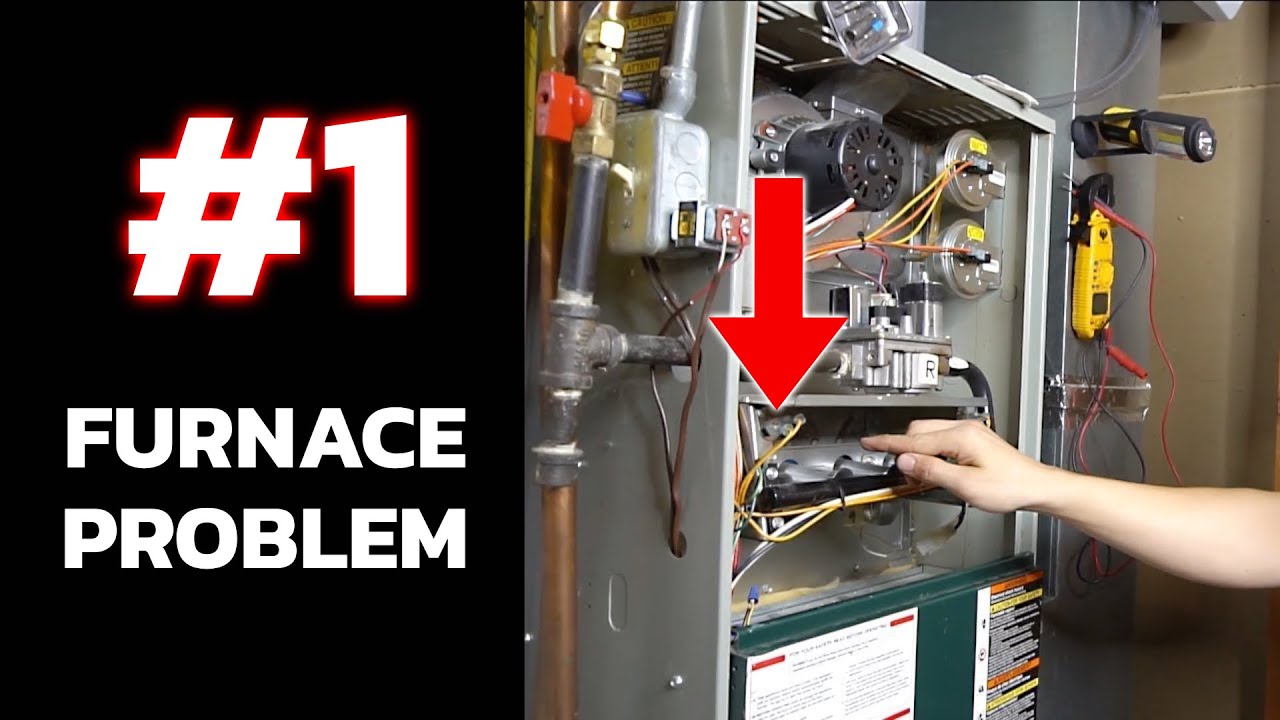
Common Frigidaire Furnace Problems and Causes
Frigidaire Furnace Troubleshooting begins with knowing common faults. Many issues show clear signs. A unit that will not start often has a power, thermostat, or ignition fault. Strange noises usually come from the blower, motor bearings, or loose panels.
Common problems and likely causes:
- No heat: thermostat set low, tripped breaker, gas supply off, or failed ignition.
- Short cycling: dirty filter, blocked vent, or overheating limit switch.
- Weak airflow: clogged filter, failing blower motor, or blocked duct.
- Loud bangs or rattles: delayed ignition, loose panels, or failing burners.
- Pilot or ignition failure: dirty pilot assembly or faulty ignitor.
- High energy bills: poor efficiency, dirty parts, or failing controls.
Knowing the likely cause helps focus Frigidaire Furnace Troubleshooting. I will show simple tests you can do safely. Small fixes often save time and money.
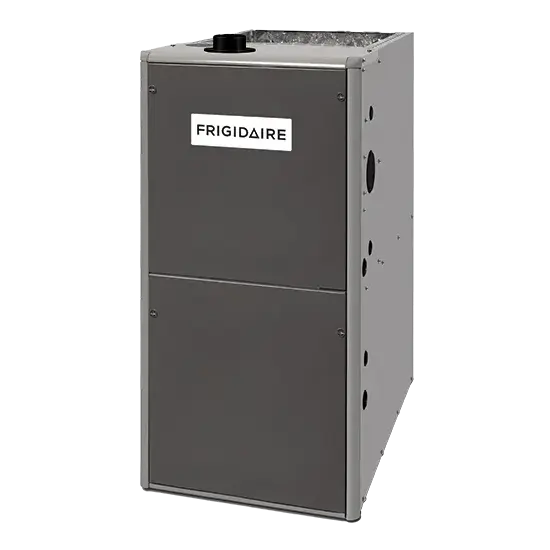
Step-by-Step Frigidaire Furnace Troubleshooting Guide
Always put safety first. Turn off power and gas before opening panels. Use a screwdriver, multimeter, and flashlight. Wear gloves and eye protection.
Step 1: Check power and thermostat
- Confirm thermostat is on and set above room temperature.
- Check furnace switch and circuit breaker. Reset if tripped.
- Replace thermostat batteries and test again.
Step 2: Inspect the air filter
- Locate and remove the filter.
- If it is dirty, replace it. A clogged filter causes many issues.
- Run the furnace after replacing the filter and listen for change.
Step 3: Test the blower and fan
- Turn the thermostat to fan-on mode.
- If no air moves, check blower access panel and wiring.
- Use a multimeter to test motor power. Replace motor if it fails to get voltage or stalls.
Step 4: Check ignition and flame
- Listen for the ignition sequence. You should hear a click and see flame quickly.
- If no flame, inspect ignitor or pilot assembly for dirt or cracks.
- Clean gently with a soft brush. Replace a cracked ignitor.
Step 5: Inspect the flame sensor
- A dirty flame sensor often causes shutdown after ignition.
- Remove and gently clean with fine sandpaper or emery cloth.
- Reinstall and test for stable flame.
Step 6: Look for error codes
- Many Frigidaire furnaces flash an LED code on the control board.
- Count flashes and note pause patterns.
- Use the service manual to interpret codes.
Step 7: Reset and test
- Turn power off for 30 seconds, then restore it.
- Set thermostat and observe a full cycle.
- If problems persist, document symptoms for a technician.
These steps cover most home fixes. Keep notes of what you tried. That speeds up professional help if needed.
How to Read Error Codes and Indicator Lights
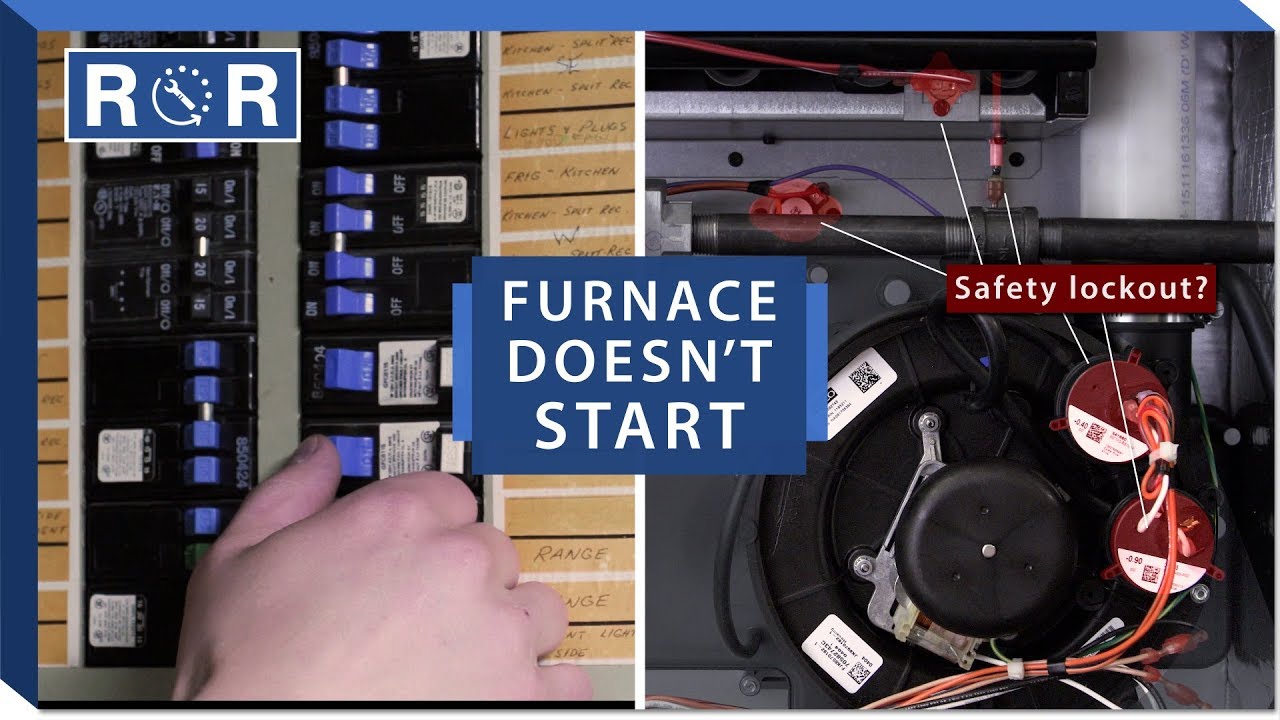
Error lights give fast clues. Frigidaire models use a blinking LED or display. Blink patterns map to specific faults. Count flashes and record timing.
Typical patterns and meanings:
- 1 flash: pressure switch issue or blocked vent.
- 2 flashes: limit switch open or overheating.
- 3 flashes: ignition failure or flame loss.
- 4+ flashes: blower or control board fault.
When reading codes:
- Turn off power before checking the control board.
- Count blinks during steady operation and while trying to start.
- Note any combinations of steady versus blinking lights.
If codes point to gas valve or control board faults, stop and call a pro. Working on gas components without proper training is dangerous. Use codes to narrow down Frigidaire Furnace Troubleshooting and to brief a technician.
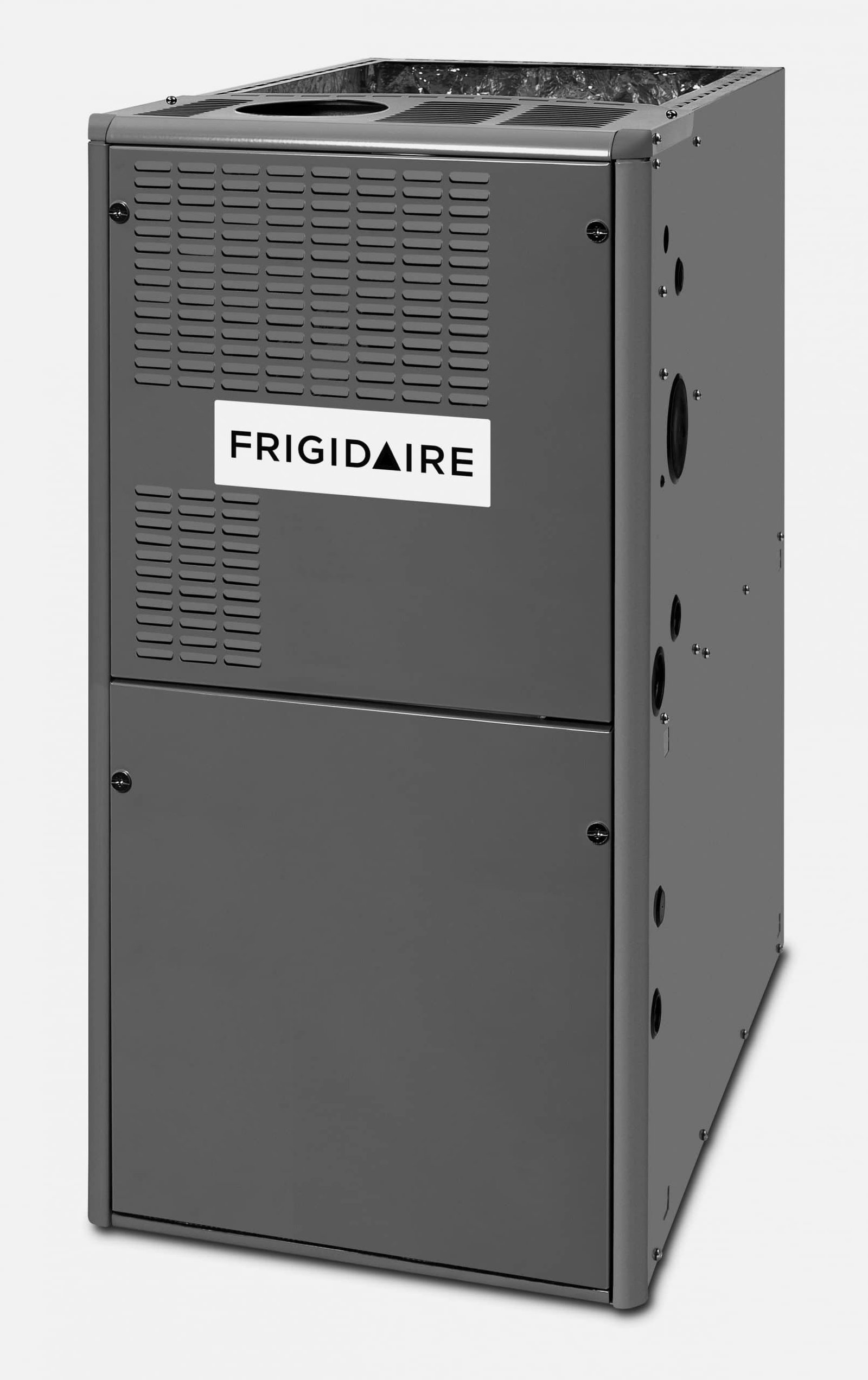
When to Call a Professional
Some fixes are DIY-friendly. Others need a trained technician. Call a pro when:
- You smell gas. Evacuate and call emergency services and your gas company.
- Error codes point to control board, gas valve, or pressure switch failure.
- Electrical testing shows inconsistent voltage or damaged wiring.
- You lack tools or are unsure about gas or combustion parts.
Warranty and safety matter. If your unit is under warranty, contact authorized service. A pro can run combustion tests, check heat exchangers, and confirm safe operation. Frigidaire Furnace Troubleshooting can stop at simple checks. For high-risk issues, avoid DIY.
Maintenance Tips to Prevent Future Issues
Routine care reduces service calls. A few simple habits go a long way.
Recommended maintenance:
- Replace the air filter every 1–3 months based on use.
- Keep vents and returns clear of furniture and debris.
- Schedule an annual tune-up before heating season.
- Inspect venting for gaps, rust, or obstructions.
- Install carbon monoxide detectors near sleeping areas.
I change filters every winter and schedule a pro visit each fall. I avoid delaying small fixes. Regular care makes Frigidaire Furnace Troubleshooting less common.

Troubleshooting Tools and Replacement Parts
A small kit helps most DIY work. Keep essentials on hand.
Useful tools:
- Multimeter for voltage and continuity checks.
- Nut drivers and screwdrivers for panels.
- Flashlight and mirror for tight spaces.
- Small wire brush and fine sandpaper for sensor cleaning.
- Replacement filters and thermostat batteries.
Common parts to have:
- Standard 1-inch or 4-inch air filters.
- Replacement flame sensor or ignitor for your model.
- Condensate trap or float switch for high-efficiency units.
- Roll of HVAC tape for sealing ducts.
Having tools and parts speeds up Frigidaire Furnace Troubleshooting. Store them in a safe, dry place near the furnace.
Personal Experiences and Common Mistakes
I have repaired many home furnaces. One common error is skipping simple checks. I once replaced a control board when the breaker had tripped. I felt foolish but learned to start with the basics.
Lessons and tips:
- Always check power and thermostat first.
- Clean the flame sensor before buying a replacement part.
- Replace filters before diagnosing airflow or heat issues.
- Document error codes and what you tried before calling a pro.
Be patient and methodical. Small tests save time. If you ever feel unsafe, stop and call an expert.
Frequently Asked Questions of Frigidaire Furnace Troubleshooting
Why won’t my Frigidaire furnace turn on?
Check power, the furnace switch, and the circuit breaker first. Confirm the thermostat settings and replace batteries if needed.
What does a blinking LED on my Frigidaire furnace mean?
Blink patterns map to specific errors like ignition failure or pressure switch faults. Count flashes and consult the service guide or technician.
How often should I change the air filter?
Change most filters every 1–3 months. High use, pets, or poor air quality mean more frequent changes.
Can I clean the flame sensor myself?
Yes. Turn off power, remove the sensor, and gently clean it with fine sandpaper. Reinstall and test for improved operation.
Is it safe to work on gas parts of the furnace?
No. Do not work on gas valves, burners, or heat exchangers unless you are certified. Call a licensed HVAC technician for gas work.
Conclusion
Frigidaire Furnace Troubleshooting is a mix of quick checks and careful diagnosis. Start with power, thermostat, and filters. Use error codes and basic tools to guide your fixes. When you hit gas, electrical, or control-board issues, call a pro. Take one small step today: check your filter and test a full heat cycle. Share your results, ask questions, or subscribe for more HVAC tips.

