

A clear, practical guide to Suburban Furnace Troubleshooting for safe, fast fixes and long-term care.
I’ve spent years servicing RV and home furnaces, and I know Suburban Furnace Troubleshooting inside and out. This guide walks you through common faults, step-by-step diagnostics, safety checks, and real-world tips I learned on service calls. Read on to fix small issues fast, avoid costly mistakes, and keep your Suburban furnace running reliably.

36% off Today’s Exclusive Deals
Limited-time Exclusive Deals. Check current discount on Amazon.
Check Price on Amazon As an Amazon Associate I earn from qualifying purchases.
What is Suburban Furnace Troubleshooting and why it matters
Suburban Furnace Troubleshooting is the process of finding and fixing problems in Suburban-brand furnaces. This includes checking power, fuel, ignition, blower, vents, and control signals.
A quick, correct diagnosis saves time, keeps you safe, and prevents bigger damage. I’ve repaired dozens of Suburban units and seen how a simple filter or loose wire can mimic serious failure. Knowing how to troubleshoot helps you decide when to DIY and when to call a pro.

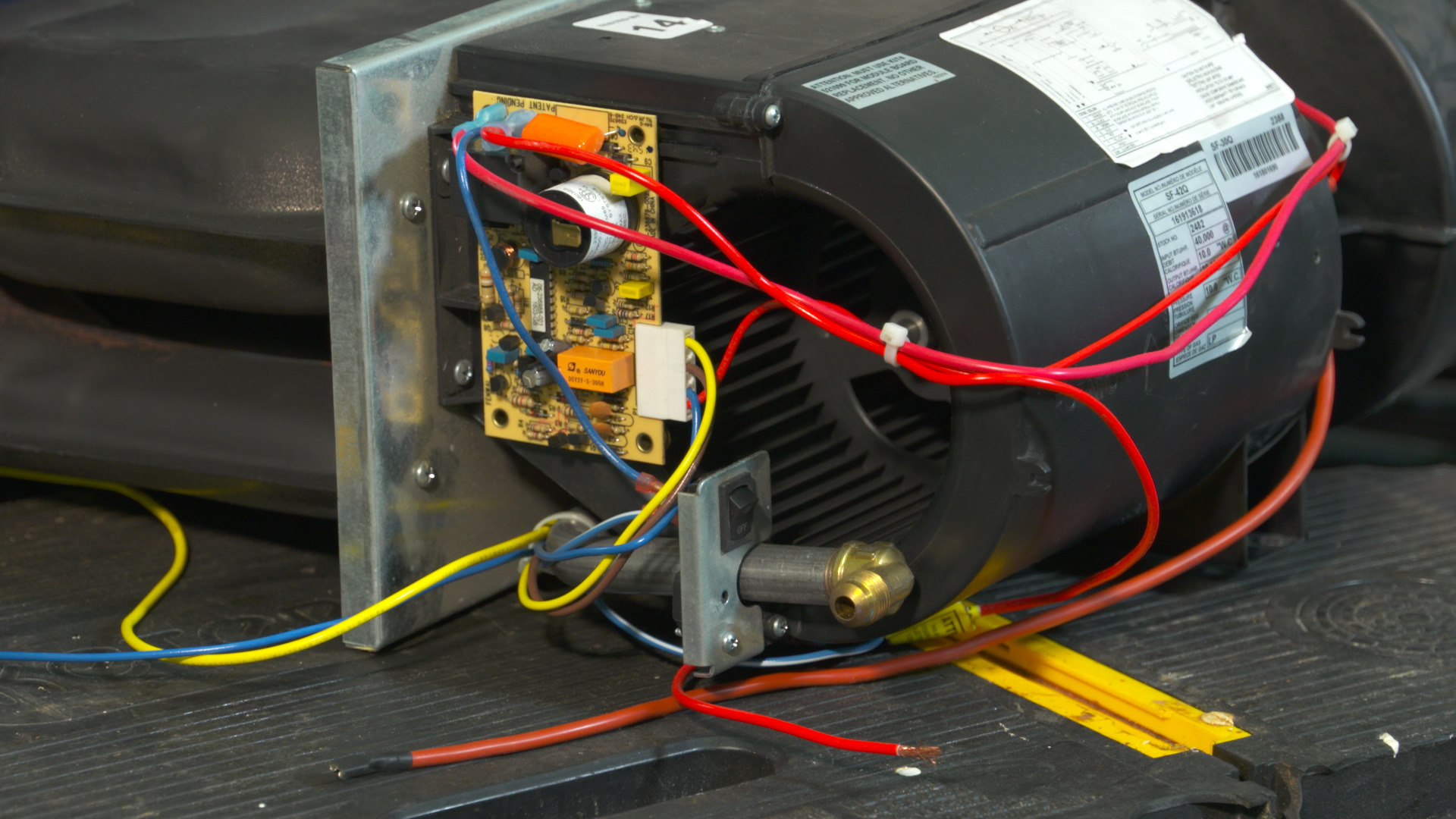
Common Suburban furnace components to know
Knowing parts makes troubleshooting faster. Here are the main parts and what they do:
- Control board: Receives thermostat call and runs the furnace.
- Thermostat: Sends the heat demand signal.
- Gas valve: Opens to feed propane or natural gas.
- Igniter or pilot: Lights the burner.
- Flame sensor or thermocouple: Confirms the flame is lit.
- Blower motor: Circulates warm air.
- Limit switch: Prevents overheating.
- Vents and flue: Carry exhaust outside.
Recognizing each part helps you narrow down faults during Suburban Furnace Troubleshooting.
Safety first: before any Suburban furnace troubleshooting
Always put safety first. Follow these steps before you touch anything:
- Turn off power: Flip the furnace breaker or disconnect switch.
- Turn off gas: Close the propane valve if you smell gas or will work on gas lines.
- Ventilate the area: Open doors and windows if there is a gas smell.
- Use simple tools: Flashlight, basic screwdriver set, and a multimeter for electrical checks.
- Avoid risky fixes: If you smell gas, see corrosion, or the wiring looks bad, call a licensed tech.
Safety reduces risk and protects the furnace during Suburban Furnace Troubleshooting.

Step-by-step Suburban furnace troubleshooting guide
Follow these ordered checks to find most faults quickly.
-
Verify the obvious
- Check thermostat settings. Ensure it’s set to heat and the temperature is higher than room temp.
- Replace thermostat batteries if present.
- Confirm the furnace power switch and breaker are on.
-
Check fuel supply
- Ensure propane tank has fuel and the main valve is open.
- For house gas, confirm the gas meter and supply are active.
-
Inspect filters and airflow
- Dirty filters restrict airflow. Replace or clean filters.
- Check vents and registers for blockages.
-
Listen and look during a cycle
- Does the blower run? Any strange noises? Do burners light?
- Note any blinking LEDs or error lights.
-
Ignition and flame checks
- For pilot systems, confirm pilot is lit and steady.
- For electronic igniters, listen for clicking and look for flame.
- If burner won’t light, test the igniter and gas valve.
-
Electrical checks
- Test fuses and the 120/12V supply with a multimeter.
- Inspect wiring for loose connections or corrosion.
-
Blower and motor checks
- Check the blower capacitor and motor for smooth run.
- Clean blower wheel and housing if dusty.
-
Control board and switches
- Look for burnt traces, loose connectors, or water damage.
- Test limit switches for continuity if the unit shuts down after short run.
-
Venting and exhaust
- Make sure flue and intake passages are clear.
- Blocked vents cause safety shutdowns and carbon monoxide risk.
-
Run a controlled test
- After repairs, run multiple cycles to confirm stability.
These steps cover most issues in Suburban Furnace Troubleshooting. Work methodically and document what you try.

Tools and measurements useful for Suburban furnace troubleshooting
Good tools speed diagnosis. Keep these on hand:
- Multimeter: Voltage, continuity, and resistance checks.
- Manometer or gas pressure gauge: Check gas pressure for professional checks.
- Small mirror and flashlight: Inspect hard-to-see parts.
- Nut drivers and screwdrivers: Open panels and access components.
- Soft brush and vacuum: Clean burners and blowers.
- Replacement parts: Filters, fuses, and a spare igniter if you do many repairs.
Using the right tool helps you avoid guesswork during Suburban Furnace Troubleshooting.

Diagnostic lights and codes — how to interpret them
Many Suburban models show LED blink patterns. Use these tips:
- Note the pattern: count flashes, and pause length.
- Consult your model manual for exact meanings. Codes vary by model.
- Common signals include ignition failure, limit trips, or flame-loss events.
- Record codes and behavior. A pattern helps pros diagnose faster.
If a code recurs after simple fixes, save time and call a trained tech. Accurate code reading is central to effective Suburban Furnace Troubleshooting.
Maintenance tips to prevent future problems
Routine care reduces breakdowns. Do these regularly:
- Replace or clean filters every 1–3 months.
- Inspect vents and flues twice a year.
- Clean blower wheel and motor annually.
- Check for rust and corrosion on gas fittings.
- Run the furnace before cold weather to catch issues early.
Regular maintenance lowers repair costs and improves safety in Suburban Furnace Troubleshooting.
When to call a professional
Call a licensed tech if you find any of these:
- You smell gas or suspect a leak.
- You see soot, corrosion, or burnt wiring.
- The furnace repeatedly fails or shows the same error code.
- You lack tools or confidence for gas and electrical work.
- The unit needs a gas pressure adjustment or control board replacement.
A pro brings safety tools and certification. Know your limits when doing Suburban Furnace Troubleshooting.
Common mistakes to avoid
Avoid these pitfalls I’ve seen in the field:
- Skipping safety checks and working with gas on.
- Replacing parts without testing the root cause.
- Ignoring venting or airflow issues and only swapping parts.
- Over-tightening gas fittings or using the wrong parts.
- Waiting too long to service the furnace before winter.
Avoiding these keeps repairs safe and effective during Suburban Furnace Troubleshooting.
Personal experience: what I learned on service calls
On one cold morning, a Suburban furnace kept cycling off. It looked like a gas valve failure at first. After checks, the real issue was a cracked flame sensor covered in soot. A quick clean solved it. That taught me to trust simple checks first. I also learned to always carry a spare filter, igniter, and a small multimeter. These small items save hours on the road.
Related concepts and next steps
Understanding related systems helps troubleshooting:
- Thermostat calibration influences furnace run cycles.
- House pressure and ventilation affect combustion.
- Carbon monoxide safety matters with any fuel-burning appliance.
Next steps: keep a maintenance log, save the model manual, and mark error codes for future reference. These small actions make Suburban Furnace Troubleshooting faster and safer.
Frequently Asked Questions of Suburban Furnace Troubleshooting
How do I reset my Suburban furnace?
Turn off power and gas for 30 seconds, then restore power. Some models have a reset button on the control board. If the fault returns, note the error and consult the manual.
Why won’t my Suburban furnace ignite?
Common reasons include no gas supply, a failed igniter or pilot, dirty burners, or a bad flame sensor. Follow the basic checks: power, fuel, and ignition sequence.
What do the blinking lights mean on a Suburban furnace?
Blink patterns are model-specific but typically indicate ignition failure, limit trips, or sensor errors. Check your furnace manual for the exact code meanings.
Can I clean the flame sensor myself?
Yes, gently clean the flame sensor with fine emery cloth or steel wool after turning off power and gas. Reinstall carefully and test. If unsure, call a pro.
How often should I service my Suburban furnace?
Service once a year before the heating season. Check filters monthly and clean or replace them as needed to avoid common faults.
My furnace smells like gas. What should I do?
Leave the area immediately, do not switch electrical devices on or off, and call your gas utility or emergency service. Do not try Suburban Furnace Troubleshooting until a professional declares it safe.
Conclusion
Suburban Furnace Troubleshooting begins with safety, simple checks, and methodical testing. Learn the parts, keep basic tools, and follow step-by-step diagnostics to fix most common issues yourself. When problems involve gas, wiring damage, or repeated error codes, call a licensed technician. Start by checking your filters, power, and fuel supply today, and keep a log of any error codes or repairs. If this guide helped, try the steps on your unit, subscribe for more HVAC tips, or leave a comment with your furnace issue.

