

Most Intertherm furnace issues are simple to diagnose with a basic checklist and a multimeter.
I have worked on many gas and electric furnaces, including Intertherm models, and I wrote this guide to help you solve common faults fast. This post on Intertherm Furnace Troubleshooting breaks down how these systems work, why they fail, step-by-step fixes, safety tips, and when to call a pro. Read on and you will gain clear, hands-on guidance that saves time and keeps your home warm.

36% off Today’s Exclusive Deals
Limited-time Exclusive Deals. Check current discount on Amazon.
Check Price on Amazon As an Amazon Associate I earn from qualifying purchases.
How Intertherm Furnaces Work
Intertherm furnaces use a gas valve, burner assembly, heat exchanger, blower motor, and control board to heat your home. A thermostat calls for heat and the control board sequences ignition, flame sensing, and air movement. Knowing this cycle makes Intertherm Furnace Troubleshooting much easier. If one part fails, the whole cycle can stop.
Common Problems and Causes
Here are the most common Intertherm Furnace Troubleshooting issues and what usually causes them.
- Furnace won't start
- Faulty thermostat, tripped switch, or no power at the furnace.
- Short cycling (turns on and off quickly)
- Dirty filter, blocked vent, or a failing limit switch.
- Weak or no heat
- Clogged burners, bad gas valve, or failing heat exchanger.
- Blower runs but no heat
- Ignition failure or pilot assembly problem on older units.
- Strange noises or odors
- Loose panels, worn blower motor, or dust burning off after long shutdown.
I often find a dirty filter or a tripped switch causes 60% of calls. For many homeowners, simple cleaning and checklist work solves the issue. This is why Intertherm Furnace Troubleshooting starts with easy checks.

Step-by-Step Troubleshooting Guide
Follow these steps for safe Intertherm Furnace Troubleshooting at home.
- Check power and thermostat
- Ensure the furnace switch is on. Replace thermostat batteries and set temperature above room temp.
- Inspect the air filter
- Replace or clean the filter. A clogged filter stops airflow and causes short cycling.
- Reset the furnace
- Turn power off for 30 seconds, then back on to clear simple control faults.
- Look at the status lights
- Count LED flashes on the control board and consult the manual for error codes.
- Check the pilot or ignition
- For older Intertherm units, relight the pilot per the manual. For electronic ignition, listen for the click and check flame sensor cleanliness.
- Test the blower motor
- If the blower runs slowly or not at all, check capacitor and motor connections.
- Check safety switches and vents
- Make sure the pressure switch tubing is clear and vents are not blocked.
Work methodically and document what you test. That makes later service calls faster and less costly. Intertherm Furnace Troubleshooting is about process as much as parts.

Tools and Safety Tips
Keep these tools and safety steps ready for Intertherm Furnace Troubleshooting.
- Tools to have
- Multimeter, flashlight, small mirror, nut drivers, and a shop vacuum.
- Safety steps
- Turn power and gas off before internal checks. Use a mask when cleaning dust. Never probe live gas components without training.
- When testing
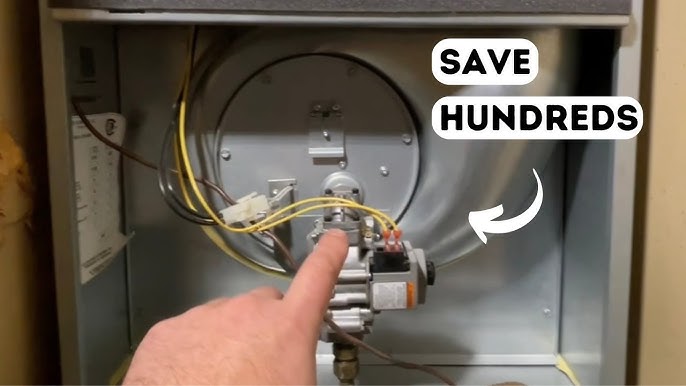
- Use a multimeter to check continuity and voltage. Only test live circuits if you know what you are doing.
I once tried to test a live gas valve without shutting off power. I stopped and called a pro. That saved money and risk. Respect safety rules during Intertherm Furnace Troubleshooting.
When to Call a Professional
Call a licensed HVAC technician if you see these signs.
- Gas smell or carbon monoxide alarm activation.
- Repeated lockouts after reset.
- Cracked heat exchanger or visible corrosion.
- Complex control board failures or wiring issues.
- You are uncomfortable working with gas or live electrical parts.
For safety and code reasons, repairs involving gas valves, heat exchangers, or major wiring should be left to pros. Good technicians will run diagnostics quickly and provide a clear repair estimate for your Intertherm Furnace Troubleshooting needs.
Maintenance Tips to Prevent Issues
Routine care reduces the need for Intertherm Furnace Troubleshooting.
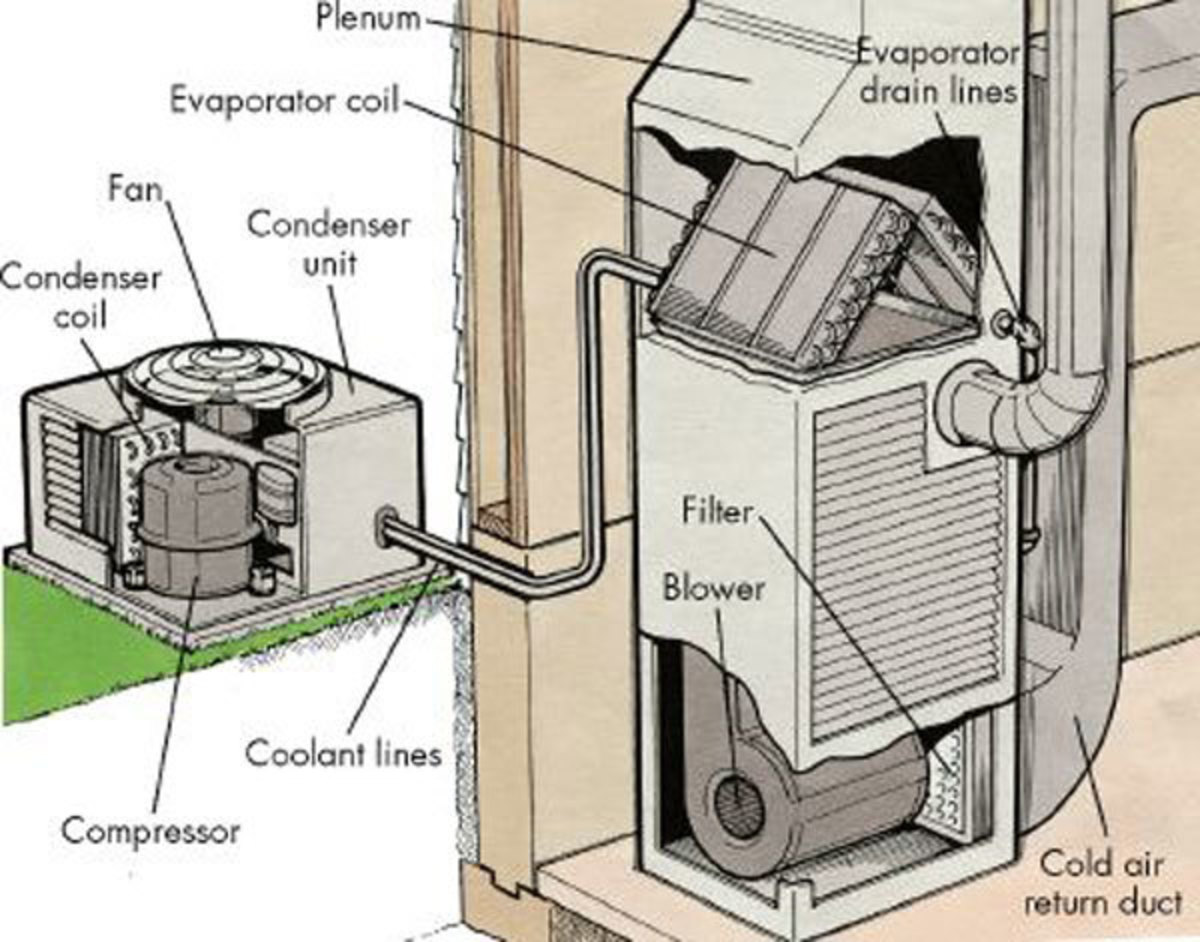
- Replace the air filter every 1 to 3 months.
- Keep the area around the furnace clean and clear.
- Schedule annual professional tune-ups before cold season.
- Clean burners and flame sensor once a year.
- Test carbon monoxide detectors monthly.
Regular maintenance cuts the most common failures. I learned this after a winter when skipped tune-ups led to an avoidable heat exchanger cleaning. Simple checks can save big repair bills.

People Also Ask
How do I read Intertherm furnace error codes?
Most Intertherm control boards flash an LED. Count the flashes and match them to the manual for that model to identify the fault quickly.
Why does my Intertherm furnace keep shutting off?
Short cycling often comes from a dirty filter, blocked vent, or failing limit switch; check airflow and status lights first.
Can I replace the flame sensor myself?
Yes, if you are comfortable turning off power and gas. Clean or replace the sensor per the manual and test for stable flame detection.

Frequently Asked Questions of Intertherm Furnace Troubleshooting
What is the first thing to check when my Intertherm furnace won’t start?
Check power to the furnace, the circuit breaker, and the thermostat settings. Replace thermostat batteries and verify the furnace switch is on.
How do I find the Intertherm error code on the furnace?
Look for a blinking LED on the control board. Count the flashes and consult your specific model's manual to decode the error.
Why is my Intertherm furnace blowing cold air?
Cold blow often means the blower runs but burners do not light. This can be due to ignition failure, gas supply issues, or flame sensor problems.
How often should I schedule service for an Intertherm furnace?
Annual inspections before heating season are recommended to clean parts and catch small issues before they grow.
Is a cracked heat exchanger dangerous?
Yes. A cracked heat exchanger can leak carbon monoxide. Turn off the furnace and call a qualified technician immediately.
Can I do Intertherm Furnace Troubleshooting if I am not handy?
You can perform basic checks like filters, breakers, and status lights. Leave gas and complex electrical work to professionals for safety.
How much does a typical repair cost for an Intertherm furnace?
Costs vary by region and part. Simple fixes like sensors or filters are low cost; major parts and heat exchanger replacement are more expensive.
Conclusion
You now have a clear, practical path for Intertherm Furnace Troubleshooting. Start with power, filters, and status lights, use safe tools, and document tests. When in doubt, call a licensed HVAC pro for gas or control board issues. Take action today: replace that old filter, note any flashing codes, and schedule a tune-up to avoid a cold night later. Share your experience or questions below and follow for more home comfort tips.

