

Most Beckett oil furnace issues start with fuel, ignition, airflow, or routine maintenance problems.
I have worked on oil-fired systems for years and helped many homeowners fix common failures. This guide on Beckett Oil Furnace Troubleshooting explains how these furnaces work, how to diagnose the usual problems, safety steps, and when to call a pro. Read on for clear, practical steps you can use today to restore heat fast and avoid repeat breakdowns.

36% off Today’s Exclusive Deals
Limited-time Exclusive Deals. Check current discount on Amazon.
Check Price on Amazon As an Amazon Associate I earn from qualifying purchases.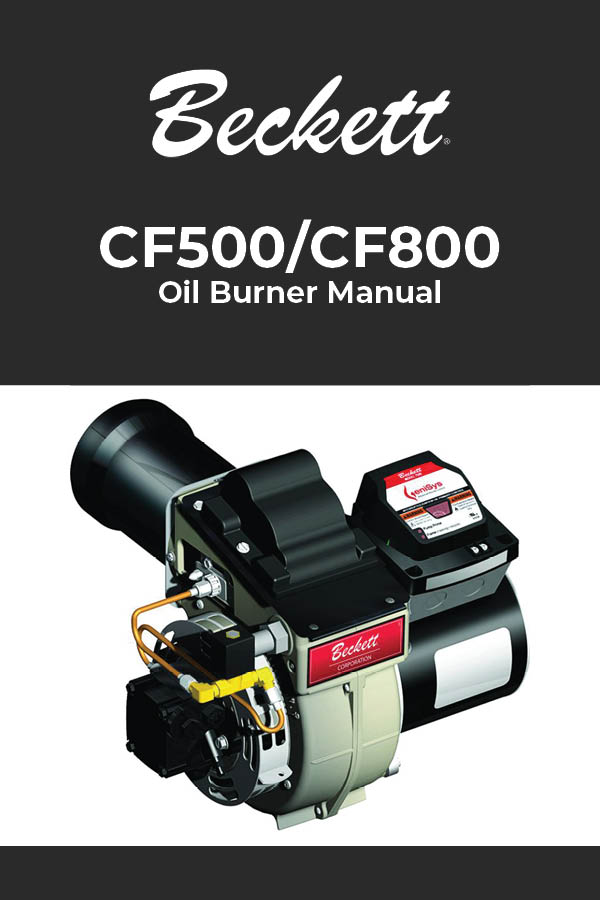
How Beckett Oil Furnaces Work
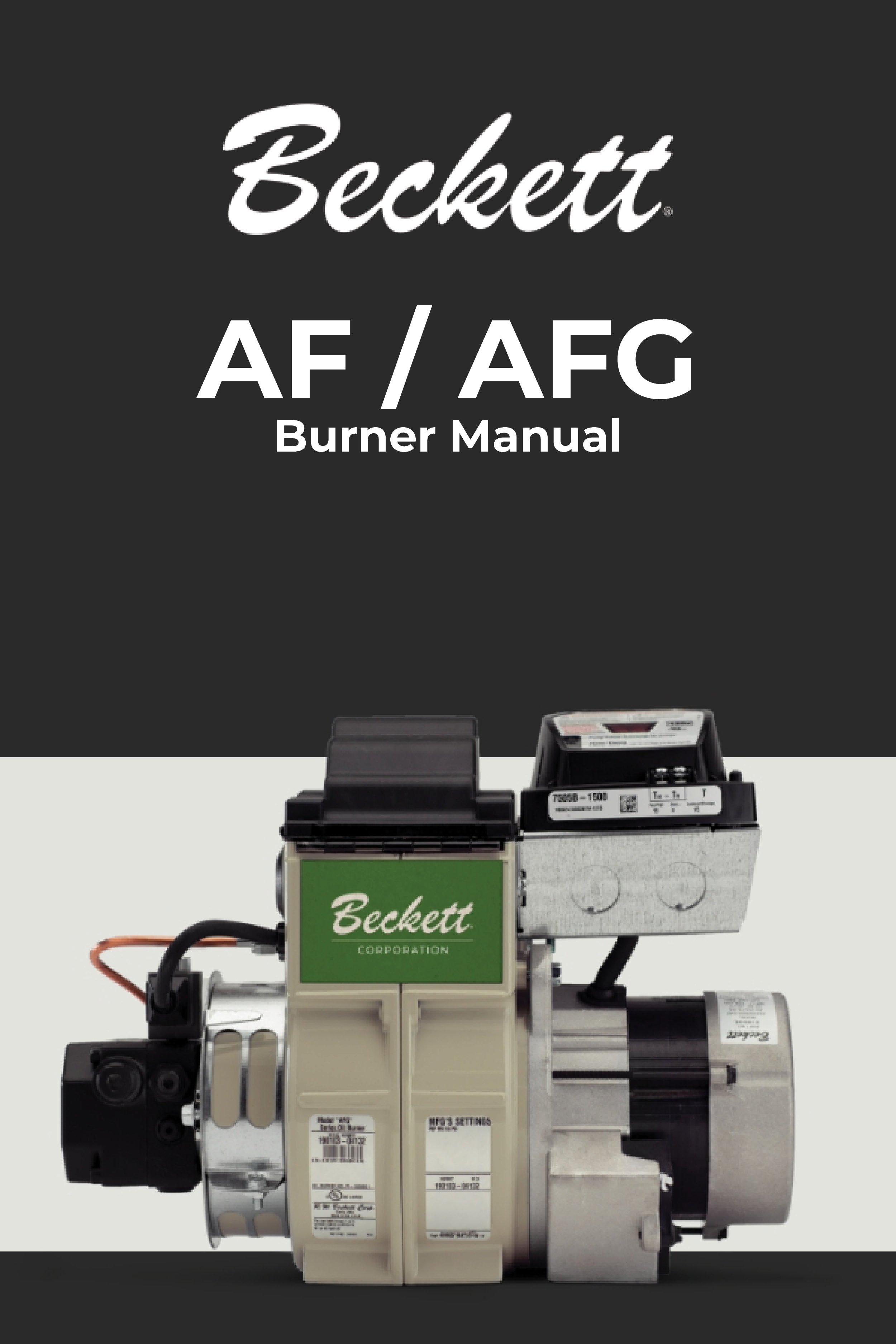
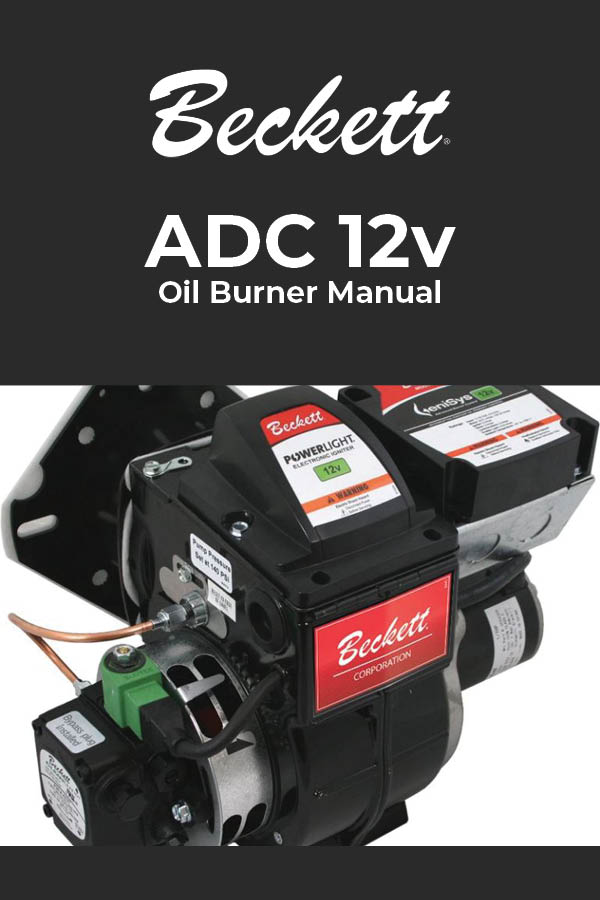
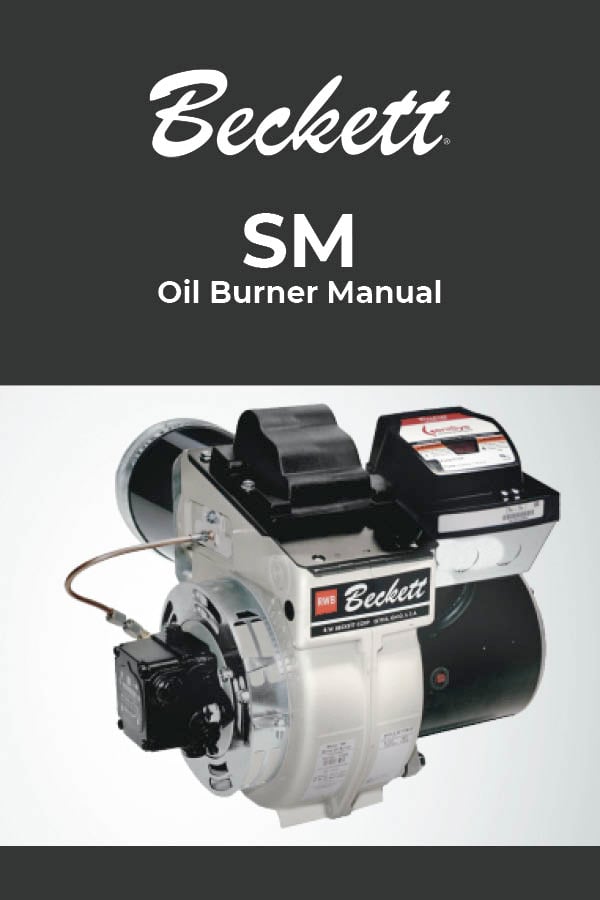
Beckett oil burners are common in homes. They use an oil pump, nozzle, burner motor, ignition system, and a combustion chamber. Understanding these parts makes Beckett Oil Furnace Troubleshooting easier.
Combustion starts when the pump pushes oil through a nozzle. The ignitor or electrode lights the atomized oil. Proper airflow and a clean nozzle keep the flame steady.

Common Problems and What They Mean
Most calls are for the same few problems. These are the issues to look for during Beckett Oil Furnace Troubleshooting.
- No heat. Often caused by no fuel, a failed pump, or a tripped primary control.
- Short cycling. Usually due to thermostat problems, clogged filters, or restricted airflow.
- Soot or smoky exhaust. This signals poor combustion from a dirty nozzle or wrong nozzle size.
- Burner won’t ignite. Could be a bad electrode, weak transformer, or dirty fuel filter.
- Pump runs but no spray. Likely a clogged nozzle or air trapped in the fuel line.
I once fixed a furnace where soot built up from a wrongly sized nozzle. Replacing the nozzle and tuning the burner solved it. That kind of hands-on fix is central to practical Beckett Oil Furnace Troubleshooting.
Step-by-step Beckett Oil Furnace Troubleshooting Guide
Follow these steps for safe, systematic troubleshooting. Work only if you are comfortable with basic tools and have shut off power and fuel first.
- Check the obvious. Verify the oil tank has fuel and the thermostat is set correctly.
- Inspect power and switches. Confirm the furnace has power and any service switches are on.
- Listen and watch. Note whether the burner motor runs, the pump hums, or there are ignition attempts.
- Check for lockouts. Reset the primary control only after one full power cycle and following the manual.
- Replace the fuel filter and nozzle if the burner runs but sprays poorly.
- Clean electrodes and check gap. A worn electrode or wrong gap stops ignition.
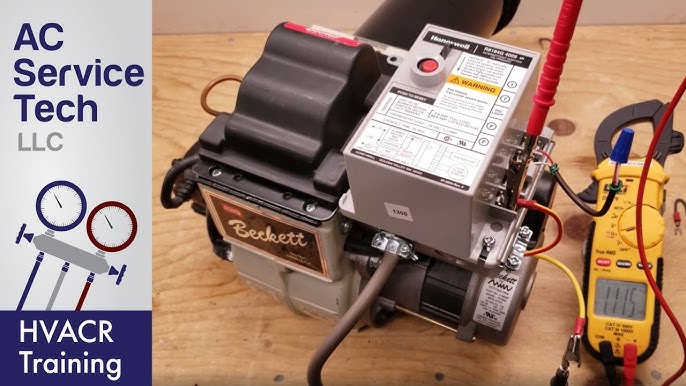
- Test the transformer and primary control if there’s no spark. Replace faulty units.
- Check airflow. Clean or replace air filters and clear vents to prevent short cycling.
- Verify chimney draft and flue. Backdraft can cause smoky combustion and safety hazards.
- Call a professional if you smell fuel, see heavy soot, or have repeated lockouts.
Each of these steps is a key part of Beckett Oil Furnace Troubleshooting. Take notes as you work to track changes and outcomes.
Tools, Parts, and Safety
Use basic tools and the right parts for safe Beckett Oil Furnace Troubleshooting.
- Tools to have: multimeter, fuel pressure gauge, nozzle wrench, screwdriver, wire brush.
- Common parts: nozzle kit, primary control, electrodes, fuel filter, transformer.
- Safety steps: shut off power, shut off oil supply when replacing parts, ventilate work area, and wear goggles and gloves.
If you smell strong oil or see leaks, stop and ventilate. Serious fuel leaks require a professional and may need shutting off the supply at the tank.
Maintenance Tips to Prevent Future Issues
Regular care reduces most Beckett Oil Furnace Troubleshooting needs. Try a basic plan you can do each season.
- Change or clean air filters every 1 to 3 months.
- Replace the oil filter and nozzle yearly.
- Keep the burner and combustion chamber clean.
- Schedule annual professional tune-ups for combustion testing and draft checks.
- Insulate and protect the oil lines in cold climates to avoid gelling.
From my experience, a simple annual service cuts emergency calls by more than half. Small steps now save big trouble later.

When to Call a Professional
Some problems are DIY-friendly. Others need a pro. Use this as a quick guide for Beckett Oil Furnace Troubleshooting decisions.
- Call a pro if you smell fuel, see heavy soot, or detect carbon monoxide risk.
- Call a pro after repeated lockouts or when controls and transformers test borderline.
- Call a pro for major parts replacement, combustion testing, or flue and draft repairs.
Professional service keeps warranties valid and ensures safe combustion. Expect service costs to vary by region and the work needed.
People Also Ask (PAA) — quick answers
How often should I replace the nozzle on a Beckett oil furnace?
Replace the nozzle every heating season or after 1,000 to 1,500 hours of use. A fresh nozzle helps clean combustion and reduces soot buildup.
Why does my Beckett burner cycle on and off rapidly?
Rapid cycling can come from a clogged filter, airflow restriction, or a miscalibrated thermostat. Check filters and vents first, then move to thermostat and controls.
Can I clean the electrodes myself?
Yes, you can clean electrodes carefully with a wire brush and check the gap. Replace them if they are pitted or badly worn.
Frequently Asked Questions of Beckett Oil Furnace Troubleshooting
What does a lockout mean on my Beckett burner?
A lockout means the primary control stopped the burner after failed ignition attempts. Reset only after checking fuel, electrodes, and the nozzle.
How do I know if the nozzle is clogged?
If the pump runs but there is weak or no spray and the flame is uneven, the nozzle may be clogged. Replacing the nozzle usually fixes spray issues.
Why is my furnace producing black smoke?
Black smoke indicates incomplete combustion from dirty parts, wrong nozzle, or poor airflow. Stop use and have the burner inspected to avoid soot and carbon monoxide risk.
How can I test the transformer and primary control?
Use a multimeter to check voltage to the transformer and outputs from the primary control. If voltages are absent or out of spec, replace the faulty unit.
Is it safe to run the furnace with some soot present?
Running with soot is risky. Soot reduces heat transfer, raises flue temps, and can cause dangerous exhaust issues. Clean soot and tune the burner before continued use.
How often should a professional service a Beckett oil furnace?
Annual service before the heating season is recommended to ensure safe and efficient operation. A pro will tune combustion, check safety devices, and inspect flues.
What maintenance can I do myself?
You can change air filters, check fuel levels, and keep the burner area clean. Major tasks like nozzle changes and combustion testing are best left to professionals.
Conclusion
Beckett Oil Furnace Troubleshooting is mostly about methodical checks: fuel, ignition, airflow, and routine parts. Use the steps here to diagnose common issues, follow safety rules, and keep a yearly maintenance routine. Start with simple checks today, and schedule a professional tune-up if problems persist. If this guide helped, try the steps, share your experience in the comments, or subscribe for more practical HVAC tips.

