

Most Suburban Camper Furnace Troubleshooting steps are simple checks and routine maintenance you can do yourself.
I’ve spent years fixing RV systems and teaching owners how to keep warm on the road. This guide on Suburban Camper Furnace Troubleshooting pulls from hands-on experience and factory service rules. You will get clear steps, safety tips, common causes, and real examples so you can diagnose and fix most problems fast. Read on to save time and avoid costly service calls.

36% off Today’s Exclusive Deals
Limited-time Exclusive Deals. Check current discount on Amazon.
Check Price on Amazon As an Amazon Associate I earn from qualifying purchases.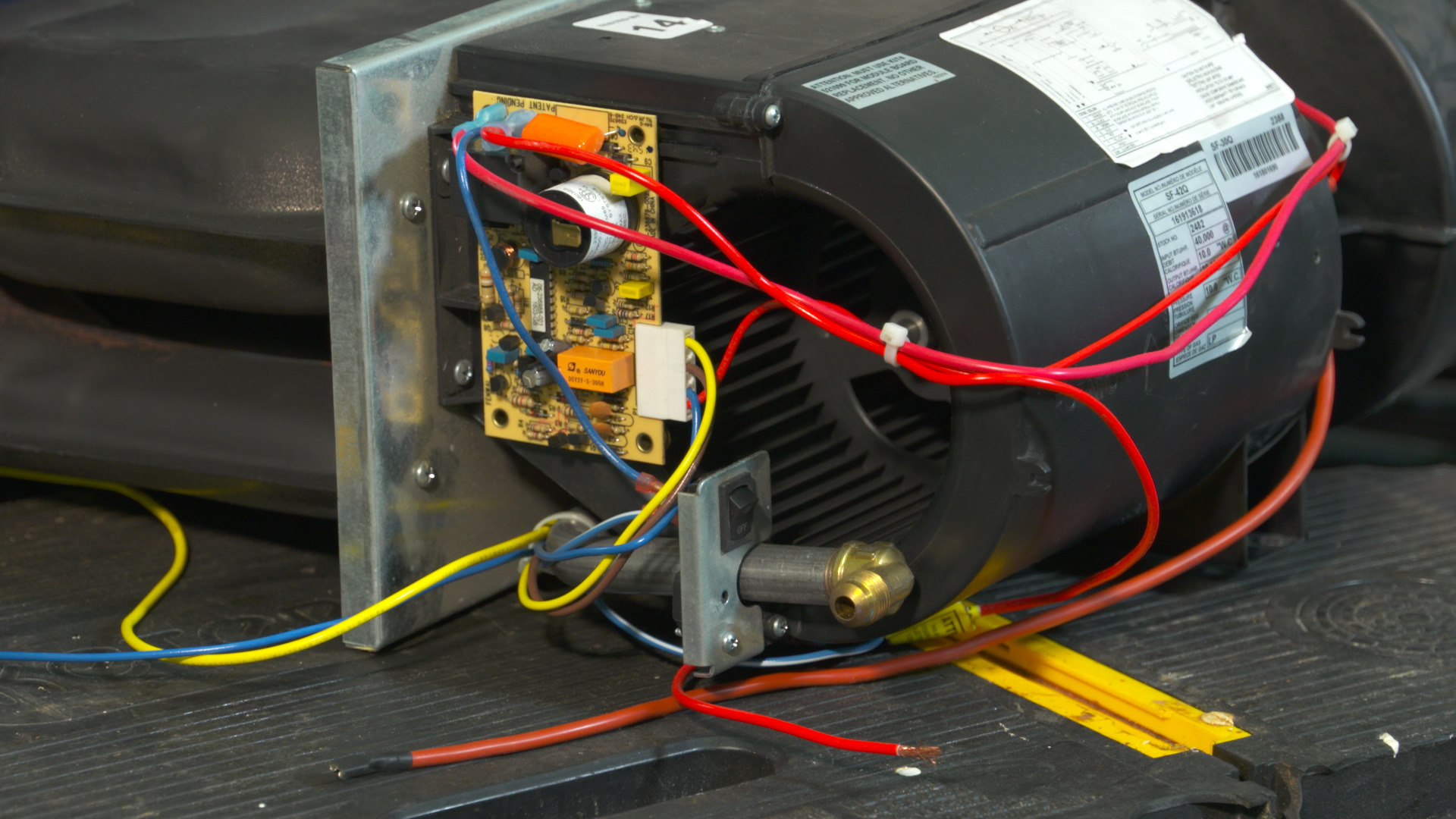
How Suburban Camper Furnace Troubleshooting Works
Suburban Camper Furnace Troubleshooting means finding and fixing faults in the furnace system. You check power, propane, ignition, airflow, and controls. Each check narrows the cause. I use a simple flow: inspect, test, fix, and verify. This approach works for most Suburban camper furnace models and helps avoid guesswork.

Key parts to know
- Furnace control board: runs the sequence and safety checks.
- Thermostat: tells the furnace to start or stop.
- Propane valve and regulator: feed gas to the burner.
- Ignitor or pilot assembly: lights the burner.
- Burner and heat exchanger: create and transfer heat.
- Blower motor: moves warm air into the living space.
- Vents and flue: remove combustion gases safely.
Common Symptoms and Quick Checks for Suburban Camper Furnace Troubleshooting
Symptoms guide your checks. Start with the easiest fixes. Keep notes on what you see and hear.
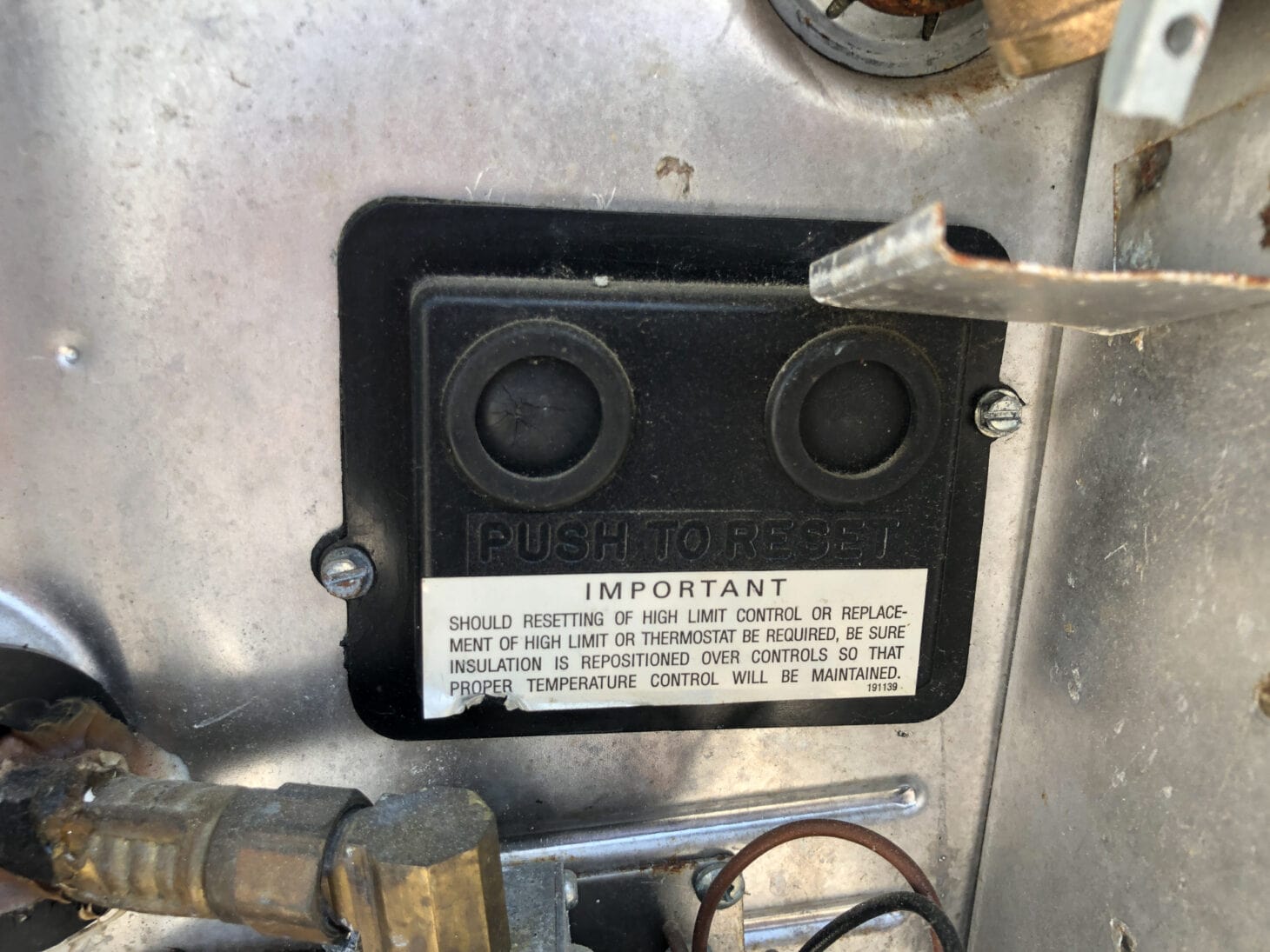
- No power to furnace: Check battery voltage and onboard fuses.
- Furnace sparks but won’t light: Inspect ignitor or pilot and propane supply.
- Weak heat or cool spots: Clean burners and check airflow.
- Blower runs but no heat: Likely ignition or gas flow issue.
- Strange odors or soot: Stop use and inspect venting and burner condition.
Tools and Safety for Suburban Camper Furnace Troubleshooting
Safety first. Working with gas and electricity is risky. Use basic tools and follow safety steps.

- Basic tools you need: small screwdriver set, multimeter, flashlight, socket set, nut driver.
- Safety gear: gloves, safety glasses, and a propane detector if available.
- Safety steps: turn off propane before deep work, disconnect battery power when testing electronics, and ventilate well if you smell gas.
Step-by-Step Suburban Camper Furnace Troubleshooting Guide
Work from simple to complex. This saves time. I share steps I use in the field.

-
Visual and power checks
- Confirm battery voltage is above 12.2 volts. Low voltage causes false faults.
- Check the furnace fuse and inline fuses. Replace blown fuses with same rating.
- Look for obvious damage, rodent nests, or loose wiring.
-
Thermostat and control checks
- Set thermostat to a point well above room temp and listen for a click.
- If no click, test thermostat wiring for 12 V at the furnace connector.
- Replace thermostat or re-seat wiring if voltage is missing.
-
Propane supply and regulator
- Ensure propane tank is on and valve open.
- Check tank pressure and regulator freeze or blockage.
- Smell test: if you smell propane, stop and troubleshoot leaks before use.
-
Ignition and burner checks
- Observe the furnace during start. Do you see the ignitor spark or pilot glow?
- Clean or replace a brittle or cracked ignitor.
- Clean burner ports with compressed air; soot can block ignition.
-
Blower and airflow
- Remove debris from blower and intake grills.
- Spin blower by hand to feel for bearing issues.
- Test blower motor with direct 12 V to confirm operation.
-
Venting and combustion safety
- Inspect outside vent and flue for blockage.
- Check the chimney cap and seals for corrosion.
- Poor venting triggers safety shutoffs and carbon monoxide risks.
-
Control board and sensors
- Look for error codes on the control board or LED blink patterns.
- Replace sensor probes that read abnormally or show open/short on a meter.
- If control board components are burned or corroded, plan for replacement.
-
Final verification
- Run furnace through several cycles after fixes.
- Check for steady flame, consistent heat, and no odours.
- Re-check fuses and wiring after a few hours of operation.
Troubleshooting Examples from Real Repairs
I once fixed a camper that clicked but would not light. The problem was a cracked ignitor wire. Replacing that wire cost little and restored heat. Another time the blower ran but no heat. The regulator on the propane tank had iced up. Warmed the line and heat returned. These small fixes are common in Suburban Camper Furnace Troubleshooting.

Preventive Maintenance for Suburban Camper Furnace Troubleshooting
A little care prevents many breakdowns. I do these tasks before every season.

- Clean intake and outlet vents once a season: prevents blockages.
- Inspect and clean burner assembly: improves ignition and efficiency.
- Check and secure wiring and connectors: limits intermittent issues.
- Test furnace on shore power and battery power: verify both modes.
- Replace old ignitors and thermostats proactively if they show wear.
When to Call a Professional for Suburban Camper Furnace Troubleshooting
Some problems need a pro. Don’t risk major gas or safety issues.

- You smell strong propane or suspect a leak.
- You see carbon buildup or black soot around the vent.
- The control board shows persistent faults after basic fixes.
- Electrical wiring is damaged, or you are unsure about gas work.
- You need certified tests for carbon monoxide or gas pressure.
Quick PAA Questions (People Also Ask)
Many users want short, direct answers. Here are three common PAA-style questions.

How do I reset my Suburban camper furnace?
Turn off propane and battery power for one minute. Reapply power and restart according to the manual. If it still fails, check fuses and error codes.
Why does my furnace run then stop?
Short cycles often mean low battery, a blocked vent, or a bad thermostat. Check power and airflow first.
Can I fix a faulty ignitor myself?
Yes, if you are comfortable with simple wiring and part swaps. Always disconnect power and follow the manufacturer’s instructions.
Frequently Asked Questions of Suburban Camper Furnace Troubleshooting
What is the most common cause of a Suburban camper furnace not lighting?
A loose wire or a worn ignitor is often the cause. Check the ignitor, wiring, and propane flow first.
How often should I service my Suburban camper furnace?
Service it at least once per year and before long trips. Regular cleaning and checks prevent most issues.
Why does the furnace blow cold air even when it runs?
If the blower runs but the burner does not light, the issue is likely ignition or propane. Check for spark, pilot glow, and gas supply.
How can I read error codes on a Suburban furnace?
Watch the control board LED for blink patterns and compare them to the manual. Each pattern maps to a specific fault.
Is it safe to run the furnace overnight in winter?
Yes, if vents are clear, carbon monoxide detectors are working, and the furnace is in good repair. Never run with a suspected leak or blocked vent.
Conclusion
Suburban Camper Furnace Troubleshooting is mostly a logical series of checks. Start with power and simple inspections, then test ignition, propane, airflow, and controls. If you work steadily, you will solve many issues yourself and save money. Take one step at a time, keep safety first, and log what you test. Try the steps here on your next issue, subscribe for more RV tips, or leave a comment with your specific furnace symptom to get tailored advice.

