

Most Suburban RV furnaces fail from simple power, thermostat, or gas supply issues.
I’ve spent years troubleshooting RV heating systems and repairing Suburban furnaces on the road and in the shop. This guide walks you through clear, practical steps for Rv Suburban Furnace Troubleshooting, explains causes and fixes, and gives safety tips. Read on to learn how to diagnose common faults, test parts, and decide when to DIY or call a pro.

36% off Today’s Exclusive Deals
Limited-time Exclusive Deals. Check current discount on Amazon.
Check Price on Amazon As an Amazon Associate I earn from qualifying purchases.
Common symptoms and quick checks for Rv Suburban Furnace Troubleshooting
If your Suburban furnace shows obvious symptoms, the fix is often fast. Common signs include no heat, weak heat, blower running but no flame, strange smells, or frequent cycling. Start with quick checks before taking panels off. Verify 12V battery voltage, propane supply, thermostat setting, and a clear air intake and exhaust. These simple checks resolve many Rv Suburban Furnace Troubleshooting issues quickly.

Tools and safety checklist for Rv Suburban Furnace Troubleshooting
Use the right tools and safety gear every time. You will need a multimeter, 12V test lead or jumper, adjustable wrench, screwdriver set, soft brush, and a mirror or small inspection light. Work in a well-ventilated area. Turn off propane and power before major work. Keep a fire extinguisher nearby when testing combustion parts. Following safety steps reduces risk and speeds up Rv Suburban Furnace Troubleshooting.

Diagnosing common issues and causes
Laying out symptoms helps narrow the fault fast. Below are common problems, likely causes, and quick tests for Rv Suburban Furnace Troubleshooting.
No heat at all
- Possible causes: no 12V power, blown fuse, bad thermostat, or blocked gas supply.
- Quick test: Check battery voltage at furnace harness and inspect fuses and breakers.
Blower runs but no flame
- Possible causes: faulty igniter or flame sensor, bad gas valve, clogged burner tube, or bad control board.
- Quick test: Observe ignition cycle. Listen for click or spark and smell for gas. Use multimeter on igniter circuit.
Intermittent heat or short run times
- Possible causes: low battery voltage, weak propane pressure, or temperature sensor issues.
- Quick test: Monitor battery during start. Check propane tank regulator and hose connections.
Weak heat or uneven heating
- Possible causes: blocked vents, dirty burners, cracked heat exchanger, or failing blower motor.
- Quick test: Inspect vents, clean burner and heat exchanger area, and test blower speed.
Gas smell or delayed ignition
- Possible causes: slow or failing gas valve, dirty or misaligned burner, or blocked flue.
- Quick test: If you smell gas, shut off propane and ventilate. Leak-check fittings before testing.
Error codes and LED flashes
- Possible causes: control board faults, sensor failures, or diagnostic codes from the combustion module.
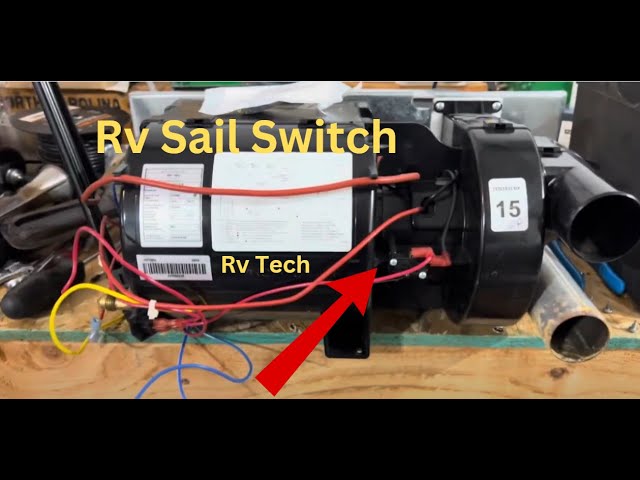
- Quick test: Count LED flashes and compare to the furnace service manual for precise diagnosis.
I recommend keeping a simple log when you test. Note voltage, LED counts, and odd smells. It makes Rv Suburban Furnace Troubleshooting far easier.
Quick questions (PAA-style)
What if the blower runs but no flame appears?
- Often the igniter or gas valve fails. Test igniter for continuity and check for spark or glow during start.
How do I check for gas flow safely?
- Close the main propane valve, inspect fittings, and use a soapy water leak test on connections. Open slowly and monitor.
Can low battery voltage cause furnace issues?
- Yes. Low voltage can stop ignition and reduce blower speed. Measure battery under load during start.
Step-by-step Rv Suburban Furnace Troubleshooting and fixes
Follow this ordered checklist. Work one step at a time and re-test after each action.
-
Basic power checks
- Check RV battery voltage with furnace running. It should be above 11.5V during startup.
- Inspect inline fuses and the furnace fuse. Replace blown fuses with the same rating.
-
Thermostat and wiring
- Set thermostat higher than room temp and listen for click. Test wires for 12V at the furnace harness during call for heat.
- Replace or jumper thermostat wires if needed to isolate it.
-
Propane and regulator
- Confirm propane tanks are on and valves open. Check the tank regulator for frost or abnormal noise.
- Swap tanks or connect to an external supply to rule out a bad tank or regulator.
-
Ignition system
- Watch the start cycle. Look for sparks or glowing igniter. If no glow, test igniter continuity and replace if open.
- Clean burner ports and pilot orifice if soft ignition or delayed lighting is present.
-
Flame sensing and control
- Dirty flame sensor or electrode misalignment causes shutdown. Clean gently and re-align per manual.
- Test gas valve coil for resistance. Replace gas valve if it fails to open under test.
-
Blower and limit switches
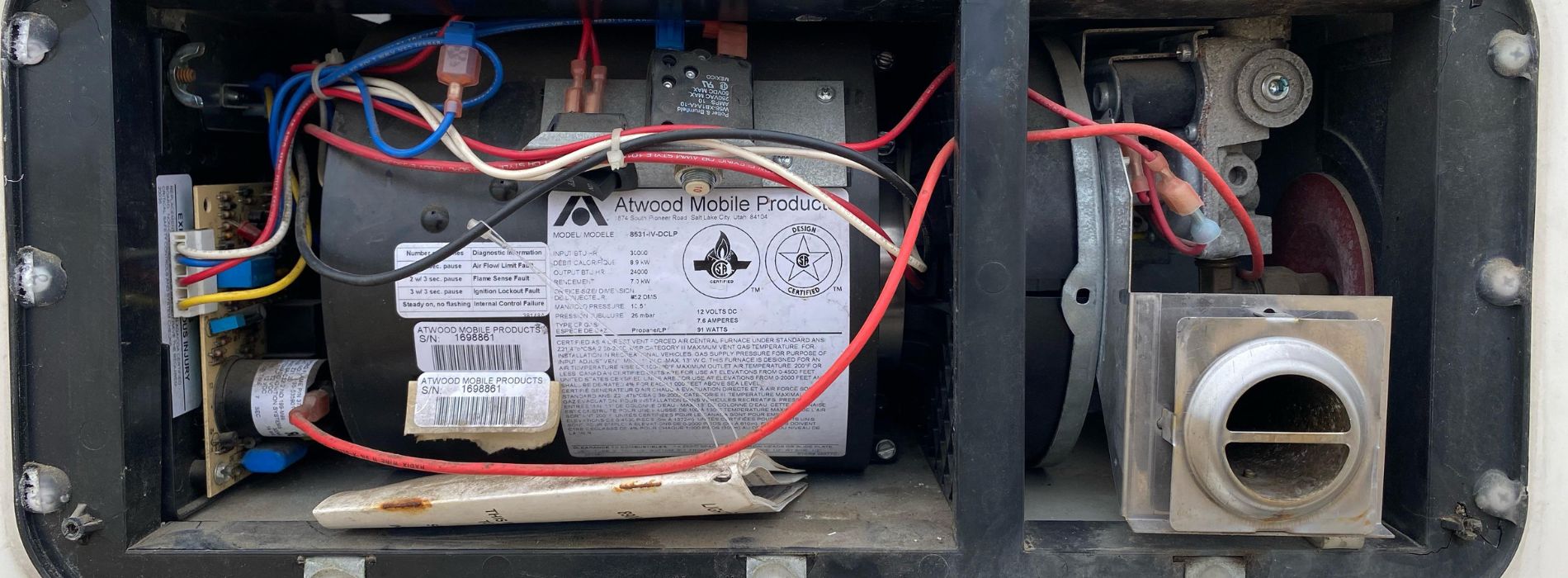
- Verify blower spins freely. Check motor capacitor and wiring. Replace motor if noisy or fails to reach speed.
- Test limit switch continuity. Replace if open at normal temps.
-
Heat exchanger and vents
- Inspect for soot, holes, or rust. A cracked heat exchanger is a safety risk; replace furnace if damaged.
- Ensure intake and exhaust vents are clear of debris, snow, or nests.
-
Control board and error codes
- Read LED code patterns and compare with service info. Replace control board only after other parts are ruled out.
- If codes persist after part swaps, consider professional diagnostics.
-
Final testing
- Run the furnace through several cycles. Monitor battery, flame, exhaust, and vent temps.
- Note any repeats and escalate to a professional if the issue is unclear.
I once repaired a Suburban that only failed on cold mornings. The problem was a weak battery that passed a static test but dropped under load. Replacing the battery fixed it. Small tests save time.

Maintenance and preventive tips for Rv Suburban Furnace Troubleshooting
Routine care prevents most failures. Simple steps keep your Suburban furnace reliable.
- Clean burner assembly yearly to prevent soot and slow ignition.
- Replace the furnace filter or clean intake screens every season.
- Inspect vent caps and fresh air intake for nests and debris before travel.
- Test furnace before each trip. Run it for 15 minutes on shore power to confirm operation.
- Keep a spare igniter, fuse, and thermostatic sensor in your toolkit for road repairs.
Regular checks reduce the need for emergency Rv Suburban Furnace Troubleshooting.
Parts replacement, costs, and when to call a pro for Rv Suburban Furnace Troubleshooting
Know when to repair and when to replace. Typical parts and rough guidance:
- Igniter: moderate cost, easy DIY swap.
- Flame sensor/electrode: low cost, simple alignment and replacement.
- Gas valve: moderate to high cost, moderate difficulty; consider pro if you are uncomfortable with gas parts.
- Blower motor: moderate cost; accessible but may require wiring checks.
- Control board: high cost; replace only after eliminating other causes.
- Heat exchanger or furnace shell: high cost; replacement often means new furnace.
Call a certified RV technician if you detect a cracked heat exchanger, persistent gas leaks, or if control board faults remain after testing. Safety is the priority when gas and combustion are involved.

Frequently Asked Questions of Rv Suburban Furnace Troubleshooting
Why won't my Suburban furnace ignite at all?
Check 12V supply, fuses, and thermostat first. Then confirm propane supply and listen for ignition sounds; if silent, test igniter and control board.
What does it mean if the blower runs but there's no heat?
Usually the igniter, gas valve, or flame sensor is failing. Inspect ignition sequence and clean or replace faulty parts.
How do I read the Suburban furnace LED error codes?
Count the flashes and note pauses; compare to the furnace manual for the meaning. Codes point to sensors, gas valve, or control board issues.
Can low battery voltage cause furnace problems?
Yes. Low voltage prevents igniter operation and reduces blower performance. Test battery under load during startup.
Is it safe to troubleshoot a gas smell?
No. If you smell gas, shut off propane immediately and ventilate. Do not light the furnace and call a technician if you cannot find the safe source.
How often should I service my Suburban furnace?
Service it yearly before cold season. Clean burners, check vents, and test ignition and controls to prevent issues.
When should I replace the furnace instead of repairing?
Replace when the heat exchanger is cracked, control parts are obsolete, or repair costs exceed a new unit’s price. Consider age, safety, and reliability.
Conclusion
Rv Suburban Furnace Troubleshooting often starts with power, propane, and simple checks. Work methodically: test voltage, inspect the ignition sequence, clean and align burners, and record error codes. My advice from hands-on repairs is to keep basic spare parts and a multimeter with you. That practice will fix many problems on the road.
Take action today: run a pre-trip furnace test, note any odd behavior, and follow the steps here. If you’re unsure or smell gas, seek professional help. Share your experience below or subscribe for more RV maintenance guides.

