

Goodman furnaces usually fail due to airflow, thermostat, ignition, or power issues.
With years working on HVAC systems and dozens of Goodman units under my belt, I’ll walk you through clear, tested Goodman Furnace Troubleshooting steps. This guide covers how these furnaces work, common faults, hands-on fixes you can try safely, and when to call a pro. Read on to troubleshoot confidently and keep your home warm.

36% off Today’s Exclusive Deals
Limited-time Exclusive Deals. Check current discount on Amazon.
Check Price on Amazon As an Amazon Associate I earn from qualifying purchases.
How Goodman furnaces work — basics you should know
A clear view of how the furnace works makes troubleshooting faster. Goodman furnaces use a thermostat, a control board, an ignition system, a gas valve, a heat exchanger, and a blower to move warm air. The sequence is simple: thermostat calls for heat, ignition lights the burner, heat exchanger warms air, blower circulates air.
Understanding that sequence helps with Goodman Furnace Troubleshooting. When one link fails, the whole system can stall. Knowing where to look saves time and avoids needless parts swaps.

Common problems and quick diagnosis for Goodman Furnace Troubleshooting
Most service calls fall into a few buckets. Spotting which bucket your unit is in narrows the fix.
- No heat at all
- Likely causes: thermostat, power, or control board.
- Furnace runs but no warm air
- Likely causes: ignition failure, gas supply, or flame sensor.
- Furnace cycles short or blows cold air
- Likely causes: dirty filter, blocked vents, or faulty limit switch.
- Strange noises or vibration
- Likely causes: loose blower wheel, motor bearings, or draft inducer.
- Frequent lockouts or blinking codes
- Likely causes: ignition, pressure switch, or venting issues.
If you use this checklist during Goodman Furnace Troubleshooting, you can narrow issues quickly. Start with the simplest items: power, thermostat settings, and filter.
Step-by-step Goodman Furnace Troubleshooting guide
Follow these steps in order. They move from safe, simple checks to more advanced tasks.
- Safety first
- Turn off power at the breaker and the switch near the furnace before you inspect anything.
- Check power and thermostat
- Ensure the thermostat is on heat and set higher than room temp.
- Check the circuit breaker and furnace switch.
- Inspect and replace the air filter
- A clogged filter causes many faults. Replace with the correct MERV rating.
- Look at the control board LED
- Count blinking codes or note steady lights—these tell you the fault type.
- Reset the furnace
- Turn thermostat to off, power off for 30 seconds, then restore power.
- Check the condensate line (for high-efficiency units)
- A clogged drain can trigger a safety switch and lock out the furnace.
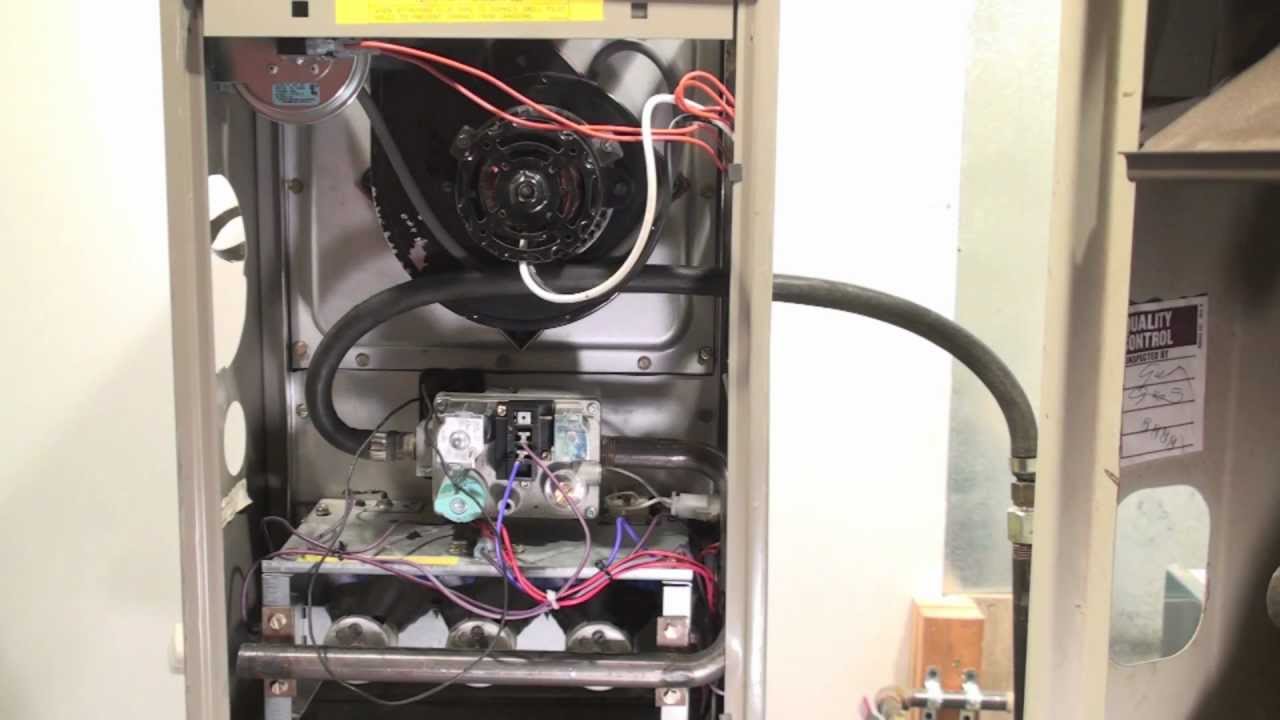
- Examine the flame sensor and ignitor
- Clean the flame sensor with a gentle cloth or small emery pad.
- A cracked ignitor usually needs replacement.
- Listen for the draft inducer and pressure switch operation
- If the inducer runs but pressure switch won’t close, check venting and the switch tubing.
- Inspect burners and gas valve
- Dirty burners or a stuck gas valve need a pro’s attention if you smell gas or suspect leaks.
- Check blower motor and limit switch
- Overheating or failure here causes short cycling or no airflow.
These steps are core to Goodman Furnace Troubleshooting. If a step involves gas components, or if you smell gas, stop and call a licensed technician.

Decoding LED lights and error codes for Goodman Furnace Troubleshooting
Goodman furnaces often use LED blink patterns to report trouble. Learn the common patterns and what they mean.
- One blink
- Normal operation.
- Two to five blinks
- Varying fault types: thermostat, pressure switch, ignition, flame failure, or limit.
- Rapid blinking or steady amber/red
- Could indicate a serious board fault or lockout.
During Goodman Furnace Troubleshooting, write down the exact pattern and consult the furnace cover sticker or manual. That code speeds diagnosis and avoids guesswork.
Tools, parts, and safety tips for DIY Goodman Furnace Troubleshooting
Having the right tools keeps you safe and efficient.
- Essential tools
- Multimeter for voltage and continuity checks.
- Nut drivers, screwdrivers, and pliers.
- Small wire brush or emery cloth for flame sensor cleaning.
- Replacement parts commonly needed
- Air filter, flame sensor, hot surface ignitor, pressure switch, control board.
- Safety tips
- Always shut off power and gas before working on the furnace.
- Wear gloves and eye protection.
- Do not attempt gas valve or complex combustion adjustments unless certified.
Use these tools and tips to make Goodman Furnace Troubleshooting safer and more successful.
Maintenance to prevent Goodman Furnace Troubleshooting issues
Regular care prevents most problems. A little work each year saves time and money.
- Monthly
- Check and change filters as needed.
- Seasonally
- Inspect vents and registers for blockages.
- Yearly
- Schedule a professional tune-up for burner cleaning, combustion check, and safety tests.
- Other tips
- Keep the area around the furnace clean and clear.
- Replace thermostats that read wrong or respond slowly.
Routine maintenance is the best way to avoid common Goodman Furnace Troubleshooting headaches.

Costs, parts, and when to call a pro for Goodman Furnace Troubleshooting
Some fixes are cheap and straightforward. Others need a technician and special tools.
- Typical DIY part costs
- Air filter: $5 to $30.
- Flame sensor: $20 to $60.
- Hot surface ignitor: $50 to $150.
- Professional repairs
- Control board replacement: $150 to $500 parts plus labor.
- Blower motor replacement: $200 to $700 total.
- Combustion or gas valve work: expect higher labor due to testing and permits.
- When to call a pro
- You smell gas.
- You see rusted heat exchanger, persistent black soot, or carbon monoxide concerns.
- You can’t resolve ignition or pressure switch faults after simple checks.
Knowing cost ranges helps during Goodman Furnace Troubleshooting so you can decide whether to DIY or hire help.

Personal experience and practical tips from the field
I’ve repaired dozens of Goodman units. Here are real lessons I learned.
- Don’t replace parts blindly
- Once, replacing the control board fixed nothing. The root cause was a blocked condensate line that tripped a safety switch.
- Clean the flame sensor before ordering a new one
- Nine times out of ten, a dirty sensor is the culprit.
- Keep a simple log
- Note error codes and times. Patterns reveal intermittent problems like failing pressure switches after a cool-down.
- Trust your senses
- Strange smells, soot, or unusual noise often point to bigger issues than a simple part failure.
These tips come from hands-on Goodman Furnace Troubleshooting and will save you time and money.
Troubleshooting checklist you can print and use
Follow this short checklist when your furnace acts up.
- Verify thermostat call and power
- Replace dirty air filter
- Check furnace switch and breaker
- Note control board LED codes
- Reset power and retry
- Inspect condensate and venting
- Clean flame sensor
- Call pro for gas or combustion concerns
Use this checklist during Goodman Furnace Troubleshooting to keep inspections steady and safe.
Frequently Asked Questions of Goodman Furnace Troubleshooting
Why won’t my Goodman furnace turn on?
Check power at the breaker, the furnace switch, and thermostat batteries first. If power is fine, note LED codes on the control board to guide further steps.
What does a blinking red light mean on a Goodman furnace?
Blink patterns indicate specific faults such as pressure switch or ignition failure. Count blinks and consult the furnace manual or the label inside the access panel for the exact meaning.
Can I clean the flame sensor myself?
Yes. Turn off power, remove the sensor, and gently clean it with a fine abrasive like emery cloth. Reinstall carefully and test; replace only if cleaning doesn’t help.
How often should I replace the air filter?
Check monthly and replace when dirty, typically every 1 to 3 months depending on use and filter type. A clean filter reduces many common Goodman Furnace Troubleshooting calls.
Is it safe to reset my Goodman furnace by switching the breaker?
A quick power cycle is safe and often useful. Turn the thermostat off, switch off power for 30 seconds, then restore power. If the furnace still locks out, further diagnosis is needed.
When should I be worried about carbon monoxide with my Goodman furnace?
If you see soot, smell exhaust, or have headaches near the unit, leave the home and call emergency services and an HVAC pro. Any sign of combustion issues warrants immediate attention.
Conclusion
Goodman Furnace Troubleshooting starts with simple checks: power, thermostat, and filters, then moves to control board codes, ignition parts, and venting. Use the step-by-step guide, keep safety first, and call a licensed technician for gas or combustion concerns. Take action today by running the printable checklist, scheduling a yearly tune-up, or leaving a comment about your furnace issue — I’ll help you troubleshoot further.

