

Check the thermostat, power, filter, and error codes for basic Goodman Gas Furnace Troubleshooting.
I have worked on many furnaces and helped homeowners fix common faults fast. This guide on Goodman Gas Furnace Troubleshooting explains how these systems work, what fails most often, step-by-step checks you can do safely, and when to call a pro. Read on for clear steps, real tips from field work, and simple fixes you can try today.

36% off Today’s Exclusive Deals
Limited-time Exclusive Deals. Check current discount on Amazon.
Check Price on Amazon As an Amazon Associate I earn from qualifying purchases.
How Goodman gas furnaces work and why troubleshooting matters
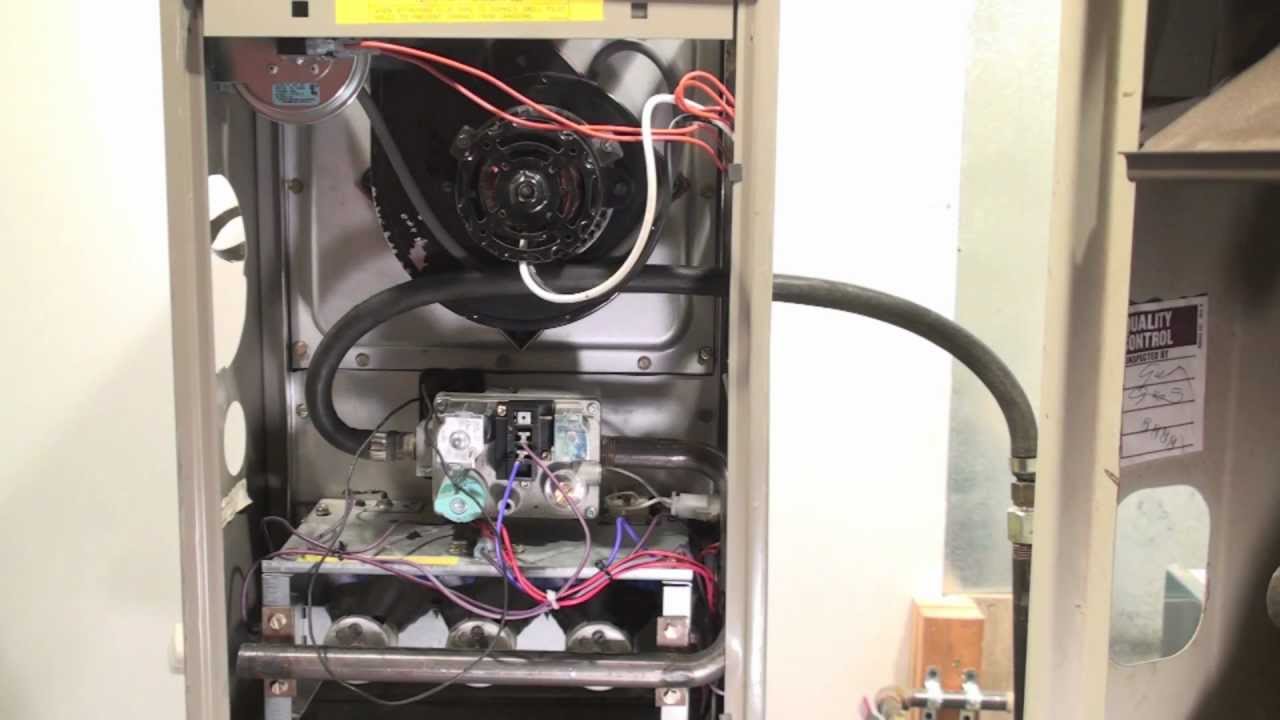
A Goodman gas furnace burns natural gas or propane to heat air. The furnace moves air with a blower through a heat exchanger. Controls and safety devices tell the furnace when to run. Knowing these parts helps with Goodman Gas Furnace Troubleshooting and makes fixes faster and safer.

Common problems and what they usually mean
Most calls are for no heat, short cycling, strange noises, and high bills. Filters, thermostats, and power issues cause many simple faults. More complex problems come from ignition, flame sensors, or the heat exchanger. Understanding these common issues helps you do effective Goodman Gas Furnace Troubleshooting.
- Dirty air filter: Reduces airflow and can make the furnace overheat or shut down.
- No pilot or no ignition: Often a flame sensor, ignition control, or gas valve issue.
- Short cycling: Furnace starts and stops quickly due to overheating, blocked vents, or bad limit switch.
- Blower runs but no heat: Possible ignition failure or gas supply problem.
- Strange noises: Loose parts, belts, or failing bearings can cause rattles and squeals.

Step-by-step Goodman Gas Furnace Troubleshooting guide
Follow these steps in order. Each step is safe and simple for most homeowners.
-
Check power and switches
- Ensure the furnace switch is on.
- Confirm the circuit breaker is not tripped.
- Look for visible fuses and replace if blown.
-
Inspect the thermostat
- Set the thermostat to heat and raise the temperature.
- Replace batteries if used.
- Verify wiring is secure if you recently replaced or moved it.
-
Replace or clean the air filter
- A clogged filter reduces airflow.
- Change monthly in winter if pets or dust are present.
- After a filter change, rerun the furnace to see if performance improves.
-
Check the pilot or ignition sequence
- Watch the burner light sequence.
- If it fails to light, note any error code on the control board.
- Sometimes a reset (power off 30 seconds, then on) clears a fault.
-
Read the diagnostic lights and codes
- Many Goodman furnaces flash an LED code on the control board.
- Count flashes and compare to the manual to know the cause.
- Recording the code before resetting helps pros diagnose faster.
-
Inspect vents and airflow
- Make sure return and supply vents are open and not blocked.
- Clear any debris from the exhaust and intake pipes on direct-vent models.
- Restricted airflow causes short cycling and poor heat.
-
Check ignition components (if safe)
- A dirty flame sensor often causes shutdowns after ignition.
- Clean the flame sensor gently with fine steel wool and test.
- If unsure, skip this step and call a technician.
-
Monitor for gas smell or carbon monoxide alarms
- If you smell gas, leave the house and call the gas company or emergency services.
- A CO alarm sounding means evacuate and call help immediately.
Using these steps will solve many common faults and guide your Goodman Gas Furnace Troubleshooting. If a step shows a dangerous fault, stop and call a pro.

Safety and precautions during troubleshooting
Safety matters most with gas systems. Work slowly and use common sense.
- Turn off power before opening access panels and switch the fuel off if you smell gas.
- Never block vents or try to bypass safety limits.
- Use a mirror and flashlight to inspect burners from a safe distance.
- If you feel unsure at any point, stop and call a licensed technician.
I once had an old furnace with a cracked heat exchanger. A careful visual check and CO alarm prevented a dangerous situation. That taught me to never rush Goodman Gas Furnace Troubleshooting when safety signals appear.
Advanced diagnostics and when to call a professional
Some issues need tools and training. Use a multimeter, manometer, and combustion tester only if you know how. Problems like a cracked heat exchanger, persistent gas valve faults, or fuel pressure issues require licensed service.
- If error codes persist after resets and basic fixes, call a pro.
- If you suspect a gas leak or carbon monoxide, evacuate and get help now.
- Regular inspections by a licensed tech catch hard-to-see problems and keep warranties valid.
Goodman Gas Furnace Troubleshooting can save time and money. But do not risk safety or damage by doing complex repairs without proper certification.

Maintenance tips to avoid future problems
Routine care reduces breakdowns and extends furnace life. Follow these simple habits.
- Change or clean the air filter monthly in heavy use months.
- Keep the area around the furnace clean and clear of clutter.
- Schedule a professional tune-up each year before winter.
- Check the thermostat settings seasonally and replace old thermostats with programmable models.
- Inspect vent pipes and flues for blockages and corrosion.
A little maintenance makes Goodman Gas Furnace Troubleshooting easier later. It also saves energy and reduces repair costs.

Common search questions (PAA-style)
How quickly should a Goodman furnace heat my home?
A properly sized Goodman furnace should raise the home temperature within 20–40 minutes depending on outdoor conditions and insulation.
What does a flashing LED on my Goodman furnace mean?
Flashing LEDs are diagnostic codes. Count the flashes, then consult the manual or a technician for the specific fault.
Can I clean the flame sensor myself?
Yes, you can gently clean the flame sensor with fine abrasive or cloth. If the problem persists, have a pro inspect ignition and gas controls.

Frequently Asked Questions of Goodman Gas Furnace Troubleshooting
What is the first thing I should check if my Goodman furnace won't start?
Check power to the unit, the furnace switch, and the circuit breaker. Then confirm the thermostat is set to heat and has working batteries.
Why does my Goodman furnace short cycle?
Short cycling often happens from dirty filters, blocked airflow, or failed limit switches. Make sure vents are open and filters are clean.
How do I identify a gas leak?
A rotten egg smell, hissing near the gas line, or sudden furnace shutdowns can indicate a leak. Evacuate and contact emergency services or your gas company immediately.
Is a cracked heat exchanger dangerous?
Yes. A cracked heat exchanger can leak combustion gases and carbon monoxide. If suspected, stop using the furnace and call a licensed technician.
How often should I have my Goodman furnace serviced?
Have the furnace inspected and tuned once a year, ideally before the heating season starts. Regular service keeps the system safe and efficient.
Can a dirty flame sensor stop my Goodman furnace from staying on?
Yes. A dirty flame sensor can fail to detect flame and will shut the unit down after ignition. Cleaning it often restores normal operation.
When should I replace the furnace instead of repairing it?
Consider replacement if the unit is older than 15–20 years, requires frequent costly repairs, or has a failed heat exchanger. A new unit is often more efficient and safer.
Conclusion
Goodman Gas Furnace Troubleshooting starts with simple checks: power, thermostat, filter, and diagnostic lights. Use the step-by-step guide above to find and fix common faults safely. Keep up with basic maintenance and call a licensed pro for gas or combustion issues. Take action today: inspect filters, read your error codes, and schedule a tune-up to keep your home warm and safe. Leave a comment with your issue or subscribe for more home HVAC tips.

