

A faulty blower motor often causes weak airflow, odd noises, or a furnace that won’t heat your home.
I’ve spent years troubleshooting HVAC systems, and this guide gives clear, practical Furnace Blower Motor Troubleshooting steps you can use today. Read on to learn how the blower motor works, common symptoms, causes, safe diagnostic steps, tools to use, repair versus replace decisions, and simple maintenance tips. This article blends tested field experience with plain language to help you fix problems or know when to call a pro.

36% off Today’s Exclusive Deals
Limited-time Exclusive Deals. Check current discount on Amazon.
Check Price on Amazon As an Amazon Associate I earn from qualifying purchases.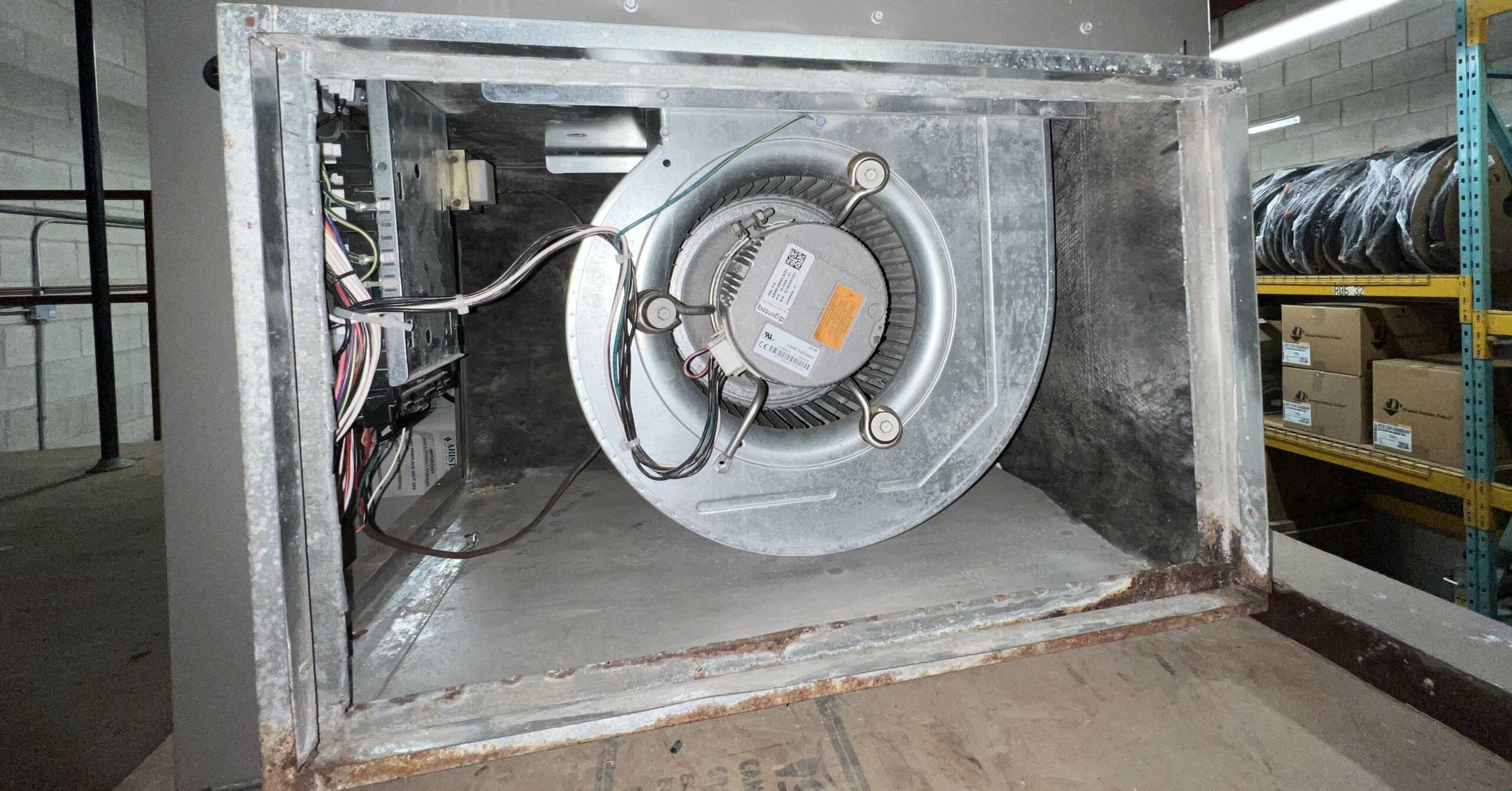
How the blower motor works and why it matters
A furnace blower motor moves heated air from the heat exchanger into your ducts and through your rooms. Without good airflow, the furnace cycles more, runs inefficiently, and can overheat. Understanding basic operation helps with Furnace Blower Motor Troubleshooting because many faults show the same signs: weak air, odd sounds, or frequent cycling.
Typical parts that interact with the blower motor include the blower wheel, motor shaft and bearings, capacitor, belt (on older units), and the control board. Knowledge of these parts makes it easier to diagnose problems quickly and safely.

Common symptoms of blower motor problems
Recognizing symptoms helps target Furnace Blower Motor Troubleshooting fast. Watch for these signs.
- Weak or no airflow through vents.
- Loud humming, grinding, squealing, or rattling sounds when the system runs.
- Furnace runs but blower never starts.
- Blower starts slowly or cycles on and off rapidly.
- Higher energy bills and uneven heating across rooms.
These symptoms often point to motor wear, electrical issues, or obstructions in the blower assembly.
Main causes of blower motor failure
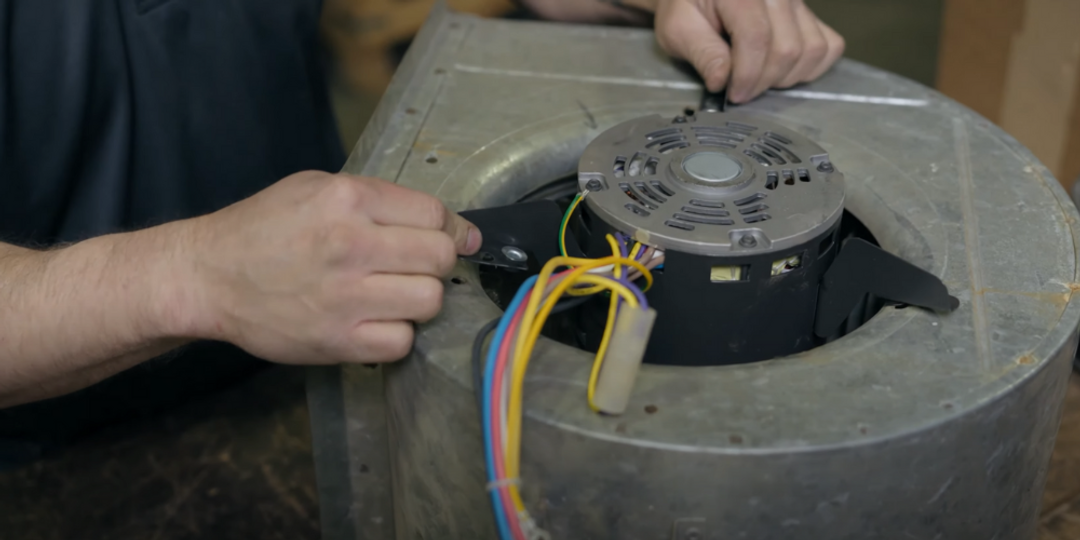
Identifying root causes improves your troubleshooting accuracy for Furnace Blower Motor Troubleshooting. Common causes include:
- Worn bearings or a seized shaft from age or lack of lubrication.
- Failed start/run capacitor that prevents the motor from starting or running efficiently.
- Dirt, debris, or a clogged blower wheel that reduces airflow and overloads the motor.
- Voltage or wiring problems from the control board, transformer, or junctions.
- Mechanical failure like a broken belt or misaligned blower wheel.
Age and poor maintenance are frequent culprits. Spotting the cause narrows your repair options.

Step-by-step Furnace Blower Motor Troubleshooting
Follow safe, logical steps. Turn off power before you open panels. Use a multimeter and basic tools. If you are uncomfortable working with electricity, call a licensed HVAC technician.
- Safety first
- Turn off power at the furnace switch and circuit breaker.
- Verify power is off with a non-contact voltage tester.
- Visual inspection
- Remove the blower access panel and look for burnt wires, loose connectors, or debris.
- Check the blower wheel for dust buildup or physical damage.
- Check the air filter and airflow
- Replace a dirty filter. Poor airflow can make a motor overheat and fail.
- Inspect return vents for blockages.
- Test the capacitor
- Discharge the capacitor safely (using an insulated tool) and test capacitance with a multimeter.
- A failing capacitor often shows low capacitance or bulging; replacing it frequently fixes start problems.
- Test voltage at the motor
- With power restored and the furnace calling for heat, measure voltage at the motor terminals.
- Confirm the motor receives correct voltage per the motor label. No voltage points to control or wiring issues.
- Inspect motor rotation and bearings
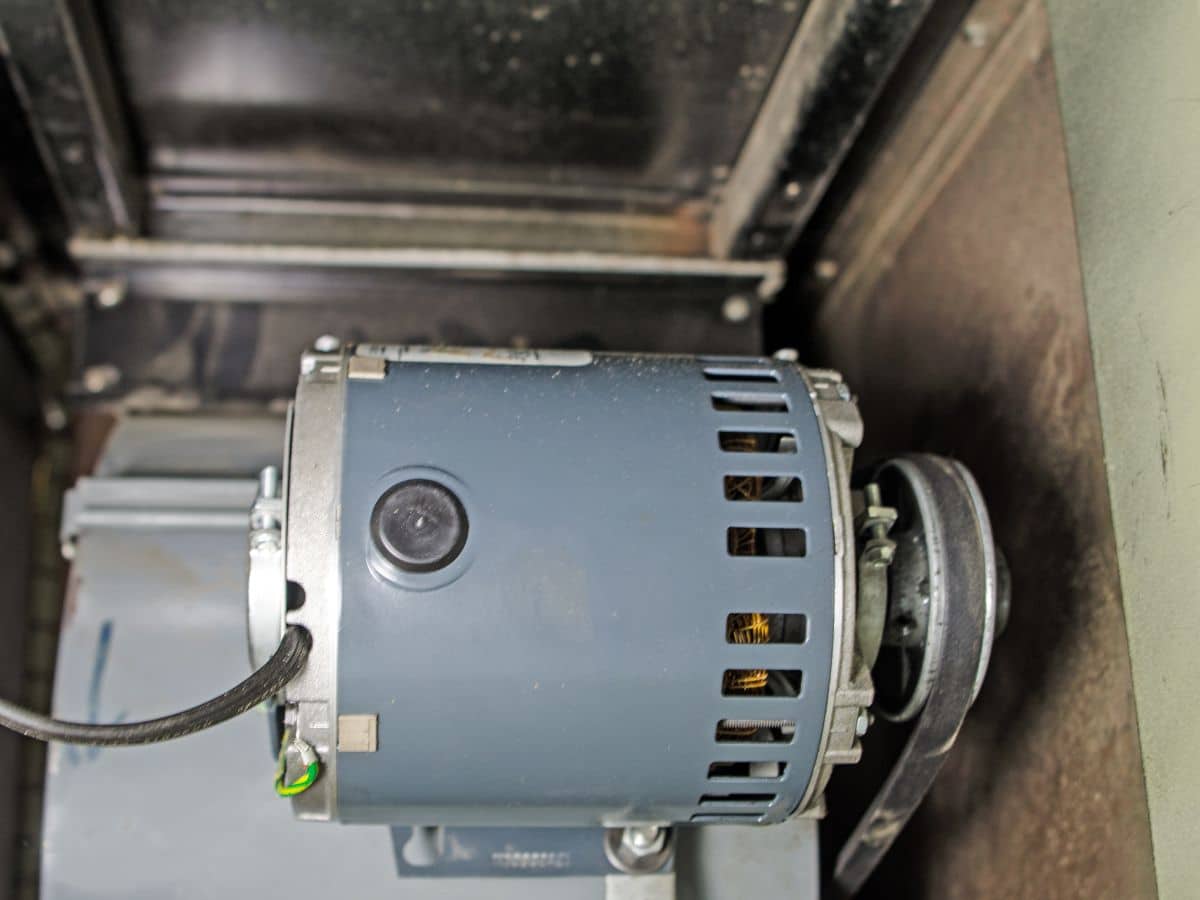
- Manually spin the blower wheel; it should turn freely. Grinding or stiffness suggests bad bearings.
- Lubricate if the motor has oil ports. If not, or if noise persists, plan for motor replacement.
- Check the control signals
- Verify the furnace control board is sending the right signals. A stuck relay or failed board can stop the motor.
- Inspect thermostat wiring and the fan relay settings.
- Look for thermal overload trips
- Some motors have internal thermal protectors. If the motor cooled, it might restart; frequent trips indicate underlying stress.
- Run a load test
- If the motor runs, check airflow and amp draw. High amperage indicates strain or binding. Compare amps to the motor nameplate.
- Decide next steps
- Replace the capacitor or clean the blower wheel for minor issues.
- Replace the motor if bearings are bad, amp draw is high, or the motor fails to run despite correct voltage.
These steps cover most Furnace Blower Motor Troubleshooting cases and help you solve simple faults safely.

Tools and parts you’ll need
Having the right gear speeds troubleshooting and reduces mistakes.
- Multimeter for voltage, current, and capacitor testing.
- Non-contact voltage tester for safety checks.
- Nut drivers and a set of screwdrivers for access panels.
- Needle-nose pliers and wire strippers for wiring work.
- Replacement start/run capacitor matched to motor specs.
- Replacement blower motor or belt, if applicable.
- Soft brush and vacuum for cleaning the blower wheel.
Keep motor nameplate info handy. It lists voltage, amperage, model, and capacitor specs.

Repair versus replacement: how to decide
When doing Furnace Blower Motor Troubleshooting, ask these quick questions.
- How old is the motor? Motors older than 10–15 years are often best replaced.
- What’s the cost difference? A new motor adds efficiency and reliability, while repairs like bearings or capacitors are cheaper short-term.
- Is the motor energy efficient? Newer motors can cut electricity use.
- Did repairs fix the root cause? If the motor shows signs of repeated failure, replacement is smarter.
If the motor has seized, bearings are metal-to-metal, or amp draw is far above nameplate, replacement is usually the best move.

Preventive maintenance to avoid problems
Regular care reduces the need for Furnace Blower Motor Troubleshooting. Keep a simple schedule.
- Replace filters every 1–3 months based on use.
- Clean the blower wheel and housing annually.
- Check and tighten electrical connections yearly.
- Lubricate motors with oil ports once per year.
- Schedule a professional tune-up before the heating season.
Small, regular steps prevent most blower motor failures and keep the system efficient.

Personal experience: lessons learned on real jobs
I once replaced two motors in the same house over three years because the root cause was a clogged intake and repeated overheating. After cleaning ducts and improving filtration, the replacement motor lasted well beyond expected life. From that and other jobs, I learned these practical tips:
- Always verify airflow before replacing hardware. Cleaning can solve many problems.
- Match capacitors to motor specs. A cheap wrong-capacitor fix causes repeated failures.
- Document nameplate details and photos. They save time during parts ordering.
These lessons saved time and costs for clients. Quick checks and good preventative care prevent most repeat calls.
Frequently Asked Questions of Furnace Blower Motor Troubleshooting
What causes a blower motor to hum but not start?
A humming motor usually means the motor is receiving power but lacks the start torque. The start/run capacitor is a common failure; replacing it often resolves the issue.
How do I know if the capacitor is bad?
A bad capacitor may bulge, leak, or test outside the specified microfarad range. Use a multimeter with capacitance testing to confirm.
Can I run a furnace with a noisy blower motor?
Running a noisy motor risks further damage and higher energy bills. It’s better to shut down and inspect the issue or schedule a repair.
Is it safe to replace a blower motor myself?
If you have electrical experience and follow safety steps, you can replace a motor. If you are unsure about wiring or controls, hire a licensed technician.
How long should a blower motor last?
With good maintenance, a blower motor often lasts 10–20 years depending on usage and model. Frequent overheating and poor airflow shorten its life.
Conclusion
Furnace Blower Motor Troubleshooting comes down to safe inspection, measuring electrical signals, and checking mechanical parts. Start with filters and airflow, test the capacitor and voltage, and inspect the blower wheel and bearings. If you follow these steps, you can solve many problems or know when to call a pro.
Take action today: inspect your filter and vents, then run a basic visual check. If you found helpful tips, subscribe for more HVAC guides or leave a comment with your blower motor questions.

