

Most motorhome furnaces fail from blocked vents, low propane, or electrical faults.
I have spent years fixing and troubleshooting motorhome systems, and this guide gives clear, practical steps for Motorhome Furnace Troubleshooting. You will get simple checks, safety tips, maintenance routines, and real-world advice so you can diagnose and fix common furnace problems fast. Read on to learn how to find causes, test parts, and know when to call a pro.

36% off Today’s Exclusive Deals
Limited-time Exclusive Deals. Check current discount on Amazon.
Check Price on Amazon As an Amazon Associate I earn from qualifying purchases.
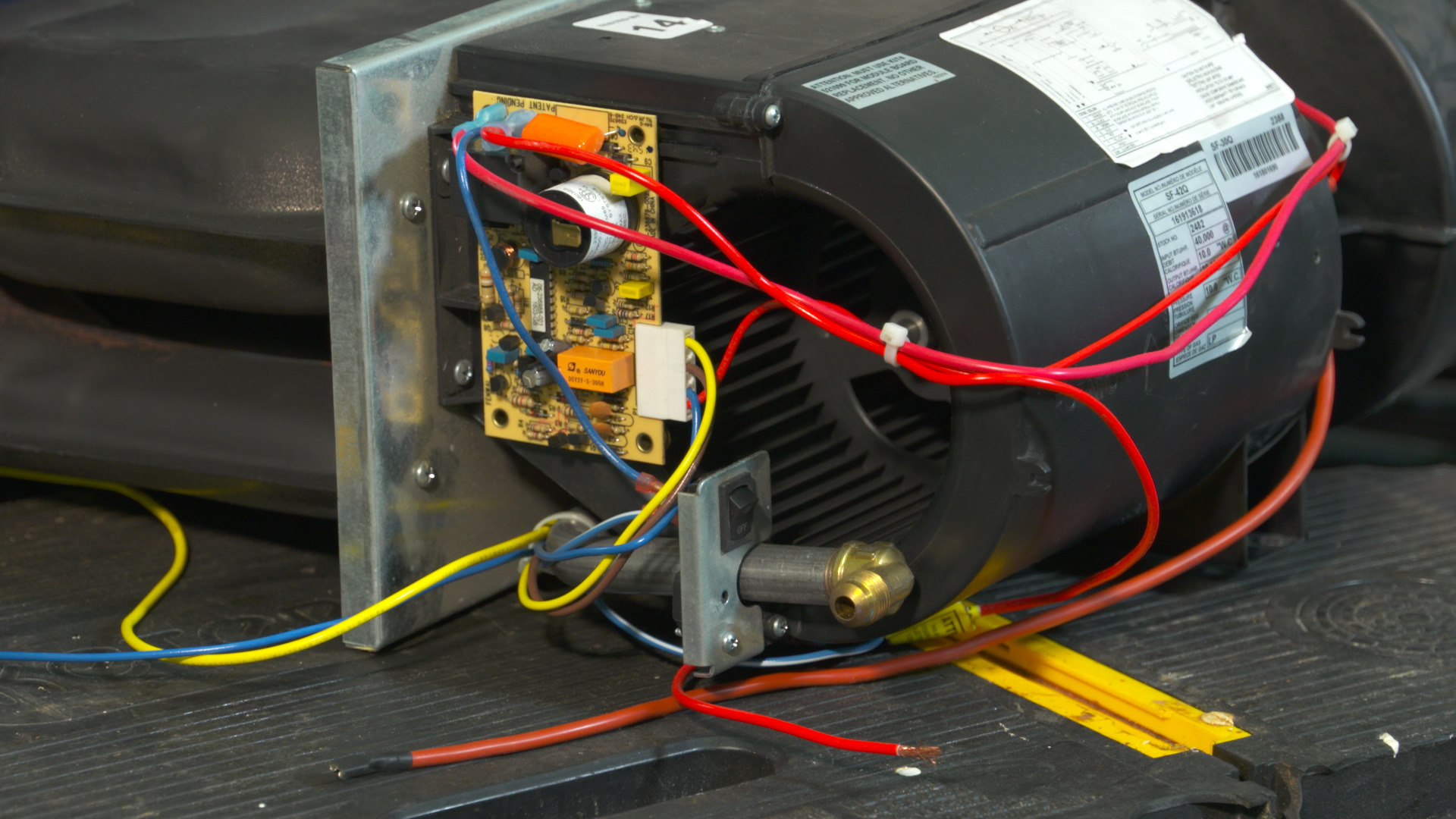
How a motorhome furnace works
A motorhome furnace burns propane to heat air that a fan pushes through ducts. A thermostat tells the furnace when to start and stop. Modern units use electronic ignitors or standing pilots. Knowing how the system works helps with Motorhome Furnace Troubleshooting because each part points to specific failures.
Common problems and what causes them
Motorhome Furnace Troubleshooting often begins with a short list of common faults. The usual problems are no heat, weak heat, short cycling, strange smells, and safety lockouts. Causes range from empty propane tanks to clogged combustion air paths or failed control boards.
- No heat – Propane off, empty tank, or closed valve.
- Weak heat – Dirty burner, blocked vent, or low airflow.
- Short cycling – Thermostat misread, overheating, or control faults.
- Fan runs but no flame – Ignitor failure or blocked fuel line.
- Smell of gas – Leaks in fuel lines or poor fittings.
- Carbon monoxide risk – Blocked exhaust or incomplete combustion.
These causes guide Motorhome Furnace Troubleshooting steps and safety checks. Start with the simplest checks before moving to deeper diagnostics.
Step-by-step troubleshooting guide
Follow these clear steps for Motorhome Furnace Troubleshooting. Stop if you smell propane or suspect carbon monoxide and ventilate the coach immediately.
- Turn off and on
- Confirm main propane valve is open and tank has pressure.
- Reset furnace power at the switch or breaker then try again.
- Check power and fuses
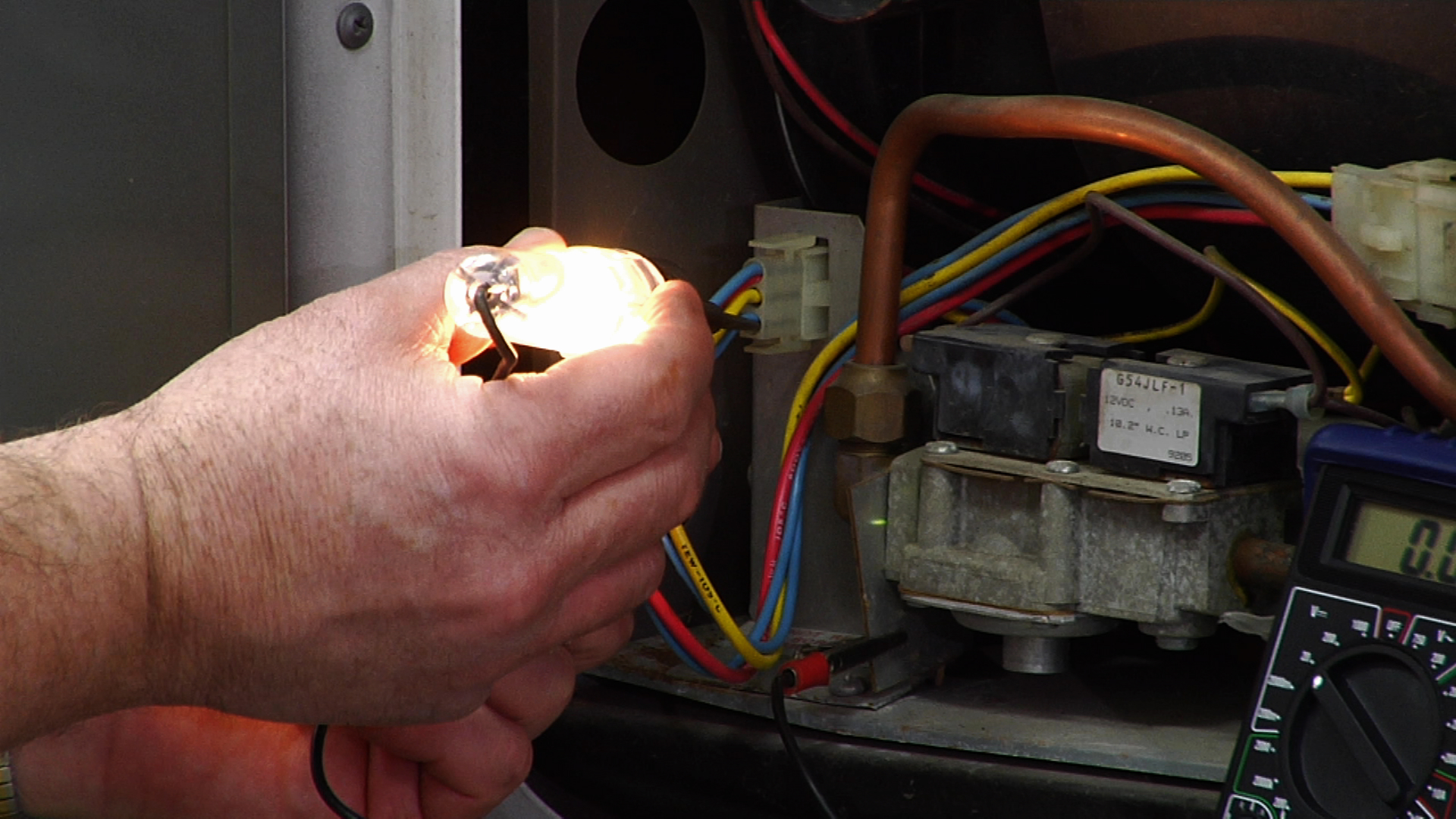
- Verify the coach battery is charged and the furnace has 12V at its terminal.
- Inspect the inline fuse and replace if blown.
- Thermostat and controls
- Set thermostat higher than room temp and test.
- Swap with a known-good thermostat or use a multimeter to test continuity.
- Inspect vents and ducts
- Clear intake and exhaust vents from leaves, snow, or insects.
- Check duct joints for sagging or blockages that limit airflow.
- Visual burner and ignitor check
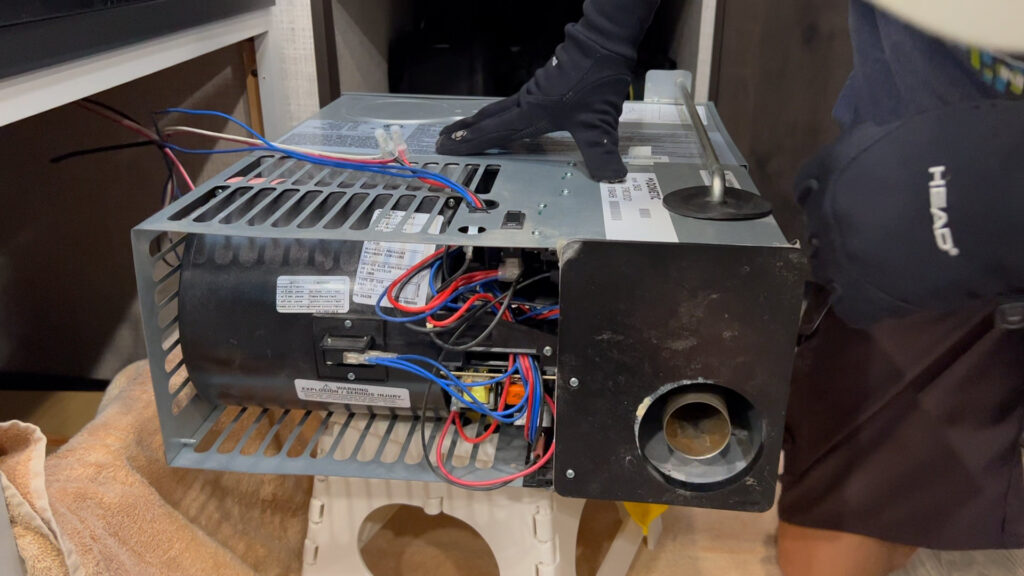
- Remove furnace access panel and look at the burner flame; it should be steady and blue.
- Replace a cracked ignitor or clean a fouled electrode.
- Gas flow and safety devices
- Ensure regulator is not frozen or clogged.
- Check any low-pressure sensors or tip-over switches that may stop ignition.
- Test the blower and limit switch
- Run the fan and listen for abnormal noise or wobble.
- Test the high-limit switch for opens that can stop heating.
- Clean and try again
- Clean the burner, pilot tube, and flame sensor with a soft brush.
- Cycle the furnace several times to confirm stable operation.
From my experience, a blocked vent or a dead battery causes most failures. I once traced a no-heat complaint to an insect nest in the exhaust; it took ten minutes to clear and the furnace worked again.

PAA-style quick questions
Q: Why won't my RV furnace light even with propane on?
A: Check for power, a blown fuse, or a faulty ignitor; confirm propane pressure and open valves.
Q: How often should I clean the burner and vent?
A: Clean burners and vents at least once a year or before long trips; check more often in dusty areas.
Q: Can a low battery stop the furnace?
A: Yes, many furnaces need strong 12V power to run ignitors and fans; a weak battery can prevent ignition.
Safety and tools
Safety is critical during Motorhome Furnace Troubleshooting. Never ignore propane smells, and always use a CO detector inside the coach. Basic tools make checks safer and faster.
- Essential tools
- Multimeter for voltage and continuity checks.
- Small brush and compressed air for cleaning burners.
- Wrench set and screwdriver set for access.
- Soap solution for gas leak checks.
- Safety steps
- Turn off propane if you smell gas and ventilate the area.
- Use battery disconnect or breaker to cut power before working.
- Test carbon monoxide alarms before each trip.
- Wear gloves and eye protection while cleaning or testing parts.
I always carry a small furnace repair kit and a spare fuse on trips. That habit saved a weekend once when we were cold at 20°F.
Maintenance and prevention
Regular maintenance reduces emergency repairs and extends furnace life. A few simple habits solve many Motorhome Furnace Troubleshooting headaches.
- Monthly checks
- Inspect outside vents for debris, ice, or insects.
- Test the furnace on and off to confirm normal cycling.
- Seasonal service
- Clean burners, flame sensor, and blower at the start of heating season.
- Replace old hoses and check regulator function.
- Long-term care
- Run the furnace briefly in shoulder seasons to keep parts dry.
- Keep batteries charged and replace if they fail load tests.
- Records and parts
- Keep a log of maintenance dates and parts changed.
- Carry common spare parts: fuses, ignitor, flame sensor, and a small sealant tube.
A simple maintenance routine avoids most roadside fixes. Preventive checks are the heart of good Motorhome Furnace Troubleshooting.

When to call a professional
Some issues need trained service for safety and compliance. Know the signs that mean you should stop and call a technician.
- Call a pro if you:
- Smell propane after checks or find a leak with soap test.
- Have a CO alarm activation or suspect exhaust blockage.
- See repeated control board errors or electronics failures.
- Need furnace removal or sealed combustion component work.
- Expect service
- A trained tech can test gas pressure, combustion quality, and control boards.
- Professional service reduces risk and often includes warranties.
When I hit a stubborn control board fault, a certified RV technician fixed it and saved me time and risk. Some jobs are best left to experts.

Frequently Asked Questions of Motorhome Furnace Troubleshooting
What should I check first if my motorhome furnace won't start?
Start with power, battery voltage, and the furnace fuse. Then confirm the propane supply and that the tank valve is open.
How do I know if the furnace ignitor is bad?
A failed ignitor often means no flame but power to the unit. Look for a cracked or broken ignitor and replace if needed.
Is a carbon monoxide alarm enough to detect furnace problems?
A CO alarm alerts you to dangerous exhaust, but it does not replace regular furnace inspections and vent checks. Always maintain the furnace to prevent CO issues.
Can I clean the burner and pilot myself?
Yes, you can clean small deposits with a brush and compressed air, but avoid damaging electrodes or sensors. If you are unsure, have a pro do the work.
Why does the furnace short cycle and turn on and off quickly?
Short cycling can be caused by thermostat faults, overheating due to blocked vents, or flame sensing issues. Simple vent and thermostat checks often fix this.
How often should I replace the furnace thermostat batteries?
Replace thermostat batteries at least once a year or before winter travel. Weak batteries can cause intermittent thermostat signals.
What if my furnace runs but only blows cold air?
If the blower runs but air is cold, check the burner flame and fuel flow. A dirty burner or clogged fuel line may stop heat generation despite fan operation.
Conclusion
Motorhome Furnace Troubleshooting is mostly about steady, simple checks: power, propane, vents, and basic cleaning. Follow the step-by-step guide, respect safety rules, and keep a small tool kit and spare parts on board. If you face gas leaks or persistent electronic faults, call a certified technician to protect your safety.
Take action today: test your furnace now, clean vents, and add essential parts to your RV kit. If this guide helped, leave a comment with your question or subscribe for more hands-on RV repair tips.

