

Oil furnace troubleshooting fixes no heat, short cycling, yellow flame, soot, and oil smell problems.
I’ve spent years working on residential heating systems and writing clear guides for homeowners. This article on Oil Furnace Troubleshooting explains how these systems work, common failures, simple checks you can do safely, and when to call a pro. You’ll get step-by-step troubleshooting, real-life tips from the field, maintenance plans, and cost expectations to help you diagnose and fix problems or make smart service decisions.

36% off Today’s Exclusive Deals
Limited-time Exclusive Deals. Check current discount on Amazon.
Check Price on Amazon As an Amazon Associate I earn from qualifying purchases.
Understanding how oil furnaces work and why troubleshooting matters
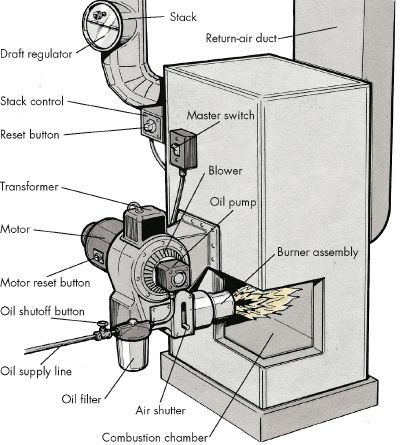
Oil Furnace Troubleshooting begins with a basic picture of how the system runs. An oil furnace draws oil from the tank, atomizes it at the burner, ignites it in the combustion chamber, and moves warm air through ductwork with a blower. Controls, filters, pumps, nozzles, and vents all affect performance.
Troubleshooting matters because small issues can become expensive or unsafe. Early checks often prevent breakdowns, reduce fuel waste, and lower carbon monoxide risk. My field work shows that routine troubleshooting and simple fixes resolve most common problems without major parts replacement.
Common signs, causes, and quick fixes
Recognizing symptoms makes Oil Furnace Troubleshooting fast and effective. Below are common signs, likely causes, and quick actions you can take.
- No heat
- Causes: empty tank, tripped switch, clogged filter, burner lockout.
- Quick fixes: confirm fuel level, reset the furnace if safe, replace dirty filter, check electrical switches.
- Weak or uneven heat
- Causes: dirty filter, clogged nozzle, poor airflow, blocked ducts.
- Quick fixes: change filter, inspect vents, clean registers, check blower operation.
- Short cycling (turns on and off quickly)
- Causes: thermostat issues, oversized furnace, blocked flame sensor, safety limit trips.
- Quick fixes: test thermostat, clear airflow restrictions, call a tech if cycling continues.
- Yellow or lazy flame and soot
- Causes: poor combustion, dirty nozzle, wrong nozzle size, clogged combustion air.
- Quick fixes: do not run the furnace long—this indicates combustion problems; schedule professional service.
- Strong oil smell or visible leaks
- Causes: tank leak, line leak, spilled oil during fill, burner leaks.
- Quick fixes: stop using burner, ventilate area, call a certified technician and clean spill per local rules.
- Loud noises or vibrations
- Causes: loose parts, failing blower motor, oil pump problems.
- Quick fixes: tighten panels, clear debris, note noise patterns for the technician.
These checks make up the first layer of Oil Furnace Troubleshooting. If a fix feels risky or requires opening the burner, stop and call a pro.

Step-by-step oil furnace troubleshooting checklist (safe DIY)
Use this checklist to work through common faults safely. Always turn off power before accessing internal components and follow local safety rules.
Tools and items to have:
- Spare filters
- Flashlight
- Multimeter
- Small wrench set
- Disposable gloves
- Rag and bucket
Step-by-step:
- Safety first
- Turn off power at the furnace and the service switch.
- Shut off the oil valve if you suspect a leak.
- Check fuel level and supply
- Verify tank level and that fuel lines are open.
- Confirm recent delivery was not contaminated.
- Inspect filters and airflow
- Replace the air filter if dirty.
- Ensure vents and returns are open and unblocked.
- Verify thermostat and controls
- Set thermostat higher and listen for the furnace to start.
- Check settings, batteries, and wiring connections.
- Reset and observe
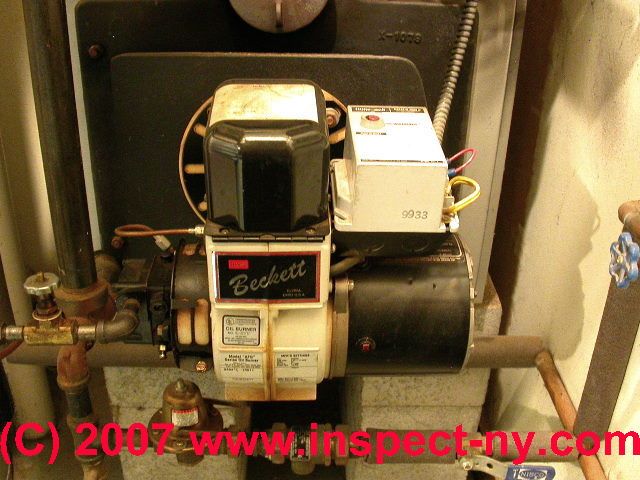
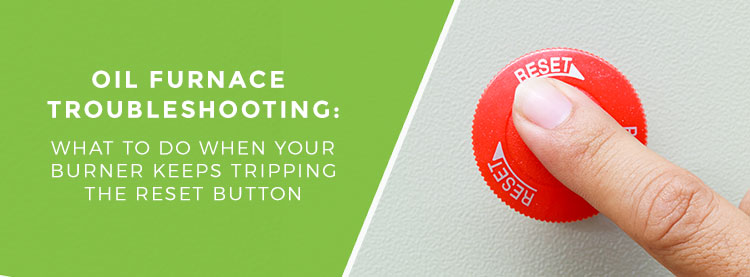
- Use the reset button only as the manufacturer advises; don’t repeatedly reset.
- Watch startup cycle for unusual behavior.
- Inspect burner and flame
- Do not open burner if you’re not trained; visually check for soot at the register and abnormal odors.
- Check for leaks and odors
- Look for oil on the floor or piping. If found, shut down and call service.
- Test electrical and motors
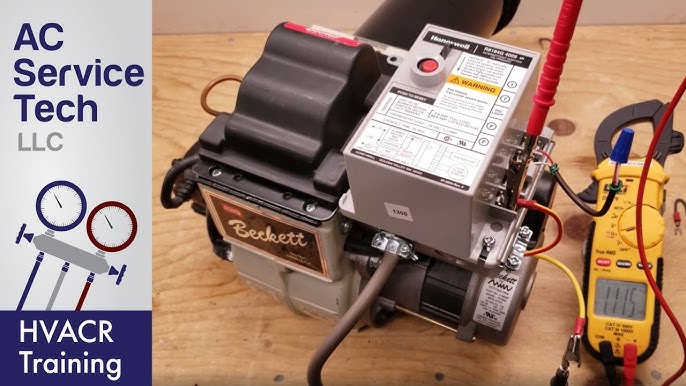
- With power on and precautions, test blower motor and controls with a multimeter.
- Note codes and safety trips
- Write down any error codes on the control board for the technician.
If troubleshooting reaches the burner assembly, fuel pump, nozzle replacement, or combustion adjustment, arrange professional service. These tasks require tools and training.
PAA-style quick questions:
- How often should I replace the oil furnace filter?
- Replace every 1–3 months depending on use and filter type.
- Why is my furnace short cycling after a tank fill?
- Air in lines or a blocked nozzle after filling can cause intermittent operation; a tech may need to bleed the lines.
When to DIY and when to call a professional
Oil Furnace Troubleshooting has clear safety boundaries. DIY is fine for basic checks, filters, thermostat, and ensuring fuel supply. Call a professional when issues involve combustion, fuel system integrity, or internal burner adjustments.
Call a pro for:
- Persistent yellow flame or heavy soot
- Fuel leaks or strong oil smell
- Nozzle, nozzle filter, or pump replacement
- Pressure adjustments or test-metering
- Complex electrical faults or control board errors
Licensed technicians have combustion analyzers, certified training, and insurance. For safety and compliance, many local codes require certified service for major oil furnace repairs.

Preventive maintenance checklist to reduce breakdowns
Regular maintenance cuts the need for troubleshooting. A short yearly habit keeps your system reliable.
Annual tasks:
- Professional tune-up and combustion test once per year.
- Replace or clean air filters every 1–3 months.
- Inspect flue pipe and chimney for blockages or corrosion.
- Test carbon monoxide detectors monthly.
- Check tank condition, lines, and fill valves during deliveries.
- Track fuel consumption to spot sudden changes.
Simple homeowner upkeep prevents many causes found during Oil Furnace Troubleshooting. From my experience, homeowners who follow this schedule see fewer emergency calls and lower fuel bills.
Real-life examples, lessons, and tips from the field
I remember a house where the owner reported no heat right after a delivery. It turned out the fill had stirred sediment into the line. Bleeding the line fixed it. That taught me to check for air and contamination after fills.
Other lessons:
- Repeatedly hitting reset often hides the real issue and can damage the primary control.
- A yellow flame spotted early typically avoids a full burner rebuild.
- Keep the area around the furnace clear; restricted airflow shows up as short cycling.
Mistakes to avoid:
- Do not replace a nozzle without matching the model and spray pattern.
- Avoid DIY combustion adjustments; they affect safety and efficiency.
- Don’t ignore small oil stains—act early to avoid bigger leaks.
Parts, tools, and expected costs
Understanding parts and costs helps you make informed choices during Oil Furnace Troubleshooting.
Common parts:
- Nozzle
- Primary control
- Pump and coupling
- Fuel filter and strainer
- Cad cell eye or flame sensor
- Blower motor and belts
Typical cost ranges (rough estimates):
- Air filter: $5–$25
- Burner nozzle: $10–$40
- Fuel filter: $15–$60
- Pump or combustion adjustment: $200–$600 labor included
- Major burner service or replacement: $500–$2,500
Costs depend on region, unit age, and whether you use OEM parts. Always get written estimates and check technician credentials.

Safety and environmental considerations
Oil Furnace Troubleshooting must respect safety and environmental rules. Handling fuel improperly can harm people and the environment.
Key safety points:
- Carbon monoxide risk: install and test CO detectors near sleeping areas.
- Spill response: absorb spills with approved materials and follow local disposal rules.
- Venting: ensure the chimney and flue are clear for safe combustion gas removal.
- Electrical safety: shut power before service and avoid wet conditions.
- Permits and codes: some repairs require licensed technicians and permits.
When in doubt, stop and call a certified technician. Safety always outweighs saving a few dollars.
Frequently Asked Questions of Oil Furnace Troubleshooting
Why does my oil furnace make noise when starting?
Noisy starts often mean a loose blower, failing motor bearings, or air in the fuel line. Tighten panels, check the blower, and call a tech if the noise persists.
How do I know if the burner nozzle needs replacement?
Soot, a lazy yellow flame, or loss of efficiency usually indicate nozzle wear or clog. A technician inspects and replaces the nozzle with the correct specification.
Can I use any oil filter or nozzle for my furnace?
No, use filters and nozzles matched to your furnace model and burner specs to ensure correct flow and spray pattern. Incorrect parts reduce efficiency and can cause damage.
How often should I schedule professional maintenance?
Have a professional tune-up and combustion test at least once a year, ideally before the heating season begins. Frequent use or older systems may need more frequent checks.
Why is my furnace short cycling after maintenance?
Short cycling can result from blocked filters, incorrect burner adjustment, or safety limit trips after service. Verify basic items and contact your service tech if cycling continues.
Is a strong oil smell dangerous?
Yes. A strong oil odor can indicate a leak or incomplete combustion. Ventilate, shut down the furnace if safe, and call a certified technician immediately.
Conclusion
Oil Furnace Troubleshooting helps you diagnose, fix, and prevent common heating problems while keeping safety first. Use the step-by-step checks, watch for warning signs like yellow flames or oil smells, and keep a maintenance schedule to avoid costly repairs. If the issue involves combustion, fuel leaks, or complex controls, call a certified technician.
Takeaway: start with simple checks—fuel level, filter, thermostat—and move to professional service when needed. If this guide helped, subscribe for more home heating tips or leave a comment describing your furnace issue so I can offer targeted advice.

