

Quick fix tips for GE bottom freezer refrigerator troubleshooting: check temp, seals, fans, and defrost system.
I have worked on dozens of GE bottom freezer refrigerators and written repair guides for homeowners and technicians. This article walks you through GE Bottom Freezer Refrigerator Troubleshooting with clear steps, simple tests, and real-world tips. You will learn how to find causes, run safe checks, perform basic repairs, and know when to call a pro. Read on for a step-by-step, friendly guide to diagnose and fix common issues fast.

36% off Today’s Exclusive Deals
Limited-time Exclusive Deals. Check current discount on Amazon.
Check Price on Amazon As an Amazon Associate I earn from qualifying purchases.
Why GE Bottom Freezer Refrigerator Troubleshooting matters
A GE bottom freezer refrigerator combines a top fridge with a lower freezer. That design saves bending and keeps frozen food handy. But the layout can hide issues in the evaporator, defrost parts, or door seals. Understanding GE Bottom Freezer Refrigerator Troubleshooting helps you save time and money. It also keeps food safe and reduces waste.
Common goals when troubleshooting:
- Restore proper temperature quickly.
- Stop frost buildup or water leaks.
- Fix strange noises or cycling problems.
- Prevent recurring failures with simple maintenance.

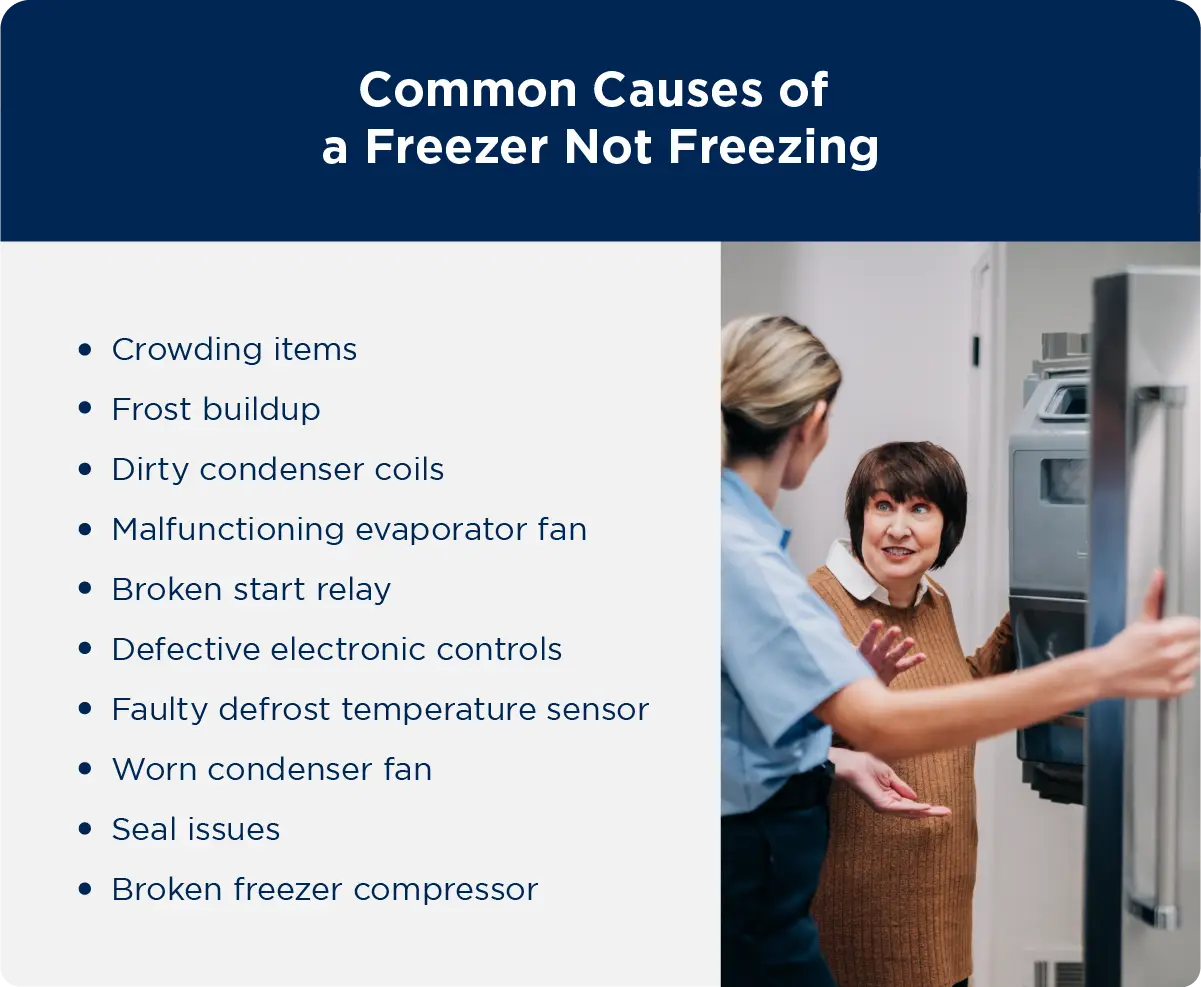
Common causes of GE Bottom Freezer Refrigerator Troubleshooting issues
Most problems come from a few key parts. Knowing these helps you diagnose fast.
Major causes:
- Faulty door gasket that lets warm air in.
- Dirty condenser coils that reduce cooling.
- Broken evaporator fan or condenser fan.
- Defrost system failure: heater, thermostat, or control.
- Start relay or capacitor problems on the compressor.
- Thermostat or control board faults.
- Ice maker or water line leaks.
- Leveling or airflow obstructions.
These causes show up in many GE Bottom Freezer Refrigerator Troubleshooting cases. Spotting which one is likely speeds repairs.
How to diagnose: step-by-step GE Bottom Freezer Refrigerator Troubleshooting
Use a few simple tools: a fridge thermometer, multimeter, flashlight, and basic hand tools. Follow safe steps and unplug power before electrical checks.
Quick diagnostic checklist:
- Check temperatures: fridge 37°F (3°C), freezer 0°F (-18°C).
- Listen for fans and compressor running.
- Inspect gasket for gaps, dirt, or tears.
- Look for frost on the back of the freezer or evaporator cover.
- Clean condenser coils and check airflow under the unit.
- Check door alignment and level of the appliance.
- Test defrost heater and defrost thermostat with a multimeter if frost is heavy.
- Swap or test start relay if the compressor doesn’t run.
PAA-style questions
Why is my freezer cold but fridge warm?
A likely cause is poor air circulation from a failed evaporator fan or blocked vents. Check the fan and any frost blockages as part of GE Bottom Freezer Refrigerator Troubleshooting.
Why is there frost in the freezer?
Frost often means the defrost system failed or the door seal leaks. Test the defrost heater and inspect the gasket during troubleshooting.
Why does my fridge run constantly?
Dirty coils, poor door seals, or refrigerant issues can make the fridge run nonstop. Start with coils and seals in GE Bottom Freezer Refrigerator Troubleshooting.

Common symptoms and simple fixes in GE Bottom Freezer Refrigerator Troubleshooting
Below are typical problems and quick fixes. Each item links symptom, likely cause, and a basic remedy.
Symptom: Fridge too warm
- Cause: Blocked vents, evaporator fan failure, or cold control issue.
- Fix: Clear vents, test fan, check temperature control setting.
Symptom: Freezer frost build-up
- Cause: Defrost heater, defrost thermostat, or control failure.
- Fix: Test defrost components, replace faulty part, and defrost manually.
Symptom: Water leak inside or under fridge
- Cause: Clogged defrost drain or water line leak.
- Fix: Clear drain with warm water and a soft brush; inspect water line and fittings.
Symptom: Loud humming or clicking
- Cause: Bad start relay or failing compressor.
- Fix: Test start relay; replace relay or call a pro for compressor issues.
Symptom: Ice maker not working
- Cause: Water inlet valve, clogged fill tube, or faulty ice mold thermostat.
- Fix: Check water supply, test inlet valve, and inspect ice maker assembly.
These steps are core to any GE Bottom Freezer Refrigerator Troubleshooting process.
Parts to check and how to perform basic repairs
You can do many repairs at home. Always unplug the refrigerator first and follow safety rules.
Parts and basic actions:
- Door gasket
- Inspect for cracks or gaps. Clean with warm, soapy water.
- Replace gasket if it won’t seal. This often stops frost and cooling loss.
- Condenser coils
- Vacuum and brush coils every six months. Dirty coils reduce efficiency.
- Evaporator fan
- Listen for fan noise when compressor runs. Replace if it’s silent or wobbly.
- Defrost heater and thermostat
- Remove rear freezer panel. Check continuity with a multimeter and replace failed parts.
- Start relay and overload
- If compressor clicks but won’t run, replace the start relay first.
- Water inlet valve and tubing
- Tighten or replace leaking fittings. Replace cracked tubes.
- Temperature control and control board
- Check for error codes if your model supports them. Replace control board if tests point to failure.
Tools to keep on hand:
- Multimeter for continuity and voltage checks.
- Refrigerator thermometer.
- Nut drivers, screwdrivers, and a putty knife for panels.
- Coil brush and vacuum for cleaning.

Safety and best practices for GE Bottom Freezer Refrigerator Troubleshooting
Safety matters. Follow these rules before any repair.
Safety tips:
- Always unplug the refrigerator before working inside.
- Use insulated tools for electrical tests.
- Don’t puncture refrigerant lines; sealed system repairs need a licensed tech.
- Keep children and pets away while you work.
- Label screws and small parts to ease reassembly.

Preventive maintenance to avoid future GE Bottom Freezer Refrigerator Troubleshooting
A little care cuts trips to the repair shop. Use these simple habits.
Recommended routine:
- Clean condenser coils every 6 months.
- Check door gaskets monthly and clean them.
- Keep vents and fan areas clear for airflow.
- Set fridge to 37°F and freezer to 0°F.
- Defrost manually if frost builds unusually fast.
- Level the fridge to prevent door misalignment.
- Replace water filters per the manufacturer schedule.
These steps reduce wear, save energy, and prevent common GE Bottom Freezer Refrigerator Troubleshooting calls.

When to call a pro for GE Bottom Freezer Refrigerator Troubleshooting
Some problems need a technician. Call a pro if you see these signs.
Call a technician when:
- The compressor is hot and silent after relay replacement.
- There is a suspected refrigerant leak or sealed system failure.
- You find electrical shorts or burnt wiring.
- Repair requires specialized tools or sealed-system service.
- Multiple components fail at once or error codes point to control board issues.
Knowing your limits helps you avoid costly mistakes during GE Bottom Freezer Refrigerator Troubleshooting.
Personal experience: lessons from real GE Bottom Freezer Refrigerator Troubleshooting
I once fixed a family fridge with constant running. The owner had new food, warm drinks, and worry. I found a small crack in the gasket and heavy dust on the coils. Cleaning the coils and replacing the gasket cut runtime in half. The repair cost under $60 and avoided a big service bill.
Lessons learned:
- Start with simple checks. Gaskets and coils solve many problems.
- Keep a thermometer to catch slow failures.
- Document steps and take photos before disassembly.
- Don’t ignore faint clicks or frost; they grow into bigger faults.
These real tips come from hands-on repairs and save time and stress.
Frequently Asked Questions of Ge Bottom Freezer Refrigerator Troubleshooting
Why is my GE bottom freezer refrigerator not cooling?
Check the condenser coils, door seals, and evaporator fan first. If those are fine, test the start relay and consider a technician for compressor issues.
How do I defrost a GE bottom freezer fridge?
Unplug the fridge, remove food, and let ice melt naturally or speed it with pans of hot water. Clear the defrost drain and dry the area before restarting.
How often should I clean the condenser coils?
Clean coils every six months, or more often if you have pets or dusty air. Clean coils improve cooling and reduce energy use.
Can I replace the door gasket myself?
Yes. Turn off power, remove the old gasket, and press the new one into the channel. Heat the gasket gently to help it seal, and check for gaps.
What if my fridge makes a loud buzzing noise?
Buzzing may point to the compressor, fan motor, or start relay. Inspect fans and relays first; call a pro for compressor or sealed-system problems.
How do I know if the defrost heater failed?
Look for heavy frost on the evaporator coil and an iced-over freezer back panel. Test the heater and thermostat for continuity with a multimeter.
Conclusion
GE Bottom Freezer Refrigerator Troubleshooting is about smart checks and steady fixes. Start with simple things like temperature, gaskets, and coils. Use safe steps for tests and basic repairs, and call a pro for sealed-system or compressor faults. Small habits prevent many problems and keep food safe. Try the checks in this guide, leave a comment with your symptom, or subscribe for more repair tips.

