

Quick fix tips for common GE refrigerator issues: start with power, temperature, and airflow checks.
I’ve worked on refrigerators for years and have guided many homeowners through clear, safe GE Refrigerator Troubleshooting. This guide breaks down causes, step-by-step fixes, and maintenance tips. You’ll get practical checks you can do, parts to inspect, when to call a pro, and real-life lessons from my experience. Read on to confidently diagnose and repair common GE Refrigerator Troubleshooting problems.

36% off Today’s Exclusive Deals
Limited-time Exclusive Deals. Check current discount on Amazon.
Check Price on Amazon As an Amazon Associate I earn from qualifying purchases.
How to diagnose GE refrigerator problems
Start with simple checks. Confirm the fridge has power and the lights turn on. Listen for compressor or fan sounds.
Check the temperature settings next. Thermostat misset is a common cause. Use a fridge thermometer for accuracy.
Look for frost, leaks, or odd smells. These clues narrow down the issue fast. GE Refrigerator Troubleshooting often begins with small, visible signs.
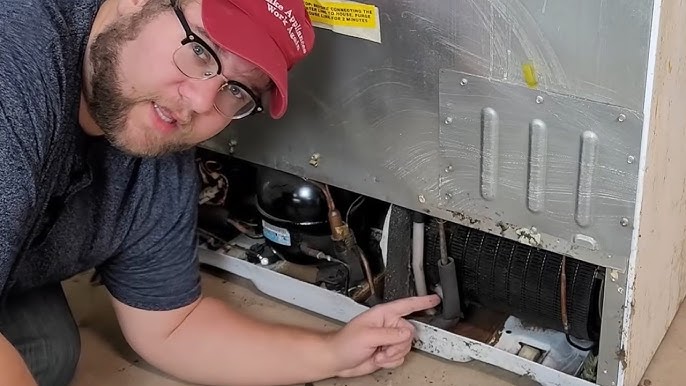
Common GE refrigerator problems and what they mean
Defrost failure
- Symptoms: Frost buildup in freezer, poor cooling in fridge.
- Likely cause: Faulty defrost timer, heater, or sensor.
- What to do: Manually defrost, then test components.
No cooling but running
- Symptoms: Compressor runs but temps rise.
- Likely cause: Dirty condenser coils, low refrigerant, or compressor failure.
- What to do: Clean coils and check airflow. If problem persists, contact a technician.
Leaking water
- Symptoms: Water under fridge or puddles inside.
- Likely cause: Clogged drain tube or damaged water line.
- What to do: Clear drain and inspect water connections.
Ice maker not working
- Symptoms: No ice, partial fills, or small cubes.
- Likely cause: Water valve issue, clogged filter, or ice maker module fault.
- What to do: Replace filter, test water valve, or reset ice maker.
Strange noises
- Symptoms: Buzzing, clicking, or rattling.
- Likely cause: Evaporator fan motor, condenser fan, or compressor.
- What to do: Identify which area the sound comes from, then inspect fan blades and mounts.
GE Refrigerator Troubleshooting centers on pattern recognition. Note when problems started and recent events like power outages.

Step-by-step troubleshooting checklist
-
Safety first
- Unplug the fridge before any hands-on checks.
- Turn off water supply if you work on the ice maker or water line.
-
Basic checks
- Confirm outlet power with a tester or lamp.
- Check door seals for gaps. Use a dollar bill to test the seal.
-
Clear airflow and coils
- Move the fridge away from the wall slightly.
- Vacuum condenser coils and clear debris.
-
Temperature verification
- Use thermometers in fridge and freezer for 24 hours.
- Set temps to GE recommended values (usually 37°F for fridge, 0°F for freezer).
-
Test components
- Listen for fan motors.
- Inspect the evaporator for frost.
- Run a defrost cycle if frost buildup appears.
These steps form the backbone of GE Refrigerator Troubleshooting. Follow them before replacing parts.

Parts and tools to inspect for GE Refrigerator Troubleshooting
Essential tools
- Multimeter for voltage and continuity checks.
- Small brush or vacuum for coils.
- Thermometer for temperature checks.
- Needle or pipe cleaner to clear drain clogs.
Parts to examine
- Condenser coils and fan.
- Evaporator and defrost heater.
- Start relay and compressor.
- Door gaskets and hinges.
- Water inlet valve and filter.
- Ice maker assembly and fill tube.
My tip: buy basic parts like water filters and gaskets ahead. They are cheap and save time. Proper tools speed up GE Refrigerator Troubleshooting and reduce mistakes.

Preventive maintenance to avoid GE Refrigerator Troubleshooting
Clean coils twice a year. Dust and pet hair reduce cooling efficiency.
Replace water filter every six months. A clogged filter affects ice and water.
Check door gaskets regularly. Replace damaged seals to stop cold loss.
Defrost when frost is 1/4 inch thick. Excessive frost signals a defrost issue.
Keep vents inside clear. Do not overpack the fridge; allow airflow.
In my garage, a regular six-month check cut service calls by half. Small upkeep prevents many GE Refrigerator Troubleshooting headaches.

When to call a professional for GE Refrigerator Troubleshooting
Call a technician if:
- You suspect refrigerant leaks. Handling refrigerant is regulated and needs a licensed tech.
- The compressor is hot and the fridge still won’t cool. Compressor work is complex.
- Electrical parts show signs of burning or repeated tripping. Safety first.
- You’re uncomfortable testing with a multimeter. A pro reduces risk.
Keep warranty and model info handy. For GE Refrigerator Troubleshooting beyond basic checks, a certified technician ensures safe, correct repairs.

Frequently Asked Questions of Ge Refrigerator Troubleshooting
What do I do if my GE refrigerator is not cooling but the compressor runs?
Check condenser coils, clear airflow around the unit, and verify temperature settings. If coils are clean and the fridge still won’t cool, call a technician.
Why is my GE freezer frosting up?
Frost can mean a faulty defrost system, a damaged gasket, or frequent door openings. Manually defrost and test the defrost heater and timer.
How often should I replace my GE refrigerator water filter?
Replace the filter every six months or when water flow drops. A clogged filter affects ice quality and the ice maker’s operation.
Can I reset my GE refrigerator’s controls myself?
Yes. Unplug the unit for 5 minutes or use the control panel reset if available. If problems persist after a reset, further diagnosis is needed.
Is it safe to clean the coils myself?
Yes, when unplugged. Use a coil brush or vacuum and be gentle. Cleaning reduces energy use and improves cooling.
Why does my GE refrigerator make loud noises?
Noises often come from the evaporator or condenser fan motors. Inspect fan blades for ice or debris, and secure loose parts.
Conclusion
GE Refrigerator Troubleshooting becomes simple when you follow clear checks and safe steps. Start with power, airflow, and temperature. Clean coils, test components, and replace small parts before calling a pro. Regular maintenance cuts repair bills and keeps food safe. Try the steps above, and share your results or questions below—subscribe for more home appliance tips and troubleshooting guides.

