

Most True refrigerator issues stem from dirty coils, thermostat faults, or defrost failures.
I have spent years troubleshooting commercial and residential refrigeration systems, and this guide distills that hands-on experience into clear steps you can use. True Refrigerator Troubleshooting covers how these units work, common failures, step-by-step diagnostics, safe DIY fixes, when to call a pro, and maintenance tips that save time and money. Read on to gain confidence and practical skills for True Refrigerator Troubleshooting so you can spot problems fast and fix what you safely can.

36% off Today’s Exclusive Deals
Limited-time Exclusive Deals. Check current discount on Amazon.
Check Price on Amazon As an Amazon Associate I earn from qualifying purchases.
How True Refrigerators Work
True refrigerators are popular for their build and reliable cooling. They use a compressor, condenser coils, expansion device, and evaporator to move heat out of the cabinet. A thermostat or electronic control tells the compressor when to run. Many True models add features like rapid cooling, automatic defrost, and gasket sealing to keep temps steady.
Knowing the parts helps with True Refrigerator Troubleshooting. If you can name the compressor, condenser, evaporator, thermostat, and defrost system, you will find issues faster. I like to map the airflow and refrigerant path in my head before I open panels. This makes troubleshooting faster and safer.
Common Problems and Causes
True Refrigerator Troubleshooting often finds the same set of issues. Here are the most frequent problems and their likely causes.
- Warm fridge or inconsistent temperature
- Dirty condenser coils, failed thermostat, or low refrigerant.
- Frost build-up or ice in the freezer
- Defrost timer failure, clogged drain, or door seal leak.
- Loud or unusual noises
- Bad fan motor, failing compressor, or loose panels.
- Water leaks inside or under the unit
- Blocked drain, cracked drain pan, or water line failure.
- Running constantly or short cycling
- Faulty thermostat, stuck relay, or electrical issues.
- Ice maker not working
- Water line blockage, bad inlet valve, or control issue.
I once fixed a True unit that ran non-stop. The fix was simple: a thin film of dust on the condenser coils. Cleaning them restored normal run times.

Step-by-Step Troubleshooting Guide
Follow these clear steps for True Refrigerator Troubleshooting. Do them in order. Stop if you see a serious hazard.
- Check power and controls
- Ensure the unit is plugged in and the breaker is on. Verify the temperature set point.
- Listen and observe
- Note unusual sounds and how often the compressor runs. Check interior lights and fans.
- Inspect door seals and hinges
- Look for gaps, cracks, or worn gaskets. Use a dollar bill test: close a bill in the door; if it slips out easily, the seal may leak.
- Clean condenser coils
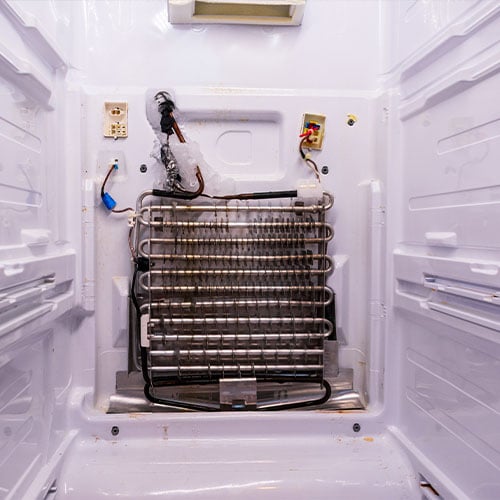
- Unplug unit. Use a brush or vacuum to remove dust. Dirty coils reduce cooling and cause long run times.
- Check airflow
- Make sure vents are clear and fans spin freely. Restricted airflow causes warm spots.
- Test defrost and drain
- Look for frost on the evaporator. If heavy ice is present, test the defrost heater, timer, and thermostat.
- Inspect for refrigerant issues
- Signs include oil stains, hissing, or warm compressor. Refrigerant work needs a licensed technician.
- Evaluate electrical components
- Test start relay, overload, and capacitors if compressor won’t run. Replace faulty parts per manufacturer specs.
If a step uncovers a complex issue, stop and get professional help. My rule: do what is safe and permitted by warranty rules.
PAA-style questions
What causes a True refrigerator to run but not cool?
- Often dirty condenser coils or a faulty thermostat. Low refrigerant or compressor failure are possible.
How do I know if the defrost system is bad?
- Look for heavy ice on the evaporator or a frosted freezer. If the heater or timer fails, frost accumulates.
Can I clean condenser coils myself?
- Yes, for most models. Unplug the unit and use a coil brush or vacuum. If coils are hard to reach, get a technician.

DIY Fixes and Safety Tips
Many True Refrigerator Troubleshooting steps you can do safely. Use common sense and basic tools. Work with the unit unplugged when possible.
- Simple DIY fixes
- Clean condenser coils
- Replace door gaskets
- Unclog drain lines with warm water
- Replace interior light bulbs
- Parts to avoid DIY
- Refrigerant handling
- Compressor replacement
- Complex sealed-system repairs
- Safety tips
- Unplug before working inside
- Wear gloves and eye protection
- Use a multimeter only if you know electrical basics
- Keep warranty in mind; some DIY steps may void it
From my experience, cleaning coils and checking seals fix many calls. I once fixed a busy deli’s True unit with a replacement gasket and a 20-minute coil clean. That saved the owner hundreds.

When to Repair vs Replace
Deciding whether to repair or replace is part of True Refrigerator Troubleshooting. Consider age, repair cost, and energy efficiency.
- Repair when
- Unit is under 7–10 years and repair costs are low
- Issue is a single part like a fan or gasket
- Warranty covers the repair
- Replace when
- Compressor or sealed system fails on an older unit
- Repair cost approaches 50% of a new unit
- Energy savings of a new model offset cost
Keep records of past repairs. They help assess ongoing reliability and whether replacement is a better investment. I advise small businesses to weigh downtime and food safety when choosing replacement.

Professional Service and Parts
True Refrigerator Troubleshooting often leads to a tech visit. Know what to expect and how to hire the right pro.
- What a pro will do
- Run electrical and pressure tests
- Check refrigerant charge and leaks
- Replace compressed system parts if licensed
- Provide a diagnosis and cost estimate
- Hiring tips
- Choose a certified refrigeration technician
- Ask about experience with True units
- Get a written estimate and warranty on parts and labor
- Parts and sourcing
- Use OEM or high-quality compatible parts
- Keep model and serial numbers handy before calling
I always ask a tech for a clear parts list and price before starting major repairs. This prevents surprises and helps compare quotes.
Maintenance Tips to Prevent Issues
Regular upkeep reduces the number of times you need True Refrigerator Troubleshooting.
- Weekly or biweekly
- Check and clean door gaskets
- Wipe interior spills and drains
- Monthly
- Clean condenser coils
- Inspect fan motors and vents
- Seasonally
- Test defrost function
- Check refrigeration temps with a calibrated probe
- Best practices
- Keep the unit level and not overloaded
- Avoid blocking airflow inside the cabinet
- Log temperature and maintenance actions
Small actions prevent big failures. In my shop, a short maintenance plan cut service calls by more than half.
Frequently Asked Questions of True Refrigerator Troubleshooting
Why is my True refrigerator warm while compressor runs?
If the compressor runs but the fridge is warm, check dirty condenser coils, restricted airflow, or a failed evaporator fan. Low refrigerant or a failing compressor are other causes and may need a pro.
How often should I clean the condenser coils on a True fridge?
Clean coils every three to six months in normal settings and monthly in dusty or commercial kitchens. Regular cleaning keeps cooling efficient and reduces run time.
Can I replace the door gasket myself?
Yes, most gaskets are user-replaceable with simple tools and a guide. Make sure to order the correct gasket for your model and follow the alignment steps to avoid leaks.
What are signs of a bad compressor?
Signs include loud grinding, the unit not cooling, and frequent short cycling. A warm or hot compressor combined with visible oil or hissing may indicate trouble.
Is it safe to add refrigerant myself?
No. Adding refrigerant is regulated and requires licensing. Improper handling can damage the system and harm the environment. Hire a licensed technician for refrigerant work.
How do I test the defrost heater?
Visually inspect for heavy frost on the evaporator. Use a multimeter to test continuity of the heater. If unsure, let a pro test the defrost circuit to avoid damage.
What temperature should a True refrigerator maintain?
For food safety, aim for 35–38°F (1.7–3.3°C) in fresh cases and 0°F (-18°C) for freezers. Use a calibrated probe for accurate checks.
Conclusion
True Refrigerator Troubleshooting is practical when you know the parts, follow safe steps, and keep up with routine maintenance. Start with simple checks like seals and coils. Do not attempt sealed-system or refrigerant repairs yourself. Use a trusted technician for complex issues. Apply these tips and you will save time, protect food, and extend your unit’s life. Try the maintenance checklist, log temps, and share your experience or questions below to learn more.

