

Most refrigerator cooling problems stem from blocked airflow, dirty coils, or faulty components.
I’ve worked on dozens of units and written guides for homeowners and technicians. This Refrigerator Not Cooling Troubleshooting article walks you through clear checks, easy fixes, and smart decisions. You’ll learn how refrigerators cool, common causes for loss of cooling, a detailed troubleshooting checklist you can follow step by step, tools and cost ranges, preventive care, and when to call a pro. Read on to diagnose and fix cooling problems with confidence.

36% off Today’s Exclusive Deals
Limited-time Exclusive Deals. Check current discount on Amazon.
Check Price on Amazon As an Amazon Associate I earn from qualifying purchases.
How refrigerators cool and why troubleshooting matters
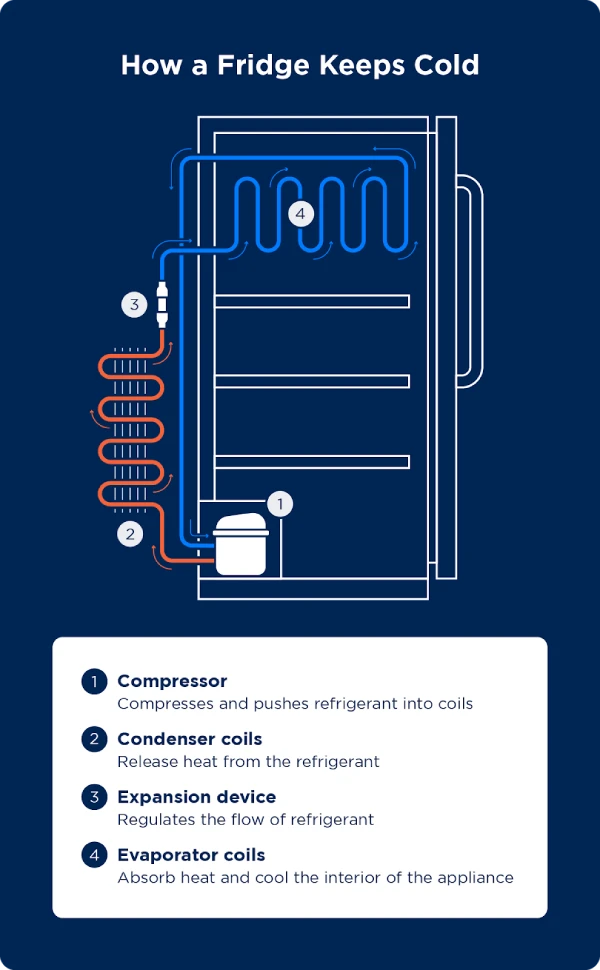
A refrigerator moves heat from inside the cabinet to the outside. Key parts include the compressor, condenser, evaporator, expansion device, and the thermostat or control board. When any part fails or airflow is blocked, the unit stops cooling. Understanding the system makes Refrigerator Not Cooling Troubleshooting faster and safer.
Common causes of Refrigerator Not Cooling Troubleshooting issues
- Power and controls
- Tripped breakers, loose plugs, or faulty controls can stop cooling without obvious signs.
- Thermostat or temperature settings
- Incorrect set points or broken thermostats can make a fridge warm.
- Blocked airflow
- Overpacked shelves or blocked vents prevent cold air circulation.
- Dirty condenser coils
- Dust and debris reduce heat rejection and drop cooling performance.
- Faulty evaporator fan or condenser fan
- Fans failing or obstructed mean no air movement over coils.
- Defrost system failure
- Ice build-up on the evaporator coil chokes airflow and cooling.
- Start relay or capacitor failure
- The compressor might not run or may hum if the relay or capacitor is bad.
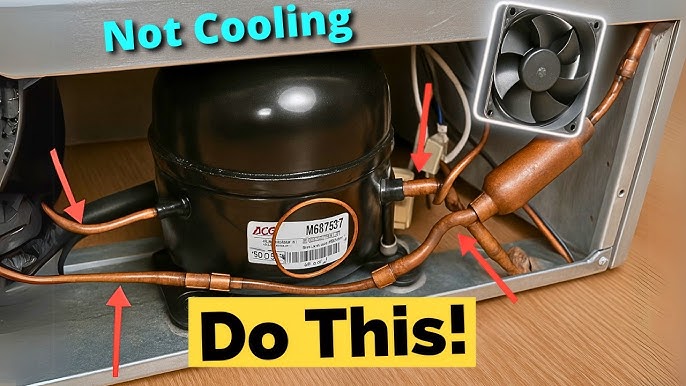
- Compressor problems or sealed-system leaks
- Compressor failure or refrigerant leaks are serious and costly.
- Door seals (gaskets)
- Worn seals let warm air in and cold air out, causing the compressor to overwork.

Step-by-step Refrigerator Not Cooling Troubleshooting checklist
Follow these steps in order. Work slowly and safely. Unplug the unit before touching electrical parts.
- Verify power
- Check the outlet with another device. Reset the circuit breaker if needed.
- Check temperature settings
- Set fridge to 37°F and freezer to 0°F, then wait 24 hours to see results.
- Inspect door seals
- Run a sheet of paper along the seal; if it slides out easily, consider replacing the gasket.
- Clear airflow and contents
- Remove items blocking vents or fans. Don’t pack food tightly against vents.
- Clean condenser coils
- Vacuum or brush coils every 6 months. Dirty coils are a top cause of cooling loss.
- Listen for fans and compressor
- With the door open, you should hear the evaporator fan (if running) and the compressor humming.
- Check evaporator for frost or ice
- Remove rear interior panel to view the evaporator. Heavy frost means defrost failure.
- Test fan motors and relays
- Use a multimeter to check fan continuity and a hard-start kit/relay if the compressor won’t start.
- Inspect start relay and capacitor
- A failed relay often causes a clicking sound or hum without compressor rotation.
- Monitor temperature and run cycle
- Place a thermometer inside and log temps to see if cooling cycles adequately.
- Look for refrigerant leaks
- Oily residue or hissing sound may indicate a sealed-system leak; this requires certified repair.
- When in doubt, call a licensed technician
- If the compressor is dead, the sealed system is leaking, or you lack tools, contact a pro.
People also ask (short answers)
Why is my fridge cold but not freezing?
A weak cooling cycle often means the compressor runs but the evaporator isn’t cold enough. Check the thermostat, airflow, and defrost system first.
How long to wait after plugging a fridge before it cools?
Allow 4 to 24 hours depending on fill and model. A full fridge can take up to 24 hours to stabilize.
Can a dirty coil cause no cooling?
Yes. Dirty condenser coils limit heat release and often cause the fridge to run but not cool.
Tools, parts, and cost estimates for Refrigerator Not Cooling Troubleshooting
- Basic tools
- Screwdrivers, multimeter, flashlight, coil brush, vacuum, and needle-nose pliers.
- Common replacement parts and typical cost ranges
- Door gasket: $20–$80
- Evaporator or condenser fan motor: $30–$150
- Start relay or capacitor: $10–$60
- Thermostat or control board: $30–$300
- Compressor or sealed-system repair: $400–$1,500 or more
- Costs depend on model, brand, and local labor rates. Small parts are cheap; sealed-system fixes are expensive.

Preventive maintenance to avoid Refrigerator Not Cooling Troubleshooting
- Clean condenser coils every 3–6 months to maintain heat transfer.
- Check and replace door gaskets if they leak.
- Keep vents clear and avoid overpacking.
- Defrost manual-defrost models regularly.
- Use a surge protector to protect electronic controls.
- Level the refrigerator so doors close properly.
- Change water filters per manufacturer schedule to improve performance.

When to repair vs replace during Refrigerator Not Cooling Troubleshooting
- Consider age
- Under 8–10 years: repair is often worth it for small parts. Over 10–15 years: replacement may save money long-term.
- Compare repair cost to replacement
- If repair exceeds 50% of a new unit’s value, replacement is usually better.
- Energy efficiency and reliability
- New models save energy and reduce future service calls.
- Sealed-system failure
- Compressor or refrigerant line repairs are costly and may justify replacing the fridge.
Personal experiences and practical lessons from troubleshooting
I’ve fixed hundreds of fridges in homes and shops. The most common wins were cleaning coils and replacing a bad start relay. I once diagnosed a “dead” compressor that only needed a $12 relay, saving the owner hundreds. Mistakes to avoid: never ignore rattles or warm spots, and don’t attempt sealed-system repairs without certification. Stay patient, follow steps, and document temperatures and sounds during diagnosis.

Frequently Asked Questions of Refrigerator Not Cooling Troubleshooting
Why is my refrigerator running but not cooling?
This often points to dirty condenser coils, blocked airflow, or a faulty start relay. Check coils, vents, and whether the compressor is starting.
How can I tell if the compressor is bad?
If the compressor doesn’t run, makes a loud noise, or overheats, it may be failing. A multimeter and a technician’s test can confirm compressor issues.
Is frost on the back wall normal?
A light frost near the evaporator is normal in some models, but heavy ice indicates defrost system failure or blocked drainage. Defrost faults reduce cooling quickly.
Can a home DIY fix a refrigerant leak?
No. Refrigerant handling requires certified technicians and special tools. Attempting DIY repairs is illegal and unsafe in many areas.
How often should I clean the coils and filters?
Clean coils every 3–6 months and replace water/air filters as the manufacturer recommends. Regular cleaning prevents most cooling losses.
My fridge is less cold after a power outage — what should I do?
Check settings, wait 24 hours for temperatures to recover, and avoid opening the door. If temps do not return, follow the troubleshooting checklist.
Conclusion
You now have a practical, step-by-step Refrigerator Not Cooling Troubleshooting guide. Start with simple checks like power, settings, airflow, and coil cleaning. Use the checklist to isolate problems, and weigh repair vs replacement based on age and cost. Take action: try the basic steps today, log results, and call a licensed technician for sealed-system or compressor issues. If this guide helped, leave a comment with your model and symptom or subscribe for more appliance troubleshooting tips.

