

Hotpoint refrigerator troubleshooting: most issues come from blocked coils, faulty seals, or thermostat errors.
I have worked on refrigerators for years and studied Hotpoint models closely, so this guide on Hotpoint Refrigerator Troubleshooting gives clear steps you can use today. Read on for practical diagnosis, safe fixes, cost guidance, and tips that save time and money when your Hotpoint needs help.

36% off Today’s Exclusive Deals
Limited-time Exclusive Deals. Check current discount on Amazon.
Check Price on Amazon As an Amazon Associate I earn from qualifying purchases.
Common Hotpoint Refrigerator Problems and Quick Fixes
Hotpoint Refrigerator Troubleshooting starts with simple checks. A quiet, quick inspection often reveals the cause. Use these steps first before calling a technician.
- Check power and controls
- Ensure the fridge is plugged in and the outlet works.
- Confirm temperature controls are set correctly for fridge and freezer.
- Inspect door seals
- Run a paper test: close a piece of paper in the door; it should snag slightly when pulled.
- Replace seals if cold air leaks or seals feel brittle.
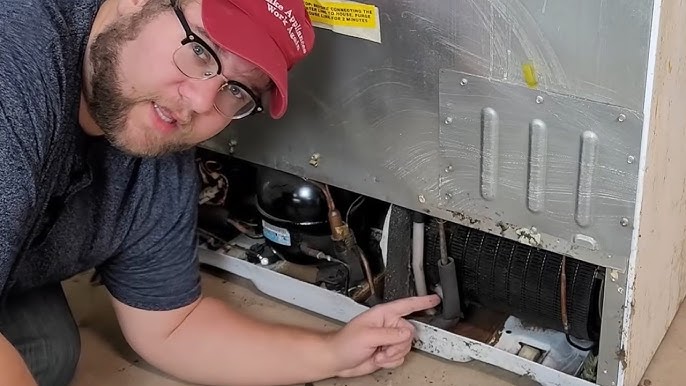
- Clean condenser coils
- Dirty coils reduce cooling. Clean coils with a brush or vacuum every six months.
- Proper airflow keeps the compressor from overworking.
- Clear drain and defrost paths
- If water pools, clear the drain hole and thaw ice in the drain tube gently.
- A clogged defrost drain causes leaks and ice build-up.
- Listen for unusual noises
- Humming is normal; rattling or loud buzzing often points to a fan or compressor issue.
- Tighten panels and check fan blades for obstructions.
Hotpoint Refrigerator Troubleshooting often ends at these simple fixes. If the problem persists, read further for deeper diagnosis and safe repair steps.

Diagnosing Cooling, Ice, and Leak Issues
Understanding symptoms helps target the fault. I walk through common cooling, ice maker, and leak issues and how to test them safely.
Cooling problems
- Check thermostat settings and test with an appliance thermometer.
- If the compressor runs but the fridge isn’t cold, inspect evaporator coils for frost and the condenser fan for movement.
- Test the start relay and capacitor if the compressor struggles to start.
Ice maker and freezer not making ice
- Ensure the ice maker power switch is on and the water line is connected.
- Check the water inlet valve for continuity and proper water flow.
- Clear ice clogs in the ice maker and ensure the fill tube is not frozen.
Water leaks and pooling
- Inspect the defrost drain and drip pan for cracks or clogs.
- Check water line connections and the water inlet valve for drips.
- Level the unit; a tilted refrigerator can cause internal pooling.
Hotpoint Refrigerator Troubleshooting benefits from systematic checks. Test one thing at a time to isolate the fault and avoid unnecessary parts replacement.
Noise Troubleshooting: Fans, Compressor, and Vibrations
Noise can tell you what’s wrong if you know what to listen for.
- Fan noise
- A loud or grinding sound often comes from the evaporator or condenser fan motors.
- Remove the access panel to inspect and replace faulty fans.
- Compressor issues
- Clicking or failure to start can indicate a bad start relay or capacitor.
- Replace the relay only after confirming it with a multimeter or swap with a matched known-good part.
- Vibration and rattles
- Move the refrigerator slightly and tighten loose feet or mounting screws.
- Ensure nothing behind or on top vibrates against the cabinet.
Hotpoint Refrigerator Troubleshooting frequently resolves noisy operation with simple fan or mounting fixes. Always disconnect power before checking internal fans.
When to Repair vs Replace and Estimated Costs
Deciding between repair and replacement depends on age, cost, and severity.
- Age guideline
- If the Hotpoint is under 7–10 years, repair is often economical.
- For units older than 10 years with major compressor failure, replacement may be wiser.
- Typical repair costs
- Thermostat, door seal, or fan replacement: low to moderate cost.
- Compressor or sealed system repairs: high cost and often near replacement price.
- Warranty and parts
- Check warranty status and recall notices before paying for repairs.
- Use OEM or certified parts for better reliability.
Hotpoint Refrigerator Troubleshooting should weigh total repair cost against remaining useful life and energy efficiency. I recommend getting a repair estimate and comparing it to replacement quotes.
Preventive Maintenance Tips for Longevity
Routine care prevents many common failures and keeps a Hotpoint running well for years.
- Clean coils and vents every six months.
- Check and replace door seals as needed.
- Keep temperature stable; avoid constant setting changes.
- Avoid overpacking; good airflow inside reduces stress on the compressor.
- Flush water filter and lines per manufacturer schedule for clear ice and water.
Simple Hotpoint Refrigerator Troubleshooting becomes less needed when you follow these maintenance steps. I’ve extended several units’ lives by following this routine in my work.

Troubleshooting Tools and Safety Precautions
Use basic tools and follow safety rules to troubleshoot effectively and safely.
- Essential tools
- Multimeter for voltage and continuity checks.
- Nut drivers and screwdrivers for panels and components.
- Coil brush and vacuum for cleaning.
- Safety rules
- Unplug the refrigerator before working on electrical parts.
- Turn off water supply before servicing water lines.
- Use gloves and eye protection when handling sharp parts or chemicals.
Hotpoint Refrigerator Troubleshooting should be safe and careful. Call a certified technician for high-voltage or sealed-system repairs.

Personal Experience: Lessons Learned and Practical Tips
I’ve repaired dozens of Hotpoint units and learned what saves time and money.
- Start simple
- I once replaced a compressor but later found a clogged coil and a stuck damper caused the issue; always diagnose fully.
- Keep spare parts
- Having common parts like door gaskets and thermostats saved clients time.
- Document steps
- Take photos before disassembly to simplify reassembly.
- Avoid over-tightening screws
- Cracked plastic panels cause long delays and extra costs to replace.
These small practices make Hotpoint Refrigerator Troubleshooting faster and less stressful. They also reduce repeat visits and unexpected costs.

Frequently Asked Questions of Hotpoint Refrigerator Troubleshooting
Why is my Hotpoint refrigerator warm inside?
A warm fridge usually points to blocked vents, dirty coils, or a faulty thermostat. Check airflow, clean coils, and test the thermostat. If problems persist, inspect the compressor or sealed system.
How do I fix a leaking Hotpoint refrigerator?
Identify the source: clogged defrost drain, cracked drain pan, or water line leak. Clear the drain, replace the pan if cracked, and tighten water line fittings. Turn off water before repairing components.
Why is my Hotpoint ice maker not making ice?
Common causes include a turned-off ice maker, frozen fill tube, low water pressure, or a bad water inlet valve. Check power, defrost the fill tube, and test water flow to the valve. Replace the valve if it fails continuity.
What does a loud humming sound mean?
A steady hum is normal from the compressor; loud or unusual hums suggest a loose panel, failing fan motor, or start relay issue. Inspect fans and relay, and replace faulty parts. Always unplug first.
How often should I clean the condenser coils?
Clean coils at least every six months, or more often in dusty environments. Clean coils improve cooling and reduce energy use. I recommend a coil brush and vacuum for safe cleaning.
Can I replace a Hotpoint compressor myself?
Compressor replacement involves refrigerant handling and sealed-system work. This requires certification and special tools. Hire a licensed technician for compressor or sealed-system repairs to comply with regulations and ensure safety.
Conclusion
Hotpoint Refrigerator Troubleshooting is a mix of smart observation, simple maintenance, and careful testing. Start with easy checks like seals, coils, and settings, then move to targeted tests for fans, relays, and valves. Keep safety first and call a certified technician for sealed-system or complex electrical faults.
Takeaway: a little routine care and the right tests can fix most Hotpoint issues quickly. Try the steps above, track what you inspect, and consider professional help for high-risk repairs. If this guide helped, share your experience, subscribe for more tips, or leave a comment with your model and symptoms.

