

Most Kenmore refrigerator issues can be resolved with simple diagnostics and a few practical fixes.
With years of hands-on experience repairing and diagnosing Kenmore refrigerators, I’ll guide you through clear, reliable Kenmore Refrigerator Troubleshooting steps. This article walks you from quick checks to deeper diagnostics, explains common causes, offers repair options and cost estimates, and shares practical tips I’ve learned on the job. Read on to gain confidence fixing common Kenmore problems and decide when to call a pro.

36% off Today’s Exclusive Deals
Limited-time Exclusive Deals. Check current discount on Amazon.
Check Price on Amazon As an Amazon Associate I earn from qualifying purchases.
Common Kenmore refrigerator problems and quick signs
Kenmore Refrigerator Troubleshooting begins by recognizing common symptoms. Short, clear signs help you narrow the cause fast.
- Fridge not cooling but freezer cold
- Too much frost or ice buildup
- Water leaking inside or onto the floor
- Ice maker not producing ice
- Loud humming, clicking, or rattling noises
These signs appear often in Kenmore Refrigerator Troubleshooting cases and point to specific parts like the evaporator fan, defrost system, water inlet valve, or condenser coils. Keep a small notebook to track when issues began and any recent changes.

First steps: safety and basic checks
Start every Kenmore Refrigerator Troubleshooting session with safety and simple checks. This saves time and prevents mistakes.
- Unplug the refrigerator or switch off the circuit breaker.
- Move the fridge out slightly to inspect the back and coils.
- Check the temperature settings and reset to factory if needed.
- Ensure doors close fully and gaskets seal cleanly.
These basic steps solve many issues quickly. I learned early in my career that a loose plug or dirty gasket is the culprit more often than people expect.
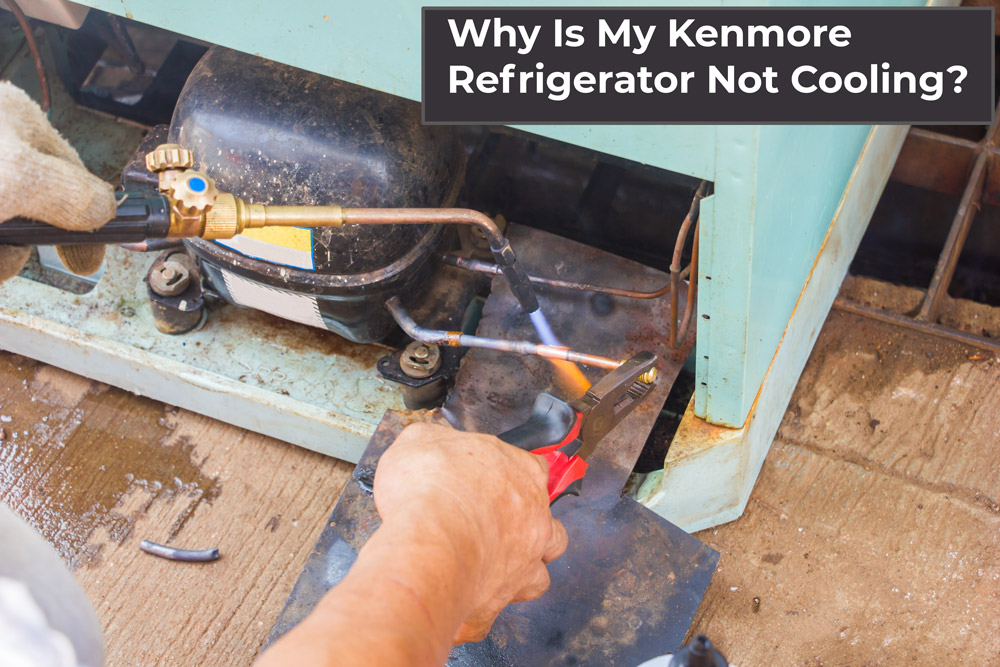
Cooling and temperature issues: causes and fixes
When the fridge is warm, Kenmore Refrigerator Troubleshooting focuses on airflow, compressors, and fans. Short diagnostics help isolate the fault.
- Check condenser coils for dust and pet hair; clean if dirty.
- Listen for the compressor and condenser fan; no sound can mean a failed start relay or compressor.
- Inspect the evaporator fan inside the freezer; if it’s not running, airflow to the fridge section suffers.
- Verify the evaporator has frost; no frost may indicate a refrigerant leak or defrost failure.
If cleaning coils and confirming fan operation don’t fix it, test the start relay and thermistor. Compressor issues are more expensive and often require a certified technician.

Defrost system and frost buildup
Excess frost signals a defrost system failure in many Kenmore Refrigerator Troubleshooting scenarios.
- Symptoms include heavy frost on the evaporator, cold freezer but warm fridge, or frequent runs.
- Check the defrost timer, defrost heater, and defrost thermostat for continuity.
- Clear the drain tube and pan to prevent water overflow after manual defrost.
I’ve seen homes where a frozen defrost drain created a weeklong leak. A controlled manual defrost and testing the heater typically reveals the part to replace.

Water leaks, ice maker, and dispenser problems
Leaks and ice maker failures are common in Kenmore Refrigerator Troubleshooting work and usually have practical fixes.
- Inspect the water inlet valve and supply line for cracks or loose connections.
- Replace clogged or old water filters to restore flow and taste.
- If the ice maker doesn’t cycle, test the ice maker module and fill valve for continuity.
A low water pressure issue from the home supply often mimics a fridge problem. Turning off the water and checking lines prevents surprises.

Strange noises and vibration fixes
Noises can be clues. Kenmore Refrigerator Troubleshooting always includes listening tests and isolation checks.
- Buzzing or clicking may indicate the compressor trying to start.
- Rattling often points to loose panels, items on top, or the condenser fan hitting debris.
- Gurgling or hissing may be normal refrigerant flow, but loud hissing can mean a leak.
I once fixed a loud rattle by tightening a loose drip pan and clearing a plastic tag caught under the compressor. Simple wins are common.

Electronic controls, sensors, and error codes
Modern Kenmore models use sensors and control boards that require careful diagnostics in Kenmore Refrigerator Troubleshooting.
- Check the display for diagnostic codes; consult the model manual for code meanings.
- Test temperature sensors (thermistors) and control boards with a multimeter.
- Reset the control board by unplugging the unit for five minutes if controls act unpredictably.
When codes point to a board, weigh repair cost vs. replacement age. Boards can be replaced, but repeated board failures often indicate deeper electrical or compressor issues.

Parts, repair choices, and cost estimates
Understanding parts and costs helps you plan Kenmore Refrigerator Troubleshooting repairs.
- Common parts and approximate cost ranges:
- Water filter: $10–$40
- Evaporator/condenser fan motor: $20–$100
- Defrost heater or thermostat: $15–$80
- Start relay or overload protector: $10–$60
- Control board: $100–$400
- Compressor replacement (rare): $400–$1,200+
- Labor varies by region and complexity; expect $100–$400 for typical service calls.
I recommend replacing inexpensive parts first if diagnostics support it. For expensive items like compressors, compare repair costs against replacing the fridge.
Preventive maintenance to reduce breakdowns
Regular maintenance reduces the need for Kenmore Refrigerator Troubleshooting visits and extends appliance life.
- Clean condenser coils every 6–12 months.
- Replace water filter per manufacturer guidance.
- Check door gaskets and realign doors as needed.
- Keep vents and air paths inside the fridge clear for proper airflow.
Routine care is the best investment. In my experience, customers who clean coils and change filters see fewer service calls and better efficiency.
When to call a professional
Some Kenmore Refrigerator Troubleshooting tasks require certified help, especially for safety and warranty reasons.
- Call a pro for sealed-system issues like refrigerant leaks or compressor failure.
- Hire an electrician if control boards or wiring are suspected.
- Contact a technician if you’re uncomfortable working with motors, refrigerant, or electrical components.
Being realistic about DIY limits keeps you safe and can save money long-term.
PAA-style quick questions (People Also Ask)
How do I reset my Kenmore refrigerator?
- Unplug the unit or switch off its breaker for 5 minutes, then restore power to reset controls and clear minor glitches.
Why is my Kenmore freezer cold but fridge warm?
- Most often due to blocked airflow from a faulty evaporator fan, a broken damper, or a defrost system problem restricting cold air movement.
How often should I replace the water filter?
- Replace every 6 months or when water flow and taste decline; frequent usage or poor source water may require faster replacement.
What causes a Kenmore refrigerator to leak water?
- Common causes include clogged or frozen drain tubes, faulty water inlet valves, or loose supply line fittings.
Can I replace the compressor on my own?
- Compressor replacement requires refrigerant handling and sealed-system work and should be done by a licensed technician.
Frequently Asked Questions of Kenmore Refrigerator Troubleshooting
How do I know if the compressor is bad?
A failing compressor often causes the fridge to stop cooling, combined with clicking noise and warm cabinet. A technician can test amperage and pressure to confirm.
Why is there frost in the fridge compartment?
Frost in the fridge usually results from a defrost failure, a broken door gasket, or frequent door openings that let moist air enter. Check seals and the defrost components.
What if my Kenmore refrigerator is leaking from underneath?
A blocked defrost drain or cracked drain pan commonly causes underneath leaks. Inspect and clear the drain and replace a damaged pan if needed.
How long should a Kenmore refrigerator last?
With regular maintenance, Kenmore refrigerators often last 10–15 years; components like compressors or boards may require replacement earlier. Proper care extends lifespan.
Is it worth repairing an old Kenmore refrigerator?
If repair cost approaches 50% of replacement price and the fridge is over 10 years old, replacement may be more economical. Consider energy savings of newer models.
Conclusion
Kenmore Refrigerator Troubleshooting is a mix of simple checks, smart diagnostics, and knowing when to call a pro. Start with safety, follow structured troubleshooting steps, and prioritize inexpensive, high-impact fixes like cleaning coils, checking fans, and replacing filters. Use this guide to save time and money, and don’t hesitate to call a licensed technician for sealed-system or electrical issues. Try these suggestions, share your results, or leave a comment below to get more tailored advice.

