

Most Andersen storm door handle issues come from loose screws, misaligned latch, or worn parts.
I have repaired many Andersen storm doors and lived through the frustrating squeaks, sticky latches, and handles that won’t catch. This guide on Andersen Storm Door Handle Troubleshooting draws on hands-on experience, manufacturer guidance, and common-sense fixes so you can find the problem fast and fix it with confidence. Read on for clear steps, tools, and tips to get your storm door handle working like new.

36% off Today’s Exclusive Deals
Limited-time Exclusive Deals. Check current discount on Amazon.
Check Price on Amazon As an Amazon Associate I earn from qualifying purchases.
Why Andersen Storm Door Handle Troubleshooting Matters
A working handle keeps your home safe and your door easy to use. Andersen Storm Door Handle Troubleshooting helps you spot small problems before they become costly. Quick fixes save time and keep weather seals and locks working properly. Regular care also extends the life of the door hardware.
Common Problems and Causes
Most issues are simple to find. Here are the common faults and why they happen.
- Handle feels loose
- Screws back out or trim plate shifts.
- Latch does not catch
- Strike plate misaligned or latch spring worn.
- Handle sticks or binds
- Dirt, rust, or old grease in the mechanism.
- Lock turns but door won’t open
- Internal actuator or spindle broken.
- Handle slaps back and forth
- Broken return spring or worn pawl.
Knowing the cause helps you pick the right fix. Andersen Storm Door Handle Troubleshooting often points to small part wear. Small parts are cheap. Replacing them saves hassle.

Tools and Parts Needed for Andersen Storm Door Handle Troubleshooting
Gather these items before you start. The right tool makes the job quick and safe.
- Phillips screwdriver
- Flat-head screwdriver
- 3/16" or 1/8" hex wrench or Allen key
- Needle-nose pliers
- Lubricant (silicone spray)
- Replacement screws, springs, or latch parts
- Soft rag and mild cleaner
Keep parts organized on a towel. Take a photo of the handle assembly before you disassemble. That photo helps when you reassemble.
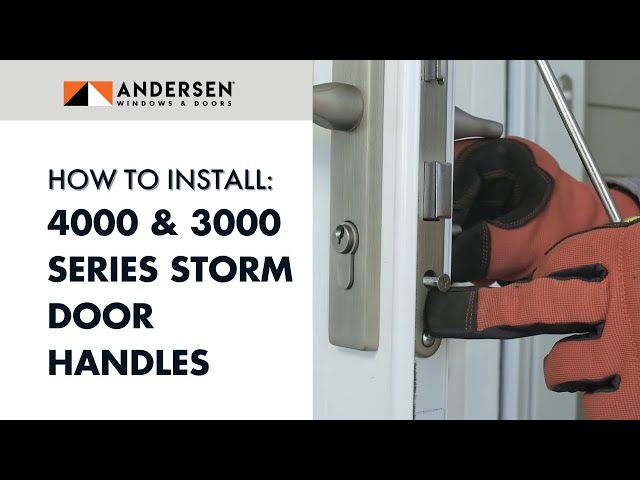
Step-by-Step Andersen Storm Door Handle Troubleshooting Guide
Follow these clear steps to diagnose and fix most handle problems.
- Inspect visually
- Check for loose screws and missing parts.
- Look at the strike plate and latch alignment.
- Tighten mounting screws
- Use the Phillips screwdriver to snug screws.
- Do not overtighten plastic studs.
- Test the latch action
- Move the handle and watch the latch.
- Note if the latch moves freely or jams.
- Clean and lubricate
- Wipe away dirt with a soft rag.
- Apply silicone spray to moving parts.
- Adjust strike plate
- Loosen the plate screws slightly.
- Close the door and mark where the latch hits.
- Move the plate to match the mark and retighten.
- Replace worn parts
- Remove the interior trim to access parts.
- Swap springs, spindles, or latches as needed.
- Reassemble and test
- Reinstall trim and screws.
- Cycle the handle 10 times to confirm smooth action.
I once fixed a stuck Andersen handle by tightening three tiny screws and realigning the strike plate. The door worked perfectly after a five-minute fix. Andersen Storm Door Handle Troubleshooting often ends with small adjustments like this.
Quick Fixes and Temporary Solutions
When you need a fast fix, try these safe short-term steps.
- Tighten screws to stop wobble.
- Use a bit of silicone spray to free a sticky handle.
- Tape the door shut at night if the latch won’t hold.
- Replace a missing screw with a similar size until a proper part arrives.
- Swap the handle with a spare if available.
These are not long-term repairs. Still, they help you secure the door until you can do full Andersen Storm Door Handle Troubleshooting.
Preventive Maintenance and Best Practices
A little care prevents most problems. Do these simple tasks twice a year.
- Clean the hardware with a damp cloth and mild soap.
- Lubricate moving parts with silicone spray.
- Check and tighten mounting screws.
- Inspect weatherstripping and adjust for gaps.
- Cycle the handle frequently to keep parts moving.
I schedule a quick check each spring and fall. This small routine cuts down on Andersen Storm Door Handle Troubleshooting trips and keeps doors smooth.

When to Replace or Call a Professional
Some issues need new parts or expert help. Use this guide to decide.
- Replace parts when metal is bent or plastic is cracked.
- Call a pro if the lock cylinder or complex internal parts fail.
- Hire help when the door frame is damaged or the strike plate needs major relocation.
- Seek professional help for warranty or security concerns.
If you try small fixes and the handle still fails, replacing the assembly is often cheaper in time and stress than repeated repairs.
Frequently Asked Questions of Andersen Storm Door Handle Troubleshooting
What should I try first if my Andersen storm door handle is loose?
First, tighten all visible screws on the handle and trim. If the handle still wobbles, check for stripped holes or damaged studs under the trim.
Why does the latch not catch even after I tighten screws?
The strike plate may be out of alignment or the latch spring could be worn. Adjust the strike plate and test; replace the latch if it still fails.
Can I lubricate the handle myself and which lubricant is best?
Yes, use silicone spray on moving parts and pivot points. Avoid oil-based lubricants that can attract dirt and gum up the mechanism.
How do I know if I need a replacement handle or a simple repair?
If parts like the spindle or latch are broken or cracked, replace the handle assembly. If the issue is loose screws or dirt, a repair is usually enough.
Is Andersen Storm Door Handle Troubleshooting covered by warranty?
Warranty coverage varies by model and purchase date. Check your door’s paperwork or contact support for specific warranty details.
How long does a typical repair take?
Most simple repairs take 15 to 45 minutes for a person with basic tools. Major repairs or part replacements can take longer depending on part availability.
Conclusion
You can fix most Andersen Storm Door Handle Troubleshooting issues with basic tools, simple checks, and small parts. Start with a tight screw, clean moving parts, and then move to adjustments or part swaps. Try the step-by-step tips from this guide, and you will likely save time and money. If a problem feels beyond your skill, call a pro or use warranty support. If this guide helped, leave a comment, subscribe for more DIY tips, or share your repair story.

