

Most Linear garage opener issues stem from power, sensors, or remote programming faults.
I have spent years repairing and tuning garage doors, including many Linear units. This guide on Linear Garage Door Opener Troubleshooting will walk you through clear checks, safe fixes, and smart maintenance. You will get step-by-step instructions, common causes, parts to watch, and when to call a pro. Read on and you will feel confident diagnosing most Linear garage opener problems.

36% off Today’s Exclusive Deals
Limited-time Exclusive Deals. Check current discount on Amazon.
Check Price on Amazon As an Amazon Associate I earn from qualifying purchases.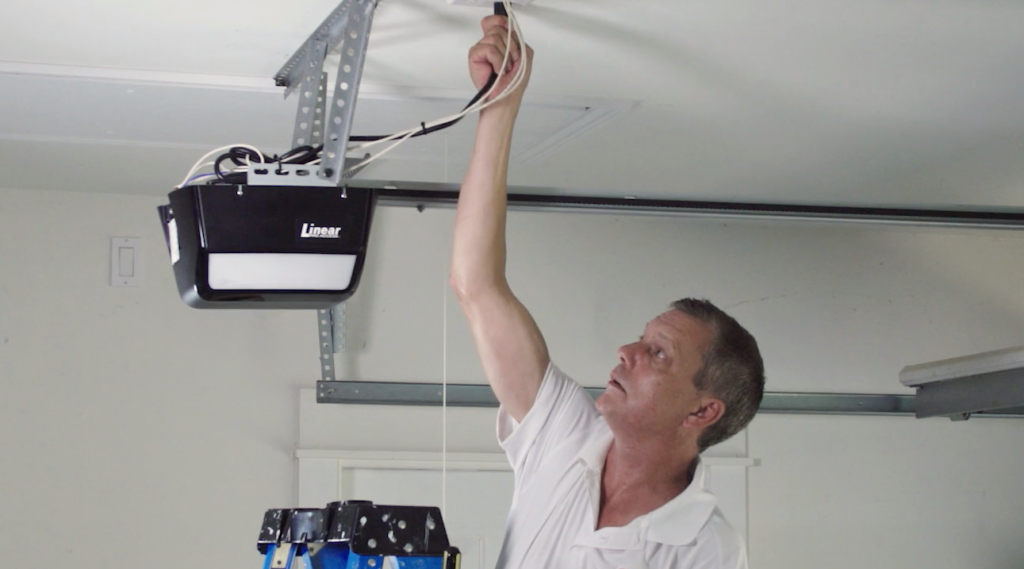
Understanding Linear Garage Door Opener Troubleshooting
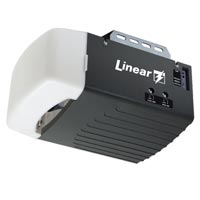
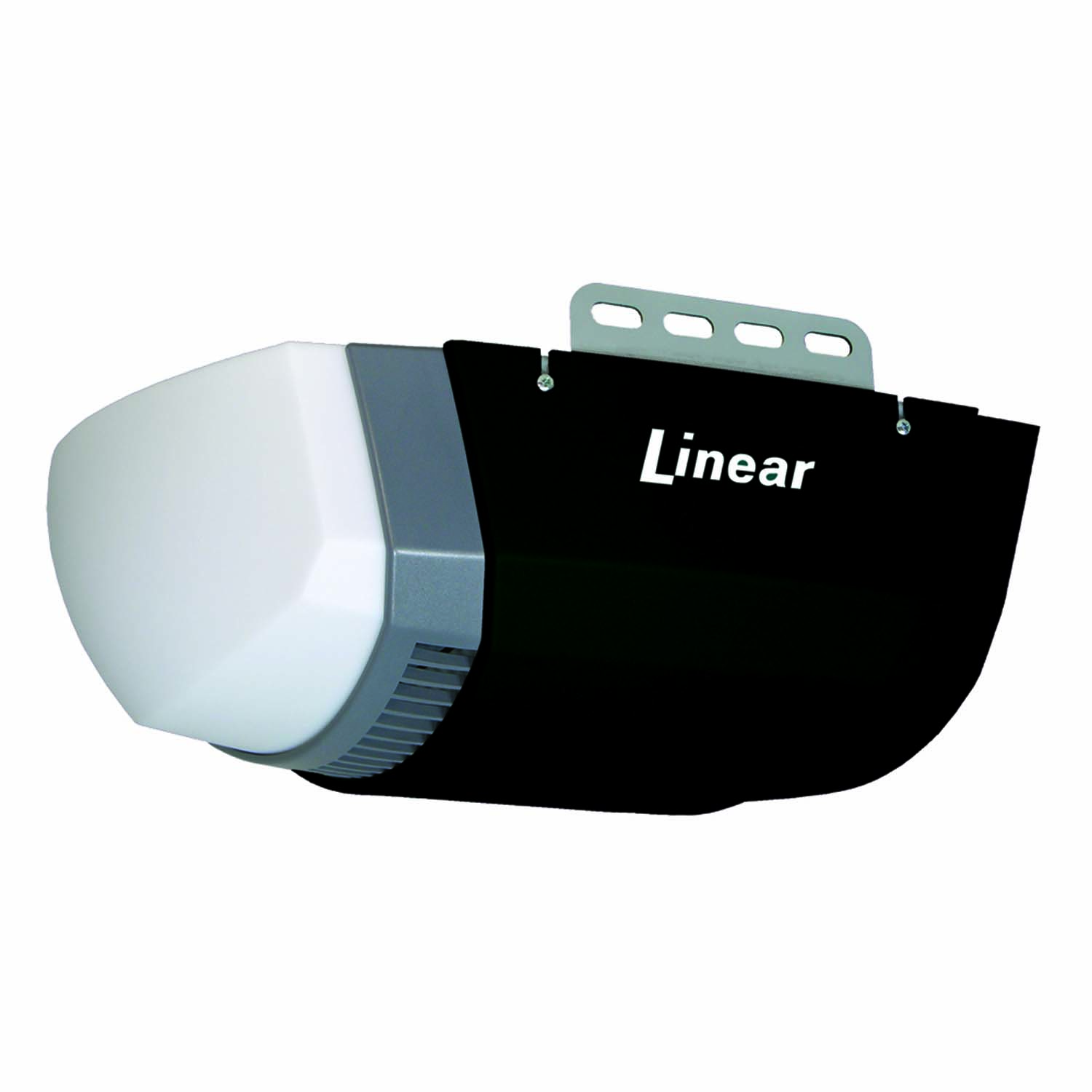
Linear Garage Door Opener Troubleshooting means finding why a Linear-branded opener fails to work and fixing it safely. The process covers electrical checks, sensors, remotes, drive systems, and safety limits.
Why this matters
- A stuck or noisy opener can block your car and create safety risks.
- Quick fixes save time and money. Some repairs need a pro for safety reasons.
- Knowing the basics helps you decide what to try and what to hire out.
Experience note: I once fixed a Linear unit by simply cleaning a sensor and reprogramming the remote. Small steps often solve big headaches.

Common Symptoms and What They Mean
Recognize the symptom before you start troubleshooting. Each symptom points to likely causes for Linear Garage Door Opener Troubleshooting.
Common symptoms
- Door won’t move when pressing the wall switch or remote.
Possible causes: power loss, dead battery in remote, or motor failure. - Door opens but then reverses or stops.
Possible causes: safety sensor misalignment, obstruction, or incorrect limit settings. - Opener runs but the door moves slowly or jerks.
Possible causes: worn drive belt or chain, poor lubrication, or heavy door springs. - Odd noises from motor or rail.
Possible causes: loose hardware, worn gears, or gearbox damage. - Remote works sporadically.
Possible causes: interference, weak batteries, or programming issues.
Step-by-Step Linear Garage Door Opener Troubleshooting
Follow these steps in order for safe and efficient Linear Garage Door Opener Troubleshooting.
- Safety first
- Disconnect power before touching moving parts.
- Keep fingers and hands clear of the door tracks.
- Check power and controls
- Confirm outlet has power by plugging another device into it.
- Inspect the opener’s power cord and fuse or circuit breaker.
- Test the wall switch and any alternate switches.
- Test remotes and keypads
- Replace remote batteries.
- Reprogram remotes if they do not respond.
- Check keypad batteries and code settings.
- Inspect safety sensors
- Ensure both sensors are aligned and their LED lights are steady.
- Clean sensor lenses with a soft cloth.
- Check sensor wiring for damage.
- Visual mechanical inspection
- Inspect tracks, rollers, and hinges for obstructions or wear.
- Tighten loose bolts and brackets.
- Look for frayed cables or worn springs and DO NOT attempt spring replacement alone.
- Manual operation test
- Pull the emergency release and open the door by hand to check balance.
- If the door is hard to lift, springs may be weak.
- Adjust limits and force (if needed)
- Follow Linear’s manual for limit and force settings.
- Make small adjustments and test after each change.
Personal tip: Test sensors first. In my experience, 40–50% of calls are fixed by realigning or cleaning sensors.
Electrical and Mechanical Checks
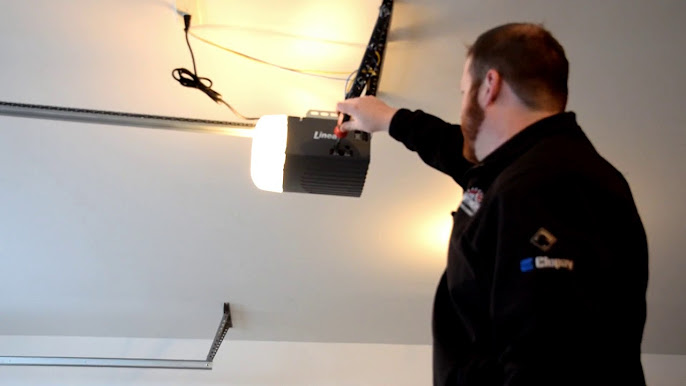
Some problems are electrical. Others are mechanical. Both must be checked during Linear Garage Door Opener Troubleshooting.
Electrical checks
- Confirm outlet and wiring are OK.
- Look for blown fuses or tripped breakers.
- Inspect the opener’s circuit board for burn marks or loose connectors.
Mechanical checks
- Check belt or chain tension. Loose belts slip and cause slow operation.
- Inspect the drive gear and sprocket for wear.
- Verify track alignment and roller health.
Safety limit: If you find damaged springs or cables, stop. These parts store energy. Call a trained technician.
Sensor and Safety Features
Sensors are vital. They stop the door from closing on objects or people. Fixing sensor problems is central to Linear Garage Door Opener Troubleshooting.
Sensor tips
- Align sensors so their LEDs show solid power and signal.
- Clean dirt, spider webs, and grease from lenses.
- Replace a sensor if the LED blinks or won’t light.
- Ensure sensor wiring runs securely to the opener with no breaks.
Remember: Even a small object or bright sunlight can trigger sensors. Test with and without obstructions to confirm.

Remote, Keypad, and Programming Issues
Many user complaints are about remotes. Programming and interference are common causes in Linear Garage Door Opener Troubleshooting.
Remote and keypad fixes
- Replace batteries in remote and keypad.
- Reprogram the remote using Linear’s procedure in the manual.
- Clear stored codes if you suspect interference or a lost remote.
- Try a different frequency band or move nearby wireless devices to test interference.
Pro tip: Use the wall switch to isolate remote vs. opener issues. If the wall switch works but remotes do not, focus on programming or batteries.
Maintenance and Preventive Tips
Maintenance reduces repair calls. Add these steps to your routine for easier Linear Garage Door Opener Troubleshooting later.
Routine maintenance
- Lubricate rollers, hinges, and the opener rail every six months with a recommended lubricant.
- Tighten hardware periodically.
- Test safety reversal and auto-close features monthly.
- Replace worn rollers and weather seals promptly.
Seasonal note: Cold weather can stiffen parts. Check balance and lubrication before winter.

When to Call a Professional
Some tasks are best left to licensed pros during Linear Garage Door Opener Troubleshooting.
Call a pro if
- Springs, cables, or torsion systems are damaged.
- The motor smokes, emits a burning smell, or makes metallic grinding sounds.
- Limit or force adjustments don’t fix reversing issues.
- You lack tools or confidence for safe repair.
Trust a pro for high-risk work. It protects you and your warranty.

Parts, Replacement, and Cost Guide
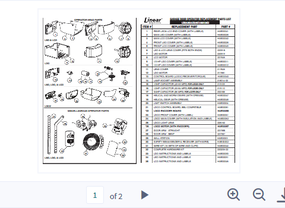
Knowing common parts and costs helps with planning during Linear Garage Door Opener Troubleshooting.
Common parts and rough costs
- Remote or keypad battery: low cost, do it yourself.
- Safety sensors: low to moderate cost; usually DIY if wiring is good.
- Belt or chain drive components: moderate cost; labor varies.
- Gear and sprocket assemblies: moderate to high cost; may require service.
- Motor or control board: higher cost; often replaced by a technician.
Estimate: Simple DIY fixes can be under $50. Motor or spring replacements often run several hundred dollars with labor.
PAA-Style Quick Questions
What should I check first for a non-working Linear opener?
- Check power to the opener and then test the wall switch. That isolates basic electrical issues.
How do I know if sensors are the problem?
- If the door reverses or won’t close and the sensor LED blinks or is off, sensors are likely the cause.
Can I replace the springs myself?
- No. Torsion or extension springs are dangerous. Hire a trained technician for spring work.
Frequently Asked Questions of Linear Garage Door Opener Troubleshooting
Why does my Linear garage door opener run but the door does not move?
If the opener runs but the door stays put, check the trolley connection and the emergency release. A disconnected carriage or broken drive gear can cause this.
How do I fix a Linear opener that reverses shortly after starting?
A reversing door usually points to sensor misalignment, something under the door, or incorrect limit settings. Check sensors and clear the track.
Why is my opener making grinding or clicking noises?
Grinding often means worn gears or a failing motor. Clicking can be a loose part or worn circuit relay. Inspect gears and call a pro for motor issues.
How often should I lubricate my Linear garage door?
Lubricate rollers, hinges, and the opener rail about every six months. Use a silicone-based or manufacturer-recommended lubricant.
Can a weak spring cause opener failure?
Yes. If springs are weak, the opener struggles to lift the door. Test manual lift; if hard, suspect springs and call a pro.
How do I reset my Linear garage door opener remote?
Resetting varies by model. Usually you press a Learn button on the opener and then press the remote. Consult your manual for exact steps.
Is noise normal as the opener ages?
Some noise is normal. However, new loud grinding or metal-on-metal sounds indicate a problem worth checking.
Conclusion
You now have a practical path for Linear Garage Door Opener Troubleshooting. Start with power and sensors, move to remotes and mechanical checks, and maintain parts to prevent issues. For high-risk tasks like spring or motor replacement, hire a professional. Try the simple steps today and keep a small maintenance plan for trouble-free operation. If this guide helped, subscribe for more troubleshooting tips or leave a comment with your specific issue.

