

Most Tchibo Coffee Machine issues are fixed by cleaning, checking water, or resetting settings.
I have used and serviced Tchibo machines for years and wrote this clear guide to help you solve common faults fast. This article covers Tchibo Coffee Machine Troubleshooting in depth. You will find simple checks, step-by-step fixes, maintenance tips, when to call a pro, and real-world advice from hands-on experience. Read on to save time and avoid unnecessary repairs.

36% off Today’s Exclusive Deals
Limited-time Exclusive Deals. Check current discount on Amazon.
Check Price on Amazon As an Amazon Associate I earn from qualifying purchases.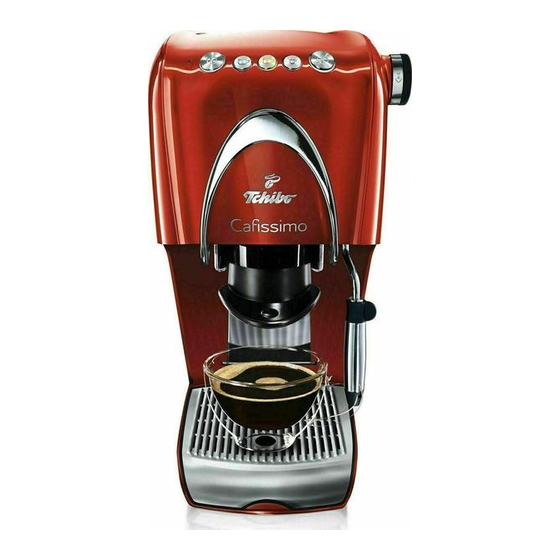
Tchibo Coffee Machine Troubleshooting: Common problems and quick fixes
Tchibo Coffee Machine Troubleshooting starts with spotting the small signs. I list the top faults and fast fixes below. Each fix is safe for home users. Try these first before deeper work.
- Machine won’t power on. Check the power cord, try a different outlet, and inspect the fuse or breaker. If the machine still shows no lights, unplug and wait one minute then plug back in.
- No water flow or weak flow. Check the tank position and water level. Clean the intake filter and descale if scale is visible.
- Machine won’t brew or stops mid-brew. Check bean hopper or capsule placement and empty grounds container. Reset the machine by turning it off and on, then try one plain water cycle.
- Poor coffee taste. Use fresh beans, check grind size, and run a cleaning cycle. Replace the water filter if present.
- Leaks from base or group head. Tighten the water tank and check seals. Replace worn gaskets and test again with a short brew.
- Excess noise or grinder issues. Empty the hopper and check for stones or debris. Clean the grinder catch and use beans with normal hardness.
- Milk frother problems. Clean milk lines after each use and run steam cleaning. Replace one-way valve or tubing if milk has dried inside.
- Error codes or flashing lights. Note the exact pattern. Refer to the manual or use reset steps in this guide for common codes.
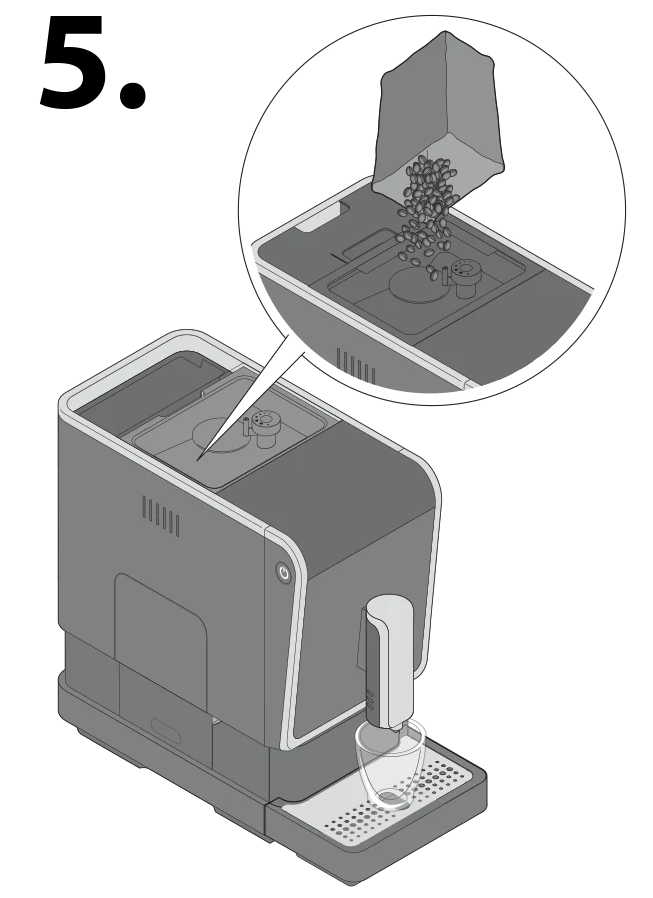
Tchibo Coffee Machine Troubleshooting: A step-by-step guide to fixes
Follow this simple flow when you troubleshoot. Work top to bottom to save time.
- Safety first. Unplug the machine before you inspect internal parts. Let hot parts cool.
- Basic checks. Confirm power, water, beans or capsules, and waste drawer position. Small mistakes cause many faults.
- Reset and test. Turn off, unplug, wait one minute, then plug in and power on. Run a plain water cycle to check pumps and valves.
- Clean and descale. Run a cleaning cycle and descale if you see scale or if the machine signals it. Use manufacturer-approved descaler.
- Check seals and hoses. Inspect gaskets, O-rings, and tubing for cracks or wear. Replace any brittle parts.
- Listen and watch. Note odd noises or error lights. These clues narrow down issues quickly.
- Software and settings. Ensure strength and temperature settings are correct. Reset to factory defaults if behavior seems wrong.
PAA question: Why is my Tchibo coffee machine producing watery coffee?
Watery coffee often comes from incorrect grind size or low bean dose. Check settings, use fresher beans, and run a rinse cycle.
PAA question: How do I reset error codes on a Tchibo machine?
Most models reset by powering down, unplugging, and powering up after one minute. If codes return, consult the manual or service help.
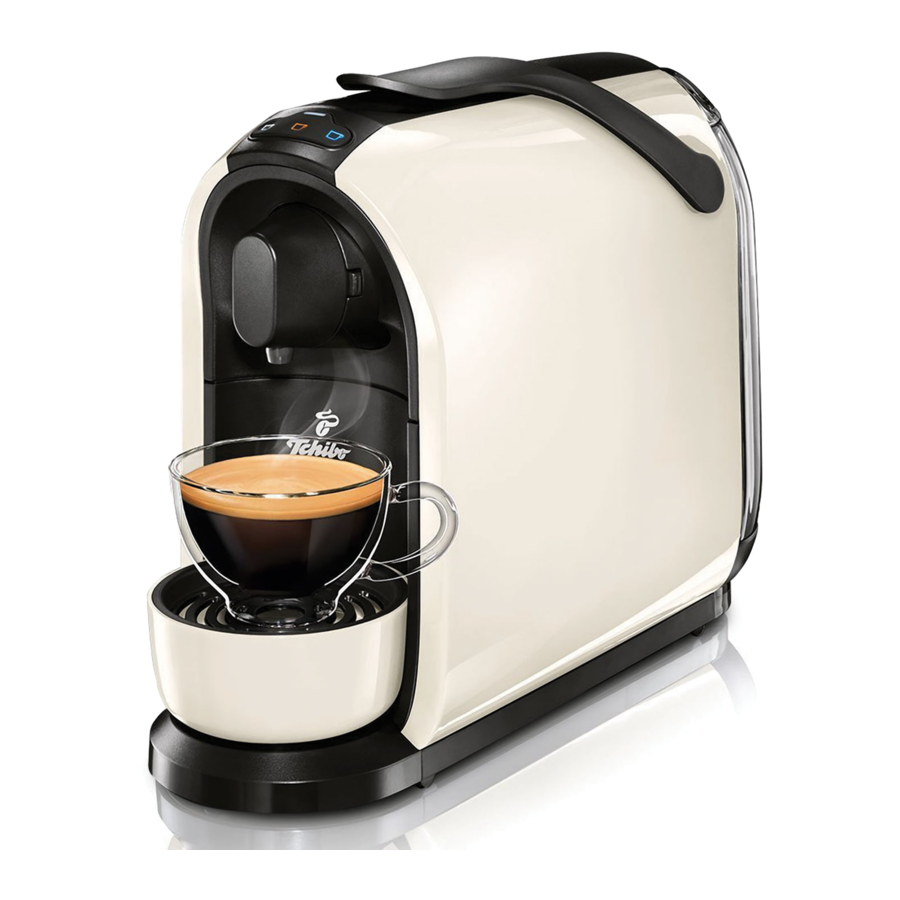
Tchibo Coffee Machine Troubleshooting: Cleaning and maintenance best practices
Regular care prevents most faults. I share my routine that kept machines reliable for years.
- Daily tasks. Empty grounds, rinse brew area, and wipe milk spouts after each use. This prevents clogs and sour milk.
- Weekly tasks. Clean the drip tray, water tank, and accessible brew parts. Run a short cleaning program if available.
- Monthly tasks. Descale if you live in hard-water areas and replace water filters if used. Clean grinder parts and inspect seals.
- Milk system care. Always purge milk lines after steaming. Use steam-clean cycles and liquid milk cleaners periodically.
- Storage tips. If you store the machine, empty water and dry internal parts. Keep it covered to avoid dust.
Personal note: I once ignored a slow drip for two weeks and ended up with a clogged solenoid. A quick monthly clean would have avoided a repair. Small checks save time and money.

Tchibo Coffee Machine Troubleshooting: When to call a technician and warranty tips
Some problems need pros. Know when to stop and get help.
- Call a technician when there is persistent electrical failure or burnt smells. These indicate wiring or PCB faults.
- Call for pump failure or internal motor faults if cleaning and descaling do not restore flow. Replacing pumps often needs tools and skills.
- Use authorized service for warranty repairs. Keep receipts and serial numbers handy.
- Document issues with photos and notes. This helps service teams diagnose faster.
- Be transparent about any self-repairs you tried. It may affect warranty coverage.

Tchibo Coffee Machine Troubleshooting: Parts, accessories, and replacement guide
Knowing common parts helps you prepare. Replace wearable parts when they fail.
- Replaceable items. Water filters, seals, gaskets, grinders, and brewing group parts wear out first. Keep spares if you use the machine daily.
- Where to buy. Use genuine parts or verified aftermarket parts for best fit and life span. Check model number before ordering.
- DIY replacements. Small gaskets and filters you can swap safely. More complex parts like pumps or PCBs should be handled by a pro.
- Cost and downtime. Budget for parts and 1–3 days for service. Keep a backup kettle or travel maker for urgent coffee needs.

Frequently Asked Questions of Tchibo Coffee Machine Troubleshooting
Why won't my Tchibo coffee machine turn on?
Check the outlet and fuse first. Try another appliance on the same socket and reset any trip switches.
How often should I descale my Tchibo machine?
Descale every 2–3 months in hard water areas and every 4–6 months in soft water areas. Follow the machine prompt if it has one.
What causes strange tastes in coffee from my Tchibo machine?
Old beans, dirty brew parts, or limescale can alter taste. Clean the group head, grinders, and water system regularly.
My milk frother spits or clogs. What do I do?
Purge and clean milk lines right after use and run a steam cycle. Replace one-way valves if milk has dried inside.
Can I use third-party descalers and parts?
Some third-party items work, but manufacturer-approved products reduce risk. Use caution and check compatibility to protect warranties.
How do I read error lights or codes on my Tchibo machine?
Note the exact pattern and consult the manual or support notes in the machine’s guide. A reset may clear simple faults, but repeat codes mean deeper issues.
Conclusion
Tchibo Coffee Machine Troubleshooting is mostly about simple checks, routine cleaning, and timely part replacement. Use the step-by-step process here before paying for repairs. A small habit of daily rinses and monthly descaling will keep your machine humming. Try these fixes and share your results or questions below to get tailored help. Consider subscribing or leaving a comment if you want model-specific tips or a troubleshooting checklist.

