

Yes — a regular kayak can be used for fishing with the right setup, safety gear, and expectations.
I’ve spent years fishing from different kayaks, and I’ve tested regular recreational kayaks alongside purpose-built models. If you’ve wondered "Can you use a regular kayak for fishing?", this guide walks through real-world pros, limits, setup tips, safety checks, and gear choices so you can decide with confidence. Read on for clear advice, personal lessons, and practical steps to turn a simple kayak into a safe, enjoyable fishing platform.

36% off Today’s Exclusive Deals
Limited-time Exclusive Deals. Check current discount on Amazon.
Check Price on Amazon As an Amazon Associate I earn from qualifying purchases.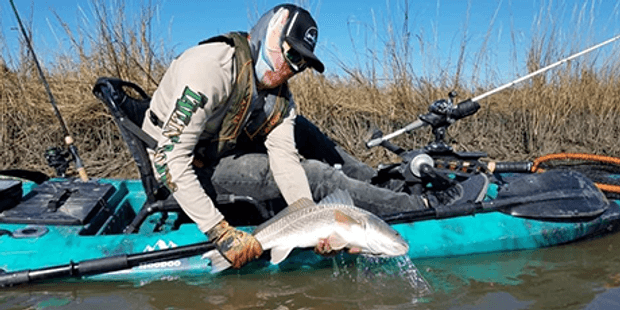
Why a regular kayak can work for fishing
Many anglers start with a standard recreational kayak. A regular kayak is often stable enough for light casting and short trips. It’s affordable and simple to transport. Can you use a regular kayak for fishing? Yes, for many anglers it’s a great entry point.
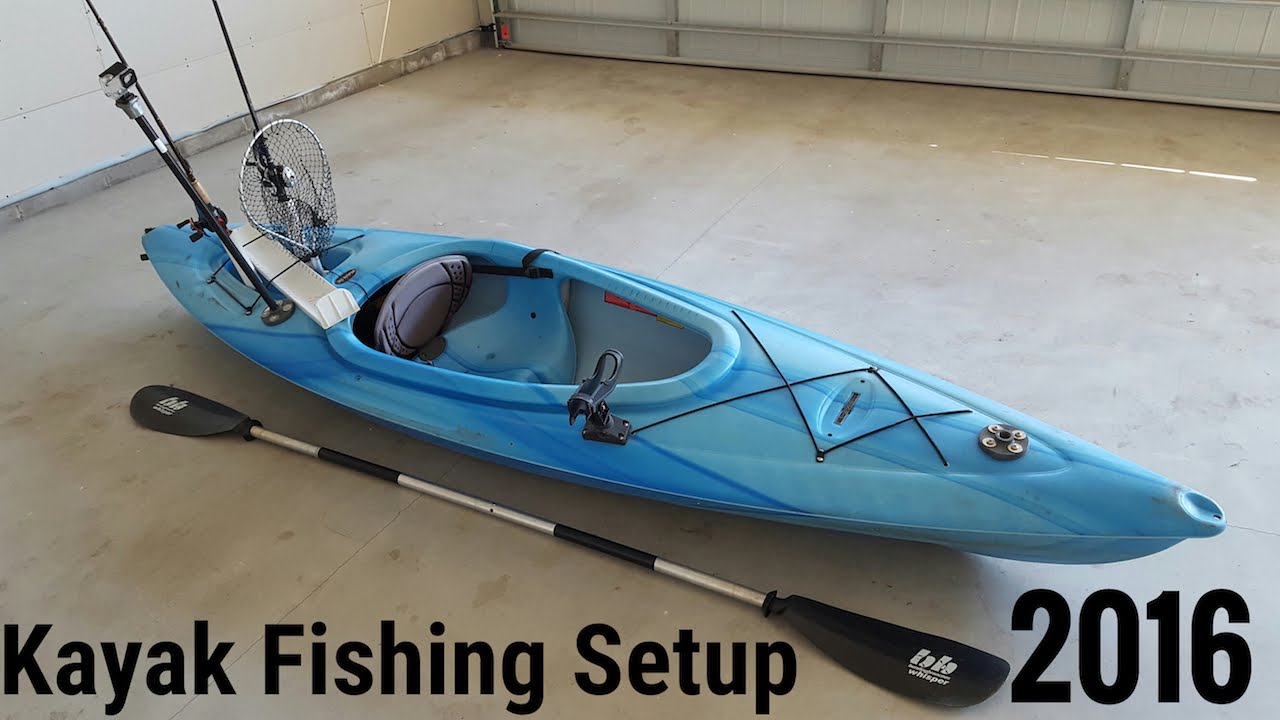
Regular kayaks work well on calm lakes, slow rivers, and protected bays. They let you reach shallow spots and tight structure where fish often hide. With basic changes, such as adding rod holders and storage, a regular kayak becomes much more fishing-friendly.
My early kayak trips used a basic sit-in recreational kayak. I learned that neat, small mods improved convenience and safety far more than an expensive purchase. That experience taught me what matters most: stability, storage, and safe access to gear.
Typical advantages and limitations of a regular kayak
Advantages
- Affordable entry cost and lower learning curve for new paddlers.
- Easy to transport on a roof rack and simple to launch from many spots.
- Light weight and maneuverable in tight water and shallow edges.
Limitations
- Less built-in storage and fewer mounting points than fishing kayaks.
- Narrower decks or lower load capacity can reduce stability when landing large fish.
- Limited factory gear like flush mounts, anchor systems, or comfortable seating for long days.
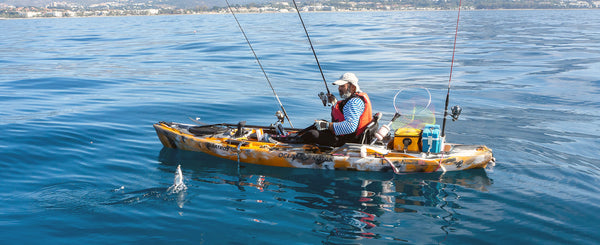
Can you use a regular kayak for fishing if you expect long offshore trips or want heavy electronics? Probably not ideal. But for inshore fishing, pond bass, or casual trips, a regular kayak can do the job well.
How to set up a regular kayak for fishing
Assess the kayak first. Check load capacity, deck layout, and stability. Add gear with safety in mind.
Basic setup steps
- Add simple rod holders: clamp-on or rail-mounted holders work and remove easily.
- Use a crate or dry box for tackle and keep centerline storage for balance.
- Fit a paddle leash and a comfortable seat cushion to improve control and endurance.
- Consider an anchor trolley for positioning in current or wind-prone spots.
Electronics and mounts
- Low-weight fishfinders can be mounted with transducer tapes or scupper-hole mounts.
- Use quick-release mounts so you can remove gear before transport.
Take small steps. I once over-mounted a small recreational kayak and made it top-heavy. Removing unnecessary items and keeping weight low fixed the issue. Balance gear along the centerline and close to the hull to keep the kayak stable.
Stability, safety, and legal considerations
Safety is critical. Stability and safety gear matter more than style.
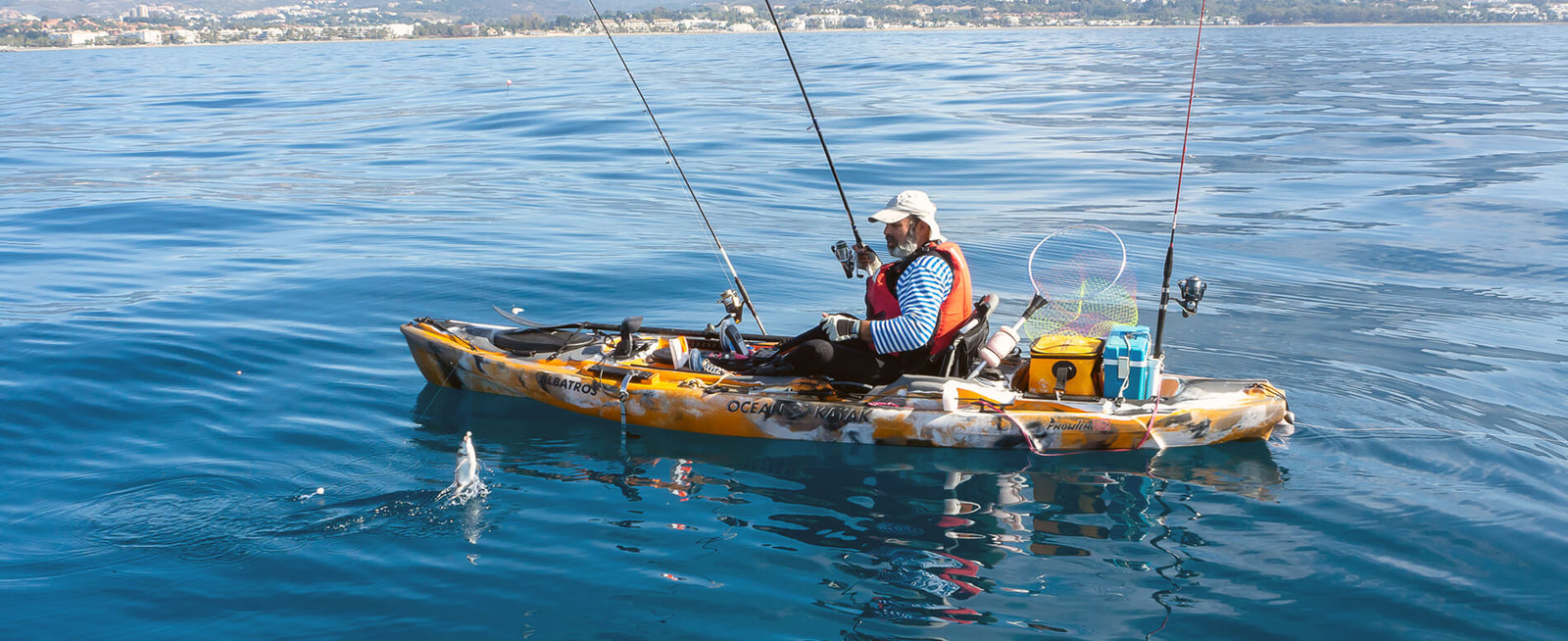
- Always wear a Coast Guard–approved PFD and keep it fastened.
- Check weather, wind, and water conditions before each trip.
- Use a whistle, light, and basic rescue gear when paddling alone.
Stability tips
- Keep heavy items near the centerline and low in the hull.
- If you plan to stand, test standing only in calm, shallow water and only if the kayak feels stable.
- Practice self-rescue techniques and wet exits in a controlled setting.
Local rules and access
- Check local boating laws and launch rules before fishing.
- Some areas require permits or have specific gear restrictions.
Can you use a regular kayak for fishing in wind or surf? Proceed with caution. Regular kayaks often lack the tracking and freeboard for rough water, so choose calm conditions or upgrade to a more robust model.

Gear and accessories that make a regular kayak fish-ready
You don’t need every accessory to start. Focus on essentials that add safety and function.
Essential items
- PFD sized for fishing with pockets and access for tools.
- Rod holders, either clamp-on or flush-mounted with base plates.
- Tackle storage: small tackle box or crate secured to the cockpit.
- Anchor or anchor trolley for staying on productive spots.
- Paddle leash and a spare paddle.
Nice-to-have items
- Small fishfinder or smartphone mount with GPS.
- Cooler or dry bag for catches and personal items.
- Kayak cart for easier transport to launch points.
My kit evolved gradually. I started with a cheap clamp-on rod holder and bright PFD. Upgrading the seat was the single change that made long days more comfortable and productive.
Handling fish, casting, and landing from a regular kayak
Casting strategies
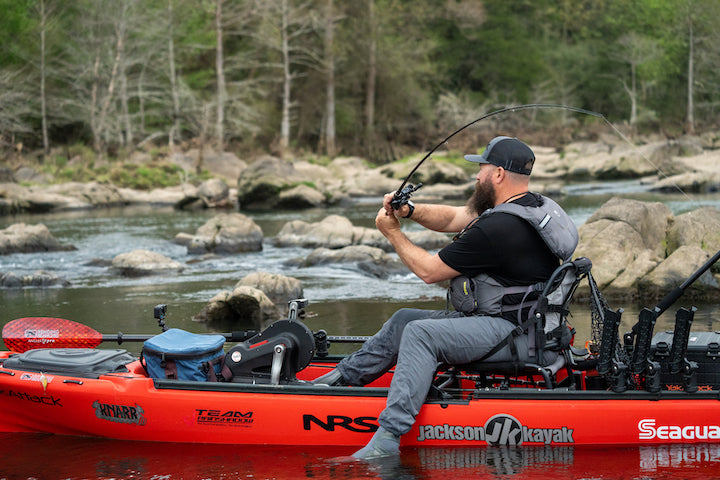
- Sit down to fish for better balance while casting and retrieving.
- Use lighter tackle if the kayak’s load limit is a concern.
Landing fish
- Bring the kayak close to shore for landing or use a net to reduce risk of capsizing.
- Practice leaning and holding the rod with a controlled hand-over-hand retrieval.
Managing tangles and fights
- Stay calm and keep weight centered to avoid tipping during a strong run.
- If a fish pulls hard, angle the kayak to reduce torque and let the fish tire before landing.
Can you use a regular kayak for fishing for large species? You can, but expect limits. Larger fish increase the risk of capsizing in small, narrow kayaks. Upgrade the kayak or fish from a wider, higher-capacity craft for consistent big-fish action.

Related concepts and when to upgrade
When a regular kayak is not enough
- You want to stand and sight-fish often.
- You plan long offshore trips in rough water.
- You need heavy electronics, multiple rods, and big storage.
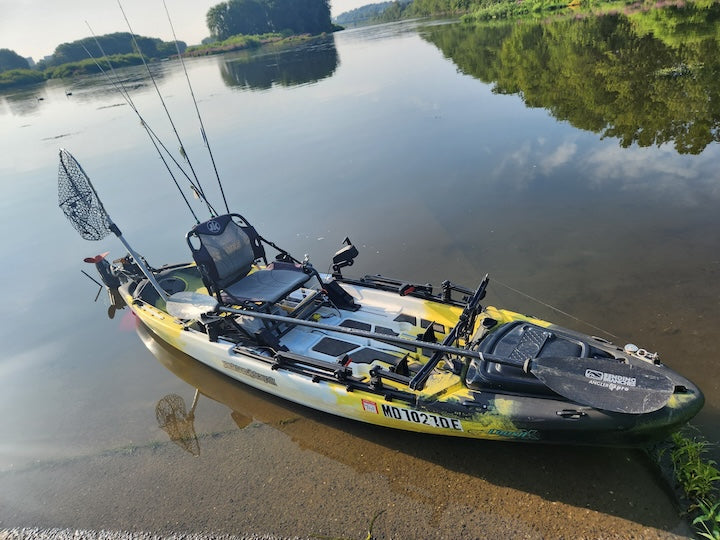
When to choose a purpose-built fishing kayak
- Want built-in mounts, more stability, and better load capacity.
- Need molded-in storage hatches and pedal or motor drive options.
- Frequently fish alone in varied conditions and need dedicated safety features.
Can you use a regular kayak for fishing long-term? Many anglers do, but if you push limits the kayak may feel restrictive and you might upgrade.
Personal experience, mistakes to avoid, and practical tips
Personal notes from many trips
- Start light and learn how your kayak handles with gear.
- Test stability on calm water before heading to deeper or rougher spots.
- Keep gear simple: a rod, small tackle box, PFD, and a water bottle can make for a great day.
Common mistakes
- Overloading the kayak with heavy tackle and coolers.
- Mounting too many accessories high on the deck.
- Ignoring weather forecasts and local conditions.
Quick practical tips
- Use a milk crate or soft cooler tied to the hull for stable storage.
- Mark scupper plugs and carry their keys; they can add buoyancy and dry storage functionality.
- Practice re-entering the kayak from the water at home or in a pool.

PAA-style questions (people also ask)
Is a regular kayak stable enough for fishing?
Many are stable for sitting and light casting, especially on calm water. For standing or heavy fish, stability may be limited.
Can I mount a fishfinder on a regular kayak?
Yes, small fishfinders attach with transducer tape or scupper mounts and lightweight mounting brackets. Ensure mounting does not unbalance the kayak.
Do I need a special PFD for kayak fishing?
A PFD with pockets and freedom of motion helps access gear and improves comfort. Any approved PFD is better than none, but fishing-specific styles add convenience.
Frequently Asked Questions of Can you use a regular kayak for fishing?
H3: Can you use a regular kayak for fishing in saltwater?
Yes, you can use a regular kayak for saltwater fishing in calm bays and estuaries. Rinse gear and the kayak with fresh water after each trip to prevent corrosion.
H3: How do I secure my tackle so it does not shift?
Use a crate, dry box, or bungee straps along the centerline to keep gear tight and low. Distribute weight evenly to maintain balance.
H3: Can I stand up to cast in a regular kayak?
Standing is possible only in very stable, wider kayaks and calm water. For most regular kayaks, sitting casts are safer and more effective.
H3: Is it safe to fish solo from a regular kayak?
Fishing solo can be safe with proper PFD use, communication devices, and weather checks. Always tell someone your plan and avoid risky conditions.
H3: What upgrades make the biggest difference?
Upgrading the seat, adding simple rod holders, and getting secure storage provide the biggest comfort and function gains. These small changes often improve the experience more than a new kayak purchase.
Conclusion
A regular kayak can be a practical, affordable, and fun way to fish when you match expectations to conditions and make smart, minimal upgrades. Focus on balance, safety gear, and simple storage solutions to get the most from your setup. Try a few modifications, practice basic rescue skills, and gradually expand your kit as you learn what matters to your fishing style. Ready to try? Pack light, start on calm water, and share your lessons or questions below — your next great day on the water may be just a short paddle away.

