

Safety tips for kite fishing: life jackets, weather checks, reliable gear, and clear communication.
I have spent years kite fishing and teaching others safe techniques on small boats and shore launches. This article lays out clear, tested safety tips for kite fishing so you can plan smart trips, avoid common hazards, and respond quickly if things go wrong. Read on for step-by-step checks, gear choices, emergency moves, and real-world lessons that make kite fishing safer and more enjoyable.

36% off Today’s Exclusive Deals
Limited-time Exclusive Deals. Check current discount on Amazon.
Check Price on Amazon As an Amazon Associate I earn from qualifying purchases.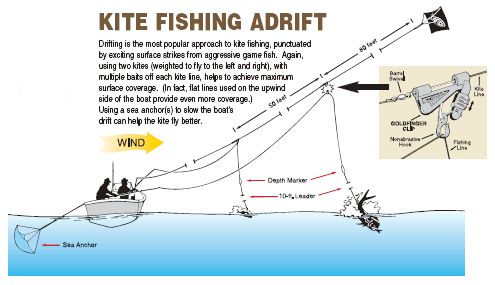
What is kite fishing and why safety tips for kite fishing matter
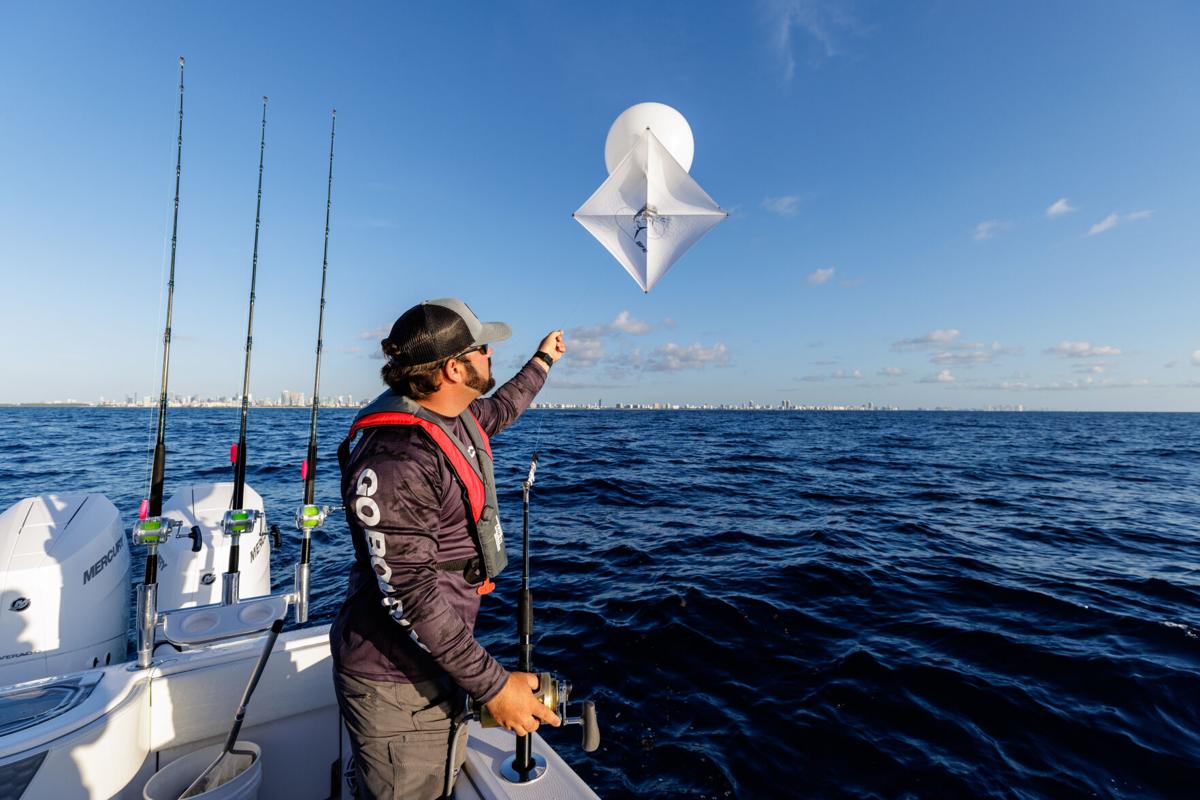
Kite fishing uses a kite to carry bait out from a boat or shore. It keeps baits high and spread, often attracting big pelagics.
The method brings added risks: long lines, wind-driven gear, and busy boat decks. Safety tips for kite fishing matter because small mistakes can cause entanglement, falls, or serious injuries. Keep rules simple. Stay alert. Plan ahead.
Essential pre-trip safety checklist for kite fishing
A short checklist reduces surprises and improves outcomes on the water. Follow these safety tips for kite fishing before you leave the dock:
- Check weather and wind forecasts. Confirm steady wind speeds and no storms.
- Inspect kite gear and lines. Look for frays, weak knots, and worn bridle points.
- Bring the right personal flotation devices. Everyone on board should have a fitted life jacket.
- Pack emergency gear. Include a VHF radio, fully charged phone, signaling mirror, and flares.
- Prepare a first-aid kit. Add trauma supplies and gloves for hook removal.
- File a float plan. Tell someone your route and expected return time.
- Test communications. Ensure radios and handhelds work and are waterproofed.
These steps are core safety tips for kite fishing. They reduce risk before you ever launch.

Gear and equipment: practical safety tips for kite fishing
Good gear makes kite fishing safer and simpler. Prioritize reliability and redundancy.
- Personal flotation devices
- Use Coast Guard–approved PFDs that fit well. Quick-don designs are best for angling movement.
- Kite rigs and bridles
- Inspect for chafing and locked knots. Replace frayed bridles at once.
- Lines and leaders
- Use braided kite lines rated for your target species. Tag leader length to avoid tangles.
- Backup spares
- Carry spare kites, bridles, shuttles, and clips. A broken kite at sea should not end the trip.
- Cutting tools
- Have line cutters and a safety knife accessible to the angler and the skipper.
- Communication devices
- VHF, waterproof phone, and an emergency locator if going offshore are must-haves.
- Kill switch and engine safety
- Use an engine cutoff when adjusting kites near the transom. Keep prop clear of loose lines.
- Safety apparel
- Wear non-slip shoes, sun protection, and gloves designed for handling monofilament and braided line.
Choosing the right kit is one of the best safety tips for kite fishing. Replace worn parts before they fail.

Weather, sea state, and site selection: safety tips for kite fishing you must follow
Wind is the engine of kite fishing. It is also the main hazard. Respect it.
- Wind strength and gusts
- Avoid gusty or overly strong winds that can flip kites and snap rigs.
- Lightning and storms
- Do not kite fish if storms are forecast. Kites elevate metal and lines, increasing strike risk.
- Wave height and currents
- Choose sites where waves are manageable. Strong currents can pull baits and lines into dangerous positions.
- Nearshore hazards
- Avoid power lines, rock outcrops, and crowded channels. Kites can carry lines into hazards fast.
- Tides and shallow water
- Know tidal flows that affect boat control and bait presentation.
Site choice and weather checks are foundational safety tips for kite fishing. When in doubt, postpone the trip.
Launching and flying the kite safely
Start calmly and use a standard routine. These safety tips for kite fishing focus on control and clear roles.
- Pre-launch checks
- Re-check knots, bridle settings, and that hooks are sheathed.
- Assign roles
- One person launches the kite. Another manages the lines and watch for hazards.
- Controlled launch
- Launch from the leeward side when possible and keep boat speed steady.
- Use tag lines and quick-release
- A tag line stabilizes the kite. Quick-release clips allow immediate recovery if wind shifts.
- Avoid overhead obstacles
- Keep clear of masts, radar arches, and power lines.
How do I start kite fishing safely?
- Start with a small kit in light wind and practice launches in calm conditions. Build to larger kites as you gain confidence.
What is the safest way to recover a kite?
- Slow the boat, use the tag line, and bring the kite down into the boat from the upwind side, keeping a cutter handy.
These practical moves are core safety tips for kite fishing. Practice them on calm days until they become second nature.
On-water conduct and crew communication
Good communication prevents accidents. Keep lines short and language clear.
- Establish hand signals and radio calls
- Agree on simple signals for launch, retrieve, and emergency stop.
- Maintain a clear deck
- Stow loose gear. Keep hooks and gaffs secured until needed.
- Lookouts and spacing
- Assign a dedicated lookout for drifting lines and approaching craft.
- Line awareness
- Treat lines as hazards. Step over at a wide angle and never wrap lines around your body.
- Dealing with tangles
- Slow the boat and stop the prop if lines tangle. Cut only when necessary and rescue gear cautiously.
These communication-based safety tips for kite fishing keep everyone coordinated and safe.
Handling strikes, fighting fish, and bringing fish aboard safely
Big fish create sudden, high-risk moments. Prepare for them.
- Hook placement and clip rules
- Use clips that release at set loads. This reduces sudden tension on kites and lines.
- Fighting position
- Keep a low, wide stance and secure footing. Have another crew member watch the leader and kite lines.
- Gaffing and boathandling
- Use gaffs only when the fish is controlled and clear of the prop. Communicate before the gaff goes over.
- De-hooking procedures
- Use long-handled pliers and a de-hooking tool. Protect fingers with gloves and keep hands away from the hook point.
- Releasing large fish
- When releasing, cut the leader if necessary rather than risk injury during boat-side handling.
These steps are essential safety tips for kite fishing when the action heats up. Calm, clear moves prevent accidents.
Emergency procedures and rescue: vital safety tips for kite fishing
Know what to do before an emergency happens. Practice these moves.
- Man overboard
- Throw a floatation device and mark the spot on GPS. Stop the engine and approach slowly into the wind.
- Line entanglement
- Cut loose lines quickly if someone is trapped. Treat entanglement as immediate danger.
- Equipment failure
- Use backups for kite and communication gear. Anchor or head to shore if control is lost.
- Medical emergencies
- Stabilize the patient, control bleeding, and radio for help. Evacuate to the nearest port when possible.
- Hypothermia and heat illness
- Have blankets, fresh water, and shade. Recognize symptoms early and act fast.
Drilling these emergency moves is one of the strongest safety tips for kite fishing. Practice them until reactions are automatic.
Legal, environmental, and ethical safety tips for kite fishing
Safe kite fishing includes obeying laws and protecting the sea.
- Follow regulations
- Know local catch limits, size rules, and protected species laws.
- Respect protected areas
- Avoid no-take zones and sensitive habitats.
- Responsible gear choices
- Use circle hooks and breakaway clips to improve survival of released fish.
- Dispose of waste properly
- Do not leave line, bait, or plastics in the water.
Including these legal and ethical points in your safety tips for kite fishing protects you and the ocean.
Training, practice, and continual improvement
Skill builds safety. Commit to steady practice and learning.
- Start in calm, shallow water
- Learn kite control with small kites and light wind.
- Crew drills
- Practice launches, recoveries, and man-overboard drills monthly.
- Take courses
- Enroll in boating safety and angling first-aid classes.
- Learn from others
- Fish with experienced kite anglers and join local clubs.
Continuous training is a long-term safety tip for kite fishing. It pays off in confidence and lower risk.
Personal experience and lessons learned
I learned early that a single frayed bridle can ruin a trip. On one windy day a clip failed and we lost the kite. Since then I always carry spares and practice quick-release drills. Another time a near-miss with lines looping around a crew's leg taught me to brief everyone on stepping patterns. My biggest lesson: slow down and communicate. Those moves likely saved someone from injury. These practical lessons shape my top safety tips for kite fishing.
Frequently Asked Questions of What are the safety tips for kite fishing?
How strong a wind is safe for kite fishing?
Safe wind depends on your kite size and skill. Light to moderate steady winds are best; avoid gusty winds and any storm warnings.
Do I need a life jacket while kite fishing?
Yes. Everyone on board should wear a fitted PFD. It greatly reduces risk in a man-overboard event.
How do I avoid line entanglement?
Keep deck clear, assign a lookout, and use cutters accessible to all. Never wrap line around your body.
What should I do if the kite fails offshore?
Use your backup kite or head to shore slowly while managing loose lines. If control is lost, cut the bridle to prevent bigger hazards.
Can kite fishing be done alone safely?
Solo kite fishing raises risk and is not recommended offshore. If you go alone, stay very close to shore and maintain constant comms and a float plan.
Conclusion
Safety tips for kite fishing boil down to preparation, reliable gear, clear roles, and practiced emergency moves. Follow pre-trip checklists, use proper equipment, and rehearse key drills. Start small, build skills, and always communicate on the water. Try one safety habit this week — inspect your rig, run a launch drill, or update your float plan — and make kite fishing safer for you and your crew. Share your experience, ask questions below, or subscribe to get more practical tips.

