

Pitch a bait accurately by using the right gear, a steady stance, and a smooth, controlled release.
I’ve fished saltwater flats, ponds, and heavy cover for over 15 years. I know what works and what fails. In this guide I explain how do you pitch a bait accurately in fishing? I will walk you through gear, body mechanics, sighting, wind tricks, practice drills, and fixes for common mistakes. Read on to sharpen your aim and land more casts on target.

36% off Today’s Exclusive Deals
Limited-time Exclusive Deals. Check current discount on Amazon.
Check Price on Amazon As an Amazon Associate I earn from qualifying purchases.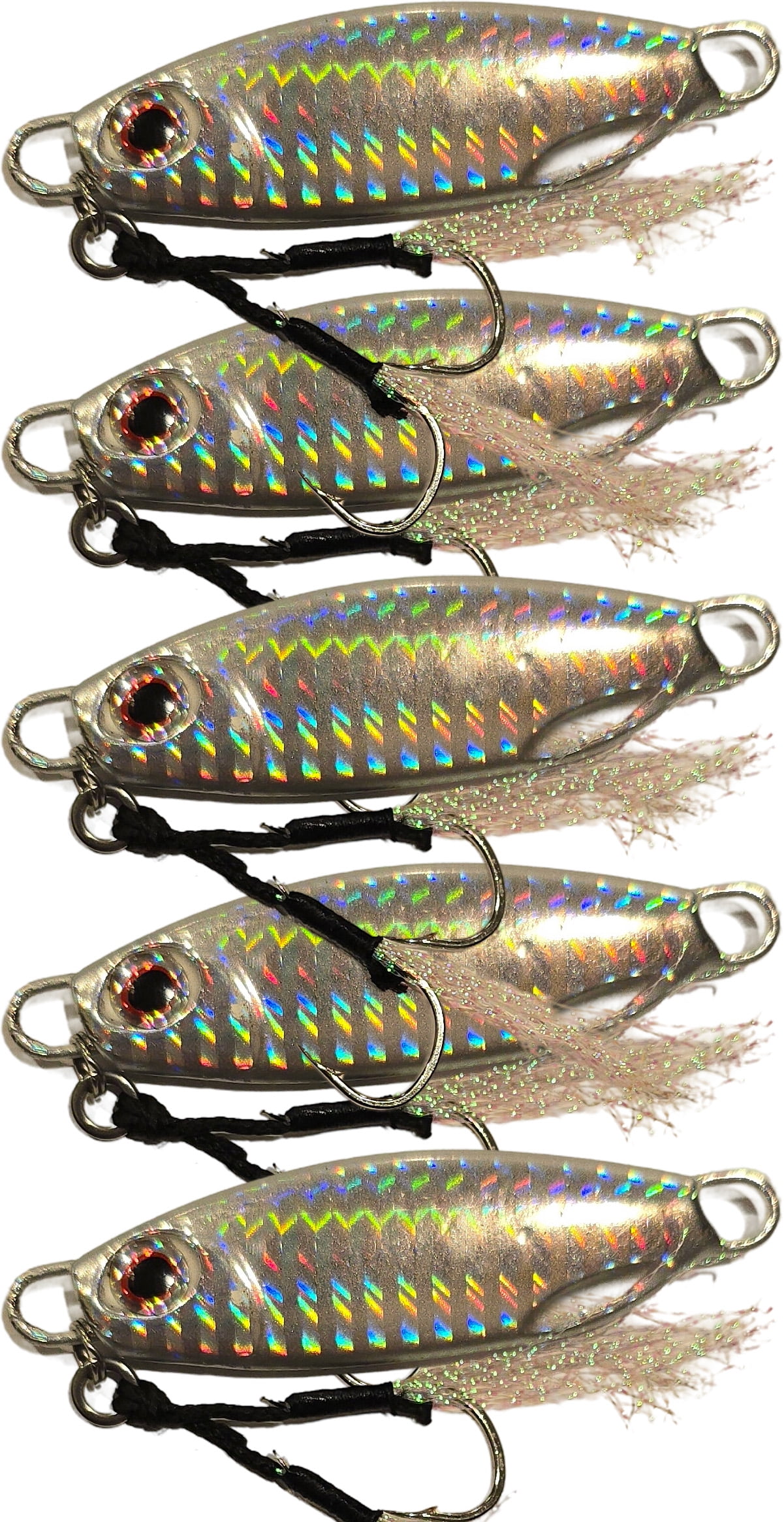
Why pitching bait accuracy matters
Pitching bait is the skill of delivering a lure or bait quietly and precisely into tight spots. This matters because fish hide in cover, under docks, and near structure. A well-placed pitch makes bites more likely and scares fish less. When you learn how do you pitch a bait accurately in fishing? you gain the edge to reach pockets other anglers miss.

Gear and setup for accurate pitching
- Rod selection: Use a short, fast-action baitcasting or spinning rod between 6 and 7 feet for control and quick rod load. Short rods help in tight spaces.
- Reel choice: Low-profile baitcasters give better thumb control for pitch casts. Smooth spinning reels can work well for lightweight baits.
- Line and leader: Braided line from 20 to 50 lb lets you feel the bait and makes tight casts. Use a fluorocarbon leader for less stretch and better stealth.
- Terminal tackle: Choose compact weights like split shots or tungsten drops for subtle presentations. Use small, weedless hooks or Texas-rigged soft plastics to avoid snags.
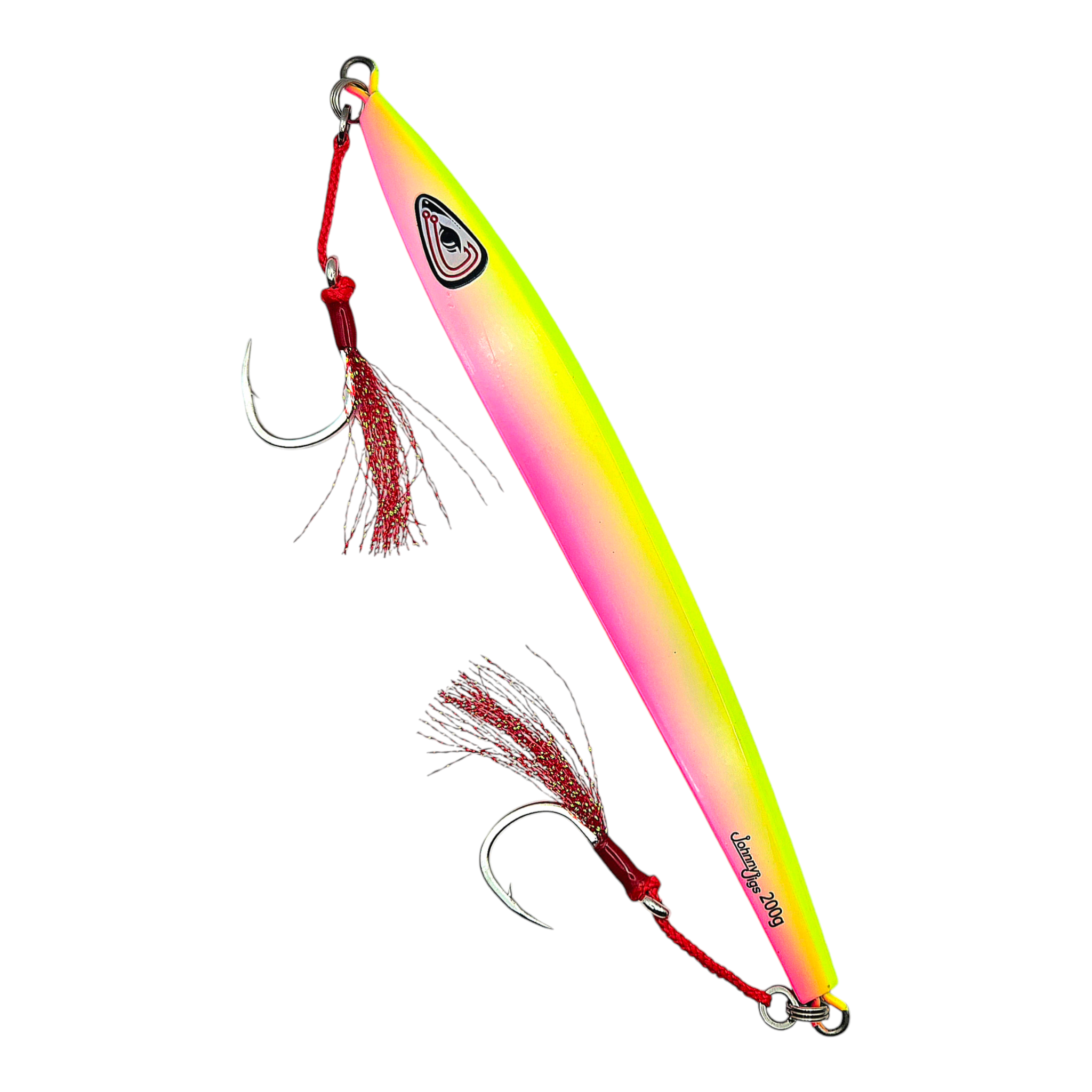
- Bait type: Soft plastics, swimbaits, jigs, and small topwaters are common for pitching. Match bait size to cover; small baits are less likely to spook fish.
I learned early that matching gear to the cast distance and cover makes accuracy repeatable. A proper setup reduces missed targets and lost baits.
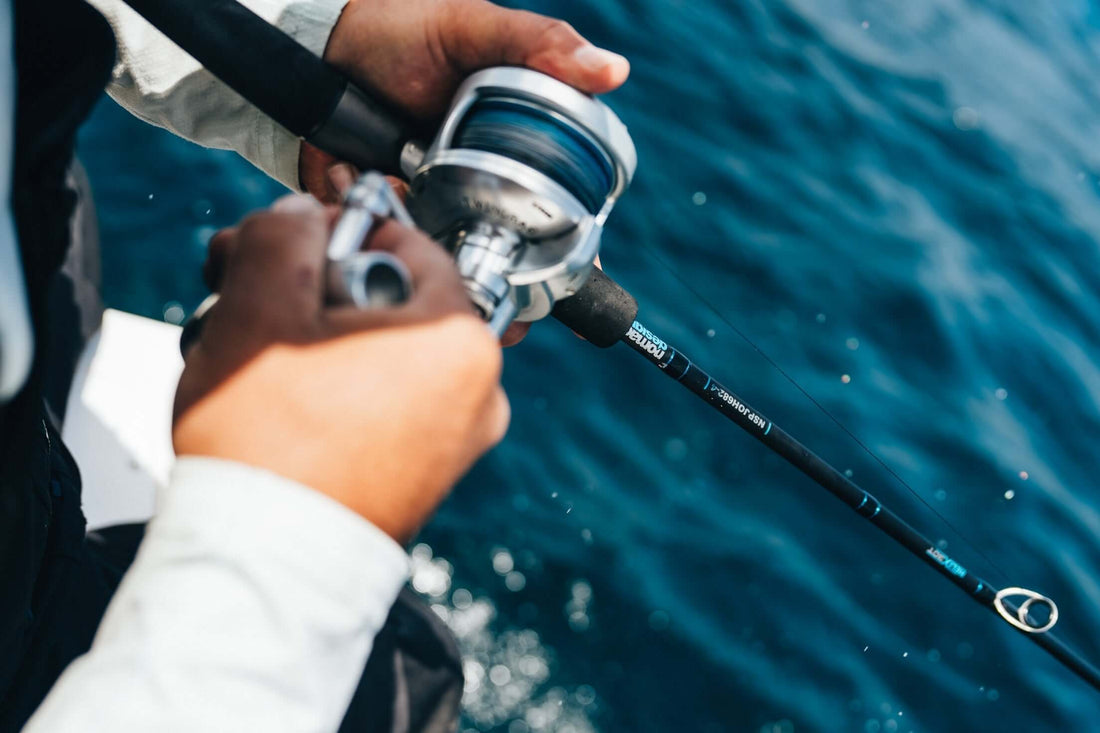
Step-by-step technique to pitch a bait accurately
-
Position and stance
- Face your target with your feet shoulder-width apart.
- Keep your knees slightly bent and weight balanced on the balls of your feet.
-
Grip and rod hold
- Hold the rod close to the reel for control.
- Use a light, steady grip. Tension should be just enough to feel the lure.
-
Load the rod
- Bring the rod tip down and back to load the blank.
- Keep the lure near your hip to control arc and power.
-
The pendulum motion
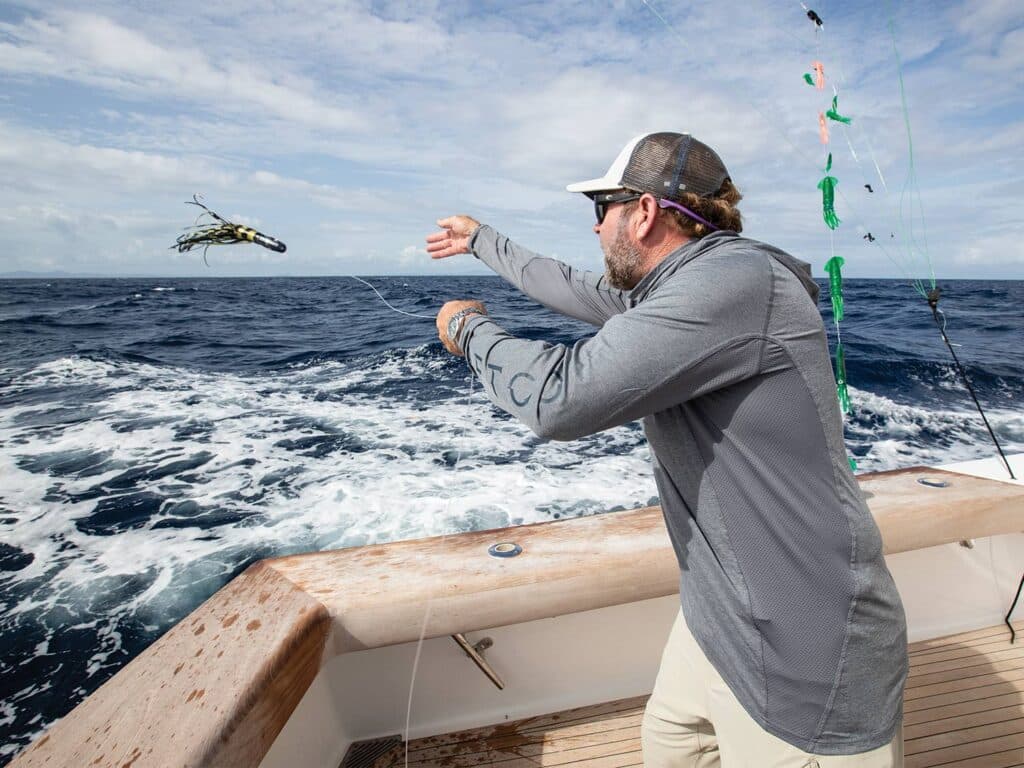
- Swing the rod tip forward in a smooth pendulum motion.
- Aim the rod tip so the lure follows a low, controlled arc.
-
Thumb and release control
- For baitcasters, use your thumb on the spool to prevent backlash.
- Release the line at the exact moment the rod points at the target. Timing equals accuracy.
-
Follow-through
- Let the rod point toward the target after release.
- A short follow-through refines trajectory and reduces side spin.
-
Soft presentation
- Land the bait quietly. A slap in water sends fish away.
- Reduce line tension on landing to let the bait settle.
When I practiced, I timed releases against a fixed marker on shore. That drill alone improved my target hits by over 50 percent.
Reading water, wind, and choosing targets
-
Identify likely fish holding spots
- Look for structure like fallen trees, boat docks, lily pads, and drop-offs.
- Fish key water edges, current seams, and shaded pockets.
-
Use visual references
- Pick a small, consistent landmark near the target to aim at.
- Align rod tip with that landmark before you cast.
-
Account for wind and current
- Cast slightly upwind so the bait drifts into the target.
- For current, aim upstream of the spot so the bait sweeps through.
-
Estimating distance
- Practice by pitching to floating markers or buoys at known distances.
- Learn how far your rod and line send specific weights.
When you ask how do you pitch a bait accurately in fishing? remember the environment changes the cast more than you think. Treat water and wind as active parts of the cast.

PAA-style quick questions
How long should my rod be to pitch accurately?
- Shorter rods around 6 to 7 feet give better control for tight pitches. They make it easier to place the bait in small pockets.
When should I use a sidearm pitch?
- Use a sidearm pitch when overhead obstacles block a high arc. Sidearm casts stay low and slip under branches.
How do I avoid spooking fish when pitching?
- Use light line, quiet bait landings, and pitch from a shaded or low-profile stance to minimize your silhouette.
Common mistakes and how to fix them
-
Overpowering the cast
- Mistake: Swinging too hard sends the bait past the target.
- Fix: Soften the motion and practice shorter pendulum swings.
-
Poor timing on release
- Mistake: Releasing too early or too late causes high or low landings.
- Fix: Use a visual marker and practice smooth, repeatable timing.
-
Wrong lure weight
- Mistake: Too-light or too-heavy weights change trajectory.
- Fix: Tune weight to the rod and desired distance. Test at the water.
-
Not compensating for wind
- Mistake: Ignoring wind results in big misses.
- Fix: Aim upwind or adjust power. Use lower arcs in strong wind.
-
Neglecting stealth
- Mistake: Splashing or sudden movements spook fish.
- Fix: Move slowly, keep the bait quiet, and reduce line slap.
I once lost an entire morning to blind whipping at a dock. Slowing down and using a small tungsten jig changed the day. That taught me to pitch with patience.

Advanced tips and practice drills
-
Target practice with rings or buoys
- Set up floating markers at various distances. Pitch until you hit them consistently.
-
Two-step pitch: cast then drop
- Cast beyond cover, let the line settle, then draw the bait back into the pocket. This minimizes drag and feels natural to fish.
-
Roll cast for tight backcasts
- Use a roll cast when you have no room to backcast. It’s subtle and effective near docks.
-
Use lighter braid for feel, heavier leader for shock absorption
- This combo improves bite detection while protecting against sudden runs.
-
Silent landings with circling follow-through
- Aim to let the lure kiss the water. A short rod tip circle on follow-through dampens splash.
Practice drills I use:
- Ten pitches to a single floating ring at varying distances.
- Wind-adjustment drill: pitch into a target while changing your aim by minor degrees.
- Obstacle drill: set up poles and practice low-angle sidearm pitches.

Personal lessons and mistakes to avoid
- Lesson: Slow, practiced reps beat raw power. I once focused on distance over placement. I learned to trade range for precision.
- Mistake: Not changing rigs. I fought snags until I tried weedless hooks and lighter weights.
- Tip: Keep a small notebook by your gear. Record wind, bait, and distance. Over time you build a predictable pattern.
My advice comes from years on flats, in brush, and under docks. Small changes in technique add up fast.

Frequently Asked Questions of How do you pitch a bait accurately in fishing?
How do you pitch a bait accurately in fishing?
Start with the right gear and a short, controlled rod motion. Use a steady stance, time your release to a landmark, and practice until the motion is repeatable.
What rod and reel are best for pitching?
A 6 to 7 foot fast-action rod with a baitcasting or smooth spinning reel suits pitching. Short rods offer better control in tight spaces and quick target adjustments.
How do I stop spooking fish when pitching?
Keep movements slow, land the bait quietly, use light line, and pitch from a low profile. Avoid slapping the water and minimize line noise.
When should I use a sidearm pitch versus an overhead pitch?
Use sidearm casts when overhead obstacles block you or when you need a low trajectory. Overhead pitches give more distance and a higher arc.
How often should I practice pitching to improve accuracy?
Practice short sessions three to five times a week when possible. Ten focused pitches to a target per session improves muscle memory quickly.
Conclusion
Mastering how do you pitch a bait accurately in fishing? brings more hookups and fewer wasted casts. Focus on gear, stance, timing, and reading the water. Practice simple drills and correct common mistakes to make the motion natural. Try the target drills in this article, keep a short practice routine, and track what works. Share your progress, subscribe for more tips, or leave a comment about a pitching trick that helped you.

