

Pitch fishing lures are mainly short, accurate baits: jigs, soft plastics, swimbaits, blade baits, and small crankbaits.
I’ve spent years pitching tight to cover and teaching anglers how to pick the right lure. This guide explains what lures are used in pitch fishing, why each works, when to use it, and how to rig and retrieve them for consistent bites. Read on for clear tips, real-life lessons, and step-by-step choices to improve your pitching game today.

36% off Today’s Exclusive Deals
Limited-time Exclusive Deals. Check current discount on Amazon.
Check Price on Amazon As an Amazon Associate I earn from qualifying purchases.
What is pitch fishing?
Pitch fishing is short, accurate casting to a target.
Anglers use a short underhand cast to place a bait into tight cover.
This method targets structure, docks, laydowns, and isolated cover.
Pitch fishing lures are designed for accuracy and quick reaction.
You need lures that fish will hit in close and hold their action near cover.
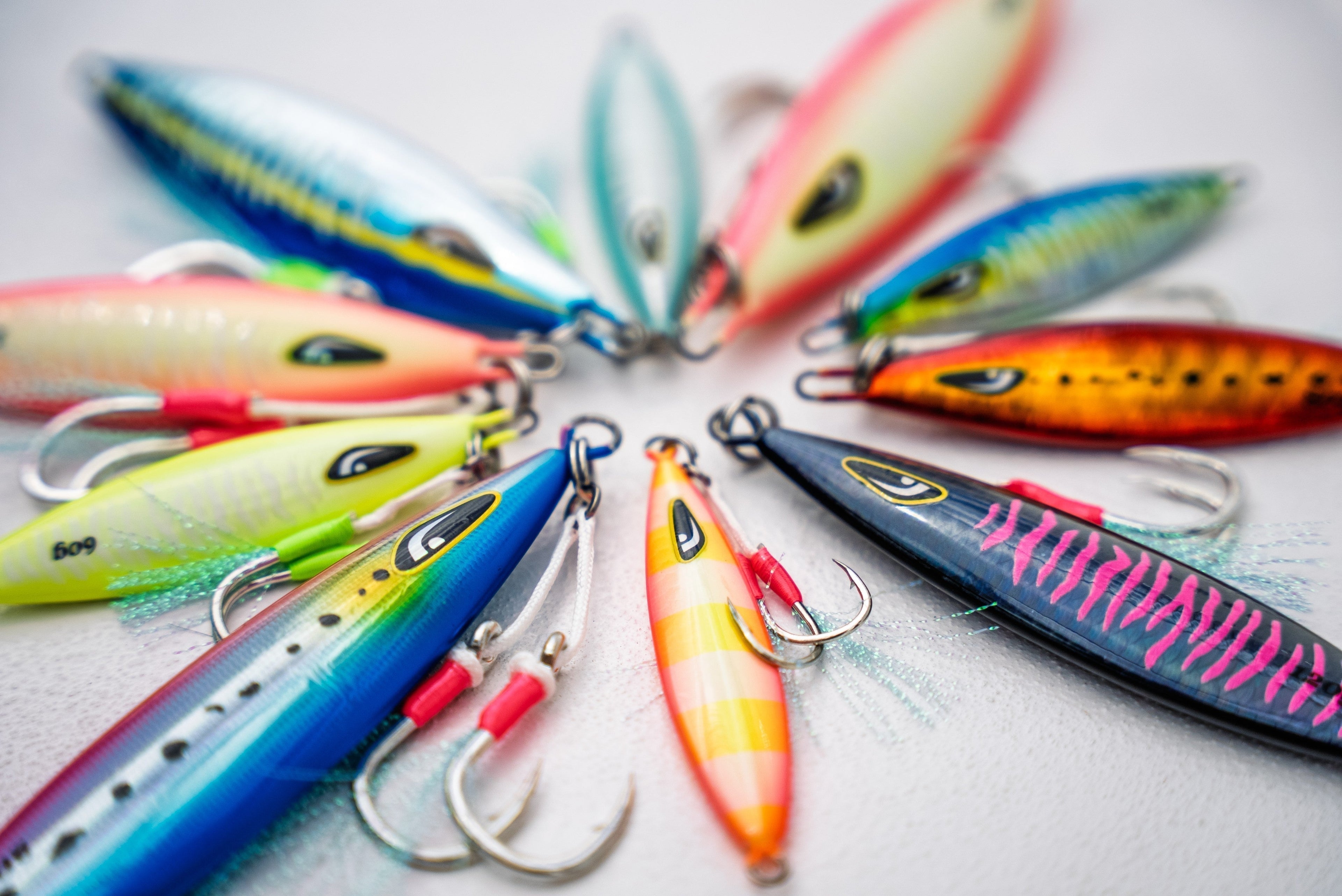
Common types of pitch fishing lures
Pitch fishing lures fall into a few key families. Each has strengths for different cover and conditions.
- Jigs
- Description: Compact, heavy heads with skirt or soft-body trailers for short pitches.
- Use: Best for flipping and pitching into thick vegetation or wood.
- Action: Hops and drags that trigger reaction strikes.
- Soft plastics
- Description: Creatures, tubes, worms, and swimbaits in soft plastic.
- Use: Ideal for close presentations around brush and rock pockets.
- Action: Natural profile with subtle movement on pauses.
- Compact swimbaits
- Description: 2-4 inch paddle or mini swimbaits.
- Use: Pitching to visible fish near cover or shallow flats.
- Action: Realistic swim and tail action on slow retrieves.
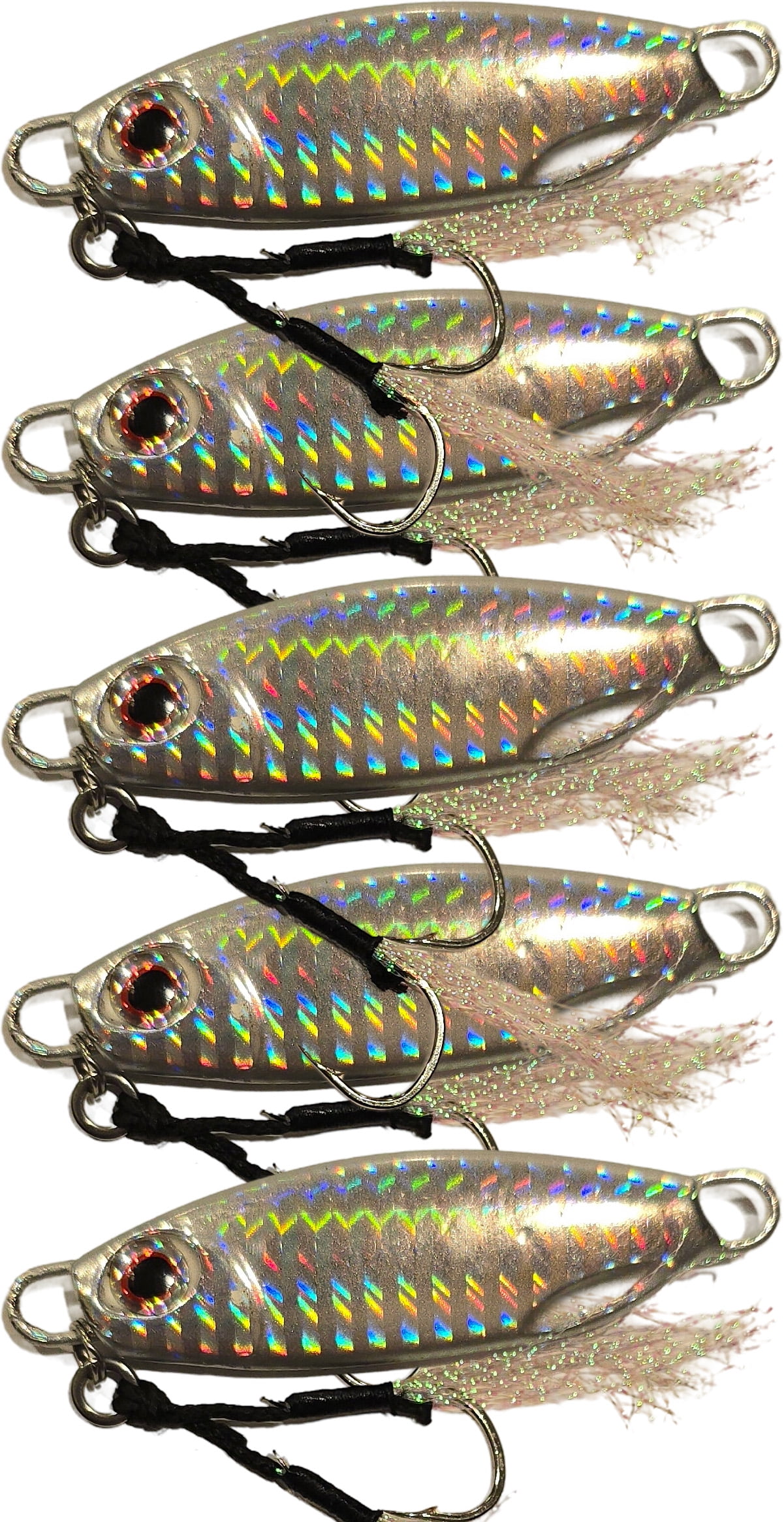
- Blade baits
- Description: Thin metal body that vibrates and sinks fast.
- Use: Pitching to fish holding deep or tight to structure in cool water.
- Action: Attracts fish with vibration and flash on lifts and drops.
- Small crankbaits and lipless crankbaits
- Description: Shallow-running hardbaits and compact lipless models.
- Use: Short casts along edges and shallow points; works well when fish respond to noise.
- Action: Wobble and rattle provoke strikes in clear to stained water.
- Spinnerbaits and chatterbaits (compact sizes)
- Description: Small heads and compact blades or bodies.
- Use: Pitching into sparse cover where flash and vibration help locate fish.
- Action: Pulsing and flashing that triggers reaction hits.
Pitch fishing lures need to be compact, balanced, and easy to fish on short casts. I advise carrying a mix of jigs, a few soft plastics, a couple of small swimbaits, and one or two blade baits for cool days.
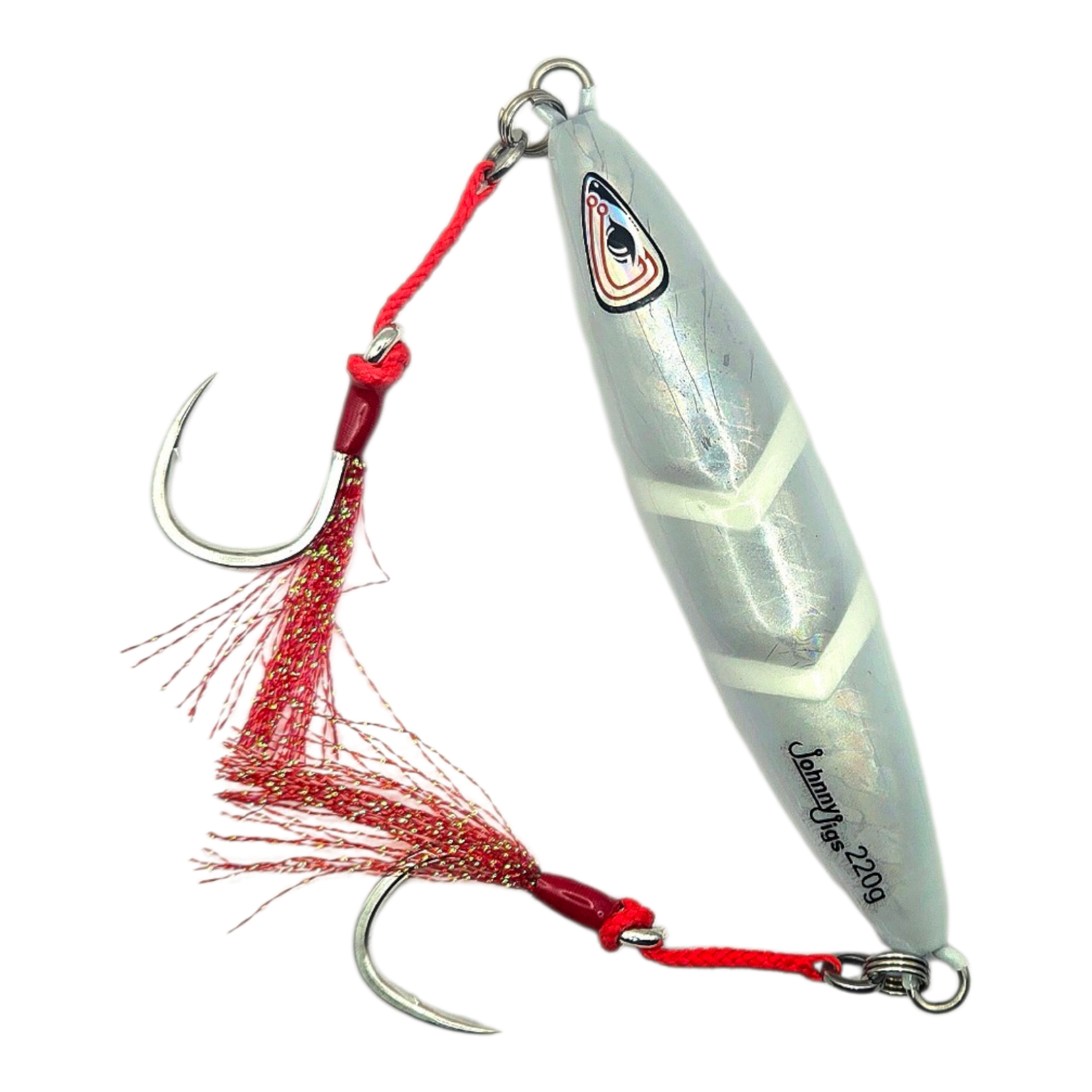
How to choose the right pitch fishing lure
Choose a pitch fishing lure based on the water, cover, and fish mood.
- Target species
- Bass prefer jigs and creature baits in heavy cover.
- Walleye and crappie often hit blade baits and small swimbaits.
- Water clarity
- Clear water: natural colors and subtle action work best.
- Stained water: bright or contrast colors and vibration help.
- Depth and cover
- Thick cover: trailers on jigs and weedless soft plastics.
- Open pocket: swimbaits, crankbaits, or blade baits.
- Season and temperature
- Cold water: blade baits and slow retrieves.
- Warm water: reactive baits like jigs and swimbaits.
- Line and gear match
- Use heavier braid and a fluorocarbon leader for tight cover.
- Light braid helps with feel and short casts in open pockets.
Pack at least three pitch fishing lures for every session. Swap when fish go quiet or conditions change.

Rigging and setup for pitch fishing lures
Proper rigging keeps lures fishable when pitching tight.
- Rod and reel
- Use a short to medium-short rod, 6'6" to 7'4", for control.
- Use a reel with good spool control and instant hookset.
- Line and leader
- Braided main line 10–30 lb for power and no-stretch hooksets.
- 6–12 lb fluorocarbon leader for invisibility and abrasion resistance.
- Jigs
- Use 3/16 to 3/4 oz depending on cover and distance.
- Add a creature trailer or craw for bulk and action.
- Soft plastics
- Rig weedless with wide-gap hooks or Texas rig components.
- Use weight sized to get proper sink rate and action.
- Swimbaits and crankbaits
- Use light jigheads or small trebles and secure split rings.
- Match swim depth to fish position.
- Blade baits and lipless crankbaits
- Pair with a strong hook and appropriate weight for pitch distance.
A strong, short rod and braid-leader combo helps place and extract lures from tight spots. I learned to favor braid for control and fluorocarbon for hook-to-fish conversions.
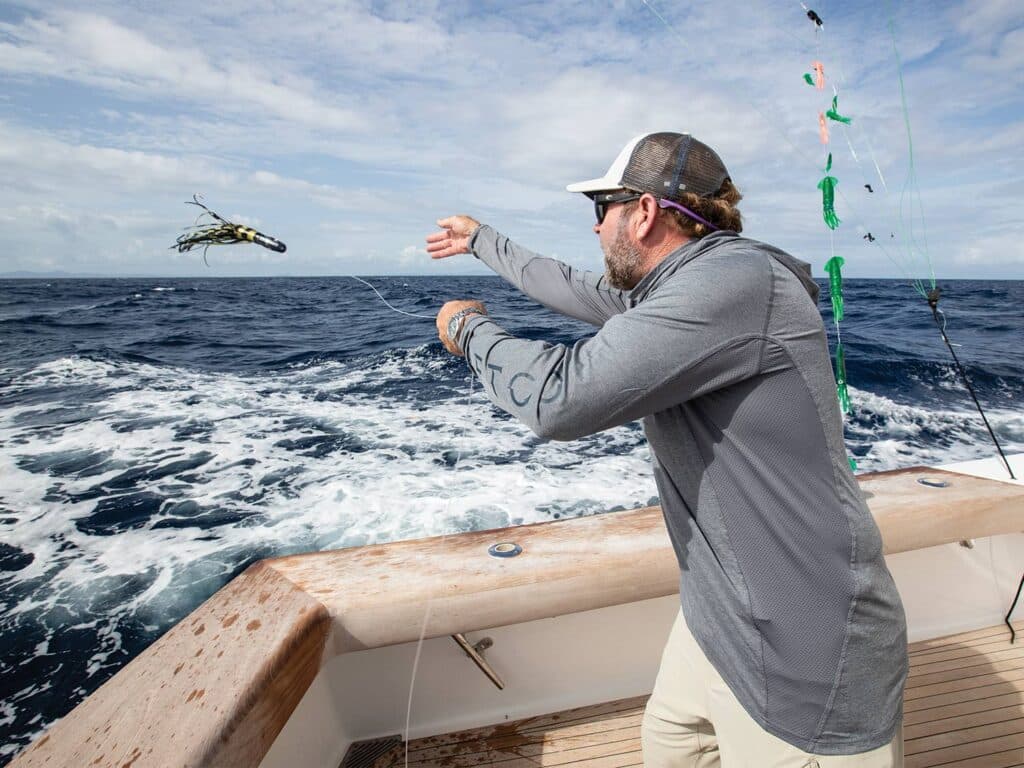
Techniques and retrieves for pitch fishing lures
Short casts demand deliberate retrieves. Match the lure to a few proven moves.
- Jigs
- Pitch to the bank, let settle, then hop or drag along cover.
- Pause on the fall; many strikes come while the jig is still.
- Soft plastics
- Swim them slowly or use a lift-and-drop cadence.
- Skip them under docks to reach shy fish.
- Swimbaits
- Slow, steady retrieve near cover works best.
- Short twitches can mimic a panicked baitfish.
- Blade baits
- Use a lift-and-fall rhythm. Reel during the fall to provoke strikes.
- Best pitched to deep pockets or around pilings.
- Small crankbaits
- Cast to edges and rip them back with occasional pauses.
- Retrieve speed often dictates strike frequency.
- Skipping and flipping
- Use underhand or sidearm flicks to get lures under docks.
- Keep line tight and rod tip low when pitching into heavy cover.
Practice short, accurate casts in low wind to master pitch fishing lures and retrieves. The better your placement, the fewer casts you need.
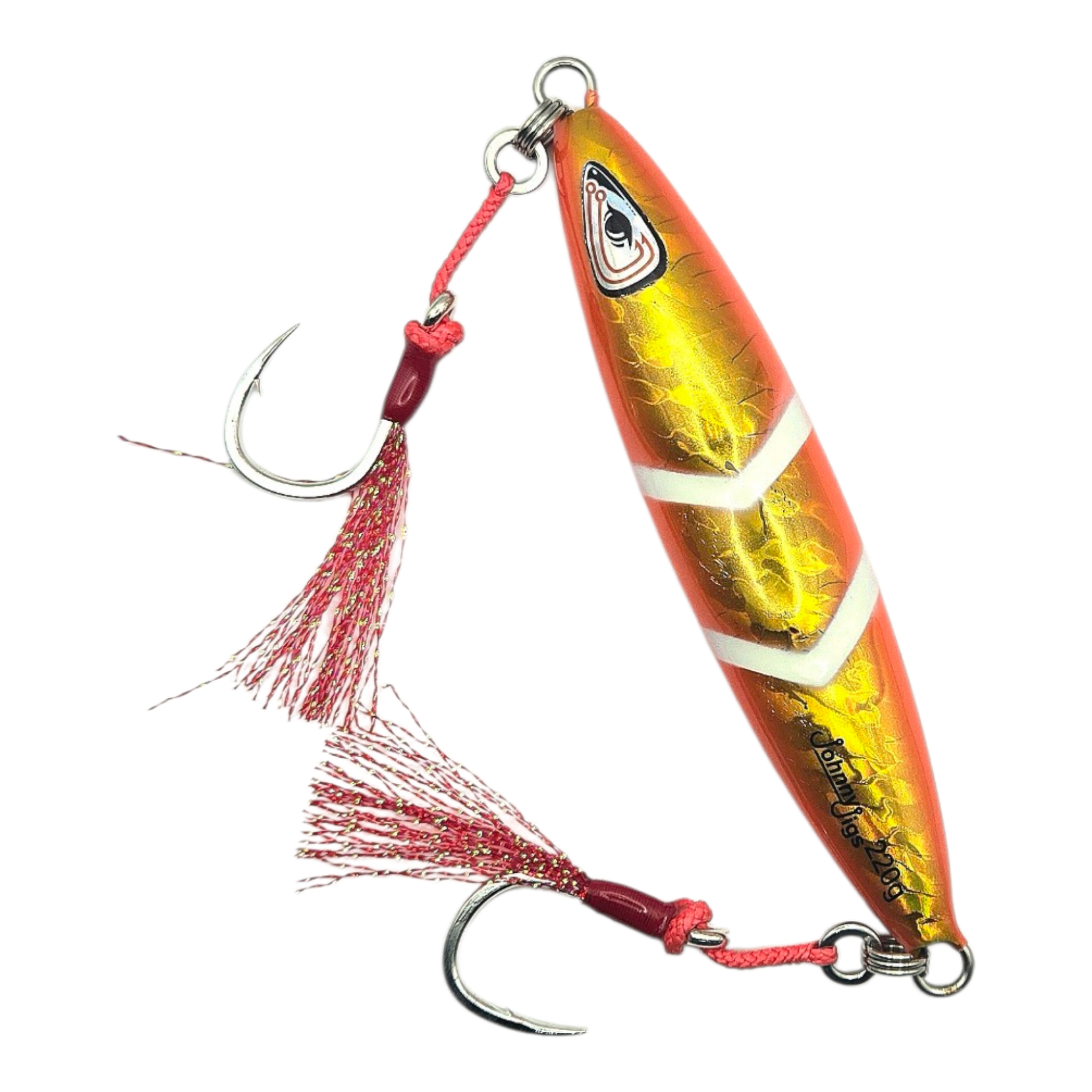
Common mistakes and how to avoid them
Avoid these frequent errors when using pitch fishing lures.
- Overcasting
- Problem: Big, wild casts scare fish and tangle gear.
- Fix: Use short, controlled underhand pitches.
- Wrong lure size or profile
- Problem: Too large or wrong action reduces strikes.
- Fix: Match local baitfish size and fish mood.
- Poor line choice
- Problem: Stretchy line kills hooksets near cover.
- Fix: Use braid for backbone and fluorocarbon for leader.
- Slow reaction to change
- Problem: Sticking to one lure when fish are ignoring it.
- Fix: Change color, weight, or action after a few casts.
- Bad hookup habits
- Problem: Lifting the rod too fast or not setting hooks.
- Fix: Sweep or reel set depending on lure and line.
Learning from mistakes speeds progress. I lost fish early on by using light line in heavy brush; switching to braid changed my success rate immediately.
My personal experiences and lessons learned
I remember a morning on a small reservoir where fish were hugging a submerged log. I switched from a 3-inch swimbait to a 1/2 oz jig with a paddle tail. The jig got bites on the second cast. That taught me to downsize when fish were picky.
Another day I wasted time with bright plastics in clear water. I switched to natural colors and a slower cadence. Bites started within 15 minutes. The lesson: match color and tempo to conditions.

Frequently Asked Questions of What lures are used in pitch fishing?
What lures are best for pitching to bass?
Jigs and creature soft plastics are top choices for bass in heavy cover. Compact swimbaits and small crankbaits also work when fish are in openings.
Can I pitch topwater lures?
Yes, but only when fish are shallow and visible. Use small poppers or walkers and place them gently near cover.
How heavy should pitch lures be?
Use enough weight to place the lure accurately and hold bottom without dragging too fast. Typical weights range from 1/8 oz for light soft plastics to 1/2 oz or more for heavy jigs in thick cover.
Are blade baits good for pitch fishing?
Yes, blade baits are excellent for pitching to deep-holding fish and for cold-water bites. Use a lift-and-fall retrieve for best results.
How do I rig a soft plastic for pitching?
Use a weedless Texas rig or a light jighead depending on cover. Match hook size to bait and ensure the bait sits straight for natural action.
Should I use braid or fluorocarbon for pitching?
Use braid for the main line to get strong hooksets and casting control, and a fluorocarbon leader for invisibility and abrasion resistance. This combo balances power and stealth.
When should I switch lures while pitching?
Change lures after 6–8 casts without a response or when conditions shift. Try a different color, profile, or action to trigger fish.
Conclusion
Pitch fishing lures are about short placement, the right action, and smart choices. Use jigs, soft plastics, compact swimbaits, blade baits, and small crankbaits as your core set. Match lure choice to cover, water, and fish mood. Work on short accurate casts, keep line tight, and change strategy when bites stop.
Try one new lure or retrieve on your next trip and note the difference. If this guide helped, leave a comment, share your favorite pitch fishing lures, or subscribe for more tips.

