

Commercial ice cream machines freeze, churn, and aerate a liquid mix into smooth, scoopable ice cream.
I have spent years working with foodservice equipment and testing ice cream machines in kitchens and shops. This guide explains how commercial ice cream machines work, step by step. You will learn key components, the science behind freezing and aeration, differences between machine types, sanitation rules, common faults, and practical tips from real experience. Read on to get clear, usable knowledge you can apply whether you buy, operate, or maintain a machine.

36% off Today’s Exclusive Deals
Limited-time Exclusive Deals. Check current discount on Amazon.
Check Price on Amazon As an Amazon Associate I earn from qualifying purchases.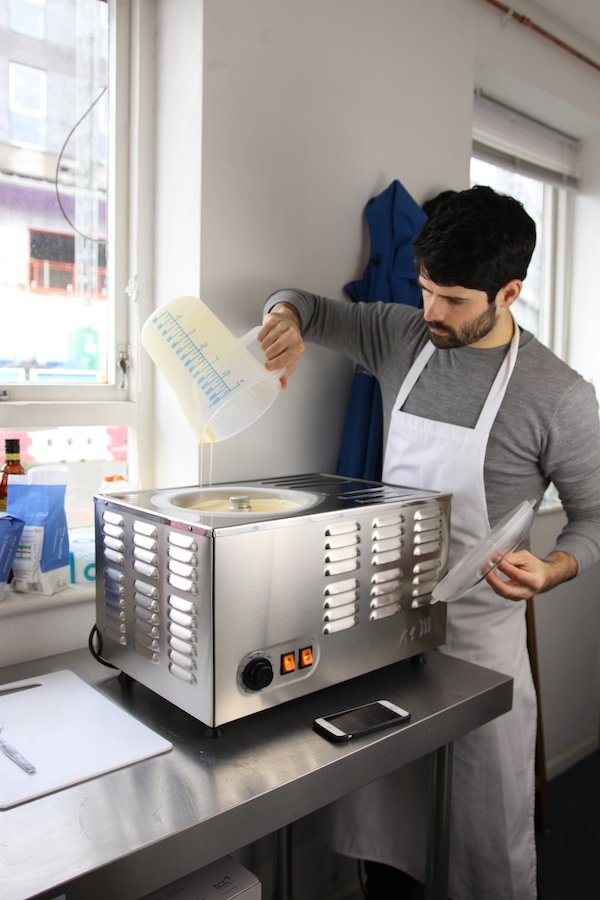
How commercial ice cream machines work — an overview
Commercial ice cream machines turn a liquid dairy or non-dairy mix into frozen dessert. They use rapid heat removal, mechanical agitation, and controlled air incorporation. The process balances temperature, time, and motion to reach the desired texture and volume.
Commercial ice cream machines work by combining refrigeration with a stirring mechanism. That keeps crystals small and distributes air evenly. The result is consistent ice cream made fast for high-volume service.
Main components and their roles
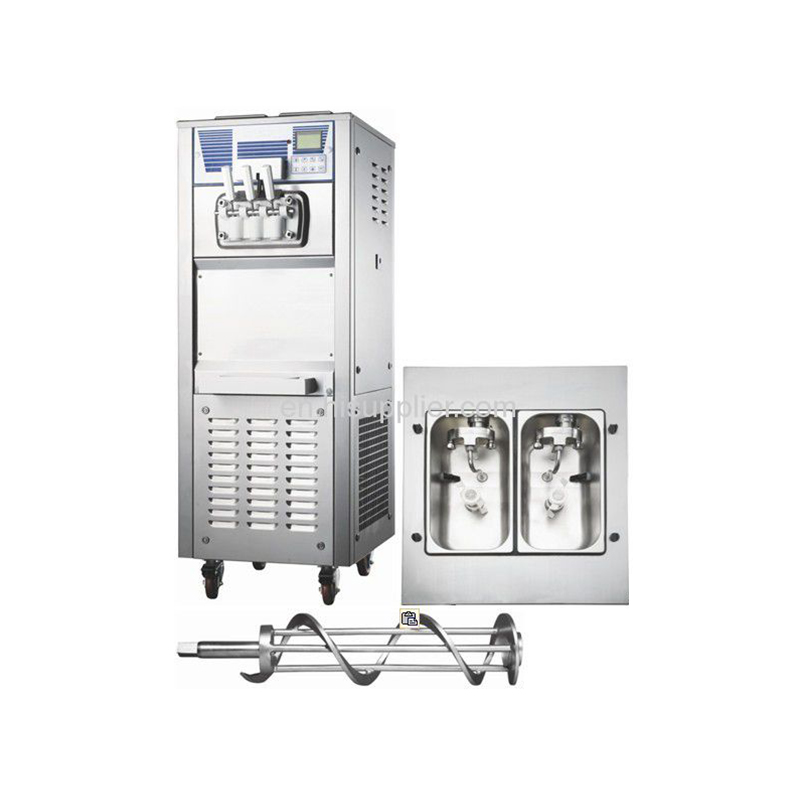
A clear view of parts helps you understand how commercial ice cream machines work. Each part has a simple job.
- Compressor
- Removes heat from the system and creates cold.
- Condenser
- Releases heat from the refrigerant to the room air.
- Evaporator or freezing cylinder
- Acts as the cold surface where mix freezes.
- Dasher or beater
- Scrapes and stirs mix to control crystal size and texture.
- Drive motor and gearbox
- Powers the dasher at set speeds.
- Hopper and feed system
- Holds mix and controls flow in continuous machines.
- Controls and sensors
- Set temperature, mix time, and safety limits.
- Refrigerant lines and expansion device
- Move refrigerant and control cooling power.
Knowing these parts clarifies why commercial ice cream machines work reliably when maintained well.
The freezing and churning process step-by-step
Understanding the sequence makes troubleshooting easier. Here is how commercial ice cream machines work in practice.
- Prepare mix.
- Mix is pasteurized and cooled off-line or supplied ready-made.
- Load or feed mix.
- Batch machines get mix in a freezing cylinder. Continuous machines feed through a pump.
- Rapid cooling starts.
- The evaporator removes heat. Mix near the wall freezes first.
- Dasher scrapes and stirs.
- The dasher breaks crystals and moves mix inward.
- Air is incorporated (overrun).
- The machine meters air to reach target volume and texture.
- Product reaches endpoint.
- Temperature and viscosity targets guide discharge.
- Hardening or serving.
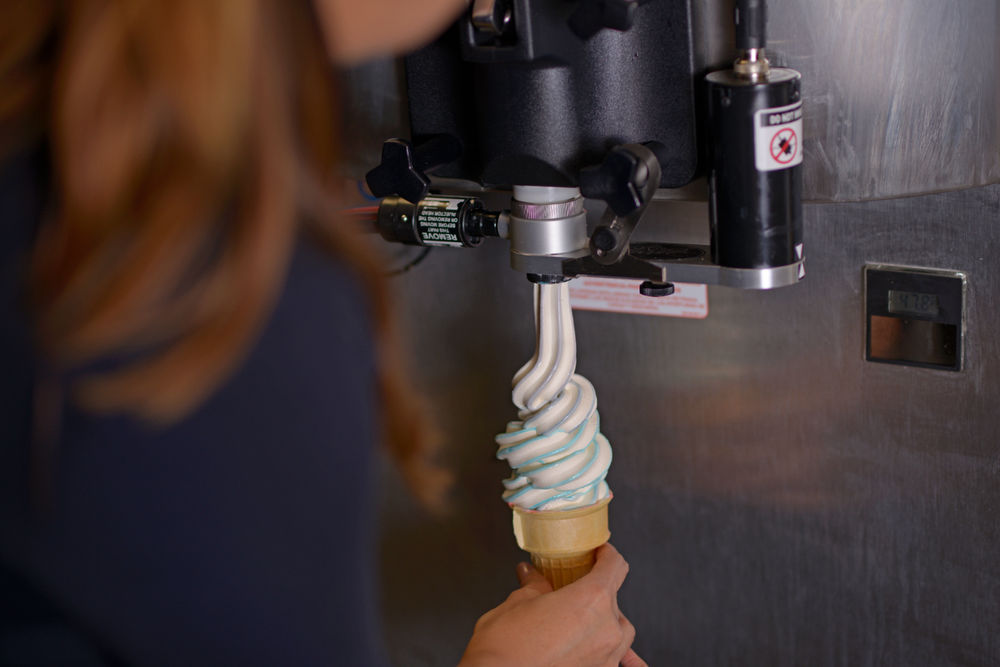
- Soft-serve goes directly to the spout. Scoopable ice cream may need blast freezing to firm up.
These steps show why precise timing and temperature matter. Commercial ice cream machines work best when each step is controlled.

Types of commercial ice cream machines
Different shops need different machines. Each type uses the same basic science but in different ways.
- Batch freezers
- Freeze a single batch in a cylinder. Good for artisanal flavors.
- Continuous freezers
- Run 24/7 and produce large volume. Ideal for factories and busy shops.
- Soft-serve machines
- Hold and dispense softer mix at warmer temperatures. Common in quick service.
- Countertop and countertop/batch hybrids
- Smaller, for low-volume use.
Choosing the right type depends on volume, menu, space, and budget. The way commercial ice cream machines work varies by type but always centers on controlled freezing and churning.
Controls, sensors, and automation
Modern commercial ice cream machines work with precise electronics. Sensors and controls ensure consistent results.
- Temperature probes
- Monitor mix and cylinder temperature to trigger cycles.
- Viscosity sensors or timers
- Decide when the product is ready to dispense.
- Air metering
- Controls overrun for consistent texture and cost control.
- Safety interlocks
- Prevent operation when doors are open or parts are missing.
- Programmable recipes
- Store times, speeds, and temperatures for repeatability.
Automation reduces operator error. It also means regular calibration is important. Commercial ice cream machines work predictably when sensors and controls are accurate.

Cleaning, sanitation, and food safety
Food safety is critical. Cleaning keeps machines running and prevents contamination.
- Daily cleaning steps
- Empty hopper, disassemble dasher and seals, wash all food-contact parts.
- Clean-in-place (CIP)
- Many continuous machines support CIP for thorough cleaning without full disassembly.
- Sanitizing
- Use approved food-safe sanitizers after cleaning.
- Frequency
- Clean at least daily for dairy mix. More often for flavored or chunky mixes.
- Inspection
- Check seals, gaskets, and scraper blades for wear and food traps.
Strict cleaning ensures machines work safely. Commercial ice cream machines work best when hygiene is routine.
:max_bytes(150000):strip_icc()/faw-primary-ice-cream-makers-2-rkilgore-0049-1-bb44eb499dff439cb79ed9a71d161d06.jpeg)
Maintenance, common problems, and troubleshooting
Regular maintenance avoids downtime. Here are common faults and fixes from experience.
- Problem: Machine not freezing enough
- Check refrigerant charge, condenser airflow, and compressor operation.
- Problem: Overfreezing or hard product
- Inspect thermostat, sensor placement, and overrun settings.
- Problem: Poor texture or large crystals
- Verify dasher speed, scraping action, and cooling rate.
- Problem: Excessive air or low overrun
- Inspect air intake valves and seals for leaks.
- Problem: Strange noises or vibration
- Check bearings, gearbox oil, and motor mounts.
I learned the hard way to schedule compressor checks and to keep condenser fins clean. This simple routine prevents most downtime. Commercial ice cream machines work reliably when maintenance is proactive.

Energy use, cost, and efficiency tips
Ice cream equipment can be energy-intensive. These tips cut costs while keeping quality high.
- Keep condensers clean
- A dirty condenser raises energy use and reduces cooling.
- Use proper room ventilation
- Hot air must escape to maintain efficiency.
- Insulate mix lines and hopper
- Reduces heat gain and short cycles.
- Optimize run times
- Avoid idle running. Use timers and sleep modes when idle.
- Schedule preventive maintenance
- Regular servicing prevents inefficiency and costly breakdowns.
Small steps add up. When commercial ice cream machines work efficiently, product cost and carbon footprint drop.
:max_bytes(150000):strip_icc()/sea-ice-cream-makers-primary-nsimpson-1019-789c79397e984ee38b866d946836ad31.jpeg)
Real-world examples and personal experience
I ran a small gelato counter for three years. I tested a batch freezer and a soft-serve machine side by side. Here are things I learned.
- Match machine to peak demand
- Buying a small batch freezer for a busy shift leads to long waits.
- Overrun matters
- Cheap soft-serve with too much overrun felt airy and cheap.
- Watch ingredient temperature
- Cold mix freezes faster and yields finer crystals.
- Keep spare seals and a service plan
- A failed gasket once stopped service for a day. I now keep spares on-site.
If you want consistent results, set and log recipes. Commercial ice cream machines work best when operators treat them like kitchen gear, not black boxes.
Common quick questions (PAA-style)
What temperature do commercial ice cream machines freeze to?
Commercial machines commonly reach cylinder temperatures between -6°C and -12°C (20°F to 10°F) for soft serve and lower for scoopable mix. Final hardening may require blast freezing.
How much air should be added to ice cream?
Typical overrun ranges from 20% for dense premium product to 60% for lighter soft serve. The right overrun depends on product style and cost targets.
How long does a batch take to freeze?
A typical 5–10 liter batch takes 10–20 minutes depending on mix formulation and machine capacity. Faster machines use more cooling power.
Frequently Asked Questions
How do commercial ice cream machines work with different mixes?
Commercial ice cream machines work by cooling and churning mixes until the right viscosity and temperature are reached. Different fat, sugar, and stabilizer levels change freeze time and overrun settings.
Can I use a home mix in a commercial machine?
Yes, you can use home mix recipes if they are pasteurized and compatible with machine settings. Adjust the recipe or machine cycle to account for different fat and sugar content.
How often should I perform preventative maintenance?
Basic maintenance like inspecting seals and cleaning condensers should be done weekly. Professional compressor and refrigerant checks are recommended yearly.
What causes grainy ice cream from a commercial machine?
Graininess comes from large ice crystals, usually caused by slow freezing, temperature fluctuation, or poor agitation. Fix by ensuring fast cooling and proper dasher action.
Are commercial ice cream machines food safe for allergen control?
They can be, but you must follow strict cleaning and segregation procedures to prevent cross-contact. Use dedicated machines or thorough CIP and validation when switching allergens.
Do commercial ice cream machines use a lot of power?
They can consume significant power because compressors run hard during freezing cycles. Energy use depends on machine size, duty cycle, and maintenance.
How long can mix sit in a hopper?
Pasteurized mix can sit in a refrigerated hopper for a short time if temperature is kept within safe limits, typically 24 hours or per supplier guidance. Always follow local food safety rules.
Conclusion
Commercial ice cream machines work by combining efficient refrigeration with precise agitation and air control. The science is simple but the details matter. Choose the right machine type. Keep sensors calibrated. Clean and maintain on a schedule. Test recipes and monitor overrun.
Take action: review your current equipment, log your recipes, and set a basic maintenance schedule this week. If you run a shop, consider trialing a machine type before committing. Share your experience in the comments or subscribe for more practical tips on foodservice equipment.

