

Compressor machines chill and freeze on demand; non-compressor machines need pre-frozen bowls.
I have worked with both compressor and non-compressor ice cream machines in small shops and home kitchens, so I know how they feel in real use. This article explains the difference between a compressor and non-compressor ice cream machine in clear, practical terms. You will learn how each type works, their pros and cons, real-world use cases, costs, maintenance needs, and which one fits your needs best. I combine hands-on tips, product trade-offs, and simple buying advice to help you choose with confidence.

36% off Today’s Exclusive Deals
Limited-time Exclusive Deals. Check current discount on Amazon.
Check Price on Amazon As an Amazon Associate I earn from qualifying purchases.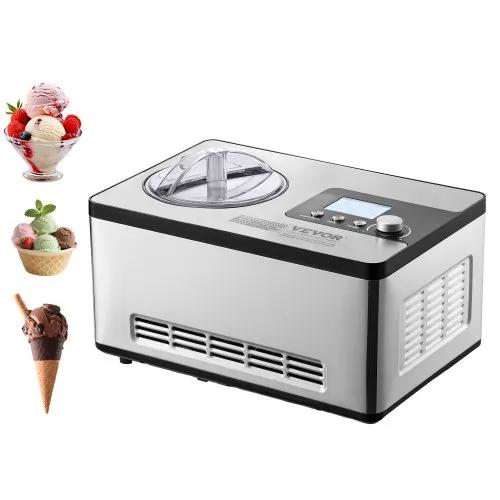
How compressor and non-compressor ice cream machines work
Compressor ice cream machines
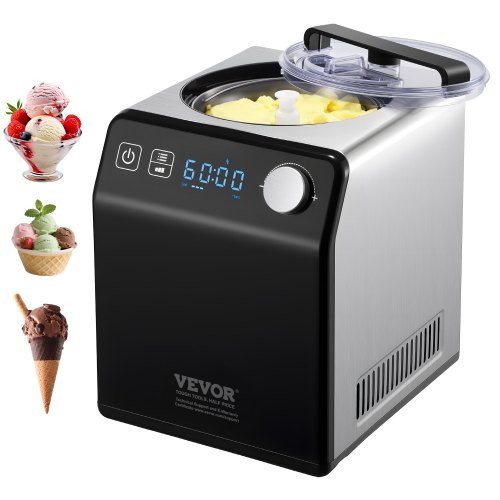
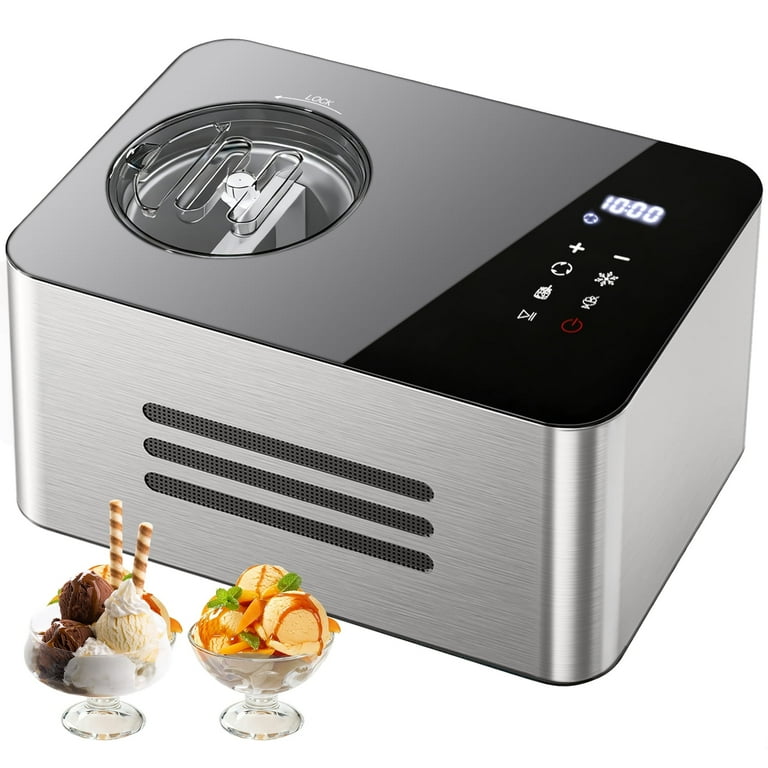
- These machines have a built-in refrigeration unit that cools the mix while the machine runs. The compressor actively chills and keeps the mix at precise temperatures. This allows continuous batches and short freeze times.
Non-compressor ice cream machines
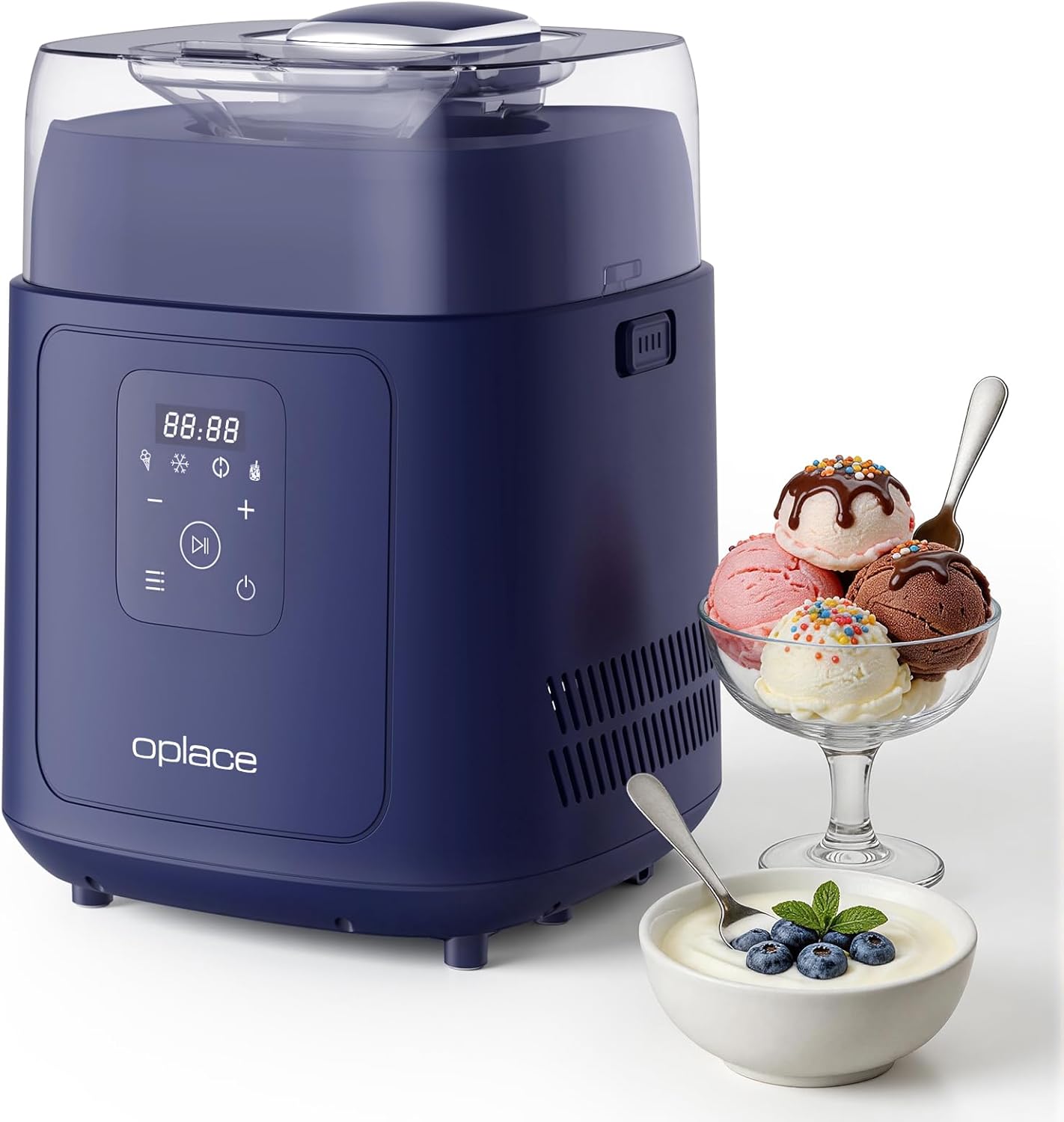
- These units rely on a removable frozen bowl or an external freezer. You must pre-freeze the bowl (often 12–24 hours) before making ice cream. The machine churns the mix but does not cool it itself.
The core difference between a compressor and non-compressor ice cream machine is active cooling versus passive cooling. Compressor models give you on-demand freezing. Non-compressor models are cheaper but need planning and frozen parts.

Key differences at a glance
Performance and speed
- Compressor machines freeze faster and make denser, creamier textures. They can run back-to-back batches.
- Non-compressor machines take longer overall because you must thaw and refreeze bowls. They often produce lighter, airier ice cream.
Consistency and texture
- Compressor models hold stable temperatures and make consistent results across batches.
- Non-compressor results vary with bowl temperature, room heat, and how long the bowl stayed frozen.
Cost and upfront investment
- Compressor machines cost more up front. They use more electricity but save time.
- Non-compressor machines cost less initially and use less power during churning, but you may spend on spare bowls.
Space and portability
- Compressor machines are heavier and need more space.
- Non-compressor machines are lighter and easy to store or move.
Maintenance and durability
- Compressor units require periodic compressor care and may need professional service.
- Non-compressor units have simpler mechanics; the main wear is on paddles and bowl seals.
Noise and vibration
- Compressor machines tend to be louder because of the refrigeration cycle.
- Non-compressor machines are quieter since they only drive the churn motor.
This breakdown shows practical trade-offs when you compare a compressor and non-compressor ice cream machine.
:max_bytes(150000):strip_icc()/seriously-good-resized-sea-detail-cuisinart-ice-cream-maker-100-compressor-gelato-emiller-2914-4658912066b14522a304c9bc727af410.jpg)
Benefits and limitations of compressor machines
Benefits
- On-demand production: Make ice cream any time without pre-planning.
- Commercial use ready: Good for cafes, restaurants, or heavy home use.
- Better texture control: Stable temps yield creamier, denser ice cream.
- Multiple varieties: Can often do sorbet and gelato with proper settings.
Limitations
- Higher cost: Both purchase price and repair costs are higher.
- Higher energy use: The compressor draws power during freezing cycles.
- Complexity: More parts can mean more things to service.
- Weight: Not ideal if you need a compact, portable machine.
From my experience running a small gelato pop-up, the compressor unit saved prep time and reduced waste. It paid off when demand was high, though repairs once required a service call that cost more than a spare freezer bowl would have.
Benefits and limitations of non-compressor (pre-freeze) machines
Benefits
- Low cost: Great for beginners and casual users on a tight budget.
- Quiet and light: Easy to store and move around.
- Simplicity: Fewer mechanical parts, so lower repair needs.
- Energy efficient while churning: The bowl stores cold; the motor uses little power.
Limitations
- Planning required: You must pre-freeze bowls for 12–24 hours. This limits spontaneity.
- Limited batches: One bowl means one batch unless you have spares.
- Variable results: Room temperature and bowl condition affect texture.
- Bowl wear: Repeated freeze-thaw cycles can degrade the bowl’s performance.
In home trials, I found non-compressor machines are perfect for weekend dessert-making and for learning recipes. They are not suitable for making ice cream to order at an event unless you bring multiple frozen bowls.
Which one should you choose: use cases and buying guide
Choose a compressor ice cream machine if:
- You run a business or expect frequent batches.
- You want consistent, professional textures and the flexibility to make sorbet, gelato, or frozen yogurt.
- You can afford a higher initial cost and have space for a heavier unit.
Choose a non-compressor ice cream machine if:
- You make ice cream occasionally for family or small gatherings.
- Budget and storage are your top priorities.
- You can plan ahead and possibly buy extra bowls.
Buying tips
- Capacity: Match the machine’s batch size to your typical need.
- Build quality: Look for sturdy paddles and a solid housing.
- Warranty and service: Compressor machines benefit from good service plans.
- Spare parts: For non-compressor models, extra bowls are a cheap way to multiply output.
From my career, many hobbyists start with a non-compressor machine and upgrade to a compressor once demand grows. That path balances budget and learning.
Tips for using and maintaining both types
Using compressor machines
- Pre-chill mix: Cold mix freezes faster and helps texture.
- Clean after each use: Prevent bacteria and build-up in chill coils and paddles.
- Monitor seals and gaskets: Replace worn parts early to keep performance.
Using non-compressor machines
- Freeze bowls well in advance: 12–24 hours in the coldest part of your freezer.
- Rotate spare bowls: Keep 2–3 frozen bowls to serve multiple batches smoothly.
- Dry bowls before freezing: Prevent ice crystals that harm texture.
Maintenance tips for both
- Read the manual: Follow maker recommendations for cleaning and oiling.
- Use high-quality mix: Fat content and sugar affect freezing point and texture.
- Test recipes: Small tweaks in sugar and fat give big texture changes.
Practical mistakes to avoid
- Don’t run a non-compressor bowl that isn’t fully frozen; it will fail to freeze the mix.
- Don’t overload a compressor machine beyond its batch size; it strains the compressor.
- Don’t skip cleaning; leftover fat and sugar can sour and damage components.

Frequently Asked Questions of What is the difference between a compressor and non-compressor ice cream machine
What is the main operational difference between the two machines?
The main difference is that a compressor machine has an active cooling system that freezes on demand, while a non-compressor machine relies on a pre-frozen bowl or external freezer for cold. This makes compressor machines ready for continuous batches and non-compressor units more limited.
Which machine makes creamier ice cream?
Compressor machines tend to make creamier and denser ice cream because they maintain stable, low temperatures during churning. Non-compressor machines can be good but often yield a lighter texture.
Are compressor machines worth the extra cost for home use?
If you make ice cream often, host events, or want professional results, a compressor machine is worth the cost. For occasional home use, a non-compressor model is usually more cost-effective.
How many batches can a non-compressor machine make in a day?
A non-compressor machine can make as many batches as you have fully frozen bowls prepared. With one bowl, you typically make one batch every 12–24 hours; spares increase throughput.
Do compressor machines use a lot more electricity?
Compressor machines use more electricity while cooling, but modern units are fairly efficient. Overall energy cost depends on usage frequency and machine size.
Conclusion
Choosing between a compressor and non-compressor ice cream machine comes down to how often you make frozen desserts, how much control you want over texture, and your budget. Compressor machines offer on-demand freezing and consistent results, while non-compressor machines are affordable and simple but need planning. Think about batch size, space, and maintenance before you buy.
Try a small experiment: make the same recipe in both types if you can, and compare texture, time, and ease. That test will make the difference clear. If you found this guide helpful, leave a comment with your needs or subscribe for more hands-on tips and recipes.

