

Size 5 for 12+, size 4 for 8–12, size 3 for under-8 players.
I’ve coached youth teams and tested dozens of balls over years, so I know how the right ball affects skill, safety, and fun. This article answers the central question — What size soccer ball should I use? — with clear rules, practical tips, and real-world advice so you pick the best ball for age, level, and purpose.

36% off Today’s Exclusive Deals
Limited-time Exclusive Deals. Check current discount on Amazon.
Check Price on Amazon As an Amazon Associate I earn from qualifying purchases.
Understanding soccer ball sizes and standards
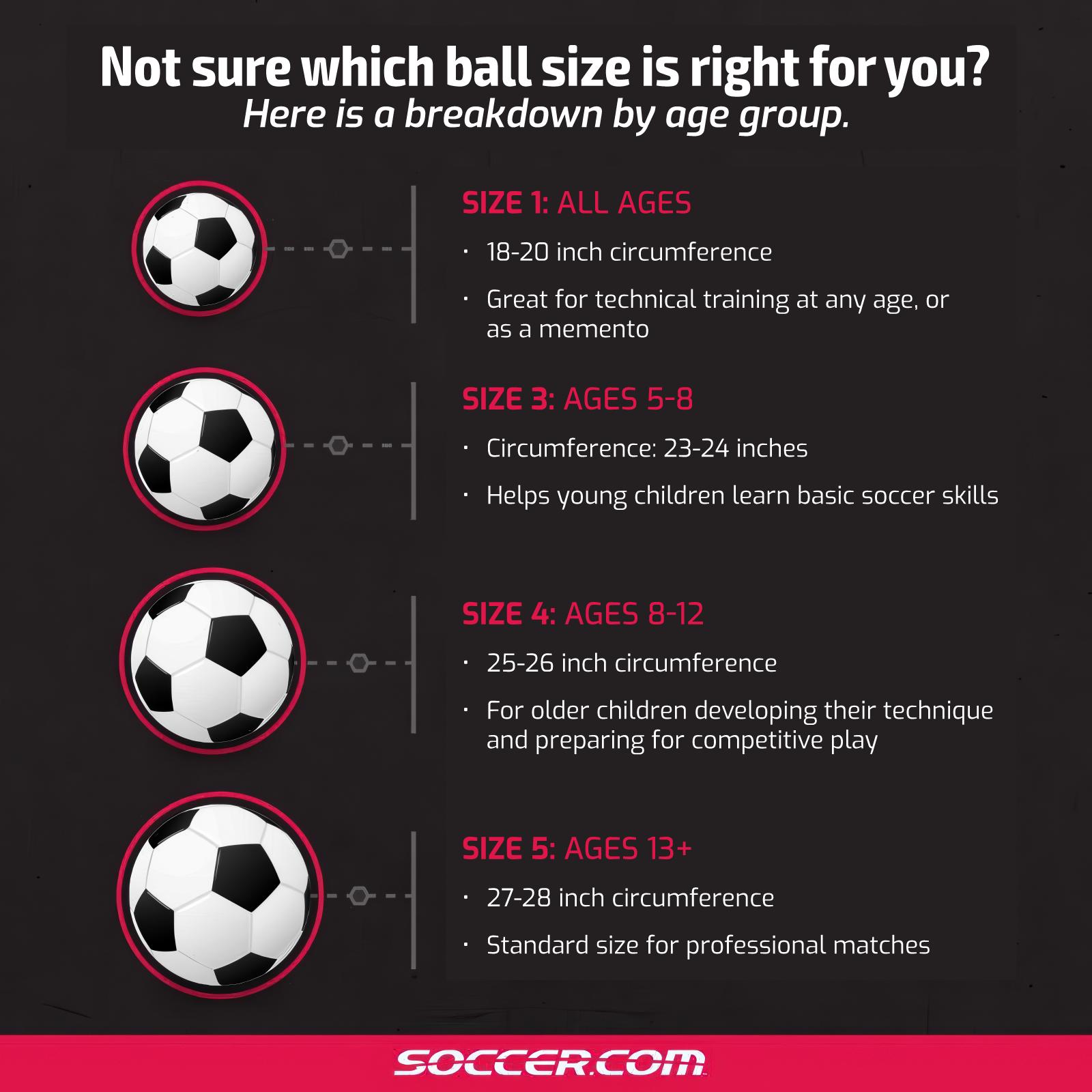
Soccer balls come in standard sizes labeled 1 through 5. Each size has a target age group, circumference, and weight. Knowing these rules makes it easy to answer "What size soccer ball should I use?" quickly and correctly.
Size 5
- Best for age 12 and older.
- Circumference about 27–28 inches.
- Weight about 14–16 ounces.
- Used in most adult matches and competitive youth play.
Size 4
- Best for ages 8–12.
- Circumference about 25–26 inches.
- Slightly lighter and easier to control for growing players.
Size 3
- Best for under-8 players and beginners.
- Circumference about 23–24 inches.
- Good for learning basic footwork and coordination.
Size 1 and 2
- Size 1 is a mini ball used for skill practice and fun.
- Size 2 is a small training ball for close control or promotional use.
Why standards matter
- Proper size reduces injury risk.
- Correct weight improves ball control and technique.
- Official competitions require specific sizes.
Answering "What size soccer ball should I use?" mainly depends on age and skill. Follow the age ranges, and adjust for skill or special needs.
How to choose the right soccer ball for your age and level
Start with age, then refine by skill and playing surface. Ask three quick questions: Who will use it? Where will it be used? What skill level is the player?
Age-based guide
- Under 8: Size 3 helps small feet learn dribbling and passing.
- Ages 8–12: Size 4 supports stronger kicks and better ball feel.
- Ages 12 and up: Size 5 is the standard for full game play.
Skill and level adjustments
- Beginners: Lighter balls with softer covers help control.
- Competitive players: Match-grade balls are more consistent and durable.
- Futsal and indoor: Use futsal and indoor balls designed for low bounce.
Surface considerations
- Grass: Regular match or training balls work best.
- Artificial turf: A durable outer layer and reinforced bladder last longer.
- Indoor courts: Low-bounce indoor or futsal balls improve control.
Size vs confidence
- Too large or heavy a ball can slow learning.
- The right size builds confidence and accelerates skill.
Using these simple steps answers "What size soccer ball should I use?" by matching needs to ball features.

Match balls, training balls, and recreational balls — differences that matter
Not all size 5 balls are equal. Purpose affects design, price, and lifespan. Pick the ball type after you decide size.
Match balls
- Made for play under official rules.
- Higher quality panels and stitching or thermo-bonding.
- More consistent flight and bounce.
Training balls
- Built to last repeated practice.
- Slightly cheaper and more durable.
- Good choice for clubs and schools.
Recreational balls
- Budget-friendly and varied in quality.
- Ideal for casual use and backyard play.
- Often heavier or less consistent in flight.
Futsal and indoor balls
- Lower bounce and smaller size than outdoor balls.
- Designed for tight spaces and fast touches.
Knowing the purpose answers part of "What size soccer ball should I use?" so you choose both size and type for best results.
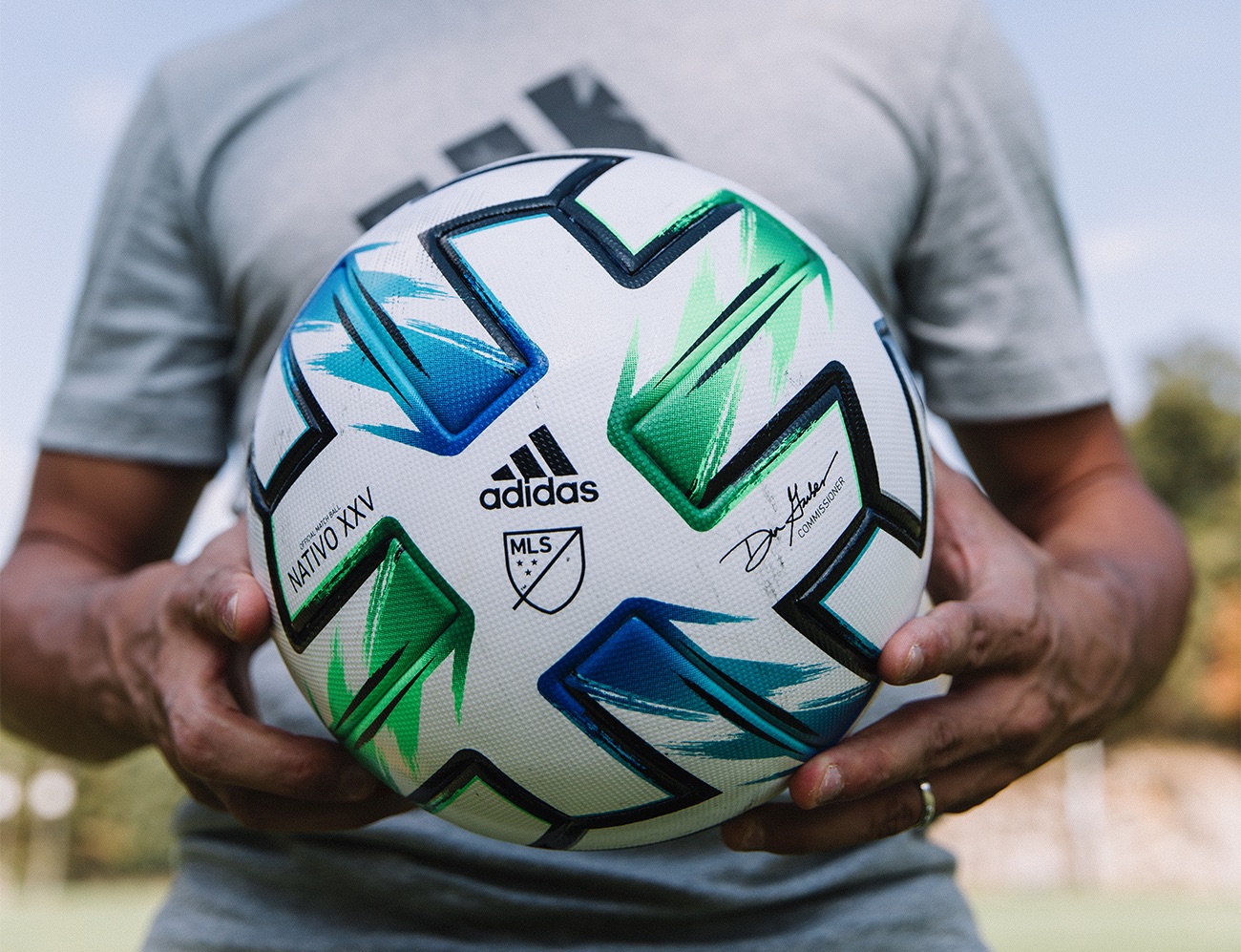
Materials, weight, pressure, and feel — the craft behind the ball
The way a ball is built changes how it plays. Here are the key parts and what they mean for players.
Outer cover
- PU (polyurethane) gives a soft, premium touch for match balls.
- PVC is cheaper and more durable for training balls.
Panels and construction
- Stitched seams last longer but can pick up water.
- Thermo-bonded panels have consistent flight and a smooth surface.
Bladder and inflation
- Butyl bladders hold air well.
- Latex bladders feel softer but need more frequent pumping.
Weight and pressure
- Proper weight helps predictable kicking and heading.
- Inflate to the recommended psi printed on the ball for best performance.
How this affects choice
- If you ask "What size soccer ball should I use?" also check material and pressure. The right combo boosts control and reduces fatigue.

Practical buying and usage tips — avoid common mistakes
Pick a ball that suits age, skill, surface, and budget. Here are action steps and tips I learned coaching youth teams.
Checklist before buying
- Confirm age and skill level of the player.
- Check size printed on the ball or product page.
- Note recommended inflation pressure.
- Choose match or training grade based on use.
Budget tips
- For beginners, buy a durable training ball.
- For competitive players, invest in a match-grade size 5 or 4.
- Buy one size up only if growth is imminent and needed.
Care and maintenance
- Store balls indoors and keep them dry.
- Use a pump with a pressure gauge.
- Avoid overinflation; it damages seams and bladder.
Common mistakes to avoid
- Buying adult size 5 for young children — leads to poor technique.
- Playing on rough surfaces with a match ball — reduces lifespan.
- Ignoring pressure — changes how the ball moves.
Personal experience
- As a youth coach, I once used a heavy size 5 with 9-year-olds. Skills stalled and complaints rose. Switching to size 4 improved technique and joy in weeks. That taught me to match ball size to age, not to the player’s ego.
These steps make "What size soccer ball should I use?" easy to act on.

Frequently Asked Questions of What size soccer ball should I use?
What size soccer ball should I use for a 10-year-old?
For a 10-year-old, use size 4. It balances control and power and helps develop proper technique.
Can a 12-year-old use a size 4 ball?
A 12-year-old can use size 4 if they prefer it, but size 5 is the standard for ages 12 and up. Transition to size 5 for competitive play.
Is size 3 good for learning to dribble?
Yes. Size 3 is smaller and lighter, which helps young kids learn close control and dribbling safely.
How often should I check ball pressure?
Check pressure before each use or at least weekly if stored inflated. Use a gauge to keep it at the recommended psi.
Do futsal balls count as a different size?
Futsal balls are smaller and heavier with less bounce but are labeled by futsal standards rather than standard sizes. Use them for indoor play only.
Can adults use size 4 for practice?
Adults can use size 4 for skills practice to focus on touch. For matches, size 5 is required.
How much does ball size affect injury risk?
Using the correct ball size and weight reduces the risk of muscle strain or improper heading technique. Always match size to age for safety.
Conclusion
Choosing the right ball comes down to age, skill, surface, and purpose. Use size 3 for under-8s, size 4 for ages 8–12, and size 5 for 12 and up. Match the ball type to training or match needs, check pressure, and care for the ball to get the best performance and longevity. Try a ball for a few sessions and adjust if it feels too heavy or large. Pick the right size today, and you’ll help players learn faster and enjoy the game more. Share your experience, subscribe for more guides, or leave a comment about what worked for your team.

