

Basic essentials: ball, net, proper shoes, knee pads, court, and safety gear.
As a coach and longtime player, I’ll walk you through what equipment is needed for volleyball? I know what matters on the court, what you can skip, and how to get the best value. Read on for clear gear lists, buying tips, safety checks, and lessons from years of practice so you can pick the right items and play with confidence.

36% off Today’s Exclusive Deals
Limited-time Exclusive Deals. Check current discount on Amazon.
Check Price on Amazon As an Amazon Associate I earn from qualifying purchases.
Essential player gear
When players ask "What equipment is needed for volleyball?", start with what you wear and carry. Good gear keeps you safe and helps your performance.
- Ball — The right ball for indoor or beach play matters. Use an approved indoor ball for gyms and a softer, sand-specific ball for beach.
- Shoes — Volleyball shoes offer grip, ankle support, and cushion. They beat running shoes for lateral movement.
- Knee pads — Protection for digs and dives. Pick pads with proper fit and foam density.
- Uniform — A breathable jersey and shorts allow movement and keep you cool.
- Ankle supports and tape — Many players use low-cost ankle braces or kinesiology tape to prevent sprains.
- Finger tape — Useful for setters and hitters to protect and support fingers.
Personal tip: I once ignored knee pads and learned the hard way after a heavy slide left a scar. Buy mid-range pads and replace them when foam compresses.

What shoes are best for volleyball?
Choose shoes designed for volleyball that have gum rubber soles, good lateral support, and light cushioning. Avoid running shoes that lack side support.
Do I need knee pads?
Yes for most players. Knee pads reduce impact during dives and long practices, and they are essential for liberos and defensive specialists.
Net, court, and setup equipment
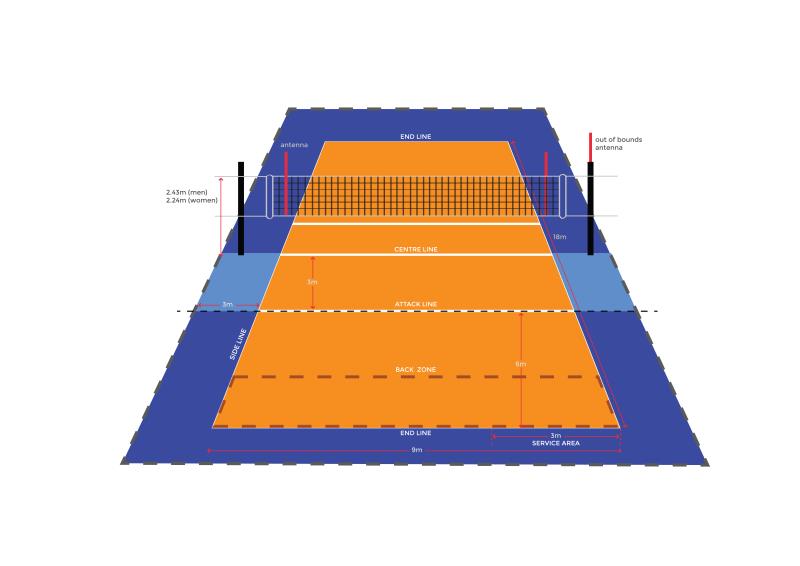
Answering "What equipment is needed for volleyball?" also means the playing area and net system. A safe, stable net setup makes the game possible.
- Net and antennae — A regulation net with antenna attachments for boundaries.
- Poles and sleeves — Sturdy poles with padding and a system to attach the net at the correct tension.
- Court lines or tape — Clear boundary lines for indoor or outdoor courts.
- Net tension tools and measuring tape — For correct net height and even tension.
- Pump and pressure gauge — For maintaining proper ball inflation.
Regulation net heights: 7 feet 11 5/8 inches for men, 7 feet 4 1/8 inches for women. Check rules for youth divisions. I’ve had nets sag mid-game; a spare tension strap saved a match.

Balls — types, sizing, and care
When people ask "What equipment is needed for volleyball?", they often mean the ball. The ball affects touch, flight, and feel.
- Indoor balls — Leather or synthetic leather, stitched panels, firmer feel. Typically size 5.
- Beach balls — Softer shell, slightly larger feel, better wind control.
- Youth sizes — Some leagues use smaller, lighter balls for younger players.
- Inflation — Keep within recommended PSI. Use a pressure gauge for accuracy.
- Care and storage — Wipe dry after outdoor use and store at moderate temperature to prevent warping.
Practical tip: I keep two balls per practice. One for drills and one spares. Inflate them before warmups to avoid delays.
How hard should a volleyball be inflated?
Inflate to the manufacturer’s recommended PSI, usually printed on the ball. Use a gauge; underinflated balls feel dead and overinflated balls can cause hand pain.
Protective and training gear
Understanding "What equipment is needed for volleyball?" goes beyond basics to include tools that boost practice quality and safety.
- Arm sleeves and elbow pads — Helpful for repeated hitting and blocking.
- Mouthguards — Optional, but protect teeth during collisions.
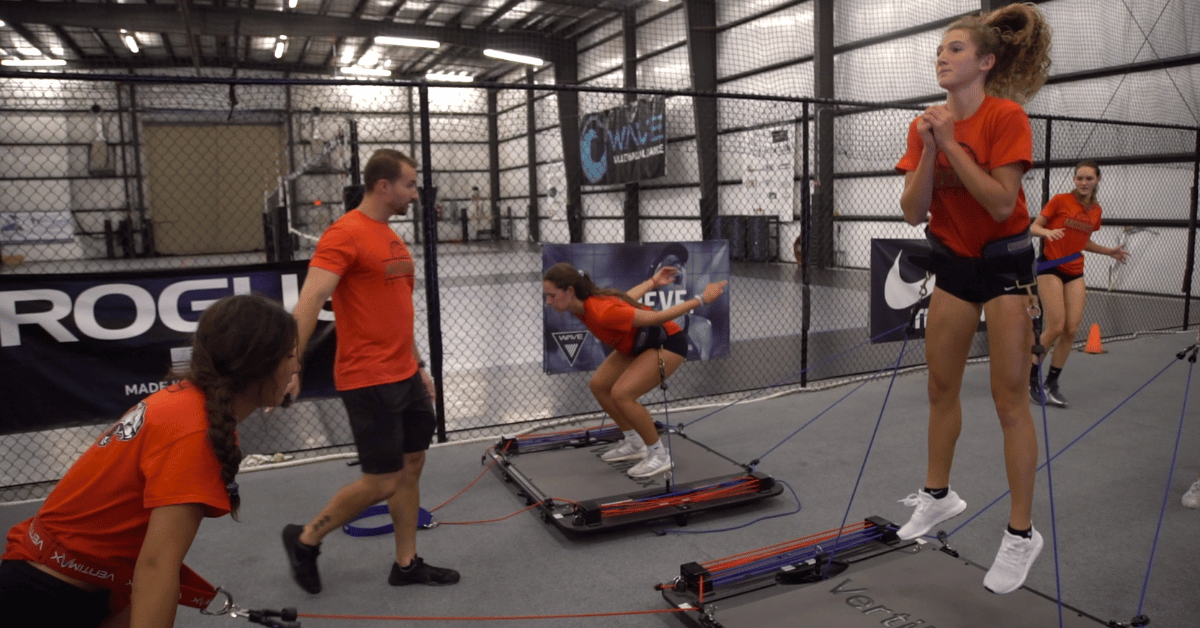
- Training aids — Passing targets, rebound nets, resistance bands, and spike trainers.
- Agility cones and ladders — For footwork and conditioning.
- Portable scoreboards and whistles — For organized drills and scrimmages.
From my coaching experience, small training aids deliver big gains. A rebound net improved our passing accuracy within weeks.
Can I train without special equipment?
Yes. You can practice passing, setting, and footwork with a partner, simple wall drills, and a single ball. Training aids speed progress but aren’t required.
How to choose equipment on a budget
If you wonder "What equipment is needed for volleyball?" but you have limited funds, prioritize essentials and buy smart.
- Prioritize shoes and ball first — They directly affect play and safety.
- Buy used or off-season — Used net systems and used pads often work fine.
- Look for bundle deals — Teams sometimes sell starter kits at discounts.
- Maintain gear — Clean balls and rotate shoes to extend life.
- Upgrade gradually — Start with basics, then add protective and training gear.
Mistake to avoid: skimping on shoes. I once used cheap shoes and got shin pain for a week. Investing in proper volleyball shoes saved months of discomfort.

Maintenance, safety, and regulation checks
To fully answer "What equipment is needed for volleyball?", include maintenance and rule checks that keep play safe and legal.
- Regularly inspect nets and poles for tears and rust.
- Check ball pressure before play.
- Replace pads and protective gear when padding compresses or tears.
- Follow net height and ball standard rules for competition.
- Keep first-aid kit and emergency contacts available at all practices.
I keep a small maintenance log for club gear. It helps track replacements and prevents surprises on game day.

Frequently Asked Questions of What equipment is needed for volleyball?
What is the most important piece of volleyball equipment?
Volleyball shoes and a proper ball are the top essentials for safe, effective play. Shoes protect your feet and improve movement, while the ball is central to skill practice.
Do I need a special court to practice volleyball?
You can practice many skills in a gym, driveway, or beach. A regulation court is needed for official matches, but practice can be flexible.
Can kids use adult volleyball gear?
You should match gear to size and age. Kids often use lighter balls and lower net heights for safety and skill development.
How often should I replace a volleyball?
Replace a ball when panels split, seams open, or it loses shape despite inflation. With regular use, competition balls often last one season.
Is knee protection necessary for beginners?
Knee pads are highly recommended for beginners who will be learning dives and floor contact. They reduce injury risk and build confidence.
Conclusion
Choosing the right items depends on goals, setting, and budget. Focus first on what keeps you safe and improves play: a proper ball, volleyball shoes, a stable net, and basic protective gear. Add training aids and upgrades as skills grow. My experience shows small investments in shoes and maintenance pay off fast.
Take action: check your gear list today, replace one worn item, and plan one equipment upgrade this season. Share your gear wins or questions in the comments below — I’ll help you pick the best next step.

