

Teams play season schedules; standings, promotion/relegation, and playoffs decide champions.
I’ve spent years covering soccer from local youth leagues to professional clubs, and I’ll walk you through exactly how soccer leagues work. This guide explains league structures, formats, promotion and relegation, points and tiebreakers, playoffs, cups, finances, and governance in clear, practical terms. Whether you’re a new fan, a parent of a youth player, or someone who wants to understand why a club moves up or down, you’ll get a full picture and real-world tips from someone who has seen leagues run on tight budgets and large stadiums alike.

36% off Today’s Exclusive Deals
Limited-time Exclusive Deals. Check current discount on Amazon.
Check Price on Amazon As an Amazon Associate I earn from qualifying purchases.
How soccer leagues are structured
Soccer leagues are organized competitions where clubs play each other over a season. How do soccer leagues work? At the core is a schedule of matches, a system to rank teams, and rules to determine promotion, relegation, and champions.
Common structural elements:
- Teams: Clubs that enter the league and meet licensing requirements.
- Season: A set period when matches are played, often spanning months.
- Table: A ranked list of teams based on points earned in matches.
- Rules: Regulations on player eligibility, transfers, and finances.
Most countries use a pyramid of leagues. Lower divisions feed into higher ones through promotion and relegation, creating movement up and down each season. In some places, there are closed systems where clubs do not move between divisions. Understanding this basic architecture helps answer many questions about how do soccer leagues work? and why results matter beyond a single match.

League formats and scheduling
There are several common league formats. How do soccer leagues work? The format determines how many times teams meet and how a champion is decided.
Common formats:
- Single round-robin: Each team plays every other team once.
- Double round-robin: Teams play home and away, common in Europe.
- Conferences or groups: Used when geography or size matters, such as in the U.S.
- Split season: League divides into championship and relegation groups after a first phase.
Scheduling basics:
- Fixture list: Matches are arranged to balance travel and rest.
- Matchdays: Typically held weekly or bi-weekly.
- Cup windows: Domestic cups or international breaks interrupt league play.
I once helped coordinate fixtures for a regional league and learned how travel and local derbies shape scheduling. Small clubs often request matches on certain days to reduce costs and maximize attendance, which affects the overall calendar.

How do playoffs and finals fit in?
Playoffs are common in leagues that want a climactic finish. Playoffs may follow a regular season to decide a champion or promotion spots. Major League Soccer uses playoffs, while many European leagues crown the team with the most points.
Promotion and relegation explained
Promotion and relegation create movement between tiers. How do soccer leagues work? Typically the top teams in a lower division move up, and the bottom teams in a higher division move down.
Key points:
- Automatic promotion: Top clubs advance directly to the next tier.
- Playoff promotion: Teams just below automatic spots compete for promotion.
- Automatic relegation: Bottom clubs drop to the lower tier.
- Licensing: Promoted clubs must meet stadium, financial, and administrative standards.
Promotion keeps leagues competitive and gives smaller clubs incentive to invest. Relegation can cause financial stress, so clubs often plan budgets for either outcome. From real experience, relegation is a major turning point—clubs sometimes restructure, sell players, or change coaching strategies quickly.
Points systems and tiebreakers
Most leagues use a simple points system to rank teams. How do soccer leagues work? Points reward results across the season.
Standard points:
- Win = 3 points
- Draw = 1 point
- Loss = 0 points
When teams finish level on points, leagues use tiebreakers:
- Goal difference
- Goals scored
- Head-to-head record
- Playoff match or mini-league (rare)
These rules can vary. For example, some leagues prioritize head-to-head over goal difference. Always check the competition regulations to know how ties are resolved.
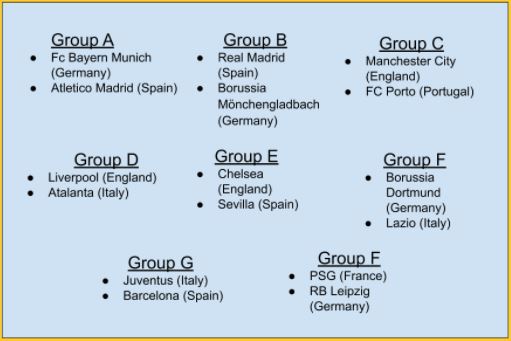
Domestic cups and continental competitions
Leagues are only part of a club’s calendar. How do soccer leagues work? Clubs often play simultaneous cup and continental matches.
Cup competitions:
- Knockout format open to clubs from multiple tiers.
- Upsets are common—lower-league teams can beat bigger clubs.
- Cup runs can boost revenue and reputation.
Continental tournaments:
- Clubs qualify based on league position or cup wins.
- Examples include regional competitions that provide prestige and extra income.
- Scheduling conflicts and player fatigue are challenges.
From working with clubs, balancing league priorities with cup ambition is a key management decision. Smaller squads must rotate players carefully to avoid injury and poor league form.

Financial rules, licensing, and fair play
Money matters in how leagues operate. How do soccer leagues work? Financial rules ensure clubs remain solvent and competitive.
Common financial controls:
- Licensing criteria: Minimum standards for stadium, youth programs, and finances.
- Salary caps or luxury taxes: Used in some closed leagues to enforce parity.
- Financial fair play: Limits on losses to prevent overspending.
Benefits and limitations:
- Benefits: Stability, competitive balance, and reduced bankruptcy risk.
- Limitations: Can limit investment, and enforcement varies by league.
I’ve seen clubs fail licensing due to unpaid wages. Good governance reduces that risk, and owners need clear financial plans, especially in promotion or relegation scenarios.
Youth systems, academies, and reserve teams
Leagues influence player development. How do soccer leagues work? Most have mechanisms to promote youth and reserve team play.
Components:
- Academies: Train young players and supply talent to the first team.
- Reserve leagues: Provide match time for fringe players and prospects.
- Homegrown rules: Encourage clubs to develop local talent.
Investing in youth pays dividends. In my experience, the best long-term strategy for smaller clubs is to build a strong academy and integrate graduates into the first team rather than chase expensive transfers.
Governance, refereeing, and rules enforcement
Leagues are governed by federations and rulebooks. How do soccer leagues work? Referees and disciplinary bodies enforce the laws of the game and league regulations.
Key elements:
- Governing body: Sets competition rules and disciplinary codes.
- Match officials: Enforce laws on the pitch.
- Appeals and ethics committees: Handle protests, suspensions, and misconduct.
Transparency and consistent enforcement build trust among fans and clubs. Clear guidelines help teams plan and respond to disciplinary actions or rule changes.
Practical tips for clubs, players, and fans
How do soccer leagues work? Knowing the system helps make better decisions.
For clubs:
- Plan finances for both promotion and relegation scenarios.
- Invest in scouting and academies for sustainable growth.
- Understand licensing rules early.
For players:
- Know transfer windows and eligibility rules.
- Keep fitness consistent to handle packed schedules.
For fans:
- Learn the league format and tiebreakers to follow standings.
- Attend early-season matches—tickets are often cheaper.
From my time helping a semi-pro club, small improvements in travel planning and squad rotation made us more competitive and cut costs.
Common quick questions within the article
How do promotion playoffs work?
- Promotion playoffs usually involve teams finishing just below automatic spots playing knockout rounds to win promotion. The format and number of teams vary by league.
Can a club be refused promotion?
- Yes. Clubs can be denied promotion if they fail licensing or stadium requirements, even if they win on the pitch.
How do international breaks affect leagues?
- Leagues pause for international fixtures so players can join national teams, causing congested schedules before and after the break.
Frequently Asked Questions of How do soccer leagues work?
What is the basic purpose of a soccer league?
A soccer league organizes regular competition where clubs play a set schedule to determine rankings and champions over a season. It creates structure, revenue, and promotion/relegation systems where applicable.
How are champions decided in most leagues?
Most leagues award the championship to the team with the most points at season end or via playoffs if the league uses a postseason format. Point totals, goal difference, and head-to-head records are common tie-breakers.
How does promotion and relegation affect clubs financially?
Promotion usually brings more revenue from broadcasting and sponsorship, while relegation can reduce income and force budget cuts. Clubs plan budgets for both outcomes to manage risk.
Do all countries use promotion and relegation?
No. Some leagues, like certain U.S.-based systems, operate as closed leagues without promotion or relegation and use playoffs to decide champions instead.
How do cup competitions interact with league schedules?
Cup competitions run alongside leagues and can cause fixture congestion. Clubs must manage squad rotation to compete on multiple fronts and avoid player fatigue.
Conclusion
Understanding how do soccer leagues work? gives you clarity on why matches matter and how clubs plan seasons, finances, and player development. League formats, points systems, promotion and relegation, and cup competitions all shape the soccer calendar and influence decisions on and off the pitch. Use this knowledge to follow your favorite team more closely, support youth development, or make informed choices if you run or join a club. If you found this useful, explore more articles, subscribe for updates, or leave a comment with questions about a specific league or scenario.

