

A scrum is the set-piece restart where the forward packs bind and push to win the ball.
I’ve played and coached rugby for years, and I’ll walk you through what a scrum in rugby is, why it matters, how it works, and how to do it safely and smartly. This guide covers rules, roles, tactics, training tips, and common mistakes, with practical examples you can use on the pitch or in practice.

36% off Today’s Exclusive Deals
Limited-time Exclusive Deals. Check current discount on Amazon.
Check Price on Amazon As an Amazon Associate I earn from qualifying purchases.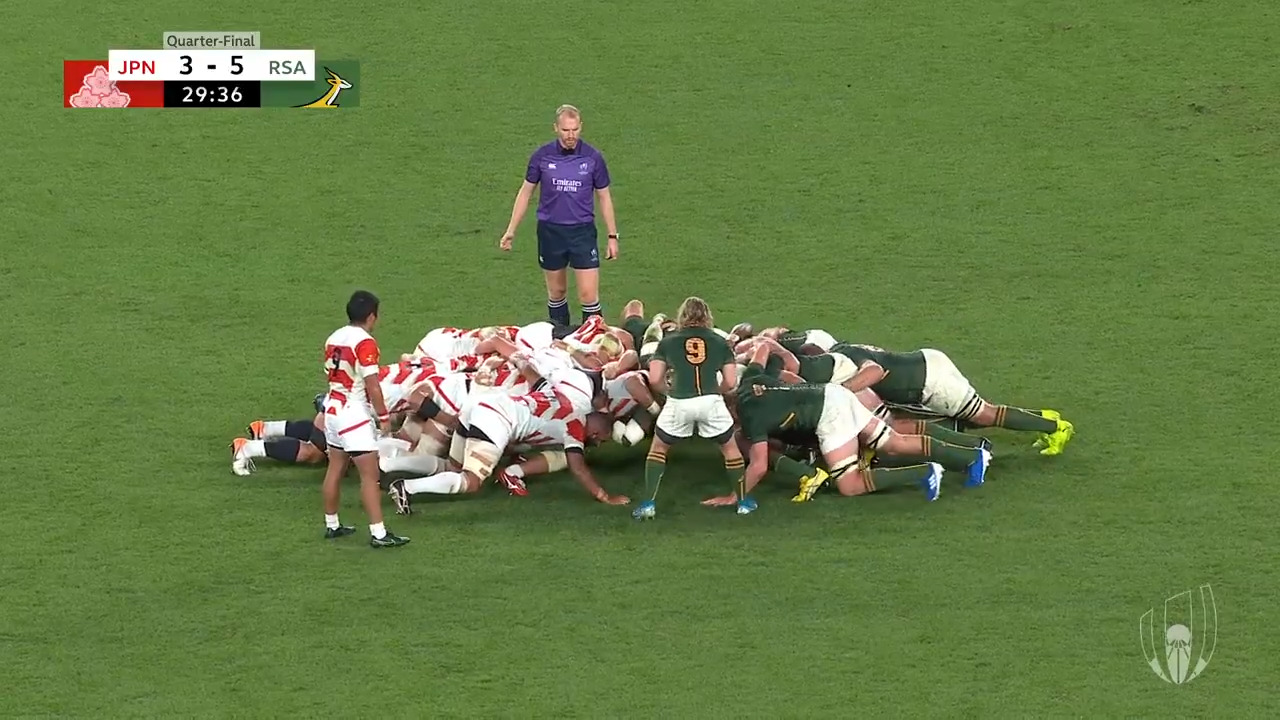
What is a scrum in rugby? Basic definition and purpose
What is a scrum in rugby? It is a structured contest to restart play after minor infractions or stoppages.
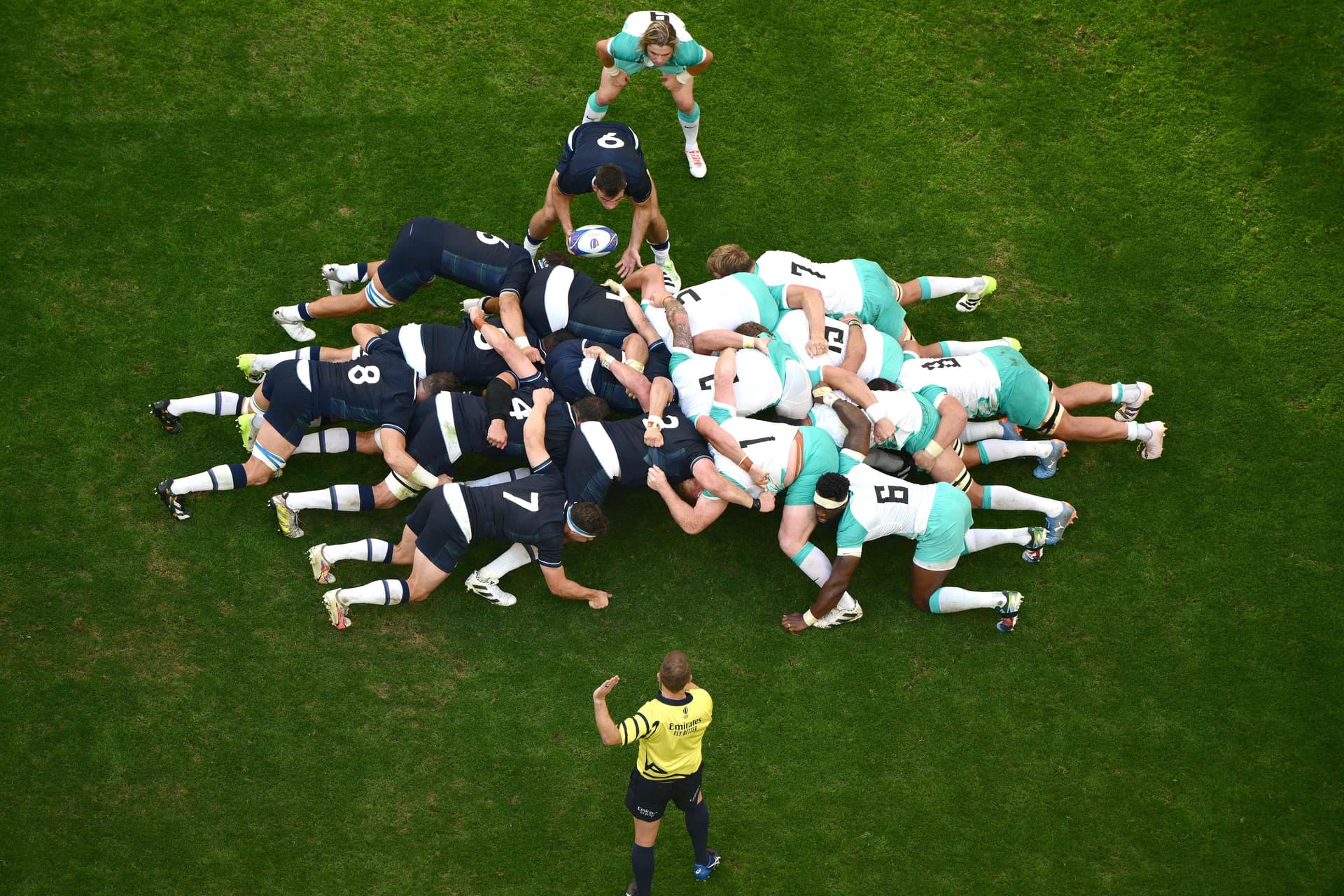
A scrum involves eight forwards from each team binding together. The teams interlock and push while the ball is fed in. The hooker tries to strike the ball so a team can regain possession and continue play.
Scrums test strength, timing, and skill. They also shape game tactics. Teams use scrums to gain territory, secure the ball, or disrupt the opponent.
How a scrum works — step-by-step
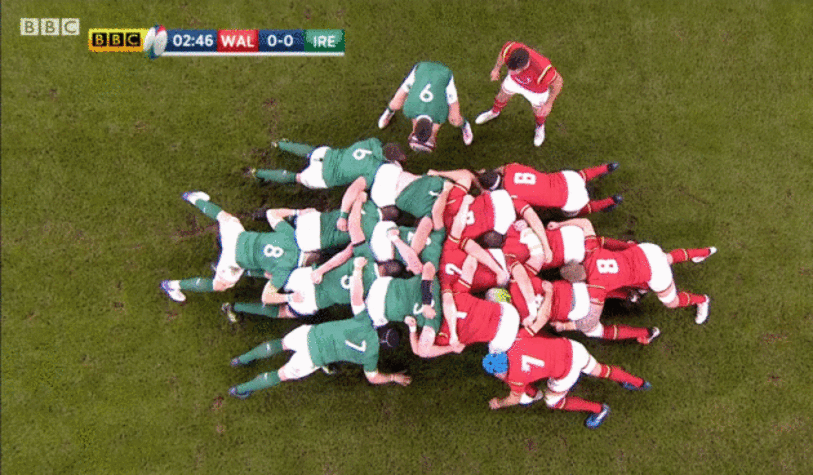
What is a scrum in rugby? It follows a set rhythm and rule set to keep players safe and fair.
- The referee signals a scrum for a minor stoppage such as a knock-on.
- Packs form with three players in the front row, two locks in the second row, and three loose forwards.
- The referee controls engagement with the calls: "crouch", "bind", "set" in most modern laws.
- The team with the put-in feeds the ball into the tunnel formed between the two front rows.
- The hookers attempt to strike the ball back with their feet while packs push.
- Once a clear possession is gained, the ball is played by the scrum-half or ripped out by a forward.
Timing and coordination matter more than raw force. A well-drilled pack can win scrums by technique, not just power.
Players, positions, and roles in a scrum
What is a scrum in rugby? Each player has a clear job inside the set-piece.
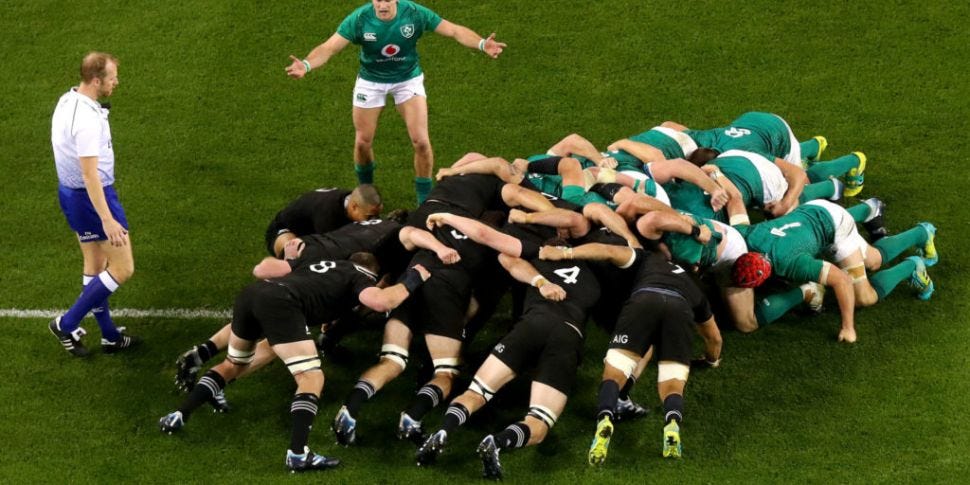
- Front row: two props and a hooker. The props support the hooker. The hooker strikes the ball.
- Second row: two locks. They give drive and compress power through the pack.
- Back row: two flankers and a number eight. Flankers plug gaps and protect the ball. The number eight controls the ball at the back.
The scrum-half feeds the ball and often receives it. The referee watches binding, feet, and collars for safety.

Laws, safety, and common penalties
What is a scrum in rugby? Laws aim to keep scrums safe and fair.
- Illegal early engagement gets a free-kick or penalty.
- Collapsing the scrum risks penalties and injury.
- Not straight feeding the ball is a penalty.
- Pushing before the ball is in can be penalized.
Referees enforce set-piece rules closely. Modern laws reduced impact risk by controlling engagement steps and binding points. Players must practice safe technique and referee expectations.
Types of scrum and tactical use
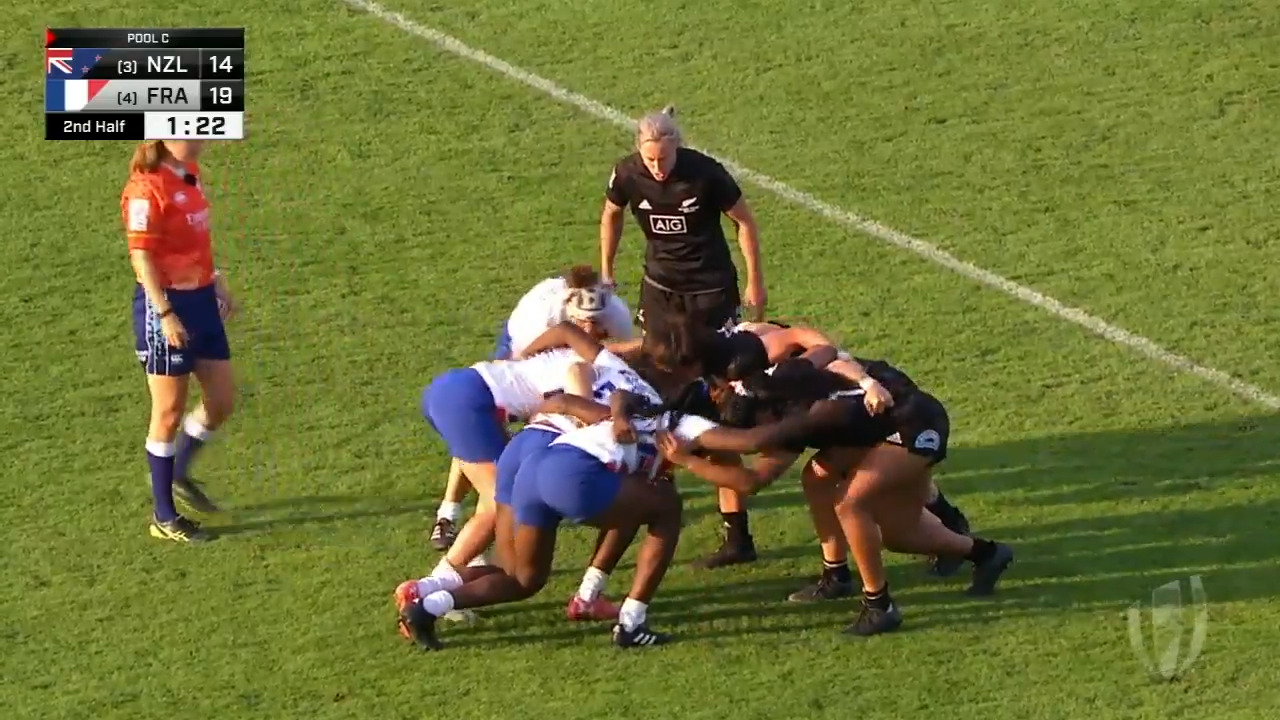
What is a scrum in rugby? There are several types and tactical setups.
- Standard scrum: restart after a minor error.
- Uncontested scrum: when a team lacks trained front-row players; no competition for ball.
- Free-kick scrum: lower penalty, quicker restart.
- Reset scrum: called when a scrum breaks down and must be re-formed.
Tactically, teams use scrums to:
- Win penalties from poor opposition technique.
- Drive close to the try line with coordinated power.
- Foil an opponent’s clean ball by wheeling or collapsing the scrum legally.
- Use set plays from the back of the scrum to create space for backs.
Training, drills, and coaching tips (including personal experience)
What is a scrum in rugby? Training builds safe skill and reliable outcome.
From coaching club sides, I learned this: simple drills beat complex ideas at early stages. Focus on body position, binding, and timing before raw pushing.
Practice drills I use:
- Two-man shoves to teach leg drive and hip position.
- Front-row binding drill to build grip and comfort.
- Whole-pack live reps at low speed to sync timing and calls.
- Reset procedures with the referee voice to train habits.
Common coaching tips:
- Prioritize neck and core strength. Strong position beats brute force.
- Rehearse the put-in and the scrum-half's timing.
- Start drills slow. Speed up only when form is correct.
Mistakes I made early on:
- Rushing packs into high-speed scrums before they learned to bind. This raised injury risk.
- Overfocusing on winning by shove. Technique allows safer, steadier wins.
What is a scrum in rugby? Keep training simple and consistent to build trust in the pack.

Why do scrums collapse and how to fix it?
Scrums collapse when binding is weak or angles are wrong. Fix it by improving bind drills and ensuring even pressure across the front row.
Who can feed the ball into a scrum?
Only the scrum-half normally feeds the ball. A player must put the ball in straight and not delay the feed.
How long should a scrum take?
A well-formed scrum takes only seconds to set and execute. Repeated resets slow the game and can lead to penalties.
Common mistakes and practical tips
What is a scrum in rugby? Many teams slip on basics. Fixing basics wins scrums.
Common errors:
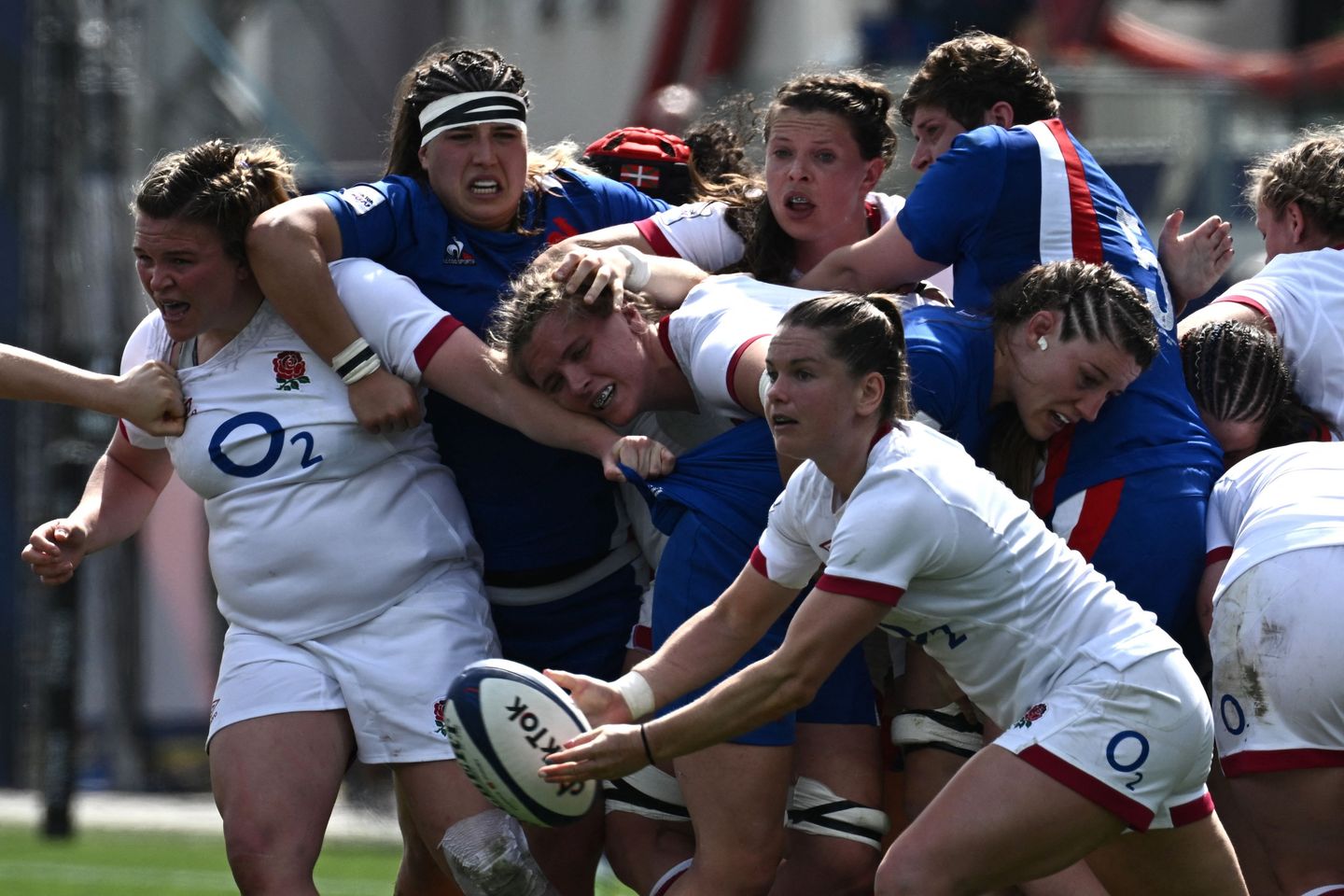
- Poor bind and loose arms in the front row.
- Bad body angle that leaks push to one side.
- Hookers striking too early or missing timing.
- Back rows not supporting the drive.
Quick tips:
- Check shoulder width and hip bend in every rep.
- Use short, powerful drives instead of one long heave.
- Communicate calls before the put-in.
- Watch replays of your scrums to spot small faults.
Frequently Asked Questions of What is a scrum in rugby?
What is a scrum in rugby and when is it used?
A scrum in rugby is a restart involving the eight forwards from each side. It is used after minor stoppages like knock-ons or forward passes.
Who wins the ball in a scrum?
The hooker usually tries to hook the ball back to their pack while locks and back-row players push. The team that times the feed and strike best usually wins possession.
Is it dangerous to engage in a scrum?
Scrums carry injury risk if done poorly. Modern laws and proper technique reduce danger, and training should focus on safe binds and engagement.
Can a team refuse to form a scrum?
A team can choose to play from a free-kick instead of a scrum when awarded. In general play, refusing to form or collapsing a scrum leads to penalties.
What is an uncontested scrum?
An uncontested scrum happens when a team cannot provide a trained front row. The scrum is formed but there is no pushing contest for safety reasons.
Who feeds the ball into the scrum?
The scrum-half feeds the ball down the tunnel between the two front rows. The feed must be fair and not intentionally crooked.
Conclusion
This article explained what a scrum in rugby is, how it works, and why it matters on the field. You now know roles, laws, common tactics, training drills, and ways to stay safe. Start by practicing basic bind and body position drills. Track small gains and be patient—consistency wins scrums.
Try one new drill with your pack this week. Share your results, ask questions, or subscribe for more practical rugby guides.

