

Players score a point on every rally; first to 21 wins a game, best of three.
I’ve coached and played badminton for years, so I know the rules and the common confusion. This guide explains how does badminton scoring work? in clear steps, with examples, strategy tips, and real-world mistakes to avoid. Read on to master scoring, serve rules, deuce scenarios, and practical tips you can use on court today.

36% off Today’s Exclusive Deals
Limited-time Exclusive Deals. Check current discount on Amazon.
Check Price on Amazon As an Amazon Associate I earn from qualifying purchases.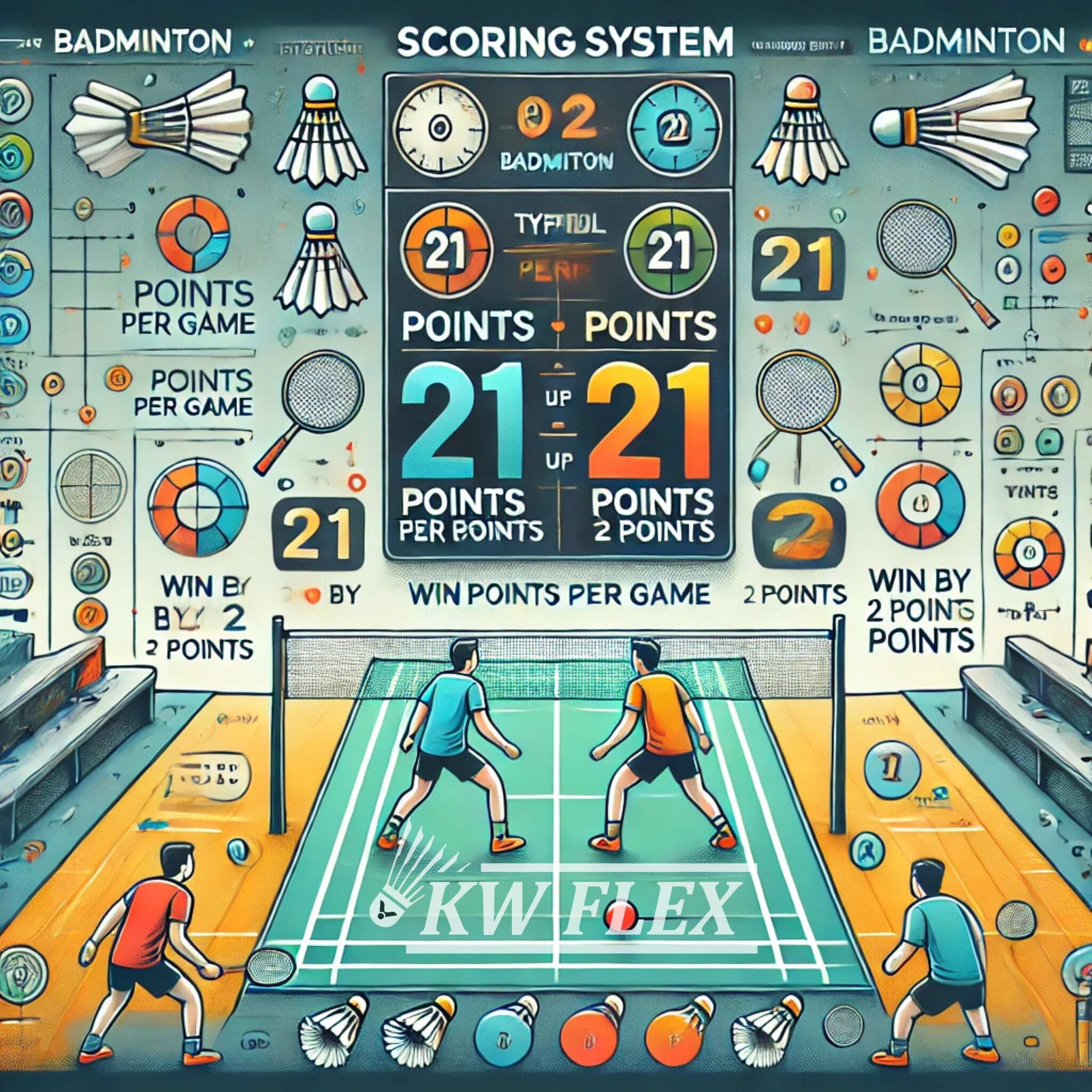
Basic scoring rules
Badminton uses rally scoring. A point is awarded on every rally, no matter who served. Games go to 21 points. You must win by two points unless the score reaches 29-29, where the next point wins.
How does badminton scoring work? It’s simple: each rally gives one point to a player or pair. Matches are normally best of three games. The first side to reach 21 points with a two-point lead wins that game.

How points are won and who serves
Points come from winning a rally. A rally ends when the shuttle hits the floor, a fault occurs, or play is stopped by the umpire. The side that wins the rally gains one point and the right to serve.
Key serve and point rules
- Rally point scoring applies; every rally counts for a point.
- If you win a rally when you served, you keep serve and add a point.
- If you win a rally when your opponent served, you gain the point and the serve.
- In doubles, service order and side change depend on the current score and who won the previous rally.
How does badminton scoring work? The server changes only when the receiving side wins a rally. This rule keeps the game fast and clear.
Games, deuce, and setting
A game ends at 21 points with a two-point margin. If the score ties at 20-20, play continues until a two-point lead exists. However, if the score reaches 29-29, the next point decides the game at 30-29.
Quick examples
- 21-19 ends the game.
- 22-20 ends the game after deuce.
- 30-29 ends the game at the cap.
How does badminton scoring work? Deuce and setting ensure a fair win while limiting extremely long games with the 30-point cap.

Common faults that cost points
Faults cause the rally to end and give the opponent a point. Know these to avoid gifting points.
Frequent faults
- Serving into the net or outside the correct service box.
- Hitting the shuttle into the net or outside the court boundaries.
- Double hit or carrying the shuttle on your racket.
- Touching the net or crossing the net with racket or body.
- Service faults like wrong server, wrong receiver, or foot faults.
How does badminton scoring work? Avoiding simple faults is often the fastest way to improve your score in real matches.

Singles vs doubles: scoring differences
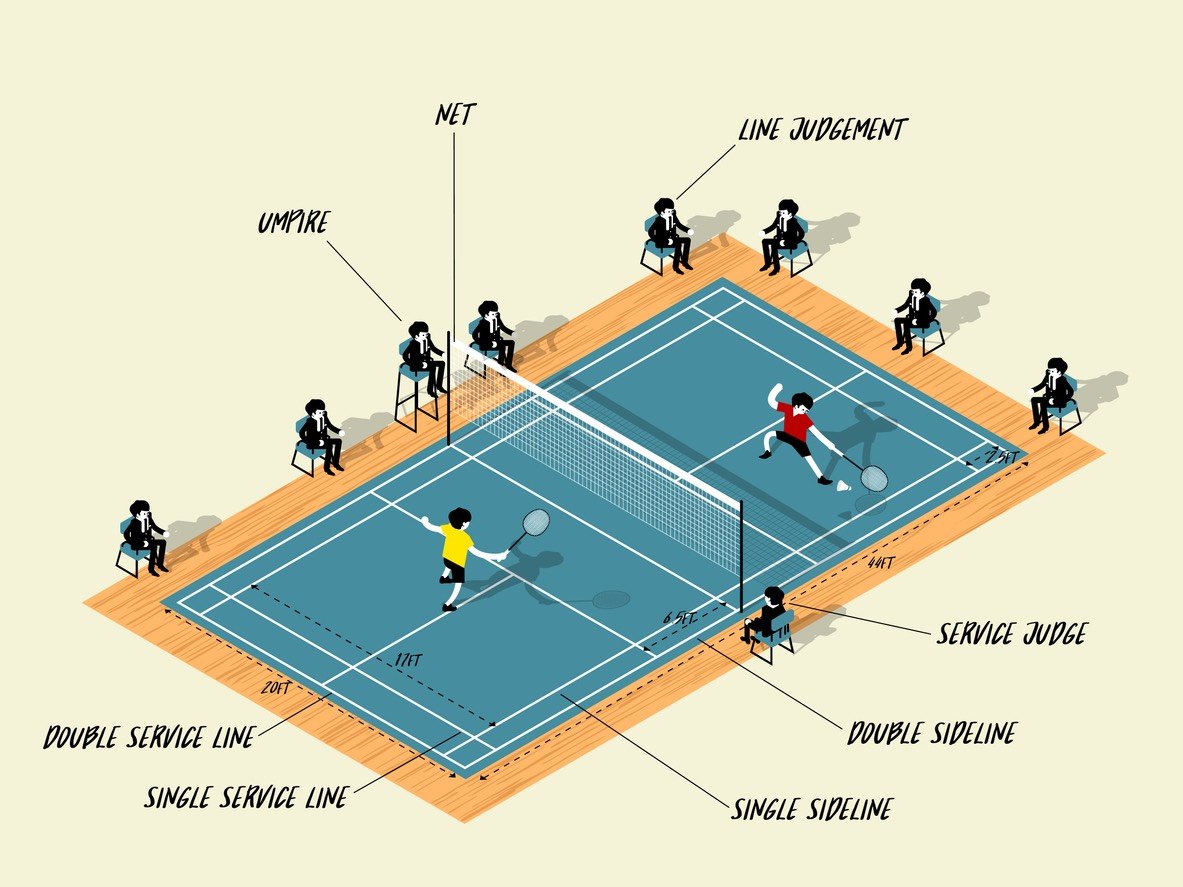
Scoring rules are the same for singles and doubles. Service rules and positioning differ, though. In singles, the server’s side depends on their score parity. In doubles, partners rotate service and court sides based on who serves and wins rallies.
Singles serving logic
- If server’s score is even, serve from the right service court.
- If odd, serve from the left service court.
Doubles service basics
- The team that wins serve chooses the server from the correct side.
- Partners do not rotate like in volleyball; service order matters and is tracked during the game.
How does badminton scoring work? The scoring stays constant, but court placement and service order change between singles and doubles.

Strategy, tips, and real experience
I’ve tracked many matches and kept score from the umpire chair. Simple rituals keep scoring clean. Use a score sheet, speak scores aloud, and confirm serves before each rally.
Practical tips
- Announce the score before each serve to avoid disputes.
- Record the server and receiver in doubles to track order.
- Practice staying calm at deuce. Small errors cost more at tight scores.
- Use apps or an extra person to keep score in casual play.
From my experience, most disputes start from unclear service order or missed score calls. Stay clear and consistent to keep the match fair.
How does badminton scoring work? Clear score calls and simple tracking make your match run smoothly and reduce arguments.

Common scenarios and step-by-step examples
Here are short scenarios you will see often and how points change hands.
Scenario 1: Server loses first rally
- Server serves and loses the rally.
- Opponent gains one point and the right to serve.
- Score updates and serving side changes accordingly.
Scenario 2: Deuce situation at 20-20
- Both sides trade points until a two-point lead appears.
- At 29-29, the next point wins.
Scenario 3: Doubles rotation confusion
- Keep a record of who served first.
- The serving team keeps the same server if they win a rally.
- If they lose a rally, the serve goes to the opposing team and the correct player serves.
How does badminton scoring work? These short examples show how the rules play out in usual match flow.
Quick practical scoring checklist
Use this checklist before and during each game to keep scoring simple and fair.
- Confirm match format: best of three, 21-point games.
- Decide who serves first by coin toss or shuttle throw.
- Announce scores and server before each serve.
- Track deuce and setting rules at 20-20 and 29-29.
- Keep a written score or use an app for casual matches.
How does badminton scoring work? Follow this checklist to avoid common errors and keep the match moving.
Frequently Asked Questions of How does badminton scoring work?
What happens at 20-20 in badminton?
At 20-20, play continues until one side leads by two points. If the score reaches 29-29, the next point decides the game at 30-29.
Who serves first at the start of a match?
Serve is decided by coin toss, shuttle toss, or mutual agreement. The winner chooses to serve or choose a side.
Does a serve always give a point?
No. Under rally scoring, every rally gives one point to the winner of the rally, regardless of who served. Serve simply indicates who hits first that rally.
How many games are in a match?
Most matches are best of three games. The first side to win two games wins the match.
What is a fault that loses a rally?
Common faults include hitting the shuttle out, touching the net, double hitting, or a wrong serve. A fault ends the rally and gives the opponent the point.
Can I change partners mid-game in doubles?
No. Partners may not change during a game. Substitutions follow tournament or club rules and are not allowed mid-game in formal play.
How do you keep score in casual play?
Use a simple written score, call scores loudly, or use a phone app. Clear calls prevent disputes and keep the game fair.
Conclusion
Now you know how does badminton scoring work? You can score rallies, handle deuce, follow serving rules, and avoid common faults. Start by practicing score calls and using a simple checklist on court. Track a few matches and you will feel confident fast.
Try these tips in your next game, keep practicing, and share your scorekeeping stories below or subscribe for more guides and drills.

