

The rules of badminton define how the game is played, scored, and won in clear, simple terms.
I’ve coached and played badminton for years, and I’ll walk you through the rules of badminton with clear explanations, practical examples, and tips you can use on the court today. This guide covers everything from court layout and serving to faults, scoring, and the subtle differences between singles and doubles. Read on to get a complete, easy-to-follow understanding of the rules of badminton so you can play or referee with confidence.

36% off Today’s Exclusive Deals
Limited-time Exclusive Deals. Check current discount on Amazon.
Check Price on Amazon As an Amazon Associate I earn from qualifying purchases.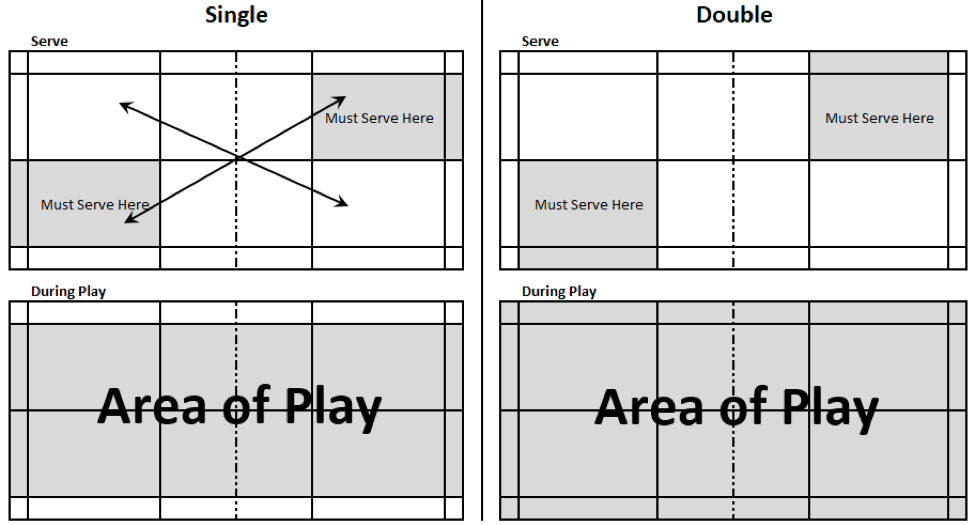
Basic principles and objective of the game
Badminton is a racket sport played by two or four players. The objective is to hit the shuttlecock over the net and land it inside the opponent’s court while preventing them from doing the same. Points are won when the shuttlecock hits the ground on the opponent’s side, or when the opponent commits a fault. Knowing the rules of badminton helps you avoid common mistakes and improve your game.
I learned early that mastering the basics changes match results fast. Simple things like legal serves and where the shuttle lands decide many rallies. Practicing these basics will make the rules of badminton second nature.
Court dimensions, equipment, and markings
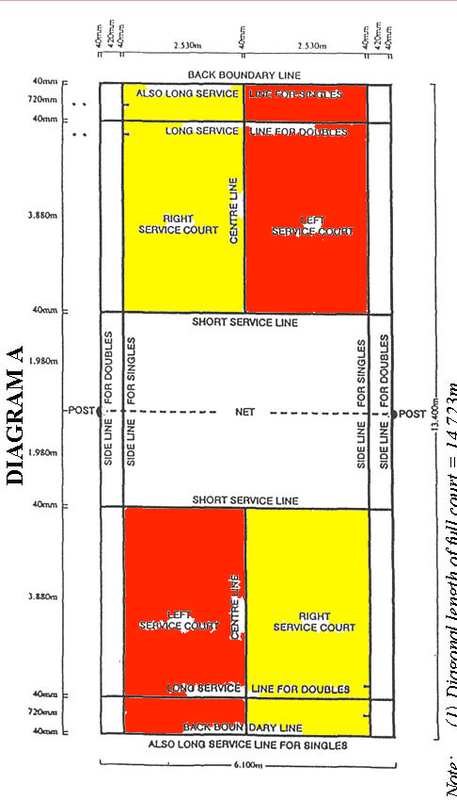
A standard badminton court is 44 feet long by 17 feet wide for singles, and 44 feet by 20 feet for doubles. The net sits at 5 feet 1 inch at the edges and 5 feet in the center. Key markings include the center line, short service line, and side boundaries for singles and doubles. The rules of badminton use these lines to determine where serves must land and where players can legally place the shuttle.
- Racket: lightweight, with a legal frame and string tension within accepted ranges.
- Shuttlecock: made of feathers or synthetic material; feather shuttlecocks fly differently from synthetic ones.
- Net: set at the correct height and tension for fair play.
When I set up courts for club nights, checking the net height and court lines prevents disputes. Small setup errors often lead to arguments that the rules of badminton are meant to avoid.

Scoring system, serves, and service rotation
Scoring
- Matches are best of three games.
- Each game plays to 21 points using rally scoring: a point is awarded on every rally, regardless of who served.
- If the score reaches 20–20, play continues until one side leads by two points, up to 30 points; 30–29 is the final possible score.
Serving rules
- The server must stand within their service court and hit the shuttle below their waist level with the racket shaft pointing downward.
- The serve must travel diagonally to the opponent’s service court and land within the correct service boundaries.
- At the start of the match, the server is determined by toss or coin.
Service rotation (singles)
- If the server wins a rally, they score a point and continue serving from the alternate service court.
- If the server loses a rally, the service passes to the opponent.
Service rotation (doubles)
- Service changes between teams after each lost rally.
- Partner positions and which player serves depend on the serving team’s score parity and serving sequence.
- The rules of badminton for doubles service can be tricky, so it helps to practice the rotation.
I often coach beginners on serve placement and rotation. A practiced, legal serve wins easy points and sets tone for rallies. Remembering brief rules of badminton for serves makes matches cleaner.
Faults, lets, and common infractions
Common faults
- Shuttle lands outside court lines.
- Shuttle passes through or under the net, or touches the ceiling.
- Player touches the net or invades the opponent’s court.
- Racket or body strikes the shuttle twice in one attempt.
- Illegal serve (e.g., shuttle struck above the server’s waist).
Lets
- A let is called to replay the rally without penalty. Common lets occur when serve touches the net but lands in the correct court or when play is disrupted by external interference.
- Umpires can call lets for safety or court issues.
Handling infractions
- In organized play, an umpire issues warnings, faults, or point awards based on these rules of badminton.
- In casual play, agree on calling faults before you start to keep play smooth and fair.
I’ve seen matches turned by a misunderstood fault. Clear communication and knowing the rules of badminton prevent arguments and keep matches fair.
Singles versus doubles: rule differences and positioning
Boundary differences
- Singles use the narrower side lines. Doubles use the wider side lines.
- The doubles service court is shorter at the back for serves, using the long service line for doubles.
Serving variations
- In singles, service courts change based on the server’s score parity.
- In doubles, the first serve follows a specific sequence between partners and opponents. The serving side’s score decides who serves and from which side.
Positioning and tactics
- Singles rely on court coverage and endurance. Rules of badminton favor precise placement and consistency in singles.
- Doubles emphasize coordination, quick drives, and net control. Players often specialize as front or back players.
From my doubles coaching, I’ve learned that partners who practice serve sequences and positioning avoid confusion. The rules of badminton give structure to that coordination.
Strategy, etiquette, and sportsmanship tied to the rules of badminton
Strategy linked to rules
- Use legal serves to create weak returns and attack the net.
- Place shots near lines to test opponent judgment; accurate line calls are part of the rules of badminton.
- Rotate effectively in doubles to keep offense and defense balanced.
Etiquette and fair play
- Call your own faults honestly during casual play.
- Shake hands and offer brief apologies for accidental contact.
- Respect the umpire’s decisions in organized matches.
I always tell new players: good etiquette keeps games fun. Following the rules of badminton while showing respect makes you a better player and partner.
Common mistakes, practical tips, and training drills
Frequent mistakes
- Serving too high or too short, causing illegal serves.
- Standing in the wrong service box during rotation.
- Failing to call lets or faults clearly in casual games.
Practical tips
- Practice low and controlled serves until they become consistent.
- Mark court lines and practice serves into each service box.
- Drill footwork to reduce net contact and keep within bounds.
Training drills
- Service accuracy: aim for corners in the short and long service boxes.
- Net control: rally soft net shots to sharpen touch.
- Movement drill: alternate lunges to both sides to simulate singles coverage.
I used a simple service drill with beginners. After a week, their serving faults dropped noticeably. Applying the rules of badminton deliberately during practice yields fast improvement.
How to referee and apply rules in casual matches
Before play
- Agree on rules for lets, service faults, and scoring.
- Check net height and court lines.
During play
- Make clear, consistent calls.
- Use simple signals for faults and lets if no umpire is present.
- Keep a polite tone and replay contentious rallies if needed.
After play
- Review any disputes calmly and learn from them for next time.
My tip as a referee: stay consistent. Consistency in calling faults based on the rules of badminton builds trust and reduces arguments.
Frequently Asked Questions of What are the rules of badminton?
What is the basic scoring system in badminton?
A match is best of three games. Each game goes to 21 points using rally scoring, and a two-point lead is required to win unless the score reaches 30.
How must a serve be delivered?
The server must hit the shuttle below waist height, with the racket head pointing downward, and serve diagonally into the opponent’s service court.
What counts as a fault in badminton?
Faults include shuttle landing out of bounds, touching the net, double hits, touching the opponent’s court, and illegal serves. Any of these gives a point to the opponent.
Are the court boundaries different for singles and doubles?
Yes. Singles use the narrower sideline. Doubles use the full width of the court, and doubles service has a shorter back service boundary.
When is a let called and what happens afterward?
A let is called to replay the rally without penalty. Common reasons are interference, a serve touching the net but landing in, or safety issues during play.
Can players touch the net during play?
No. Any contact with the net by a player or their racket during a rally is a fault and awards a point to the opponent.
How does serving rotation work in doubles?
Service rotates between teams after each lost rally. Which partner serves depends on the serving side’s score and the sequence of previous serves.
Conclusion
Mastering the rules of badminton gives you confidence on the court. Learn serving mechanics, scoring, faults, and the differences between singles and doubles. Practice with purpose, call faults fairly, and use the rules of badminton to guide better play and sportsmanship. Try one new rule-focused drill this week, share your progress, and join a local club or comment below to keep learning.

