

A home run is a fair hit that allows the batter to round all bases and score immediately.
I’ve covered baseball for years and coached hitters at the amateur level, so I know how a home run changes a game. This article explains what a home run in baseball is, how it’s scored, the types you’ll see, rules that matter, and practical tips to hit one. Read on to get clear, useful answers and real-world insight into home runs.

36% off Today’s Exclusive Deals
Limited-time Exclusive Deals. Check current discount on Amazon.
Check Price on Amazon As an Amazon Associate I earn from qualifying purchases.
What is a home run in baseball?
A home run is a hit that lets the batter and any runners score without being put out. Most home runs happen when the batter hits the ball over the outfield fence in fair territory. If the ball stays in play but the batter circles all bases before a play ends, that is an inside-the-park home run. The batter is credited with a hit and at least one run. Home runs are among the highest-value plays in baseball because they produce guaranteed runs and swing momentum.

Types of home runs
- Over-the-fence home run
- The ball must clear the outfield fence in fair territory. This is the most common home run fans picture.
- Inside-the-park home run
- The ball stays in play. The batter reaches home before the defense makes a play. These are rare and often involve speed or defensive miscues.
- Multi-run home runs
- 2-run home run: one runner on base scores with the batter.
- 3-run home run: two runners score with the batter.
- Grand slam: bases loaded; four runs score on one swing.
- Walk-off home run
- A home run that ends the game in the home team's favor in the final inning. It is dramatic and decisive.
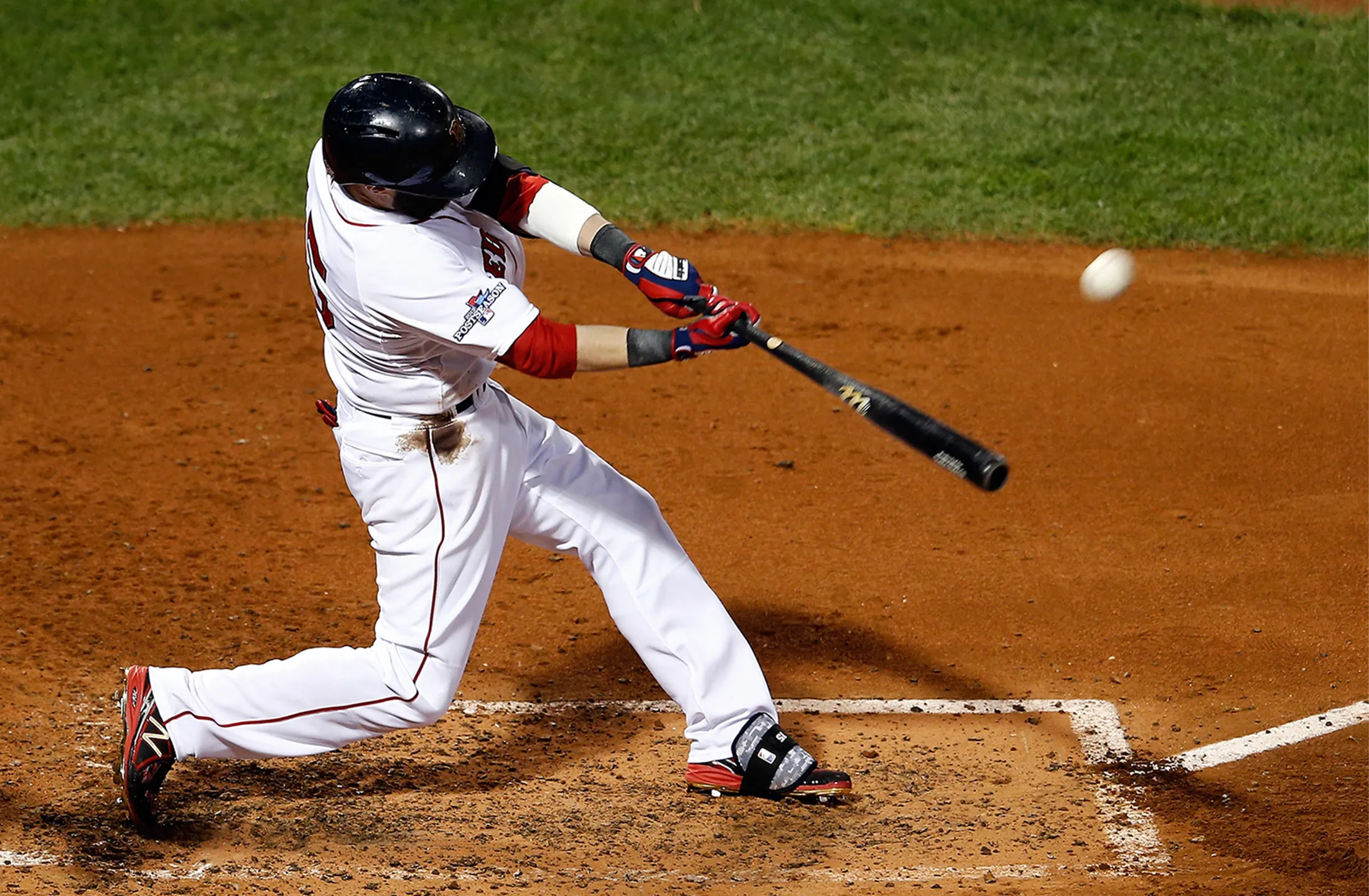
How a home run is scored and official rules
- Scoring basics
- The batter gets credit for a hit and one or more runs batted in (RBI). Each runner who scores counts toward the team’s total.
- Fair vs. foul
- The ball must land in fair territory beyond the outfield fence or be touched in fair territory before going out.
- Inside-the-park details
- If a fielder’s error clearly allows the batter to advance, scorers may rule the play an error rather than a home run.
- Interference and ground rules
- Special park ground rules can affect whether a hit is a home run. Umpires make the final call on field interference and unusual bounces.
- Official credit
- Even when runners score on an unconventional play, the batter receives the home run and associated RBIs when the play meets the rule definitions.

Why a home run matters: strategy and game impact
- Immediate runs
- Home runs add guaranteed runs. They remove the chance of a double play ending a rally.
- Momentum and morale
- A well-timed home run can shift momentum and energize fans and teammates.
- Lineup construction
- Teams place power hitters in spots to maximize home run opportunities and RBI chances.
- Pitching strategy
– Pitchers avoid mistakes in the strike zone. Bullpens change strategy to minimize home run risk. - Ballpark effects
- Park size, altitude, and wind can change home run frequency. Some parks favor hitters.
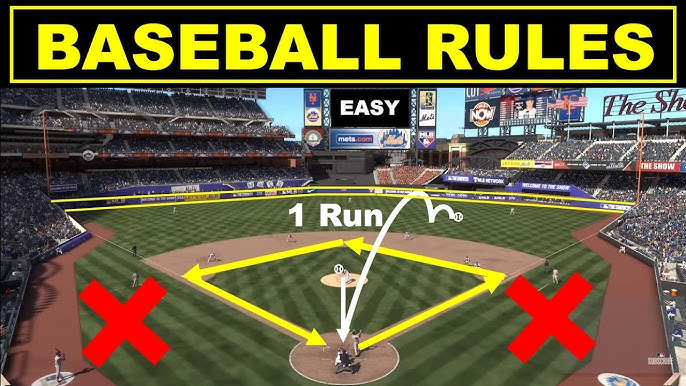
How to hit a home run: practical tips
- Focus on contact and timing
- Good timing creates solid connection. Aim for the sweet spot on the bat.
- Optimize launch angle and bat speed
- A balanced launch angle (often mid teens in degrees) with high bat speed helps balls clear the fence.
- Strength and conditioning
- Core and lower-body strength add power to swings. Workouts that build explosive hip rotation help.
- Practice drills
- Tee work, front toss, and weighted-bat swings improve contact and bat speed. Track outcomes in live batting practice.
- Mental approach
- Expect to hit the ball hard, but avoid over-swinging. Stay relaxed and focus on pitch shape.
- Personal note
- As a coach I saw hitters make gains when they simplified their swing and practiced controlled power. Small, consistent adjustments produced more homers than chasing raw strength.
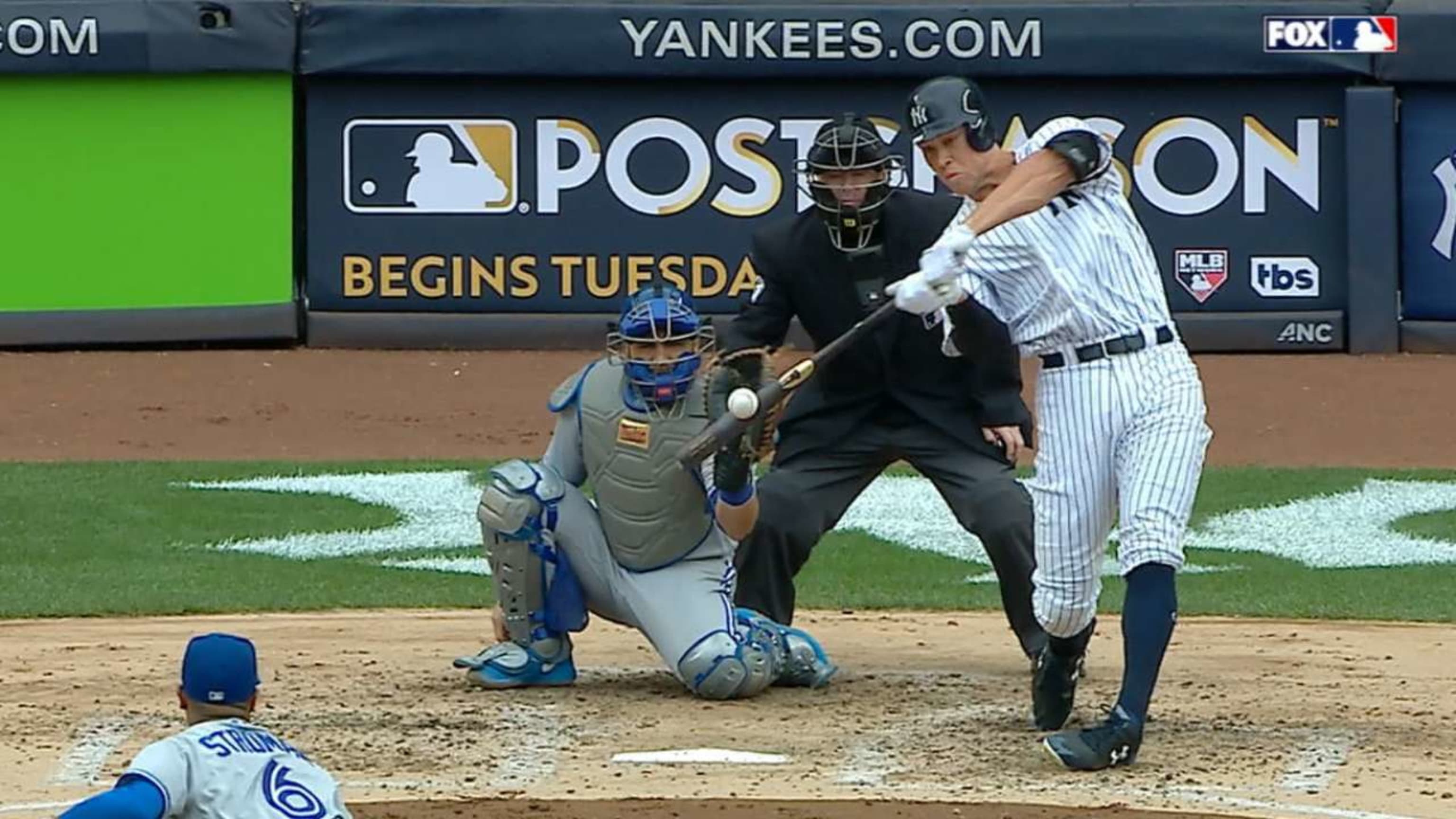
Records and famous examples
- Career milestones
- The highest career home run totals are iconic feats in baseball history. Power hitters shape legacies through home run totals.
- Single-season and single-game feats
- Some seasons and games stand out for home run explosion. Fans remember these moments for decades.
- Historic moments
- Walk-off homers and postseason home runs often define careers and seasons. They create lasting memories for teams and cities.
- Cultural impact
- Home runs are highlight staples in broadcasts and social media. They draw casual and devoted fans alike.

Common misconceptions about home runs
- A home run always clears the fence
- False. Inside-the-park home runs exist and count the same on the scoreboard.
- Errors always ruin a home run
- Not always. Scorers decide whether a defensive error prevented a play. That can change the scoring of a run.
- All fences are the same
- No. Park dimensions and wind alter how easy it is to hit a home run.
- Home runs are only about power
- Power helps, but timing, angle, and contact quality are as important as raw strength.
- Home run numbers tell the whole story
- They show power, but on-base skills and consistency also define great hitters.
Frequently Asked Questions of What is a home run in baseball?
What counts as a home run?
A home run counts when the batter hits a fair ball that lets them and any runners score without being put out. This happens either by clearing the outfield fence or by the batter circling the bases before a play ends.
How many runs is a home run worth?
A home run is worth at least one run for the batter. Additional runs score for any teammates already on base; a grand slam scores four runs.
What is an inside-the-park home run?
An inside-the-park home run occurs when the ball stays in play and the batter rounds all bases safely before the defense records an out. It often involves speed or a misplay but is credited as a home run if no error is charged.
Does a home run count if the ball hits the top of the fence?
If the ball clears the fence in fair territory or is ruled to have cleared by the umpires, it counts. Local park ground rules and umpire judgment can affect tight calls.
Who gets credited with the RBI on a home run?
The batter gets credit for RBIs for each runner who scores on the home run, including themselves. The official scorer tallies the RBIs along with the hit and runs.
Can a home run be overruled after the play?
Yes. Umpires and scorers can review plays or confer to apply ground rules and scoring decisions. Final rulings follow the official rules and scoring guidelines.
Conclusion
A home run in baseball is a clear, exciting play that guarantees runs, shifts momentum, and highlights a player’s power and timing. Understanding the types, rules, and strategy behind home runs helps you read the game better and enjoy the moments that define seasons. Try the practical hitting tips, watch how parks affect play, and track how teams use power in their lineups. If this article helped, share it, leave a comment with your favorite home run memory, or subscribe for more baseball breakdowns.

