

Baseball is a nine-inning game where two teams score runs by hitting, running bases, and fielding efficiently.
I’ve studied and played baseball for years, coached youth teams, and read the official rules closely — so I’ll walk you through exactly what the rules of baseball are in plain language. This guide covers the field, equipment, gameplay mechanics, common fouls, scoring, strategy, and practical tips so you can understand how a game is played, officiated, and won. Read on to get a clear, usable picture of what the rules of baseball are and how they affect every play.

36% off Today’s Exclusive Deals
Limited-time Exclusive Deals. Check current discount on Amazon.
Check Price on Amazon As an Amazon Associate I earn from qualifying purchases.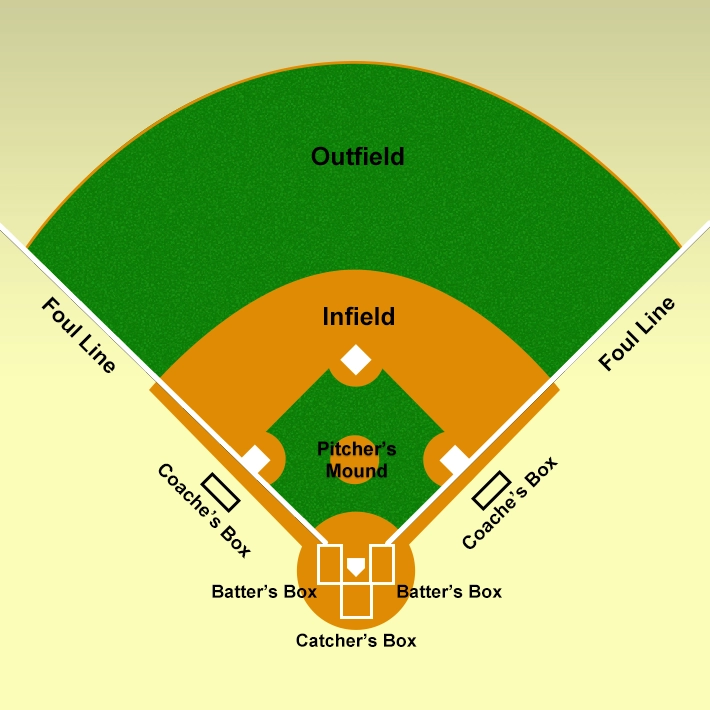
Baseball basics: objective, field, and teams
The core objective in baseball is simple: score more runs than the opponent by advancing runners around four bases and returning them to home plate. That basic aim frames every rule in the game and explains why rules protect fair play and strategy.
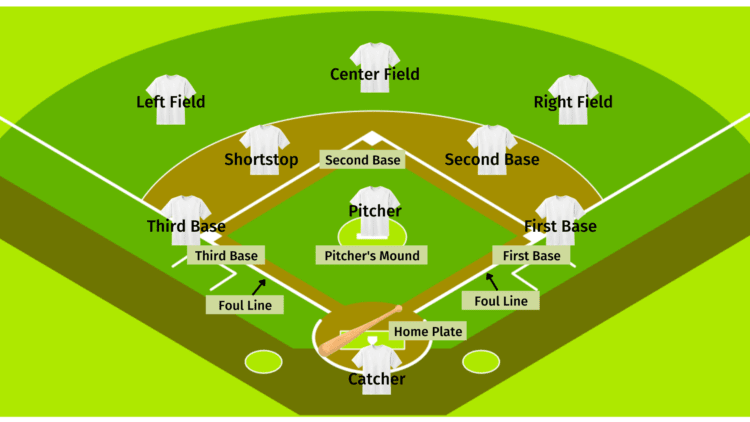
A standard game features two teams of nine players. Each team alternates between batting (offense) and fielding (defense). The field is a diamond with four bases: home plate, first base, second base, and third base. The area inside the infield and outfield dimensions are defined in rules for fair and foul territory, mound placement, and base distances.
Game length is usually nine innings for professional and many amateur games. Each inning has two halves: the visiting team bats first (top), then the home team bats (bottom). Extra innings follow if the score is tied after nine.
What are the rules of baseball? They set how teams alternate, how runs score, and how outs are recorded — all structured around innings, the pitching-batting duel, and base-running strategy.

Equipment and game structure
Players use specific equipment and follow structured roles to keep play safe and fair.
- Ball and bat: A leather-covered ball and wooden or metal bat are regulated for size and weight.
- Gloves and protective gear: Fielders use gloves; catchers wear mask, chest protector, and shin guards.
- Bases and mound: Bases are fixed at 90 feet apart in most adult play; the pitcher's mound is 60 feet 6 inches from home plate in pro rules.
Lineups, substitutions, and roster rules determine who bats and plays defensively. The batting order is set before the game and must be followed; substitute players must replace a starter and usually cannot re-enter the game. Some leagues allow designated hitters who bat but do not field.
What are the rules of baseball about structure? They define the playing equipment, the lineup, substitution limits, and the format of innings to keep the contest orderly and repeatable.
How the game is played: pitching, hitting, and fielding
At the center of baseball are three actions: pitching, hitting, and fielding. A pitcher tries to get batters out; a batter tries to reach base safely.
Pitching and the strike zone
- The pitcher throws to home plate from the mound, aiming for the strike zone.
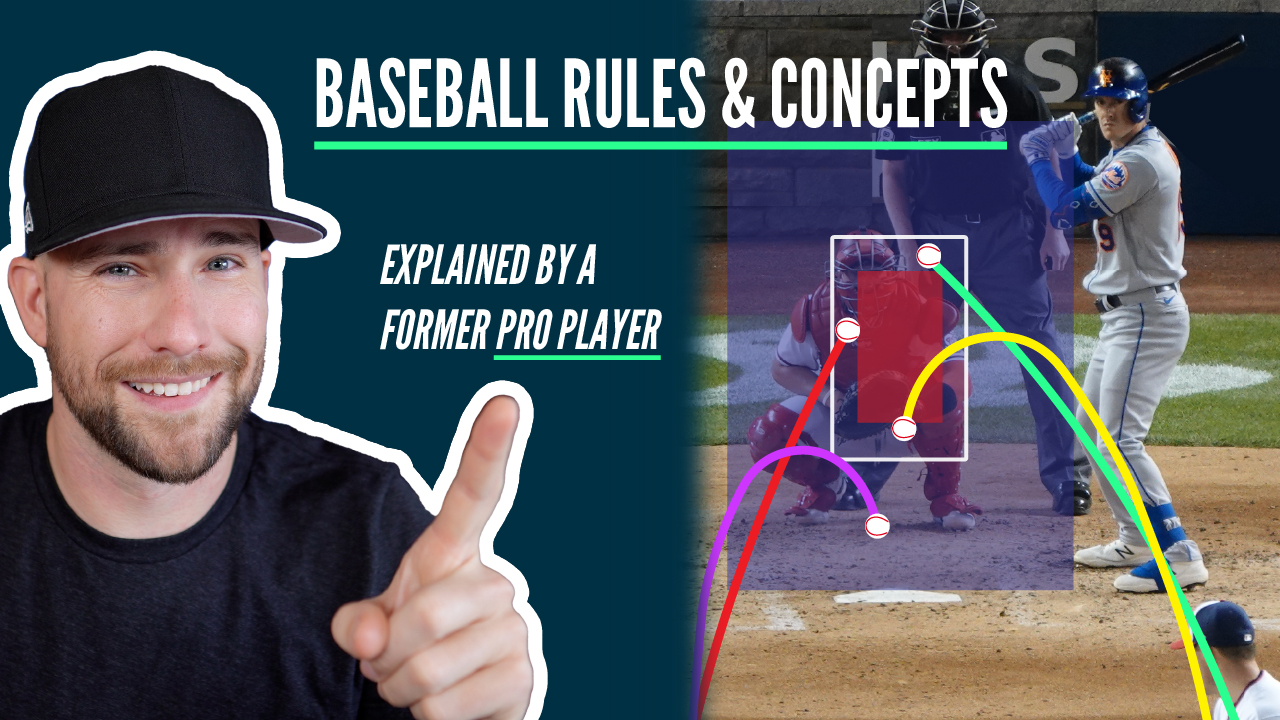
- The strike zone is the rectangular area over home plate from the batter’s knees to the midpoint of their torso.
- Called strikes occur when a legal pitch passes through the strike zone or when a batter swings and misses.
Balls, strikes, and walks
- If four pitches pass outside the strike zone and the batter does not swing, the batter earns a walk to first base.
- If three strikes are recorded, the batter is out.
- A hit ball that lands in fair territory and is not caught allows the batter to attempt to reach base.
Outs and ways to record them
- Strikeout: three strikes on a batter.
- Force out: fielder touches base before runner forced to advance.
- Tag out: fielder tags the runner with the ball while the runner is off base.
- Fly out: a fielder catches a batted ball in the air before it touches ground.
What are the rules of baseball when it comes to fair and foul? A batted ball is fair if it lands in fair territory or passes first or third base in fair territory; foul balls generally count as strikes unless the batter already has two strikes, or caught for an out.
PAA-style questions:
How many strikes make an out?
Three strikes make an out. A swinging or called strike counts toward the strike total.
What happens on a foul ball?
A foul counts as a strike unless the batter already has two strikes; caught foul balls are outs.
Can a runner be tagged out while on base?
Yes. If a runner leaves a base and is tagged while not entitled to that base, the runner can be put out.

Scoring, runs, and common rules
Scoring occurs when a player safely advances around all bases and touches home plate. Each completed trip equals one run.
Home runs score the batter and any runners on base instantly if the ball leaves the playing field in fair territory. A timely single, double, or triple can bring runners home in sequence. Runs can also score on walks or errors if forced or through productive outs.
Common rules affecting scoring
- Infield fly rule: prevents deception on pop-ups with runners on first and second (or bases loaded) and fewer than two outs; the batter is out to protect runners.
- Balk: illegal pitcher motion that can advance runners; rules define balks to prevent deception.
- Interference and obstruction: offensive interference stops play and may result in outs; defensive obstruction can award bases to runners.
What are the rules of baseball about scoring? They dictate how runs count, how special plays (home runs, balks, interference) affect base runners, and when umpires must enforce penalties to protect fairness.
Penalties, violations, and umpire signals
Umpires enforce rules and signal calls with clear gestures. Common infractions carry immediate consequences.
Common violations
- Balks: illegal pitching actions that advance runners.
- Catcher obstruction: impeding a runner’s ability to advance.
- Runner interference: runner hinders a fielder’s opportunity to make a play, which can lead to an out.
- Illegal substitutions: replacing a player improperly may lead to penalties or lineup adjustments.
Umpire signals
- Strike: right hand up, verbal “strike.”
- Ball: fist to belt.
- Safe: arms extended outward.
- Out: fist pump.
- Foul ball and fair ball have specific hand signals or verbal calls.
What are the rules of baseball on penalties? They set how officials correct unfair advantages, enforce dead-ball situations, and restore fairness by awarding bases or outs as needed.
Strategy and common mistakes
Baseball is equal parts rules and strategy. Knowing the rules lets you make smarter plays and avoid costly errors.
Key strategic points
- Hit-and-run, sacrifice bunt, and steals are legal plays that depend on timing and rule knowledge.
- Defensive positioning and shifts follow rules but require reading hitters.
- Pitch selection and counts influence how a batter approaches a plate appearance.
Common beginner mistakes
- Leaving bases too early on a tag play or appeal.
- Misunderstanding the infield fly rule and getting doubled off.
- Not knowing when a runner is forced vs. when a tag is required.
From my experience coaching youth teams, emphasizing base-running fundamentals and clear communication cuts down on two-thirds of avoidable outs. Teaching players the precise rule for force plays and appeals saved runs in tight games more than any advanced hitting drill.
What are the rules of baseball that affect strategy? They govern legal plays like steals and bunts, define force vs. tag situations, and determine when a play is live or stopped — all crucial to building a winning plan.
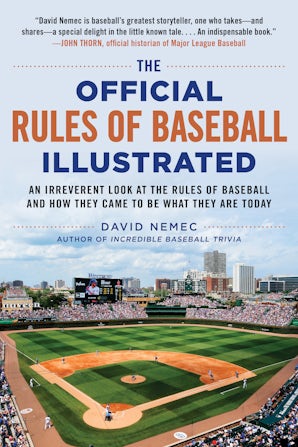
Frequently Asked Questions of What are the rules of baseball?
What is the main objective of baseball?
The main objective is to score more runs than the opponent by advancing batters around four bases and returning them to home plate. Defense tries to record three outs per half-inning to stop scoring.
How many outs are in an inning?
Each team gets three outs per half-inning, so six outs occur per full inning. A nine-inning game normally has 54 outs per team if no extra innings are needed.
What counts as a strike or a ball?
A strike is a legal pitch in the strike zone or a swung-and-missed pitch. A ball is a legal pitch outside the strike zone that the batter does not swing at.
What is the infield fly rule?
The infield fly rule calls an automatic out when a pop-up can be easily caught with runners on first and second (or bases loaded) and fewer than two outs, preventing deception by fielders.
Can a substitute player re-enter the game?
In most leagues, substitutes cannot re-enter once removed; some youth or amateur rules allow limited re-entry. Always check your league’s specific substitution rules.
What is a balk and why does it matter?
A balk is an illegal action by the pitcher intended to deceive base runners; it usually advances runners one base. Balk rules prevent unfair trickery and protect base runners.
Conclusion
Understanding what the rules of baseball are gives you the tools to watch, play, or coach with confidence. The rules define fair play, scoring, and how innings flow, while strategy grows from those limits. Start by mastering the strike zone, force plays, and basic scoring, then add situational rules like the infield fly and balk. Try applying one rule-focused drill in your next practice or rewatch a game with these rules in mind, and you’ll see the game more clearly. Share your questions below or subscribe for more practical baseball guides and drills.

