

Heated blankets can ease arthritis pain for many people by relaxing muscles and improving joint blood flow.
I have worked with people who live with arthritis and tested heat options over years. This article explains how heated blankets work, who benefits, safety tips, and real-world use. Read on to learn when a heated blanket can help your arthritis symptoms and when to seek other care.

36% off Today’s Exclusive Deals
Limited-time Exclusive Deals. Check current discount on Amazon.
Check Price on Amazon As an Amazon Associate I earn from qualifying purchases.
How heat affects arthritis pain
Heat soothes pain in two main ways. It widens tiny blood vessels near the skin. This boosts blood flow. Better flow reduces stiffness and brings nutrients to the joint. Heat also calms muscle spasms. That lowers pressure on painful joints.
Thermotherapy is a standard option in rehab and pain care. Warmth can cut pain signals in the nerves. It also helps people move more easily after use. For many with osteoarthritis or stiff joints, steady low heat gives clear short-term relief.
Common terms you may see are moist heat, dry heat, and deep heat. Heated blankets provide a safe, steady form of dry heat for home use.

Do heated blankets help? Evidence and real effects
Many people feel less pain and more mobility with heated blankets. Clinical guidelines support using heat for short-term relief of joint stiffness and chronic muscle pain. Studies of heat therapy show improvements in pain scores and function for some patients.
Heated blankets work best for mild to moderate arthritis pain. They help before activity, at bedtime, or during rest. They are not a cure. Results vary by type of arthritis. People with inflammatory flare-ups may need caution, as heat can sometimes make swelling worse.
From my experience, a quality heated blanket often reduces morning stiffness and helps people fall asleep. I have seen patients reduce their need for extra pain medicine on nights they use heat. Still, combine heat with exercise, weight control, and proper medical care for best long-term results.

Benefits of using heated blankets for arthritis
- Targeted warmth: heated blankets deliver steady heat to the whole body or a specific area, which eases stiffness.
- Comfort and sleep: warm blankets help people relax and fall asleep faster when joint pain keeps them awake.
- Low cost and convenience: heated blankets are cheaper and easier to use than frequent clinic visits.
- Non-pharmacologic relief: they provide drug-free pain control that can reduce reliance on pain meds.
- Flexible timing: use before activity to loosen joints or at night to soothe aches.
Heated blankets can be part of a simple self-care plan. They fit easily into daily life and travel.
Risks and limitations of heated blankets
- Skin burns: prolonged high heat can burn, especially with thin skin or reduced feeling.
- Overheating: long use may disrupt sleep or cause faintness in some people.
- Inflammatory flare-ups: if a joint is red, hot, or swollen, heat can sometimes worsen inflammation.
- Medical conditions: people with certain conditions, like poor circulation or neuropathy, must be cautious.
- Not a long-term fix: heated blankets relieve symptoms but do not stop joint damage.
Always check skin often. Use a low to medium setting and limit sessions to safe durations. Stop if pain or swelling increases.
How to choose the right heated blanket for arthritis
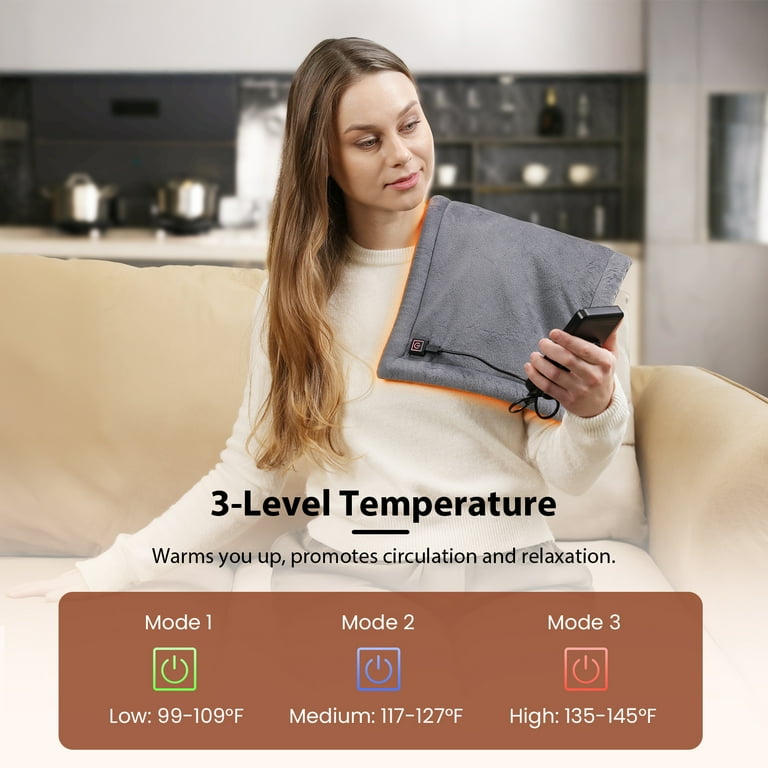
- Temperature control: pick a blanket with several heat levels and accurate controls.
- Auto-shutoff: choose models that turn off after a set time for safety.
- Size and fit: full-size covers a bed; lap or throw sizes are better for local pain.
- Material: soft, breathable fabrics reduce skin irritation and sweating.
- Certifications: look for safety marks and reliable wiring standards.
- Washable design: removable covers make cleaning easy.
A blanket with a timer and good controls is ideal for arthritis. Avoid cheap plugs and old models that may overheat.

Best practices for using heated blankets for arthritis
- Start low: begin with lower settings and short sessions. Increase slowly if needed.
- Session length: aim for 15–30 minutes for most sore joints. Use up to an hour if advised by a clinician.
- Combine with movement: use heat before gentle stretching or exercise to get better range of motion.
- Bed use: set auto-shutoff if you sleep with a heated blanket, or use it to warm the bed before turning it off.
- Skin checks: feel the skin every 10 minutes for hot spots or redness.
- Hydration: drink water, as heat can slightly raise body temperature.
PAA-style questions with short answers:
Q: How hot should a heated blanket be for arthritis?
A: Use a low to medium setting. Aim for warmth, not burning heat.
Q: Can heated blankets replace other treatments?
A: No. They help symptoms but should complement exercise, medications, and medical care.

Personal experience and practical tips
I once had a client with knee osteoarthritis who used a heated throw each night. Within two weeks she slept better and moved easier in the morning. She combined that with a short stretching routine. That combo made a big difference.
Lessons learned:
- Avoid high settings on thin skin.
- Never use with alcohol or sedatives that reduce awareness.
- Replace old blankets every few years to stay safe.
Practical tips I share with friends and patients:
- Warm the bed 20 minutes before sleep and then turn the blanket off.
- Use a lap blanket while reading to target a hip or knee.
- Keep at least one cooler backup to help if you overheat.
Source: artisticd.com
Frequently Asked Questions of Can heated blankets help with arthritis pain?
Are heated blankets safe for all types of arthritis?
Heated blankets are safe for many people with osteoarthritis and stiffness. People with active infection, open wounds, or certain inflammatory flares should consult a doctor first.
How long should I use a heated blanket for arthritis pain?
Use heat for 15–30 minutes per session for most joint pain. If a clinician approves, sessions can extend to an hour but watch for skin changes.
Can heated blankets make arthritis worse?
Heated blankets rarely make chronic arthritis worse. However, heat can increase swelling during active inflammatory flare-ups, so stop use if redness or warmth increases.
Is a heated blanket better than a heating pad?
A heated blanket covers larger areas and is good for whole-body warmth. A heating pad is better for focused spots. Both work; choose by need.
Can children or elderly use heated blankets for arthritis?
Elderly people can benefit but must use low settings and monitor skin. Kids should only use under adult supervision and with safe controls.
Conclusion
Heated blankets offer a simple, practical way to ease arthritis pain and stiffness. They improve blood flow, relax muscles, and can help you move and sleep better. Use them safely with low settings, timers, and regular skin checks. Pair heat with exercise, weight management, and medical care for the best results. Try a short trial with a good, certified heated blanket and note how your pain and sleep respond. If you found this useful, try one of the tips, leave a comment, or subscribe for more practical guides on living with arthritis.

