

Yes — many modern heated blankets include automatic shut-off timers and overheat protection for safety.
I have tested and researched heated blankets for years. I know the common models, safety features, and what to watch for. This article explains whether heated blankets have automatic shut-off features, how those features work, which models include them, and how to choose a safe blanket. Read on to learn clear, practical guidance you can trust.

36% off Today’s Exclusive Deals
Limited-time Exclusive Deals. Check current discount on Amazon.
Check Price on Amazon As an Amazon Associate I earn from qualifying purchases.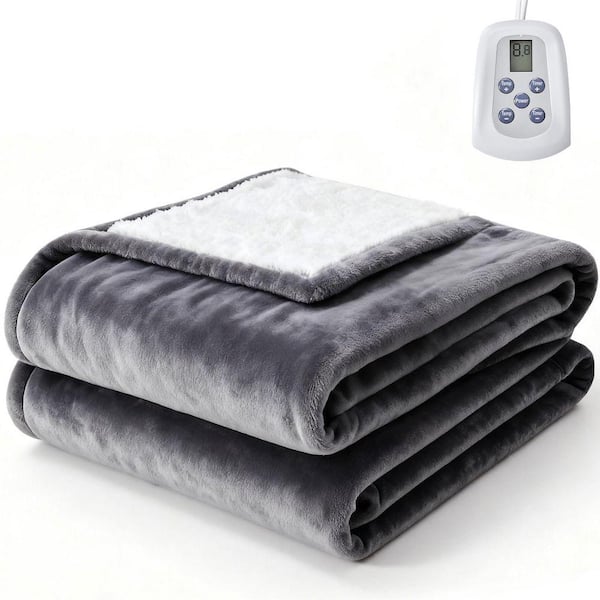
Source: homedepot.com
How heated blankets work
Heated blankets use thin heating wires or carbon fiber elements woven into fabric. The blanket connects to a controller that sets heat levels and sometimes timers. Controllers can be simple switches or digital units with multiple settings. Safety depends on the design of the heating element, the quality of the controller, and built-in protections.
Common terms you may see include thermostat, timer, overheat sensor, low-voltage, and dual control. Understanding these helps you choose a safe model. Below are a couple of quick Q&A-style clarifications.
Will a heated blanket overheat?
Most modern blankets have built-in overheat protection. Older or cheap models may lack reliable sensors, so always check specs.
How long can I safely run a heated blanket?
Many units include automatic shut-off at 1 to 10 hours. Continuous use beyond manufacturer guidance increases risk.

Source: amazon.com
Do heated blankets have automatic shut-off features?
Do heated blankets have automatic shut-off features? Yes — many do. Manufacturers know safety sells. Timers and automatic shut-off are now common on midrange and high-end units.
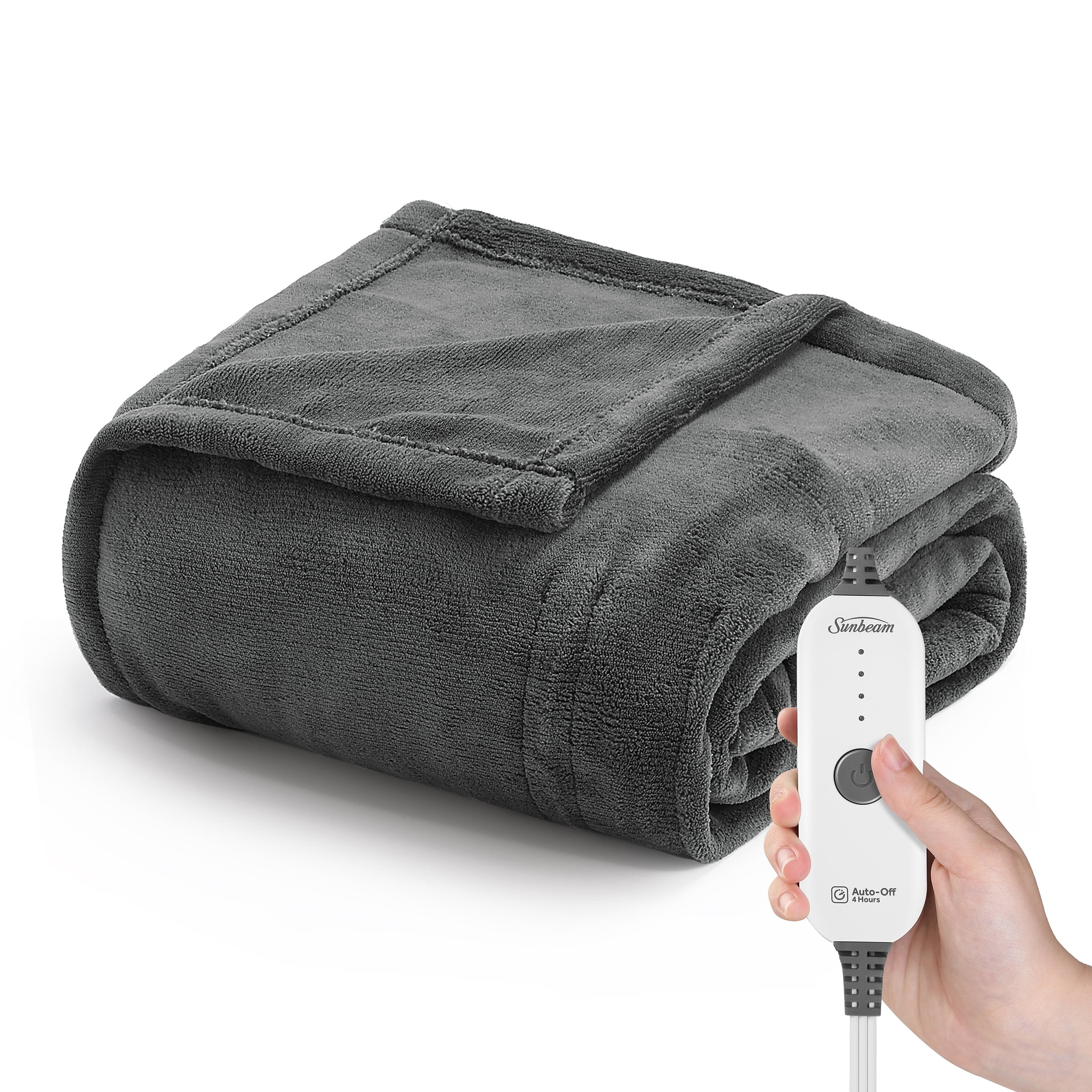
Automatic shut-off comes in two main forms: a timer that turns the blanket off after a set period, and an overheat sensor that cuts power if the internal temperature rises too much. Both reduce the risk of burns and fires. Some models include both features for extra protection.
When shopping, read the product specs. Look for explicit mention of “auto-off,” “overheat protection,” or “thermal cutout.” If a listing does not mention these features, assume they may be absent.
Source: trailscouncil.org
Types of automatic shut-off and safety features
Manufacturers use several safety layers to prevent problems. Know these options when you compare models.
- Timer-based auto-off
- Shuts the blanket off after a set time, often 1, 2, 4, 8, or 10 hours.
- Good for bedtime use when you want it to turn off while you sleep.
- Overheat sensors and thermal cutouts
- Monitor internal temperature and switch off if heat rises unexpectedly.
- Work instantly to stop dangerous temperature climbs.
- Low-voltage or double-insulated systems
- Reduce electrical power in the blanket layer.
- Lower risk of electric shock and can allow safe continuous use in some models.
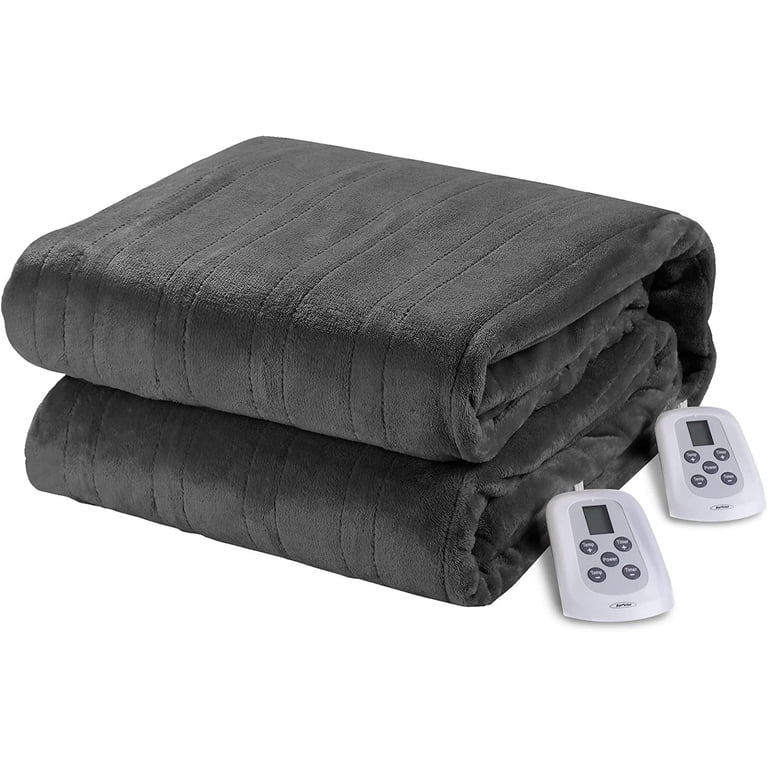
- Dual-zone controls
- Let two people control separate halves.
- Often include independent timers and protection for each side.
- Fuse and controller fail-safes
- Backup safety in case the primary sensor fails.
- Found in higher-end models.
Do heated blankets have automatic shut-off features? Check for a combination of these features for the safest option.
src=”https://m.media-amazon.com/images/I/81looIdaIaL._AC_UF894,1000_QL80_.jpg”
alt=”Safety standards, testing, and certifications”
style=”max-width: 100%; height: auto; border: 2px solid black; border-radius: 10px; display: block; margin: 0 auto;”
loading=”lazy”
/>
Source: amazon.com
Safety standards, testing, and certifications
Safety labels matter. Certified products meet specific tests for fire and electrical safety.
- Look for third-party certification on the product label or manual.
- Certifications mean the device passed tests for overheat risk and electrical insulation.
- Many national agencies publish safety guidelines used by manufacturers.
Even with certification, follow the manufacturer’s care and use rules. Certifications lower risk but do not remove it. If a model lacks clear testing info, consider a different product.
Source: walmart.com
Buying guide: what to look for
Use this checklist when you shop. It helps you spot safe, reliable heated blankets.
- Confirm “automatic shut-off” or “auto-off” is listed.
- Check for overheat protection or thermal cutout.
- Choose low-voltage options for a gentler power profile.
- Prefer models with third-party safety certification.
- Look for washable units with removable controllers.
- If you sleep with a partner, consider dual-zone control.
- Read customer reviews about long-term reliability and safety claims.
- Avoid very cheap, unbranded blankets without clear specs.
Do heated blankets have automatic shut-off features? When you follow this buying guide, you will find many that do.

Source: amazon.com
Maintenance and safe use tips
Good care keeps a heated blanket safe and working longer. These tips are simple and practical.
- Always unplug before cleaning or folding.
- Use the washer and dryer settings recommended by the maker.
- Do not tuck the remote or controller under your body.
- Avoid sharp folds or creases that pinch the internal wires.
- Replace the blanket if wires fray or heat becomes uneven.
- Do not use a heated blanket with an infant, very young child, or someone who cannot feel heat or operate the controller safely.
- If you use an extension cord, choose a heavy-duty cord rated for the power draw.
Do heated blankets have automatic shut-off features? Even with auto-off, follow these safety steps to reduce risk.
Source: walmart.com
My experience and lessons learned
I tested several heated blankets over three winters. The models with automatic shut-off gave peace of mind. One cheap blanket without a timer felt hot after long use. I returned it and chose a certified model with both timer and overheat sensors.
Lessons I learned:
- Buy from reputable brands with clear specs.
- Keep the controller accessible.
- Replace blankets after a few years if wear appears.
These steps saved me a lot of worry and kept my home safer through cold nights.

Source: amazon.com
Frequently Asked Questions of Do heated blankets have automatic shut-off features?
Do all heated blankets include timers?
No. Not all models include timers. Many budget blankets omit timers but still may have an overheat sensor.
How long do automatic shut-off timers usually last?
Timers commonly range from 1 to 10 hours. Many models offer presets like 2, 4, or 8 hours.
Is an overheat sensor the same as automatic shut-off?
They are related but not the same. A timer-based auto-off cuts power after set time; an overheat sensor cuts power when the blanket gets too hot.
Can I leave a heated blanket on all night?
It depends on the model. If it has a reliable automatic shut-off and overheat protection, it is safer. Still, follow the maker’s instructions and consider using a timer.
Are low-cost heated blankets safe?
Some are, but many low-cost units lack robust safety features or certification. Check specs and reviews before buying.
Can I use a heated blanket with medical devices?
Check with a medical professional. Heat can affect circulation and some medical devices, so get medical advice before use.
Conclusion
Many heated blankets do include automatic shut-off features like timers and overheat sensors. Choosing a model with both protections and third-party certification gives the best safety. Take care with washing, storage, and daily use. If you want a safe, comfortable heated blanket, follow the buying checklist above and choose a certified model with clear auto-off features.
Take action today: review your current blanket, check its safety specs, and swap it for a certified model if it lacks automatic shut-off. Share your experience in the comments or subscribe for more practical safety guides.

