Are you ready to try camping but don’t know where to start? Camping can be one of the most exciting ways to connect with nature, relax, and have fun.
But it can also feel overwhelming if you’re a beginner. What gear do you need? How do you set up your tent? What should you pack? Don’t worry—this guide is made just for you. By the time you finish reading, you’ll have simple, practical tips that make your first camping trip easy and enjoyable.
Keep reading, and get ready to feel confident stepping into the great outdoors!
Choosing The Right Campsite
Choosing the right campsite is key to a great camping trip. A good site makes your stay safe and fun. It affects your comfort and how much you enjoy nature. Beginners should think about many things before picking a spot.
Types Of Campsites
There are several types of campsites to consider. Some are basic, with just a flat area for a tent. Others offer more facilities like toilets, showers, and picnic tables. Some campsites allow RVs, while others are only for tents. Choose one that matches your needs and gear.
Location Factors
Location matters a lot. Look for a spot near water, like a lake or river, for easy access. Check the ground for flatness and dryness. Avoid places near cliffs or steep hills. Think about how close you want to be to other campers. Also, consider how quiet and safe the area feels.
Booking Tips
Book your campsite early to secure your spot. Many popular sites fill up fast, especially in peak season. Use official websites or trusted apps for booking. Read rules and reviews before choosing. Keep a backup plan in case your first choice is full.
Essential Camping Gear
Essential camping gear makes your outdoor trip safe and fun. Choosing the right items helps you stay comfortable and ready for nature. Packing smart saves space and weight in your backpack. This section covers key gear beginners need for a great camping experience.
Basic Equipment Checklist
Start with a strong tent to protect from wind and rain. A sleeping bag keeps you warm during cold nights. Use a sleeping pad for comfort and insulation from the ground. Bring a flashlight or headlamp for light after dark. Carry a backpack to hold all your gear. Don’t forget a water bottle to stay hydrated. A small first aid kit helps with minor injuries.
Clothing And Footwear
Wear layers to adjust to changing weather. Choose moisture-wicking shirts that dry quickly. Pack a warm jacket for chilly evenings. Waterproof boots keep feet dry and safe on rough trails. Extra socks prevent blisters and keep your feet fresh. A hat protects from sun and bugs. Gloves come in handy for cold or rough tasks.
Camping Tools And Gadgets
A multi-tool is useful for many small jobs. Bring a lighter and waterproof matches to start a fire. A portable stove helps cook meals easily. Carry a map and compass for navigation without phone signals. A small knife is good for food prep and cutting rope. Consider a whistle to signal in emergencies. Carry a durable trash bag to keep the site clean.
Setting Up Camp
Setting up camp is the first step to enjoying your outdoor adventure. A well-organized camp makes your stay comfortable and safe. It also helps you relax and enjoy nature. Follow simple steps to create a great campsite for beginners.
Pitching Your Tent
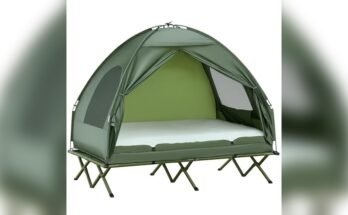
Choose a flat area to pitch your tent. Avoid spots near water or under dead branches. Clear rocks and sticks from the ground. Lay down a ground tarp for extra protection. Follow the tent instructions carefully to set it up. Secure all tent stakes tightly. Make sure the tent door faces away from the wind.
Organizing Your Campsite
Keep your campsite tidy to avoid accidents. Store food in sealed containers to keep animals away. Set up a cooking area separate from your sleeping spot. Use a small table or flat surface for cooking. Keep your gear organized and easy to find. Create a trash area and clean it regularly. Leave no trace behind to protect nature.
Safety Measures
Check the weather forecast before setting up camp. Keep a first aid kit within reach. Know the location of the nearest help or ranger station. Keep a flashlight or headlamp ready for night use. Store sharp tools safely when not in use. Avoid open fires in dry or windy conditions. Always follow local camping rules and guidelines.
Campfire Basics
Campfires are a classic part of camping. They bring warmth, light, and a place to gather. Knowing the basics helps you enjoy the fire safely and easily. This section covers how to build a fire, cook over it, and stay safe.
Building A Safe Fire
Pick a clear spot away from trees and tents. Use a fire ring if available. Gather dry wood in three sizes: tinder, kindling, and fuel wood. Start with tinder, add kindling in a teepee shape, then place fuel wood around it. Light the tinder with a match or lighter. Blow gently at the base to help flames grow. Keep the fire small and manageable.
Campfire Cooking Tips
Use a grill or a tripod for cooking. Wrap food in foil to cook evenly. Choose simple recipes like hot dogs, marshmallows, or foil packet meals. Turn food often to avoid burning. Keep water nearby to cool hot utensils. Use long-handled tools to keep hands safe from flames.
Fire Safety Rules
Never leave the fire unattended. Keep a bucket of water or sand close. Do not burn trash or plastics. Extinguish the fire completely before sleeping or leaving. Pour water on the fire and stir ashes until cold. Make sure no embers stay hot. Follow park or campsite fire rules strictly.
Food And Water Planning
Planning food and water is key for a good camping trip. You need enough food to keep energy up. Clean water is a must for drinking and cooking. Packing smart saves space and prevents waste. It also helps keep you safe and healthy outdoors.
Meal Ideas For Campers
Choose easy meals that need little cooking. Think sandwiches, canned beans, or instant noodles. Pre-cut veggies and fruits make quick snacks. Trail mix and granola bars are great for hikes. Freeze some meals at home to keep cold longer.
Water Storage And Purification
Bring enough water for drinking and cleaning. Use sturdy bottles or jugs to carry water. Always have a backup water source in mind. Water filters and purification tablets help remove germs. Boiling water is a simple way to make it safe.
Managing Waste
Keep trash in sealed bags to avoid smells. Carry out all garbage to protect nature. Use biodegradable soap to wash dishes and yourself. Dispose of food scraps away from the campsite. Follow local rules for waste disposal carefully.
Outdoor Activities For Beginners
Camping offers a perfect chance to enjoy nature and try new activities. Outdoor activities help beginners feel calm and connected with the environment. These activities are simple, fun, and safe for everyone. They also give a great way to learn about nature and have a good time outdoors.
Hiking And Nature Walks
Start with short hikes or nature walks on easy trails. Walking through forests or near lakes helps you see plants and animals. Take your time and breathe fresh air. Bring water and wear comfortable shoes. Hiking improves your mood and keeps you active.
Wildlife Watching
Look for birds, deer, or small animals in the wild. Stay quiet and watch from a distance. Use binoculars if you have them. Early morning or late afternoon are the best times. Wildlife watching teaches patience and respect for animals.
Nighttime Entertainment
Enjoy the quiet and dark of night at your campsite. Tell stories or sing songs around the campfire. Look at stars and try to find constellations. Nighttime activities create lasting memories and bring friends closer together. Always keep safety in mind during night fun.
Dealing With Weather And Bugs
Camping brings fresh air and fun times outdoors. But weather and bugs can spoil the trip. Preparing for rain, heat, or cold keeps you safe and happy. Protecting yourself from bugs stops itchy bites and discomfort. Small steps make your camping experience better and more enjoyable.
Weather Preparation
Check the weather forecast before your trip. Pack clothes for warm and cold weather. Bring a rain jacket and waterproof shoes. Use a tent with a rainfly for dry shelter. Avoid camping in low spots where water can collect. Plan activities for sunny times and rest during bad weather.
Insect Protection
Use insect repellent on your skin and clothes. Wear long sleeves and pants to cover your skin. Set up a bug net or use a tent with mesh windows. Avoid scented soaps or lotions that attract bugs. Keep food sealed and away from your sleeping area. Clean up crumbs and trash to reduce insects nearby.
Staying Comfortable
Bring a sleeping bag suitable for the temperature. Use a sleeping pad to avoid cold ground. Drink plenty of water to stay hydrated. Take breaks in the shade to cool down. Change wet clothes quickly to avoid chills. Keep a small towel and extra socks handy for comfort.
Camping Etiquette And Safety
Camping brings joy and peace but needs care and respect. Following good etiquette keeps nature safe and everyone happy. Safety matters too. Being ready helps avoid problems.
Respecting Nature
Leave no trace. Always clean your campsite before leaving. Avoid picking plants or disturbing animals. Stay on marked trails to protect the land. Use biodegradable soaps if washing outdoors. Keep noise low to respect wildlife and other campers.
Campground Rules
Read all rules before setting up. Follow quiet hours to help others rest. Keep fires only in designated spots. Dispose of trash in bins or take it with you. Park vehicles in assigned areas. Respect other campers’ space and privacy.
Emergency Preparedness
Carry a basic first-aid kit for cuts and bites. Know the nearest help point or ranger station. Have a map and compass or GPS device. Keep a charged phone but do not rely only on it. Inform someone about your camping plans and return time.
Frequently Asked Questions
What Essential Gear Should Beginners Pack For Camping?
Beginners should pack a reliable tent, sleeping bag, first aid kit, portable stove, flashlight, and weather-appropriate clothing. These items ensure comfort, safety, and preparedness for common camping situations.
How Do I Choose A Safe Camping Spot As A Beginner?
Look for established campgrounds with flat ground, away from hazards like cliffs or water. Check local regulations and weather forecasts before setting up your tent.
What Are Basic Safety Tips For Camping Beginners?
Always inform someone about your location and plans. Keep food sealed to avoid wildlife, stay hydrated, and carry a first aid kit for emergencies.
How Can Beginners Start A Campfire Safely?
Build fires only in designated rings, keep water nearby, and never leave the fire unattended. Fully extinguish the fire before sleeping or leaving the site.
Conclusion
Camping can be a fun and rewarding experience for beginners. Plan your trip carefully to stay safe and comfortable. Pack only what you really need. Practice setting up your tent at home first. Always respect nature and keep your area clean.
Stay positive and ready to learn from each trip. Enjoy the fresh air, stars, and quiet nights. Camping helps you relax and connect with nature. Take these tips to heart and start your adventure with confidence.