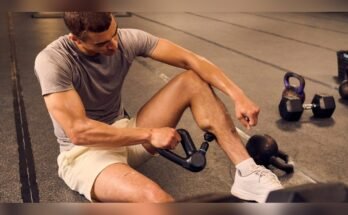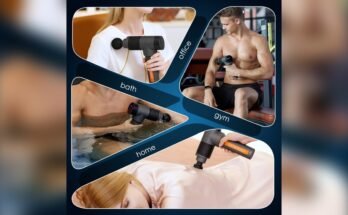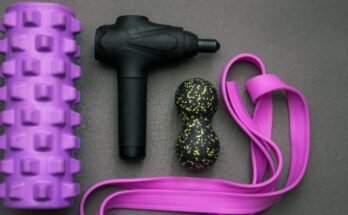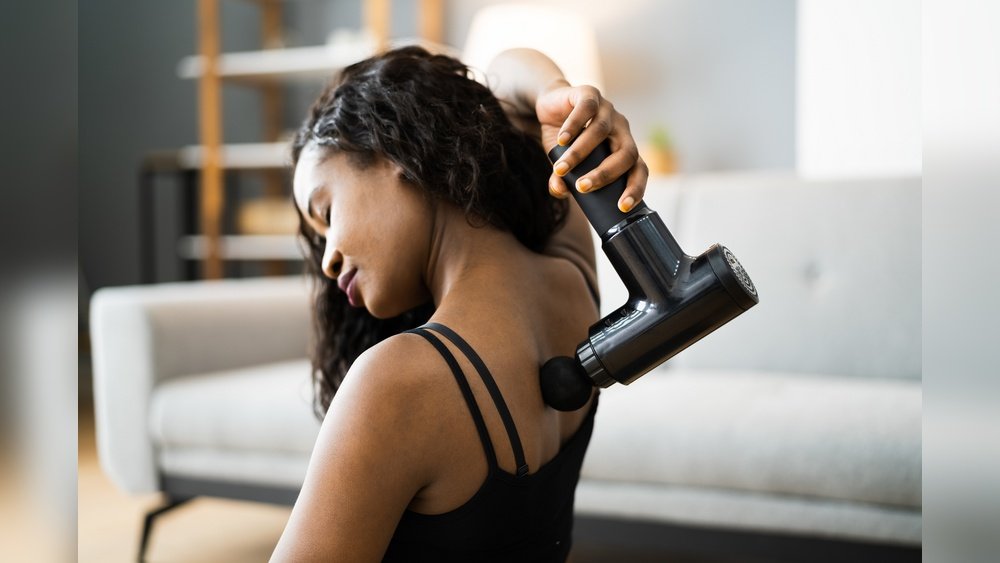
Many people feel sore or stiff after exercise, long workdays, or even from sitting in one position for too long. In recent years, massage guns have become a popular tool for fast muscle relief. You might see athletes, fitness lovers, and even office workers using these devices. Their quick vibrations and percussive movements promise to ease pain, speed up recovery, and even reduce inflammation. But do these claims hold up? Can massage guns actually reduce inflammation, or is it just a clever marketing story?
This article explores what inflammation really is, how massage guns work, and what science says about their effects. You will find clear explanations, real data, and practical advice. Whether you are a beginner or someone who uses a massage gun daily, you will learn what matters and what is often misunderstood about this topic.
Understanding Inflammation
Inflammation is the body’s natural response to injury or stress. When you twist your ankle, push your muscles too hard, or catch an infection, your body sends signals to heal itself. These signals bring extra blood, nutrients, and immune cells to the affected area. This process causes redness, heat, swelling, and pain—classic signs of inflammation.
There are two main types of inflammation:
- Acute inflammation: Short-term, often after injury or intense exercise. It helps healing.
- Chronic inflammation: Long-lasting, sometimes from diseases like arthritis or poor lifestyle. It can cause damage if not managed.
Most people looking at massage guns are thinking about acute muscle inflammation from workouts or minor strains, not serious illness.
Why Inflammation Matters
While some inflammation is good for healing, too much can be painful and slow your recovery. Many people want to control or reduce inflammation, especially after workouts or injuries, to get back to normal life quickly.
How Massage Guns Work
Massage guns, also called percussive therapy devices, deliver fast, repeated pulses to the muscles. These pulses go deeper than normal hand massage, which is why they feel so intense.
Main Features
- Adjustable speeds: Most devices have 3 to 5 levels.
- Different heads: For various muscle groups and types of pain.
- Portable design: Easy to use at home, gym, or office.
Basic Operation
You turn on the device, choose a speed, and press it gently onto your skin. The percussion (rapid up-and-down movement) helps loosen tight muscles and increases blood flow.
Common Uses
People use massage guns for:
- Muscle soreness: After sports or heavy exercise.
- Stiffness: From sitting or repetitive movements.
- Warm-up and recovery: Before or after workouts.
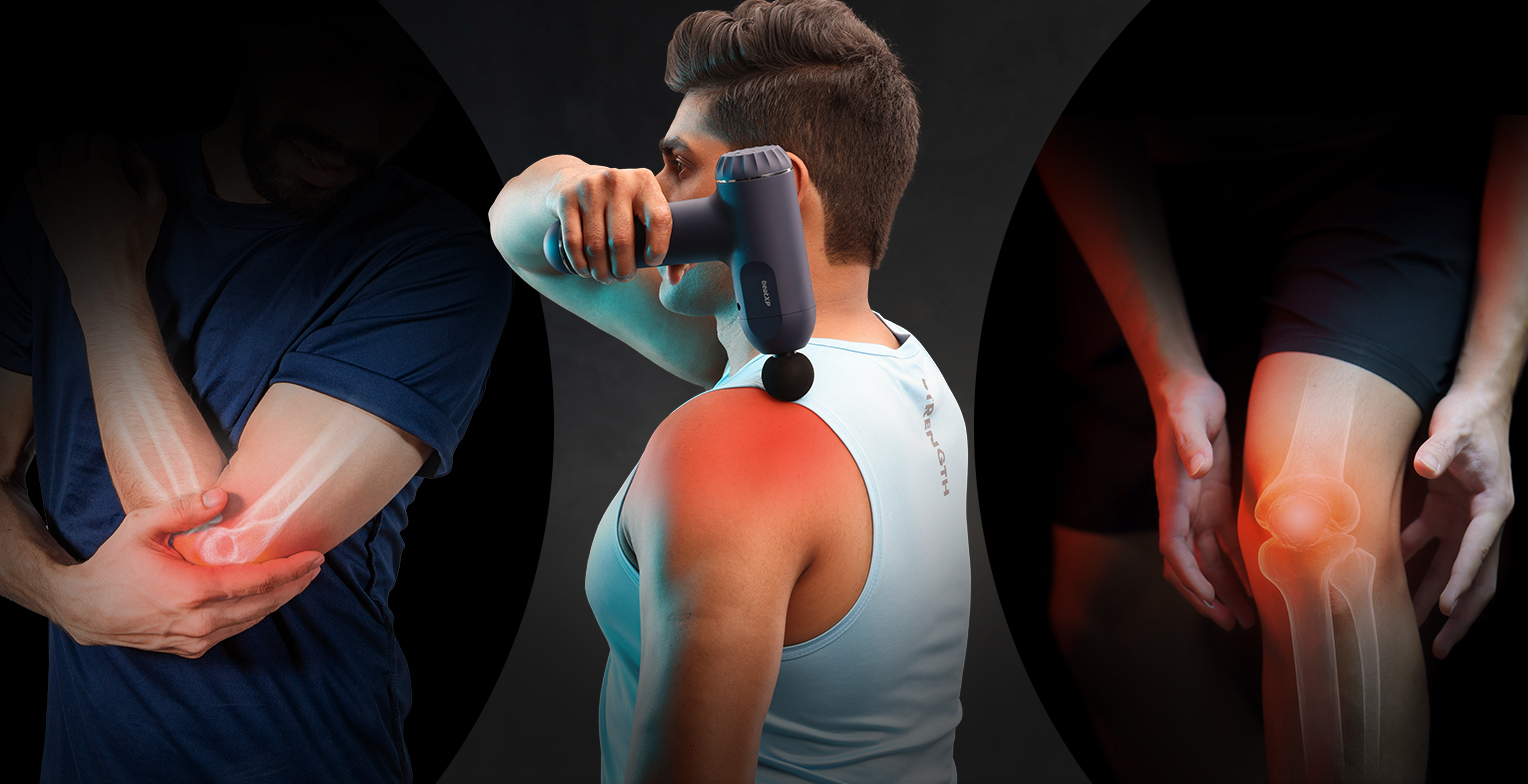
The Science: Can Massage Guns Reduce Inflammation?
Massage guns claim to reduce inflammation by boosting circulation, breaking up muscle knots, and speeding waste removal. But what does research say?
What Studies Show
Most scientific studies on massage (not always massage guns) show:
- Improved circulation: Faster blood flow can help remove waste products like lactic acid.
- Lower muscle soreness: People feel less pain and recover faster.
- Reduced inflammatory markers: Some studies found lower levels of chemicals like C-reactive protein (CRP) and interleukin-6 (IL-6) after massage.
However, studies specific to massage guns are still new. One small study in 2020 tested a group using a massage gun after exercise. The group had less swelling and lower muscle soreness compared to a group that rested. But, the difference was not huge.
Another 2021 review explained that percussive therapy may help reduce DOMS (Delayed Onset Muscle Soreness), which is partly caused by inflammation, but called for more high-quality research.
How Massage Guns Might Reduce Inflammation
The possible mechanisms include:
- Boosting blood flow: More oxygen and nutrients reach the muscle.
- Breaking up adhesions: Loosens tight spots that trap waste and fluid.
- Promoting lymphatic drainage: Helps remove excess fluid and inflammatory chemicals.
Limitations Of Current Evidence
- Few large studies: Most research is small or short-term.
- Not all inflammation is bad: Some is needed for healing.
- Results vary: What works for one person may not for another.
So, while massage guns might help reduce mild inflammation, they are not a cure-all. They work best as part of a broader recovery plan.
Comparing Massage Guns To Other Recovery Methods
Is a massage gun better than ice packs, stretching, or traditional massage? Here’s a simple comparison:
| Method | Reduces Inflammation? | Best For | Limitations |
|---|---|---|---|
| Massage Gun | Yes, mild to moderate | Muscle soreness, stiffness | Not for serious injuries |
| Ice Pack | Yes, strong effect | Acute injuries, swelling | Can slow healing if overused |
| Stretching | Indirectly | Flexibility, tension | Not a direct anti-inflammatory |
| Traditional Massage | Yes, moderate effect | Relaxation, muscle knots | Needs a professional |
Key insight: Massage guns are not the strongest tool for inflammation but offer a quick, at-home solution for mild cases.
How To Use A Massage Gun For Inflammation
To get the best results, you need to use your massage gun the right way. Here is a step-by-step guide:
- Choose the right attachment: Use softer heads for sensitive or inflamed areas.
- Start on the lowest speed: High speeds can irritate already inflamed tissue.
- Apply gentle pressure: Let the gun do the work. Pressing too hard may worsen swelling.
- Limit session time: 1–2 minutes per muscle group is enough.
- Avoid bony areas: Focus on soft tissues, not directly over bones or joints.
Pro Tips
- Drink water after use to help flush out waste products.
- Use after exercise, not during sharp pain or acute injury.
- Combine with rest, good nutrition, and stretching for full recovery.
What Beginners Often Miss
- Using too much pressure: This can make inflammation worse.
- Skipping rest: A massage gun cannot replace the need for proper sleep and rest days.
Risks And Precautions
Massage guns are generally safe, but there are important points to keep in mind.
When Not To Use A Massage Gun
- On fresh injuries (red, hot, or swollen areas)
- Over open wounds or bruises
- On bones, joints, or the spine
- If you have a blood clotting disorder
- If you have nerve damage or loss of feeling
Side Effects
Most people experience only mild side effects, like temporary redness or soreness. However, using a massage gun incorrectly can cause:
- Increased swelling or bruising
- Muscle damage if used too long or with too much force
- Numbness or tingling if applied over nerves
If you are unsure, ask a doctor or physical therapist before use.
Who Should Use Massage Guns For Inflammation?
Massage guns can be helpful for many, but not all, people. Here are some examples:
- Athletes: For mild soreness after intense training.
- Office workers: To relieve stiffness from sitting.
- Elderly people: With mild muscle aches, but only after checking with a doctor.
Not suitable for:
- People with serious injuries or medical conditions.
- Those on blood thinners.
- Anyone with decreased sensation in the area.
Real-life Example: Post-workout Recovery
Imagine you just finished a tough leg workout. The next day, your thighs are sore and a little swollen—a sign of DOMS. You use your massage gun for 90 seconds on each leg, on the lowest setting, focusing on the muscle belly (not near the knee joint).
After two days, you notice:
- Less muscle tightness
- Reduced soreness when walking
- No increase in swelling
This experience matches what many users report: massage guns can ease muscle soreness and help you move more comfortably, but the effect on swelling is often small.
Comparing Massage Guns: What To Look For
Not all massage guns are the same. If you want to reduce inflammation safely, consider these features:
| Feature | Why It Matters | Beginner Tip |
|---|---|---|
| Speed Settings | Low speeds are gentler for inflammation | Start slow, increase only if needed |
| Attachment Heads | Soft heads are less likely to irritate tissue | Use foam or ball heads for sore areas |
| Battery Life | Longer sessions without recharge | Choose at least 1 hour runtime |
| Weight | Lighter guns are easier to hold | Look for under 2 pounds |
Beginner mistake: Choosing the strongest gun thinking it’s the best. For inflammation, gentle and controlled is better than strong and deep.
Common Myths About Massage Guns And Inflammation
There’s a lot of hype online. Here are some myths—and the facts:
- Myth: Massage guns cure all types of inflammation.
- Fact: They may help with mild, exercise-related inflammation, but not with serious medical conditions like arthritis or infections.
- Myth: More pressure equals better results.
- Fact: Too much force can damage tissues and worsen swelling.
- Myth: You can use them anywhere.
- Fact: Avoid using on the neck, spine, or injured areas.
- Myth: Results are instant.
- Fact: Relief usually builds up over several sessions.
What The Experts Say
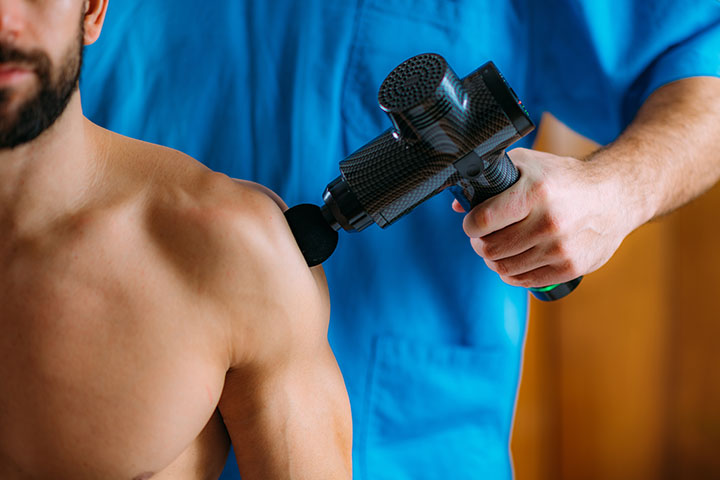
Physical therapists and sports medicine doctors often recommend massage guns as part of a recovery plan, not as the only solution. Dr. Michael Fredericson, a sports medicine expert at Stanford, explains that percussive devices can boost blood flow and ease muscle soreness, but should be combined with rest, hydration, and stretching.
A 2022 review in the “Journal of Sports Sciences” found that massage guns are “safe and effective for reducing muscle soreness and may help with mild inflammation,” but called for more research to understand their full effects.
For more detailed research, see this scientific review.
When To See A Doctor Instead
Massage guns are for mild, everyday soreness. You should see a doctor if you have:
- Severe or sudden swelling
- Sharp pain that does not improve
- Signs of infection (fever, redness, warmth)
- Numbness, tingling, or weakness
These could be signs of something more serious.

Practical Tips For Best Results
- Keep sessions short: 1–2 minutes per muscle group, up to 3 times a day.
- Listen to your body: Stop if it hurts or feels worse.
- Combine with other methods: Stretching, ice, and rest improve results.
- Stay hydrated: Water helps flush out waste.
- Be consistent: Regular use is more helpful than one long session.
Non-obvious tip: Use a massage gun after a warm shower or light exercise. Warm muscles respond better, and you may notice faster relief.
Massage Gun Vs. Other Anti-inflammatory Tools
Here’s how massage guns stack up against other popular tools:
| Tool | Inflammation Relief | Cost | Ease of Use |
|---|---|---|---|
| Massage Gun | Mild to moderate | $$ | Easy |
| Foam Roller | Mild | $ | Medium (needs practice) |
| Ice Pack | Strong, short-term | $ | Very easy |
| Topical Creams | Weak to moderate | $ | Very easy |
Massage guns are more expensive but offer deeper muscle relief than foam rollers or creams, with easier use than some tools.
Looking Ahead: The Future Of Massage Guns For Inflammation
As technology improves, newer massage guns may offer even better ways to control inflammation. Features like smart sensors, customized speeds, and app guidance are becoming common. Research is likely to grow, giving clearer answers about what works best.
Frequently Asked Questions
What Type Of Inflammation Do Massage Guns Help With?
Massage guns mainly help with mild, short-term muscle inflammation caused by exercise or overuse. They are not effective for serious, chronic inflammation from diseases like arthritis.
How Often Should I Use A Massage Gun For Inflammation?
Start with 1–2 minutes per muscle group, up to three times a day. Always listen to your body and stop if you feel pain or discomfort.
Can Massage Guns Make Inflammation Worse?
Yes, if used incorrectly—too much pressure, too long, or on the wrong area—massage guns can increase swelling or even cause injury. Always start gently and avoid sore, red, or injured spots.
Are Massage Guns Safe For Everyone?
No, they are not safe for people with bleeding disorders, nerve damage, open wounds, or deep vein thrombosis. If you have a health condition, check with a doctor first.
Do I Need Other Recovery Methods With A Massage Gun?
Yes, for the best results, combine a massage gun with rest, stretching, hydration, and good nutrition. No single tool is a complete solution.
When used wisely, massage guns can be a helpful part of your recovery routine. They may reduce mild inflammation and muscle soreness, helping you stay active and comfortable. But remember, they are not magic. Listen to your body, use them as part of a balanced plan, and always consult a professional if unsure.
For those wanting fast, convenient relief after workouts or daily strain, massage guns offer a practical, science-backed option worth trying.