

Craftsman Lawn Mower Troubleshooting quickly fixes common starting, cutting, and drive problems with clear steps.
I have spent years fixing mowers for neighbors and clients. This guide on Craftsman Lawn Mower Troubleshooting explains why issues happen and how to fix them. I write from hands-on experience and clear repair steps. Read on to save time and money with safe, practical fixes.

36% off Today’s Exclusive Deals
Limited-time Exclusive Deals. Check current discount on Amazon.
Check Price on Amazon As an Amazon Associate I earn from qualifying purchases.
Why Craftsman Lawn Mower Troubleshooting matters
A mower that works well saves time. Craftsman Lawn Mower Troubleshooting reduces downtime and prevents bigger repairs. Early checks stop small issues from becoming costly. This section explains common failure points and why simple tests matter.

Quick diagnostic checklist for Craftsman Lawn Mower Troubleshooting
Start with a short check. These quick tests find most faults fast.
- Visual inspection. Check fuel, oil, wires, belts, blades.
- Smell test. Gas that smells old means stale fuel.
- Listen. Unusual knocks, whining, or clicks tell you where to look.
- Safety switches. Seat switch, blade engagement, and brake can stop starting.
Follow this checklist before deep repair. It saves time and targets the problem quickly.

Engine won't start: causes and fixes
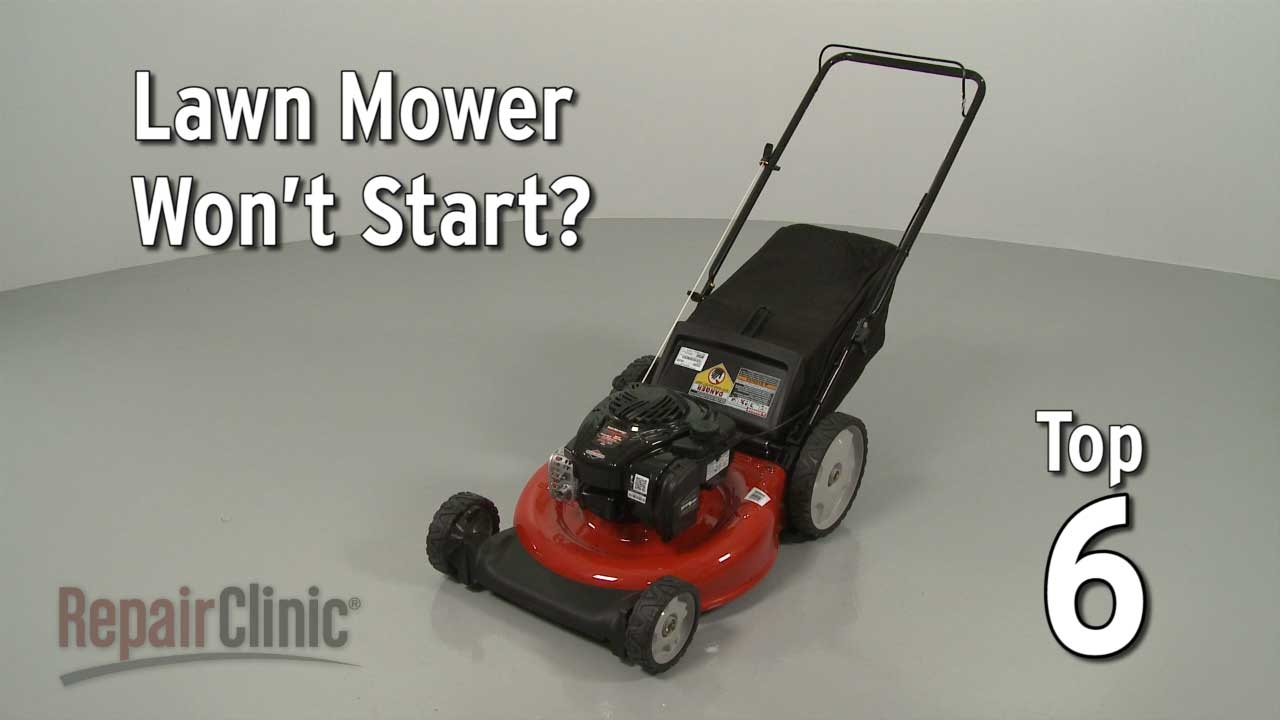
Common causes are old fuel, spark issues, clogged carburetor, or bad valves.
-
Fuel problems
- Use fresh gas with proper stabilizer. Drain old fuel if needed.
- Replace fuel filter and inspect fuel lines for cracks.
-
Ignition and spark
- Remove the spark plug. Clean or replace if dirty or worn.
- Test for spark with a tester or by grounding the plug. No spark means coil or ignition switch issues.
-
Carburetor and air filter
- Clean or rebuild the carburetor if the engine floods or runs rough.
- Replace a dirty air filter every season or earlier if dusty.
-
Compression and valves
- Low compression points to worn rings, valves, or cylinder issues.
- Compression tests help decide if a pro is needed.
I once rebuilt a carburetor on a Craftsman push mower. The owner saved the cost of a new mower. Small fixes often restore reliable starts.
Poor cutting performance and uneven mowing
Poor cuts come from dull blades, incorrect deck height, or clogged deck.
-
Blade issues
- Sharpen blades every season or replace if bent.
- Balance blades to reduce vibration and uneven cuts.
-
Deck and airflow
- Clean grass buildup under the deck. Clogs reduce suction and cut quality.
- Check deck level. Adjust front-to-back and side-to-side as the manual directs.
-
Engine speed
- Low RPMs mean carburetor or governor problems. Fix RPM to spec for a clean cut.
Practical tip: keep two blades on hand. Swap them for sharpening to avoid downtime.

Vibration, noise, and blade problems
Vibration can signal unsafe parts. Fix it fast.
- Loose parts
- Tighten blade bolts, engine mounts, and deck brackets.
- Bent spindle or blade
- Replace bent blades or spindles. Bent parts cause wobble and poor cut.
- Bearings and pulleys
- Worn bearings whine or grind. Replace faulty pulleys and bearings to stop damage.
Safety note: always disconnect spark plug before inspecting blades or beneath the deck.

Drive, clutch, and self-propel problems
Self-propel systems need regular care. Troubleshooting is straightforward.
- Belt checks
- Inspect drive belts for cracks or glazing. Replace worn belts.
- Cable and linkage
- Adjust cables so engagement is smooth. Lubricate a seized cable.
- Hydrostatic vs gear drive
- Hydrostatic leaks lower performance. Low fluid or internal wear requires a pro.
- Gear drive issues often come from stripped gears or worn bearings.
A neighbor had a Craftsman that stopped moving. A cracked drive belt was the cause. Replacing the belt fixed it in 20 minutes.
Battery and electrical issues
Battery and electrical faults stop starts and power features.
- Battery care
- Keep battery charged and terminals clean. Replace batteries older than five years or that fail load tests.
- Wiring and fuses
- Look for frayed wires and blown fuses. Replace damaged wiring and fuses with correct ratings.
- Electric start systems
- Test solenoid, starter motor, and ignition switch if the starter does not turn.
If battery checks pass and the starter clicks, the solenoid or starter is likely the culprit.

Routine maintenance schedule for reliable performance
A simple plan prevents most issues. Follow this rhythm.
- Before season
- Change oil, replace spark plug, clean or replace air filter, inspect belts.
- Every 25 hours or monthly
- Sharpen blades, check tire pressure, clean deck.
- End of season
- Stabilize fuel, fog the engine if stored, remove battery or keep it on a maintainer.
Good maintenance lowers repair costs and extends mower life. I keep a small log in the shed for each mower I own. It helps track service and parts.
Tools, parts, and when to call a pro
Have a simple toolbox ready. Know when to stop and call a service shop.
- Basic tools to keep
- Socket set, screwdriver set, spark plug wrench, blade balancer, fuel line clamps.
- Common spare parts
- Spark plugs, fuel filter, air filter, belts, blades.
- When to call a pro
- Low compression, major engine teardown, hydrostatic leaks, or complex electrical diagnostics.
Replacing a spark plug or belt is DIY-friendly. Major engine work usually needs a shop or an experienced friend.
People also ask (PAA-style quick questions)
How often should I service my Craftsman mower?
Service basic items yearly and do minor checks monthly during the season.
Why does my Craftsman mower stall under load?
Stalling under load points to fuel, carburetor, clogged deck, or weak ignition issues.
Can I run stabilizer in my Craftsman mower?
Yes. Stabilizer keeps fuel fresh and prevents carburetor clogs during storage.
Frequently Asked Questions of Craftsman Lawn Mower Troubleshooting
Why won’t my Craftsman mower start after winter?
Old fuel and stale gas usually cause winter start issues. Drain fuel and replace with fresh gas and stabilizer.
How do I know if my spark plug is bad?
A fouled or damaged plug looks black or cracked. A spark tester can confirm if there’s no spark.
What is the best way to sharpen mower blades?
Remove blades and use a file or grinder. Keep original angle and balance blades after sharpening.
How often should drive belts be replaced?
Replace belts that show cracks, fraying, or glazing. Inspect belts each season and replace as needed.
Is it safe to clean the deck with a hose?
Yes if the engine is cool and the spark plug is disconnected. Avoid electric components and seal openings.
Conclusion
Good Craftsman Lawn Mower Troubleshooting saves time and keeps your lawn looking great. Use short checks, basic tools, and a steady maintenance routine to prevent most problems. Start with the quick diagnostic checklist, then move to the specific fixes for starting, cutting, or drive issues. If a repair feels beyond your skill, call a pro to avoid damage. Try the steps here this weekend, keep a service log, and share your results or questions below.

