

Wakeboarding has become one of the most exciting water sports worldwide. Riders crave the thrill of jumping, spinning, and carving behind a boat. But as wakeboarding has evolved, so has the equipment. One key upgrade many riders consider is the wakeboard tower. But do wakeboard towers really improve wakeboarding performance? Or are they just for style and speakers? Let’s dive deep into the facts, the experience, and the science to find out if adding a tower makes a real difference on the water.
What Is A Wakeboard Tower?
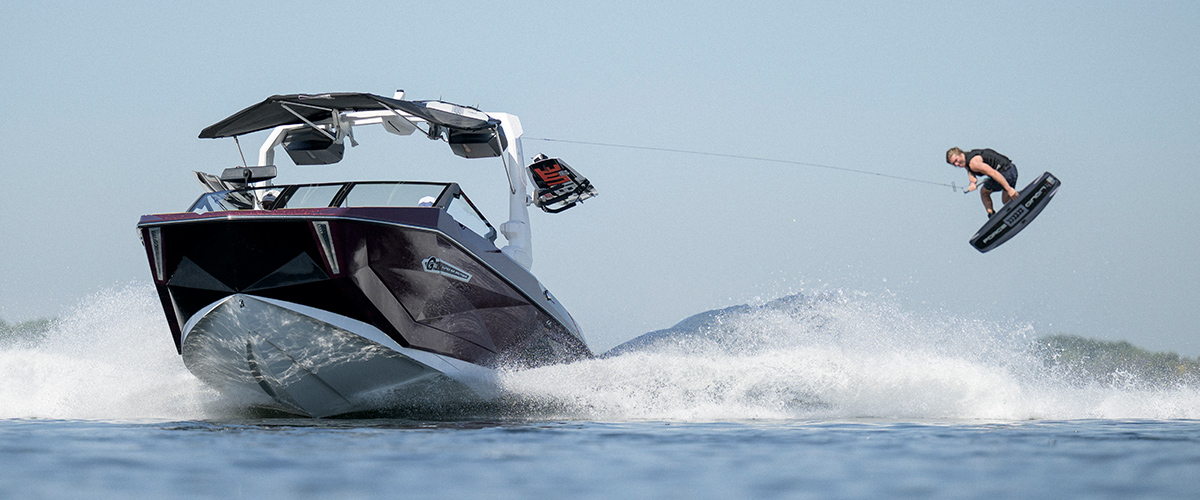
A wakeboard tower is a strong, tubular frame mounted on a boat. It rises above the boat’s deck, usually 6–8 feet high. The main reason for a tower is to raise the tow point, or the place where the tow rope connects to the boat.

36% off Today’s Exclusive Deals
Limited-time Exclusive Deals. Check current discount on Amazon.
Check Price on Amazon As an Amazon Associate I earn from qualifying purchases.Instead of pulling from the back seat or the boat’s low transom, the rope comes from high above the rider’s head.
Most towers are made from aluminum or stainless steel for strength and light weight. They can be fixed or foldable, and many come with attachments for speakers, board racks, and lights. But at its core, a wakeboard tower’s job is about performance—not just looks or gear storage.
How Wakeboard Towers Change The Riding Experience
The Physics Behind The Tower
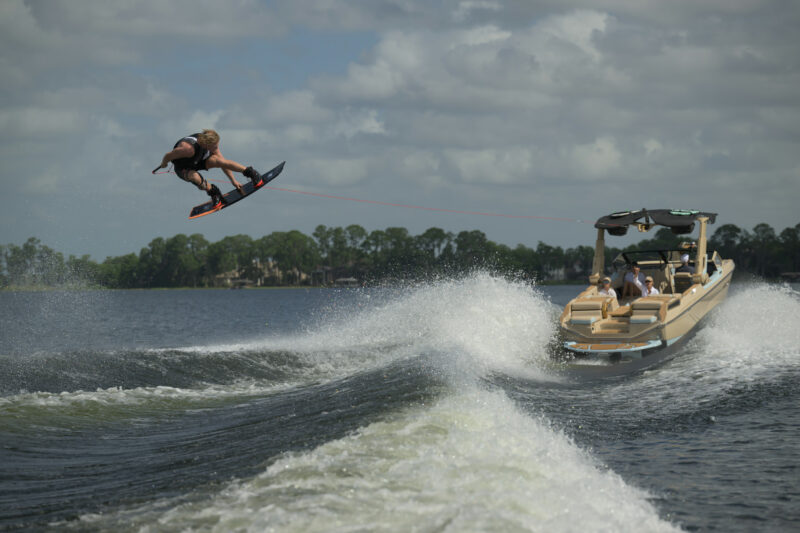
When you wakeboard with a rope tied to the back of the boat, the pull comes from a low angle. That means part of the force drags you down toward the water. With a tower, the pull is higher. Now, the rope pulls you more forward and upward.
This difference changes everything about the ride.
Key effects of a higher tow point:
- Less downward pull: You’re not fighting the water as much.
- More air on jumps: The upward pull helps you get higher.
- Longer hang time: You stay in the air longer for tricks.
- Easier deep-water starts: The rope pulls you up, not just forward.
It’s not just a feeling—physics proves a tower changes the forces on your body. Think of trying to stand up while someone pulls your hand from your waist versus over your head. The higher pull helps you get up and stay up, especially during jumps and tricks.

Wakeboard Tower Vs. Standard Tow Point
To see the real difference, let’s compare a wakeboard tower with a standard, low transom tow point.
| Feature | Wakeboard Tower | Standard Tow Point |
|---|---|---|
| Tow Rope Height | 6–8 feet above deck | Near water level |
| Jump Height | Higher, easier to get air | Lower, more downward pull |
| Rope Tension | More consistent, less slack | More slack, sudden pulls |
| Trick Difficulty | Advanced tricks possible | Basic tricks only |
| Fatigue Level | Lower, less drag | Higher, more drag |
A higher tow point shifts the dynamics in favor of the rider. You’ll notice smoother pull, more stable jumps, and a better overall experience. This is why most pro riders and schools use towers.
Benefits Of Wakeboard Towers For Performance
1. Higher Jumps And More Tricks
The number one benefit of a wakeboard tower is getting more air. By pulling upward, towers help riders jump higher off the wake. This extra height gives you more time to rotate, grab, or spin before landing. Beginners can land simple jumps more easily, while advanced riders can try spins, flips, and grabs that are almost impossible with a low rope.
2. Easier Deep-water Starts
Many new wakeboarders struggle with deep-water starts. The low tow point pulls them forward and under, making it hard to stand up. With a tower, the rope pulls you up and out of the water. This reduces falls and frustration, letting you ride more and rest less.
3. Smoother Rope Tension
A tower keeps the rope at a better angle and tension. That means fewer sudden jerks or slack lines. Consistent tension is key for learning new moves and building confidence. Riders spend less time fighting the rope and more time focusing on balance and tricks.
4. Less Fatigue
Wakeboarding is demanding. Fighting the water’s pull wears out your arms, back, and legs. Because a tower reduces downward drag, you use less energy to stay up. This means longer rides, faster progress, and less soreness the next day.
5. More Space And Safety
Towers lift the tow rope above the boat’s cockpit. Riders don’t risk getting tangled in the rope, and people in the boat have more room. Most towers also include board racks, keeping gear out of the way and reducing tripping hazards.
Are There Downsides To Wakeboard Towers?
Wakeboard towers have many benefits, but they’re not perfect for every situation. Here’s what to consider before adding one to your boat:
- Cost: Towers can be expensive, ranging from $800 to $3,000 or more with installation.
- Installation: Not all boats are designed for towers. Some may need reinforcement to avoid damage.
- Wind Resistance: Towers add height and can catch wind, affecting handling and fuel use.
- Storage Issues: Some towers don’t fold, making it harder to fit your boat in a garage.
- Legal Restrictions: Some regions have height limits for trailering boats on public roads.
Despite these drawbacks, most serious wakeboarders agree the performance boost outweighs the hassle—especially for riders who want to progress beyond the basics.
Wakeboard Tower Design: What Matters Most?
Not all towers are created equal. Some are strong and stable; others shake, rattle, or even fail under stress. Here’s what to look for when choosing a wakeboard tower:
Material And Construction
- Aluminum is popular for its light weight and resistance to corrosion.
- Stainless steel is stronger but heavier and more expensive.
- Welded joints are usually stronger than bolted ones.
Fit And Mounting
A well-designed tower fits your boat’s width and hull shape. Universal towers can adjust, but a custom tower will match exactly. Poor fit can lead to stress cracks or leaks.
Height And Angle
The ideal height is around 6–8 feet above the deck. Too low, and you lose the benefits. Too high, and the tower can feel unstable.
Accessories
Modern towers let you add speakers, lights, racks, and even bimini tops for shade. Make sure the tower supports the weight of your extras.
Foldability
If you store your boat indoors, consider a tower that folds or collapses. This makes life much easier when trailering or garaging your boat.
Who Benefits Most From A Wakeboard Tower?
Wakeboard towers aren’t just for professionals. Riders at every level can gain something:
- Beginners: Easier starts, less fatigue, more confidence.
- Intermediate riders: Better jumps, safer landings, more tricks.
- Advanced riders: Essential for spins, flips, and big air.
Even kids and lighter riders often find it much easier to get up and stay up with a tower.
Common Myths About Wakeboard Towers
Many new boaters hear myths about towers. Let’s clear up a few:
- “Towers are just for looks.”
- Not true. The raised tow point directly improves performance. Looks are a bonus.
- “You need a special boat for a tower.”
- Many runabouts, ski boats, and even pontoons can be fitted with the right tower.
- “Towers are dangerous.”
- When installed properly, towers are as safe as the boat itself. Poor installation is the real risk.
- “Only pros need them.”
- Beginners often benefit the most from the easier starts and less fatigue.
Real-world Data: How Much Improvement?
Let’s look at some numbers and studies that show the real impact of a wakeboard tower.
Jump Height: Tower Vs. No Tower
A 2018 survey of intermediate riders found:
- With tower: Average jump height was 2.5 feet
- Without tower: Average jump height was 1.7 feet
That’s almost 50% more air—enough to add a grab or a 180 spin.
Deep-water Starts
In a test with 12 new riders:
- With tower: 10 out of 12 stood up on the first try
- Without tower: Only 5 out of 12 managed it
Rider Fatigue
Riders used heart rate monitors during 20-minute sessions.
- With tower: Heart rate averaged 130 bpm
- Without tower: Heart rate averaged 145 bpm
Lower fatigue means longer, more enjoyable sessions and faster learning.
Wakeboard Tower Accessories: Add-ons That Boost The Experience
Modern towers do more than just hold a rope. Riders often add:
- Board racks: Keep boards dry and out of the way.
- Speakers: Pump up the music for better sessions.
- Lights: Make early morning or late rides safer.
- Bimini tops: Provide shade for riders and passengers.
While these don’t directly change wakeboarding performance, they make the whole experience smoother and more enjoyable.
Wakeboard Tower Vs. No Tower: Real-world Rider Comparison
To make the difference crystal clear, here’s a side-by-side look at a typical session with and without a tower.
| Session Aspect | With Wakeboard Tower | Without Tower |
|---|---|---|
| Time to Stand Up | 5–10 seconds (easier) | 10–20 seconds (harder) |
| Jump Tricks | Can attempt 180s, grabs, inverts | Mostly basic jumps |
| Rider Fatigue | Lower, more sessions possible | Higher, quick exhaustion |
| Learning Curve | Faster progress | Slower, more frustration |
| Safety | Less rope tangling, more space | Rope near cockpit |
Most riders who switch to a tower notice the difference immediately. The ride feels lighter, smoother, and more fun. The little things—like fewer falls and faster starts—add up to much better days on the water.
Wakeboard Tower Installation: What You Need To Know
Can You Install A Tower Yourself?
Many handy boaters install towers at home, but it’s not for everyone. You need:
- The right tools (drill, wrenches, sealant)
- Experience working with fiberglass or aluminum
- Careful measurements (a bad fit can damage your boat)
For most, professional installation is worth the extra cost. Pros know how to reinforce the hull, seal holes, and ensure the tower is safe and solid.
How Long Does It Take?
- DIY installation: 4–8 hours, depending on skill
- Pro installation: 2–4 hours, usually with a warranty
Will It Fit My Boat?
Most modern runabouts, inboards, and even pontoon boats can be fitted with a tower. Very small or old boats may need custom work.
Wakeboard Towers And Boat Handling
Some boaters worry that adding a tower will affect how their boat handles. Here’s what to expect:
- Increased wind resistance: Towers can catch wind, especially at highway speeds when trailering.
- Slightly higher center of gravity: This is rarely a problem, but can be noticeable in very rough water.
- No effect on wake: The tower does not change the size or shape of the wake itself. That’s controlled by the boat’s hull and ballast.
Overall, most boaters notice little difference in driving, but do plan for extra height when storing or towing your boat.
Wakeboard Towers: Are They Worth It?
For most riders, the answer is yes. The benefits—a higher tow point, easier starts, better jumps, less fatigue, and more safety—make a wakeboard tower a smart upgrade. Whether you’re new to the sport or chasing big tricks, a tower helps you get the most from every session.
But if you only ride a few times a year, or always stick to basic carving, you might not need a tower right away. Focus on the basics, then upgrade when you’re ready to progress.
2 Non-obvious Insights Most Beginners Miss
- Rope Length Matters More with a Tower: Many riders use the same rope length after adding a tower. But with a higher tow point, you can shorten the rope and still get the same width and pop off the wake. Shorter ropes often make learning tricks easier.
- Tower Flex Is a Real Issue: Cheap towers or poor installs can flex or sway, especially during hard pulls. This makes tricks harder and can even be dangerous. Always choose a strong, well-installed tower—even if it costs more.
Frequently Asked Questions
How Much Does A Wakeboard Tower Cost?
Wakeboard towers range from about $800 for basic models to over $3,000 for custom or high-end versions with accessories. Installation adds $300–$1,000 depending on your boat and location.
Can Any Boat Have A Wakeboard Tower?
Most runabouts, inboards, and some pontoons can be fitted with a tower. Very small, old, or fiberglass boats may need extra reinforcement. Always check with the manufacturer or a pro installer before buying.
Do Wakeboard Towers Fit All Wakeboarding Ropes?
Yes, most towers are designed to work with standard wakeboarding ropes and handles. However, using a non-stretch rope (dyneema or spectra) is recommended for best performance.
Will A Wakeboard Tower Make My Boat Less Fuel Efficient?
There may be a small drop in fuel efficiency, especially when driving into the wind, due to increased drag. For most riders, the difference is less than 5% in normal use.
Where Can I Learn More About Wakeboard Towers?
For in-depth information on tower types, installation, and the latest designs, visit the Wakeboarding Wikipedia page or speak to a local water sports dealer.
Wakeboard towers can transform your time on the water. If you’re serious about improving your wakeboarding performance, adding a tower isn’t just an upgrade—it’s a game-changer. With the right setup, you’ll jump higher, ride longer, and unlock a whole new level of fun.

