

Most Echo trimmer issues arise from fuel, spark plug, or air filter problems.
I’ve spent years fixing and using Echo gas trimmers, so this guide on Echo Gas Trimmer Troubleshooting will walk you from easy fixes to deeper repairs. Read on to learn clear steps, simple checks, and practical tips that save time and money when your trimmer acts up.

36% off Today’s Exclusive Deals
Limited-time Exclusive Deals. Check current discount on Amazon.
Check Price on Amazon As an Amazon Associate I earn from qualifying purchases.
Common Problems and Quick Fixes for Echo Gas Trimmer Troubleshooting
Echo Gas Trimmer Troubleshooting starts with the basics. Many issues trace to fuel, spark, or airflow problems.
-
Won’t start
- Cause: Old fuel, flooded engine, or bad spark plug.
- Fix: Replace fuel, remove excess fuel, and check/replace the spark plug.
-
Starts then dies or runs rough
- Cause: Clogged carburetor or dirty air filter.
- Fix: Clean or replace the air filter and inspect the carburetor for varnish.
-
Low power or poor cutting performance
- Cause: Dull line, worn cutting head, or clogged screen.
- Fix: Replace cutting line, inspect head, and clean intake screens.
-
Excessive smoke or fuel smell
- Cause: Rich fuel mix or bad governor/carburetor setting.
- Fix: Check fuel mix, clean carburetor, and adjust idle if needed.
-
Excessive vibration or looseness
- Cause: Worn gear head, loose bolts, or damaged shaft.
- Fix: Tighten bolts, inspect gear head, and replace damaged parts.
Echo Gas Trimmer Troubleshooting often ends with one of these quick fixes. Regular checks cut repeat visits to the shop.
Step-by-Step Troubleshooting Guide
A systematic approach speeds Echo Gas Trimmer Troubleshooting. Follow these steps in order to find the root problem without replacing parts blindly.
-
Visual check
- Look for loose screws, damaged fuel lines, or obvious wear.
- Smell for stale fuel or strong gas odors.
-
Fuel system check
- Drain old fuel and refill with fresh 50:1 mix (check your model’s ratio).
- Inspect fuel filter and fuel lines for cracks or clogging.
-
Air and spark checks
- Remove and inspect the air filter. Clean or replace if dirty.
- Pull the plug to check for spark and condition. Replace the plug if fouled or old.
-
Carburetor and idle check
- If it starts but runs poorly, adjust idle/mixture according to the manual.
- Clean the carburetor if there are signs of varnish or fuel residue.
-
Mechanical checks
- Spin the head by hand to feel for grinding or binding.
- Check gearbox oil (if applicable) and inspect the shaft coupling.
People also ask (PAA-style)
Why won't my Echo gas trimmer start after sitting all winter?
Stale fuel gums the carburetor and blocks jets. Drain old fuel, replace with fresh mix, and clean the carburetor if needed.
How do I know if the spark plug is bad?
A black, oily, or cracked plug usually means it’s bad. Replace it and recheck starting and idle.
Echo Gas Trimmer Troubleshooting becomes faster when you follow these ordered checks. Small fixes often solve big headaches.

Maintenance Tips to Prevent Echo Gas Trimmer Troubleshooting
Routine care reduces troubleshooting time and extends trimmer life. I learned this after fixing avoidable problems on many trimmers.
- Fuel care
- Use fresh fuel with the correct oil mix. Add fuel stabilizer for longer storage.
- Air filter and intake
- Clean the air filter after heavy jobs. Replace it yearly or sooner if dusty.
- Spark plug and ignition
- Inspect the spark plug every 25 hours of use. Replace every season or sooner if fouled.
- Head and line upkeep
- Replace trimming line as recommended and inspect the cutting head for wear.
- Storage and winterizing
- Drain fuel or run the engine dry before long storage to prevent carburetor varnish.
Simple, regular maintenance reduces the need for Echo Gas Trimmer Troubleshooting. It’s the best time-saver I know.
Parts, Tools, and When to Replace Them
Knowing parts and tools speeds effective Echo Gas Trimmer Troubleshooting. Keep these items on hand.
- Essential tools
- Spark plug wrench, small screwdrivers, needle-nose pliers, carburetor cleaner, and a small brush.
- Parts to stock
- Spark plugs, fuel filters, air filters, trimmer line, replacement cutting heads, and fuel lines.
- When to replace parts
- Replace the spark plug if it shows heavy carbon or won’t spark.
- Replace fuel lines if brittle or cracked.
- Replace the gear head or shaft if you feel grinding or excessive play.
Having the right tools and spare parts makes Echo Gas Trimmer Troubleshooting faster and less painful. I keep a small kit in my shed for this reason.
Advanced Diagnostics and Repairs
Some Echo Gas Trimmer Troubleshooting needs deeper checks. These steps assume comfort with small engines.
- Carburetor overhaul
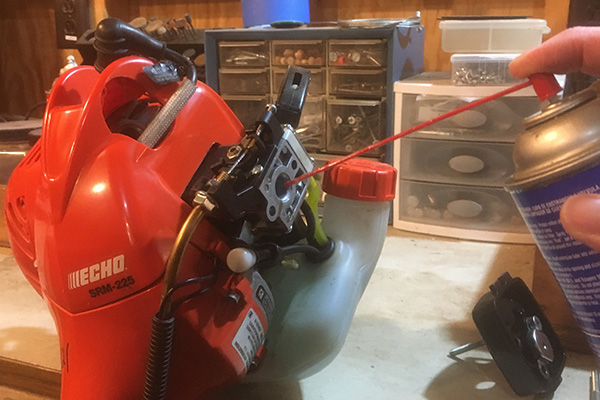
- Remove and clean the carburetor. Replace gaskets and needle valves if worn. Small jets gum up from old fuel.
- Compression check
- Use a compression gauge to test engine health. Low compression means worn rings or cylinder damage.
- Ignition coil and timing
- Test coil resistance. A weak coil gives intermittent spark and will need replacement.
- Gearbox and shaft repairs
- Disassemble the gearbox to inspect gears and bearings. Replace worn components and re-grease before reassembly.
If you are unsure, consult a pro. Advanced Echo Gas Trimmer Troubleshooting can require parts and tools not on a casual DIY list.

Safety Tips When Troubleshooting Echo Gas Trimmer
Safety should lead every Echo Gas Trimmer Troubleshooting session. Short, careful steps prevent injuries.
- Work in a well-ventilated area away from flames.
- Disconnect the spark plug before any repair.
- Wear gloves and eye protection.
- Keep hands and clothing away from the cutting head when testing.
These safety habits protect you and your trimmer. They also help you troubleshoot with confidence.
Frequently Asked Questions of Echo Gas Trimmer Troubleshooting
Why does my Echo gas trimmer flood when I try to start it?
Flooding usually happens from too much choke or repeated pulls. Remove the spark plug, clear excess fuel, and try again with the choke set correctly.
How often should I clean the carburetor on my Echo trimmer?
Clean the carburetor if you notice rough running or poor throttle response, or annually if you use the tool often. Using fresh fuel reduces how often cleaning is needed.
What fuel mix should I use for Echo gas trimmers?
Use the fuel mix ratio recommended in your model’s manual, commonly 50:1 for many Echo models. Using the wrong mix can cause poor performance and damage.
How do I adjust the idle on my Echo gas trimmer?
Locate the idle screw on the carburetor and turn it slowly until the head stops spinning at idle. Consult your manual for exact settings for your model.
Can I fix a trimmer that vibrates excessively myself?
Check for loose bolts, damaged line, or bent shaft first; these are easy fixes. If the gearbox or bearings are worn, replacement may require professional repair.
What should I do if my Echo trimmer smokes heavily?
Heavy smoke often means too-rich mixture or burning oil. Check fuel mix and inspect the crankcase seals and engine internals for oil leaks.
How long should a spark plug last in an Echo trimmer?
A spark plug may last one season or 100 hours depending on use and fuel quality. Replace sooner if it fouls or performance drops.
Conclusion
Echo Gas Trimmer Troubleshooting is mostly a matter of method and care. Start with the basics: fresh fuel, clean air filter, and a good spark plug. Use the step-by-step checks here to find common faults fast. Regular maintenance prevents most problems and saves money over time. Try these tips on your next troubleshooting session, subscribe for more repair guides, or leave a comment with your trimmer issue so I can help.

