

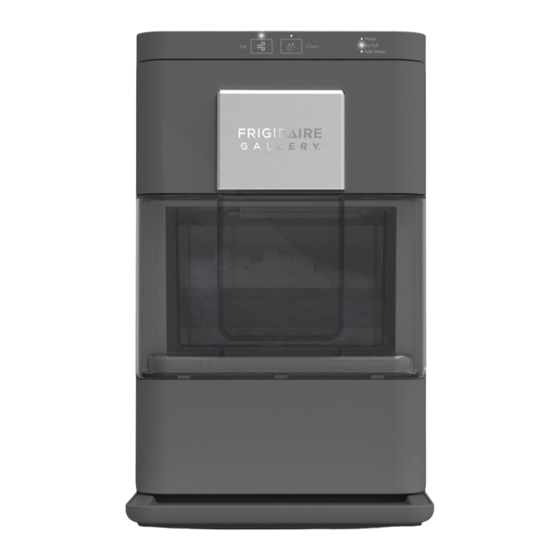
If you love soft, chewable nugget ice and own a Frigidaire Nugget Ice Maker, you expect it to deliver perfect ice every time. But like all appliances, even this popular ice maker can sometimes stop working or develop issues. When your ice maker doesn’t perform as expected, it’s frustrating—especially if you bought it for parties, summer drinks, or daily use. The good news? Many problems have simple solutions you can try at home before calling for service or considering a replacement.
This article is your complete guide to Frigidaire Nugget Ice Maker troubleshooting. Whether you’re dealing with no ice, slow production, strange noises, or leaks, you’ll find clear steps, practical advice, and tips that even beginners might miss. By understanding how your machine works and what commonly goes wrong, you can often fix issues quickly and keep the ice flowing.

36% off Today’s Exclusive Deals
Limited-time Exclusive Deals. Check current discount on Amazon.
Check Price on Amazon As an Amazon Associate I earn from qualifying purchases.How The Frigidaire Nugget Ice Maker Works
Before you can fix a problem, it helps to know what’s happening inside your machine. The Frigidaire Nugget Ice Maker uses a unique process to create its signature “pellet” or “chewable” ice. Unlike traditional ice cubes, nugget ice is made by compacting small flakes of ice into soft, crunchy pieces.
The machine pulls in water, freezes it on a metal cylinder (called an evaporator), then scrapes off thin layers. These flakes are pushed together to form nuggets, which drop into the ice bin. Sensors and fans monitor temperature and ice level, while a drain removes extra water. Understanding these steps helps you spot where things might go wrong.
Basic Troubleshooting Steps
Most ice maker problems can be solved with a few simple actions. Start with these checks before moving to more advanced fixes.
- Power Supply: Make sure the machine is plugged in securely and the outlet is working. Try a different outlet if you’re not sure.
- Water Supply: Check that the water reservoir is filled to the required line with clean, cold water.
- Reset the Machine: Many issues clear up after a reset. Unplug the ice maker, wait 10 minutes, then plug it back in.
- Cleanliness: Mineral build-up, scale, or debris can block sensors and slow production. Clean your machine regularly following the manual.
- Ventilation: Ensure the machine has at least 6 inches of space around it for airflow. Blocked vents can cause overheating or slow ice making.
If these basics don’t solve your problem, it’s time to dig deeper.
Common Problems And Solutions
Ice Maker Not Making Ice
When your machine won’t produce any ice, it’s often a sign of a simple issue.
- Empty Water Reservoir: Fill with fresh water up to the max line.
- Clogged Water Filter: If your model has a filter, replace or clean it.
- Blocked Water Line: Remove the water line (if external) and flush it out.
- Faulty Sensor: Sometimes, the ice level sensor gets stuck with ice or debris. Clean gently with a soft cloth.
- Temperature Issues: If the room is too hot (above 90°F), the machine may struggle. Move it to a cooler spot.
Ice Maker Producing Too Little Or Slow Ice
If you notice less ice or longer wait times, consider these factors:
- Dirty Condenser Coils: Dusty coils can’t release heat well. Unplug and clean with a vacuum or brush.
- Scale Build-Up: Hard water minerals block the freezing surface. Use a descaling solution monthly.
- Low Water Level: Check for leaks or evaporation and refill the reservoir.
- Overfilled Ice Bin: If ice piles up against the sensor, the machine may stop. Empty the bin and restart.
Ice Tastes Or Smells Bad
Unpleasant taste or odor usually comes from the water source or machine cleanliness.
- Stale Water: Use only fresh, filtered water. Change water every 24 hours if not used.
- Mold or Mildew: Clean the water reservoir and bin with a mild bleach solution (1 tablespoon bleach per gallon of water), rinse well.
- Absorbed Odors: Store the machine away from strong-smelling foods or chemicals.
Machine Is Noisy Or Vibrates
All nugget ice makers make some noise, but new or loud sounds may signal trouble.
- Loose Parts: Check for loose screws, panels, or the ice bin.
- Vibration: Ensure the machine is level. Adjust feet or place on a solid, flat surface.
- Fan or Pump Problems: Squeaking or grinding may mean a failing fan or water pump. These may need professional repair.
Ice Maker Leaking Water
Leaks are usually easy to trace but can sometimes point to bigger problems.
- Overfilled Reservoir: Only fill to the max line.
- Drain Plug Not Sealed: Check that the drain cap is secure after cleaning.
- Cracked Reservoir or Tubing: Inspect for visible cracks. Replace damaged parts.
- Condensation: Some water on the outside is normal in humid rooms, but large puddles are not.
Machine Won’t Power On
If your ice maker shows no signs of life:
- Check Power Cord and Outlet: Try another device in the same outlet.
- Blown Fuse or Tripped Breaker: Inspect your home’s electrical panel.
- Internal Fuse: Some units have a fuse inside, but opening the case may void the warranty. If basics don’t work, call support.
Cleaning And Maintenance For Better Performance
Regular maintenance is key to long life and reliable ice. Neglect is a top reason nugget ice makers fail early. Here’s a simple schedule:
- Daily: Empty the bin if not using ice, and wipe any spills.
- Weekly: Rinse the water reservoir and bin with warm water.
- Monthly: Run a cleaning cycle with a descaling solution or vinegar. Scrub the evaporator, bin, and sensors gently.
- Every 6 Months: Deep clean all removable parts and inspect for scale or buildup.
Neglecting cleaning is a mistake many new owners make. Mineral scale or mold can block sensors and reduce ice quality. If your water is hard, consider a filter or use bottled water.
Understanding Error Codes
Many Frigidaire Nugget Ice Makers have a small display or indicator lights. When something goes wrong, you may see error codes or blinking patterns. These codes can guide your troubleshooting.
Here’s a simple guide to common error codes:
| Error Code/Light | Meaning | Action |
|---|---|---|
| E1 | Water supply issue | Check water level/line |
| E2 | Ice making system fault | Reset, clean, call support if persists |
| Flashing Power Light | Internal error | Unplug and restart |
| Full Bin Light On | Ice bin is full or sensor blocked | Empty bin, clean sensor |
Non-obvious insight: Some error codes can appear due to simple sensor blockages—like ice stuck to the sensor or even condensation. Always check and wipe sensors before assuming a major fault.
When To Call For Service
While many problems are easy to fix, some need a trained technician.
- Repeated error codes after reset and cleaning
- No power despite correct outlet and cord
- Major leaks from inside the housing
- Strange burning smell or smoke
- Damaged electrical parts
Trying to open or repair internal components can void your warranty. Frigidaire’s support team can help with serious or persistent issues.
Comparison: Nugget Ice Vs. Traditional Ice Makers
Understanding the differences between nugget ice makers and standard ice makers helps set expectations and troubleshoot better.
| Feature | Nugget Ice Maker | Traditional Ice Maker |
|---|---|---|
| Ice Type | Chewable, soft “nuggets” | Hard, clear cubes |
| Production Time | Slower (15-30 min per batch) | Faster (10-20 min per batch) |
| Cleaning Needs | Higher (scale, mold risk) | Moderate |
| Common Problems | Clogs, sensor issues, leaks | Jammed cubes, freezing issues |
| Noise Level | Moderate to high | Low to moderate |
Tip: If you switch from a traditional ice maker, you may be surprised by the noise and cleaning needs of a nugget model. This is normal for the technology.
Essential Tools For Home Troubleshooting
You don’t need many tools to keep your ice maker running, but a few items help:
- Soft brush or toothbrush: For cleaning sensors and the evaporator.
- Descaling solution: Removes mineral buildup.
- Microfiber cloths: For wiping and drying.
- Small screwdriver: To tighten loose parts.
- Measuring cup: To fill the water reservoir accurately.
Having these on hand saves time and prevents accidental damage.
Real-world Examples
Seeing how others solved their ice maker problems can help you, too.
- Problem: Ice maker making loud rattling noise.
- Solution: Owner found a loose ice bin and re-seated it. Noise stopped.
- Problem: Machine stopped making ice after a month.
- Solution: User had never cleaned the machine. After a deep cleaning and descaling, ice production returned.
- Problem: Water leaking from bottom.
- Solution: Drain cap was not fully closed after last cleaning. Tightened the cap, leak stopped.
Non-obvious insight: Many leaks and noises result from incorrect assembly after cleaning. Carefully check seals, bins, and plugs every time.
Preventing Future Problems
A few habits can prevent most ice maker headaches:
- Use filtered or bottled water to reduce mineral buildup.
- Clean on schedule—don’t wait for problems to start.
- Check the machine after moving it to ensure all parts are seated correctly.
- Don’t overfill the reservoir—more water does not mean more ice.
- Let the machine rest if used for hours. Overheating can cause temporary shutdowns.
Many new owners think ice makers are “set and forget. ” In reality, a little care goes a long way.
Model-specific Troubleshooting Tips
Frigidaire makes a few different nugget ice makers, like the popular EFIC235 and EFIC245 models. While most troubleshooting is the same, here are a few model-specific notes:
- EFIC235: This model is sensitive to water quality. If ice tastes odd, switch to filtered or distilled water.
- EFIC245: Has a removable water tank. Make sure to seat it firmly after cleaning, or you’ll get leaks.
- Older models: May have manual reset buttons instead of automatic resets. Always check your manual for the correct reset process.
If in doubt, check your user manual or look up your model on the official Frigidaire site.
Troubleshooting Guide: Quick Reference Table
For fast checks, use this summary table to match symptoms with solutions:
| Symptom | Possible Cause | Quick Fix |
|---|---|---|
| No ice production | Empty water tank, blocked sensor | Refill water, clean sensors |
| Bad taste/odor | Dirty machine, stale water | Clean, use fresh water |
| Slow ice making | Scale on evaporator, hot room | Descale, move to cooler spot |
| Loud noise | Loose bin, pump issue | Re-seat bin, call for service if persists |
| Leaking water | Drain cap loose, cracked tank | Tighten cap, inspect for cracks |
| Won’t power on | Faulty outlet, blown fuse | Check outlet, call electrician |

What Most Owners Overlook
Two common mistakes stand out:
- Ignoring the cleaning schedule: Even if your ice looks fine, scale or mold can build up out of sight. This reduces ice quality and can even damage the machine.
- Assuming all noises mean failure: Nugget ice makers are naturally louder than traditional cube makers. Some whirring, humming, or clicking is normal.
Another point: If you use well water or have hard tap water, scale forms quickly. Descale more often, or use filtered water to avoid blockages.
Where To Find More Help
If your problem persists, contact Frigidaire support. Their website has manuals, live chat, and warranty information. For independent advice and owner tips, check out appliance forums or YouTube channels that focus on ice makers.
For detailed technical information and parts, the official Frigidaire Product Support page is also helpful.

Frequently Asked Questions
Why Does My Frigidaire Nugget Ice Maker Make A Loud Thumping Noise?
This sound often comes from the auger pushing ice into the bin or the compressor cycling on. If the noise is new, check for loose parts or an unlevel surface. Some noise is normal, but if it’s very loud or constant, contact support.
How Often Should I Clean My Frigidaire Nugget Ice Maker?
Clean the machine at least once a month, or more if you notice scale or strange tastes. Use a descaling solution for mineral build-up and wipe sensors and the bin with a mild bleach solution to prevent mold.
What Should I Do If My Ice Tastes Bad Even After Cleaning?
Try switching to filtered or bottled water. Sometimes, tap water contains minerals or chlorine that affect taste. If the problem continues, check for hidden mold in the water lines or replace the filter if your model has one.
My Machine Shows An Error Code After Cleaning. What Next?
First, unplug the machine for 10 minutes to reset. Make sure all parts are dry and correctly reassembled. If the error returns, check your manual for the specific code meaning and follow the recommended fix. Persistent errors may require service.
Can I Leave Water In The Ice Maker When Not In Use?
It’s best to empty the water reservoir if you won’t use the machine for more than 24 hours. Stale water can cause odors, mold, and poor-tasting ice. Dry the bin and reservoir before storing.
A Frigidaire Nugget Ice Maker is a great appliance for those who love soft, chewable ice. Most problems can be fixed with simple checks and regular cleaning. By using this troubleshooting guide, you can keep your machine running smoothly and enjoy perfect nugget ice all year round.
When in doubt, consult your manual or reach out to official support—you’ll be back to crunching ice in no time.

